Lawrence Jordan
Directing
Biography
Known principally as a maverick spirit in the world of avant-garde American cinema, Lawrence Jordan played an important role in the late 1950s and early 1960s San Francisco art scene. Jordan has made over seventy experimental films, including a number of fanciful, filmic animations made from collaged cut outs of Victorian engravings. The animations extend dreamlike imagery of collaged landscape into a cinematic realm of transformation and free form symbolism. Jordan seeks to delve into the deep structures and Jungian connotations of the mythological images his films reference. His alchemical approach to imagery creates what he has called the “theater of the mind, which you construct. That is the Underworld... the realm of the imagination. You have to have a place to work with images.” Jordan founded the film department of the San Francisco Art institute in 1969 and taught there for over thirty years. He made his own box assemblages in Cornell ’s lyrically evocative style since the mid-1960s. Many feature ingenious mechanical and kinetic effects. He continues to make films and box collages at his home and studio in Petaluma where he has lived since 1978.
Known For

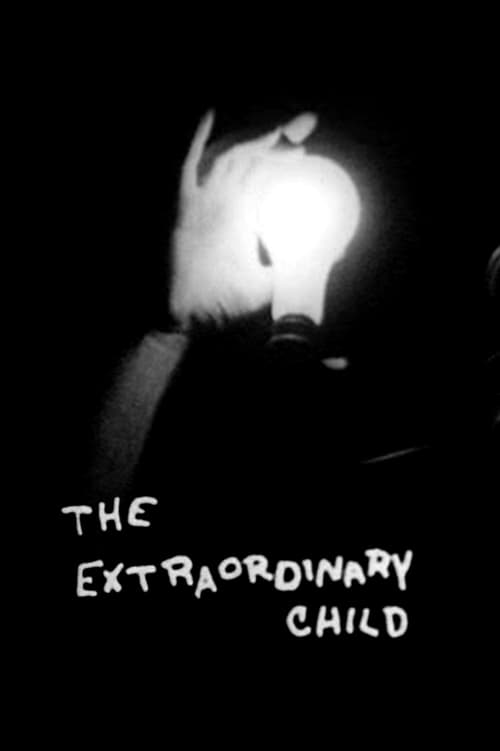
The Extraordinary Child applies his developing style to broad slapstick. His friends from the previous films and the director himself play out a riotous farce about an overgrown baby who steals his father’s cigars. Everyone mugs hilariously. The movie could be taken as another example of the Romantic notion of the artist as a monstrous child or misfit, or a parody of the same rather than the personal confessional statement seen so often in these film movements.
The Extraordinary Child

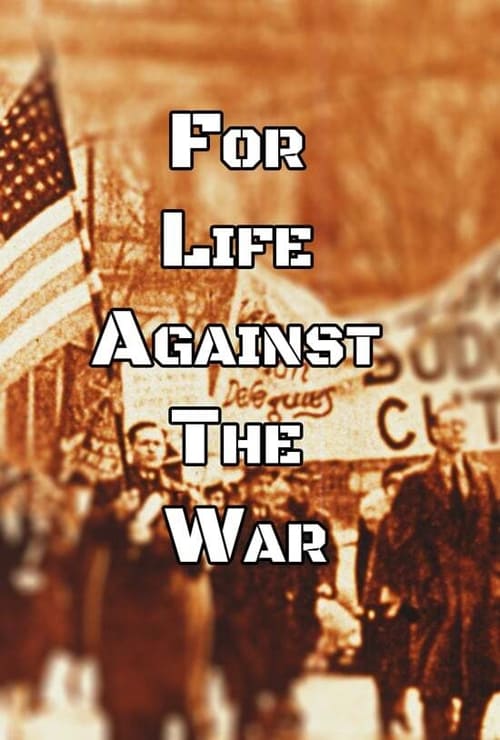
First shown on January 30, 1967, FOR LIFE AGAINST THE WAR was an open-call, collective statement from American independent filmmakers disparate in style and sensibility but united by their opposition to the Vietnam War. Part of the protest festival Week of the Angry Arts, the epic compilation film incorporated minute-long segments which were sent from many corners of the country, spliced together and projected. The original presentation of the works was more of an open forum with no curation or selection, and in 2000 Anthology Film Archives preserved a print featuring around 40 films from over 60 submissions.
For Life, Against the War

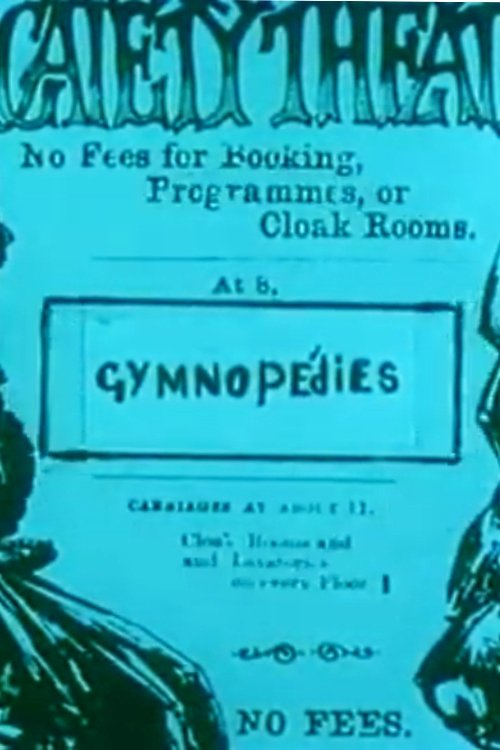
Animation. The theme is Weightlessness. Objects and characters are cut loose from habitual meanings, also from tensions and gravitational limitations. A lyric Eric Satie track accompanies the film. Such a portrait seems necessary from time to time to remind us that equilibrium and harmony are possible, and that we will not dissolve into a jelly if we allow ourselves to relax into them: A horseman rides through the landscape, through the town, but never arrives anywhere in particular. An acrobat swings on a rope above a canal in Venice, and is content just to swing there. Nothing threatens to disturb them. This film is a total contrast to the Kafka-like oddities of Eastern European animation. —Canyon Cinema
Gymnopédies

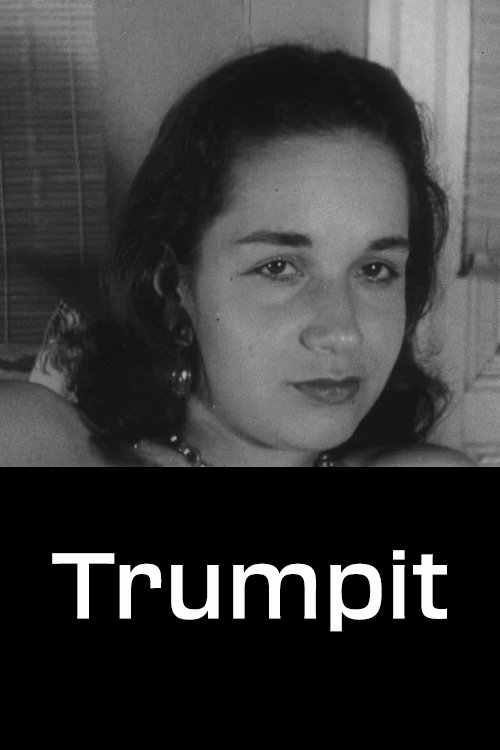
Four young men and a young woman sit in boredom. She smokes while one strums a lute, one looks at a magazine, and two fiddle with string. The door opens and in comes a young man, cigarette between his lips, a swagger on his face. The young woman laughs. As the four young men continue disconnected activities, the other two become a couple. When the four realize something has changed, first they stare at the couple who have kissed and now are dancing slowly. The four run from the house in a kind of frenzy and return to stare. The power of sex has unnerved them.
Desistfilm

Part of a trio of films that also includes ADAGIO and WINTER LIGHT, IN A SUMMER GARDEN "draws much of its power from the way it is constructed and the ways it deals with images... [T]he camera pans and pauses, almost passively looks at the fields of flowers, and then plunges through them, carrying us through space." - Robert Haller
In a Summer Garden
One of Lawrence Jordan's earliest animated films, PINK SWINE is an energetic and playful mix of various animation styles. Described as "an anti-art dada collage film," this free-form short presents cut-out images animated across old photos (a style picked up by Terry Gilliam a few years later) and found objects that dance to the beat of the rock-and-roll soundtrack. He produced this short during a summer spent with Joseph Cornell and Jordan edited the film entirely in camera, making the upbeat visual rhythm of this delightful lark even more impressive. –Sean Axmaker
Pink Swine!

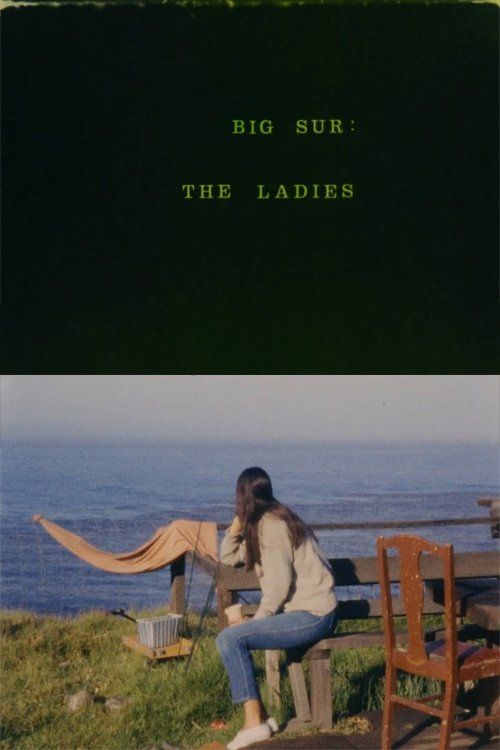
Against the coastline of the Big Sur country the camera catches swiftly shifting fragments of the nude women at the baths, playing the guitar, cutting the hair, sleeping. The camera movement is used to slightly smear the images onto the film emulsion in a manner parallel with the use of broad different medium from music or painting.
Big Sur: The Ladies

TAPESTRY, part of Lawrence Jordan's "Odyssey" triptych and filmed much later in Jordan's life, is a charged record of his bachelor life after marriage and child-rearing.
Tapestry

A new and original collage film by Lawrence Jordan.
Oz

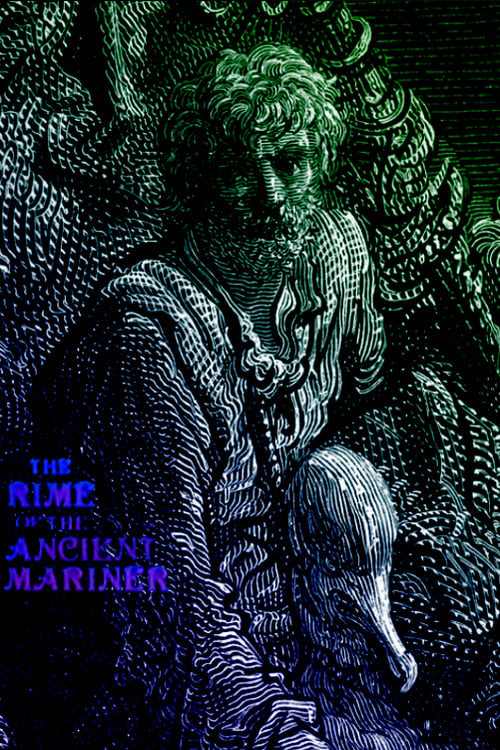
Orson Welles reads the poem especially for this film by Larry Jordan, which is dedicated to the late Wallace Berman, and is made possible by a grant from The National Endowment Of The Arts.
The Rime of the Ancient Mariner

An anatomy of violence. Four young men and two young women are on a drive. There's a rivalry between two guys for one of the girls. On a remote road, the car stalls. The driver hitchhikes for help. Led by the intrepid girl, the others walk toward abandoned buildings, perhaps a mining operation. One of the three guys sits and reads. The intrepid one explores the building and sees something that scares her. She screams; the two rivals and the second girl run to find her. Something she says starts a fight between her two suitors. The one reading a book walks away in disgust. After stopping the fight, the two young women follow. How can this end? Preserved by the Academy Film Archive in 2005.
Unglassed Windows Cast a Terrible Reflection

The film, an animation, unfolds in three acts: Act I, "Cyrano", wherein Cyrano makes all manner of boasts and compares his lady-love to the marvels of the universe; Act II, " Prometheus", in which pagan forces are compared with the supposed genteel nature of the 19th century; Act III, "Time Travel", wherein there is a hop-scotch of Time Travel! In which the viewer moves among various 'times', partially drawn entirely from imagination, partially from allusion to specific visual historic and pre-historic periods. It is not a straight-line progression, rather a flipping back and forth through glimpses of various ages, carried along by the surreal antics of its objects and characters.
Time Travel

For the first time I am animating hand-painted engraved cut-outs on a full-color background. The film is mood-filled: A duel scene in a snowy forest, obviously the morning after a masquerade ball. Harlequin lies dying, while Red Indian walks away with the wings of victory. The woman between them appears, cat-masked. The mask dissolves away. Her spirit passes into the face of the sun upon the sun upon the sun flower. But Harlequin cannot escape death. The blue world engulfs him.
Masquerade
Though best known for his collage films, Lawrence Jordan here makes exquisite study of the different aspects of light lilting through the early morning fog of California winter. Painterly gradations of color and juxtapositions in scale are beautifully arranged to music by Antonio Vivaldi.
Winter Light
In describing the basis for TRIPTYCH IN FOUR PARTS, artist Lawrence Jordan writes, "Part one is the Portrait of a North Beach artist, John Reed. Part two and three take place in the desert of the Southwestern United States and Mexico, where I went in quest of, and found, the natural habitat of the peyote cactus. I watched this sacred plant cut and dried for the Indians of the Native American Church. I consumed peyote on numerous occasions. In later years when I red Castineda’s books on the teachings on Don Juan I realized that Mescalito was not a figment of Don Juan’s imagination, and that there is a spirit world whether we like it or not. Part four is a document of the time, and exemplifies the poetry that was in me at that time."
Triptych in Four Parts

This is a classing Jordan animation, primarily in B/W, with touches of color. Actually, the engraved art work was film on color negative, so that subtle variations in tone are recorded. The mood--enhanced by John Davis' original music--is dream-like. It is both lyric and crackling, producing a kind of anticipatory tension. The scenes, in the usual Jordan manner, follow the surreal principle of placing objects and people where the ought not to be, and making movements that in the waking world are impossible. Each scene is a kind of drama from another world.
Night Light

Jordan’s imagery is exquisite and eloquent, concentrating on simple, repeated use of particularly poetic symbols and figures, a conglomerative effect of old Gustave Dore drawings, 19th century whatnot memorabilia, all fused to a totally aware perception. —Lita Eliseu, East Village Other
Duo Concertantes
"After GYMNOPEDIES, I had long wanted to animate a film specifically for a pre-selected piano piece by [Erik] Satie. MOONLIGHT SONATA is that film. It was totally designed for the 'Gnossienne V' and the movements of the animation are timed to the overall rhythms as well as the specific beats of the music." - Lawrence Jordan
Moonlight Sonata

Ancestors is a film about spiritual forefathers and mothers in a purely fanciful sense. These are classical figures, anatomical figures, fairy tale figures and romantic figures all thrown in together - all my creative root-sources, in a kind of playful tribute. Like part 2 of Duo Concertantes, it's a moving single picture, now doubled.
Ancestors

Fantasy/psycho-drama of the cat, the candle and the Christmas tree.