Sound
In 2017, 100 years after the Bolshevik Revolution, no official event was held in Russia. The central government decided to confine the memory of the Revolution to museums. In this climate of forgetfulness, some scenes detached from reality bring the past to the present. Two young roofers, Nikita and Karl, explore the city, search for historical remains and specific places, climb the roofs. In their wandering they find abandoned buildings and balconies. Katya, an apparently older woman, walks through one of the capital spaces of the revolutionary process: the Champ de Mars, in St. Petersburg. Katya tells about the February Revolution, which ended the Romanov dynasty. It recalls the post-revolutionary period and rescues the figure of one of the most interesting intellectuals and scientists of the time: Aleksandr Bogdanov, author of a utopian science fiction book called Red Star.
Alejandro is a 40 year-old high-school teacher who lives with his mother. He is going through a personal financial crisis and being under the same roof with her makes him very unhappy. He's looking to move out on his own, but his mother's diagnosis of terminal cancer will force him to rethink his plans amidst a state of constant emotional distress.
In the summer of 1987 in a town in Córdoba, two teenage sisters, Elena and Lucia, are alone at home. The youngest is upset with her older sister, who thinks about how to get out of that town, to study and to live differently.
Year 1866. Venancio, a young gaucho, embarks on a journey to escape from a curse through a war-torn region desperately seeking salvation among rustlers, priests, shamans and deserters. The stronger his fear is, the more real the legend becomes.
José María has an hour and a half to get ready for a date he has been looking forward to for months, but his apartment is invaded by his three friends, his brother, his sister, his mother and his new neighbor, the old love of his life. They all seem to have the same goal: to destroy the new life José María is trying to build for himself.
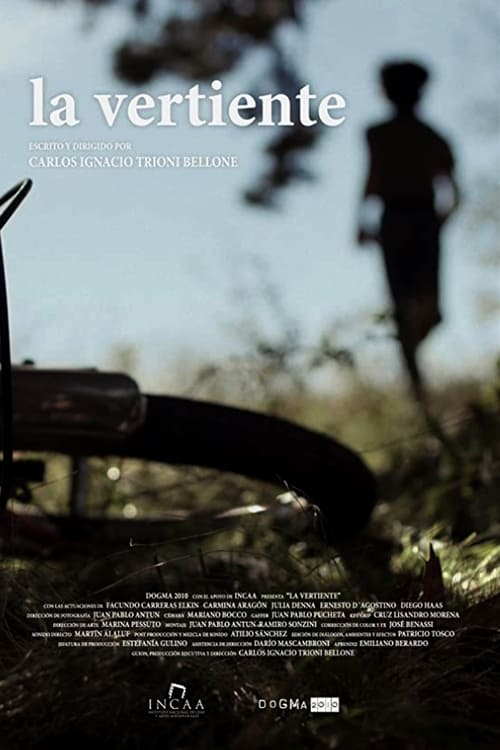
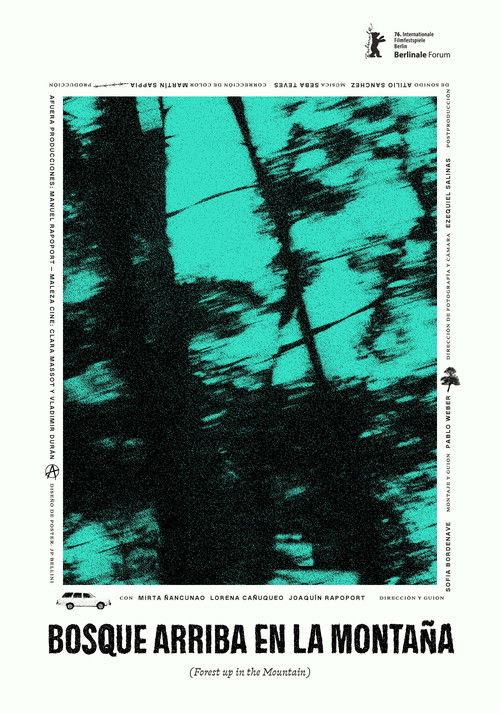
Bernardo, a 9 year-old boy, lives in the mountains with his family. One day, he meets a little girl. Then together, they discover a secret in a nearby forest.
A group of friends, the windows of buildings at night, Chacarita's cemetery, a road trip and tree tops are mixed together with sleepless city lights.
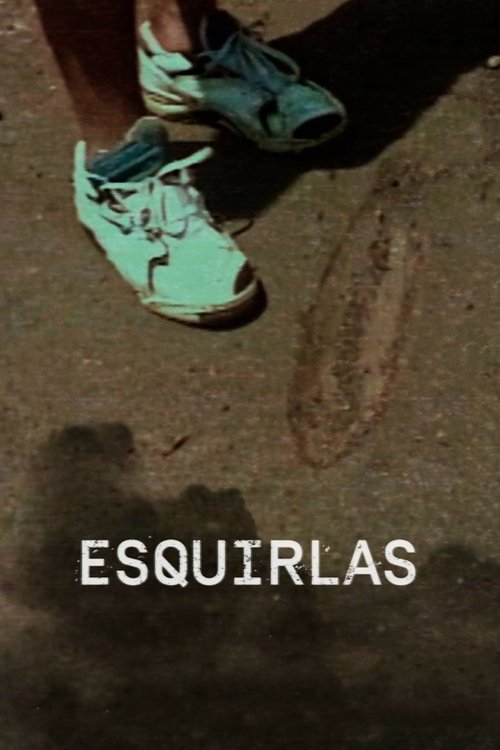
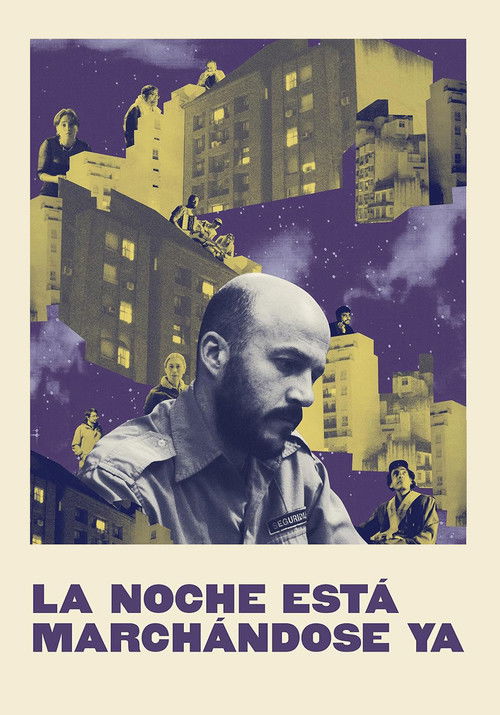
Nina and Fermín spend the night in the neighborhood where their father is a security guard. Between lights and shadows, they walk, play, eat. Nina observes others in silence, as though she were looking at herself in a mirror that is about to break. The night moves stealthily on, while other children watch them from their windows.
The hypocrites tells the story of Nicolás, a young cameraman who works filming social events, but doesn’t feel fulfilled with his profession. In the middle of a high profile wedding, he accidentally records a compromising situation between the bride, Martina, and her brother, Esteban. Realising about what is in the tape, he sees the opportunity of leaving his tedious life behind through blackmailing the people involved. However, he does not know this secret could endanger his own life.
On 3 November 1995, the Rio Tercero Military Factory exploded in Cordoba, prompting thousands of projectiles to fire and spread in the surrounding villages, in a tragedy that would leave seven dead and hundreds injured and affected. At the time, Natalia Garayalde was a twelve-year-old girl who lived with her family near the place, and he was still playing filming with the video camera her father had bought, when she recorded the immediate moments of the burst, while her family escaped the explosions, as well as the daily activities of the village in the days and weeks that follow. Twenty-five years later, that material captured from a girl's candid and surprised gaze it becomes a thoughtful and painful testimony about the family, the destruction of a city, the traces of horror, the sinister truth about the case.
Throughout Córdoba, Argentina, there is a wave of looting, and the police are taking several young people. In the midst of this hectic period, teenage Juliana becomes pregnant by her boyfriend, Lautaro. Juliana wants to have an abortion, but she is afraid to do it with pills and they do not have money to pay for an intervention.
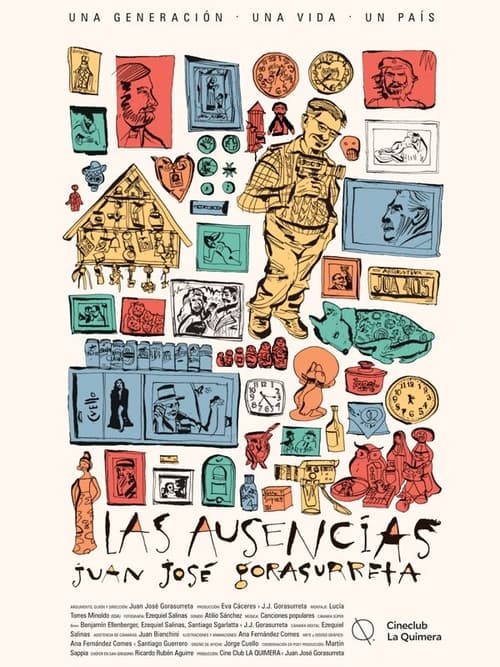
The life of Juan José Gorasurreta is pierced by images. In his new feature film, the historic film society programmer appropriates the films that made him in order to find new relationships and patterns and thus generate a convergence between his personal life, that of Argentina and that of cinema. In The Absences his travels coexist with Orson Welles, activism, Fernando Birrri, the Cordobazo, his studies, Eva Landeck, family, Carlos Echeverría, the Trelew Massacre, Nagisa Ōshima, censorship, film societies, the Malvinas war, his short films. The randomness of this list vanishes as the film progresses, and gives way to a synapse that is as logical as it is moving. “It is a portrait on how Argentine history and my encounter with films designed my sensitive areas” —as he did with his own story, no one could define The Absences better than Gorasurreta himself.
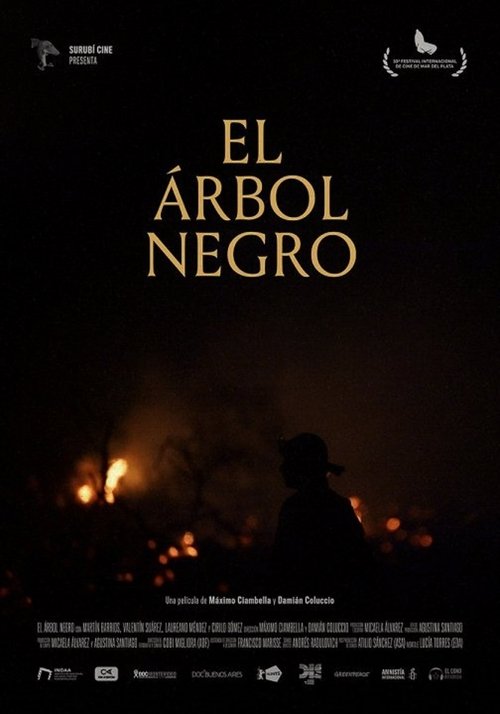
Martín, a Qom shepherd, narrates an old myth about how the earth and the sky used to be upside-down and connected by a tree.
No description available.
Pelu is a thirty-something who barely survives on his salary as a projectionist at a municipal film club. After losing his job, he agrees to stay on as a night watchman and ends up living secretly inside the cinema, accompanied by the films he reviews every night.
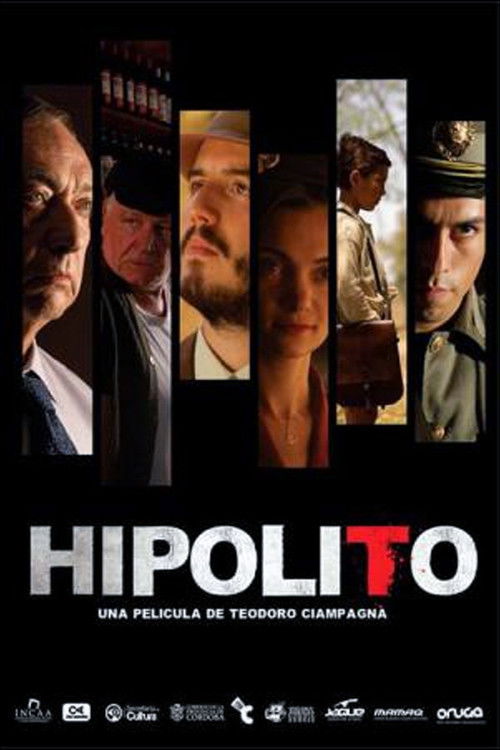
Governor's elections are coming in Cordoba province. A big electoral fraud is being orchestrated. This trap will break Hipolito´s illusions, a boy who dreams to find his father. Only the naive ideals of a young lawyer, Marcelo, will rescue this kid from hell.
Bathed in the half-light, a bus station north of Cordoba in Argentina. Waiting, and the arrivals and departures of the local buses punctuate the lives of these workers and travellers. Far from making an observational documentary, Gustavo Fontán crafts the ghostly portrait of a place of transit where the traces of those who bring it alive resonate and are muffled, blending mystery with everyday life.
A Californian backpacker travels to Buenos Aires to pay homage to the Argentine pirate who conquered his hometown of Monterey in 1818. Along the way, he becomes entangled in a polyamorous relationship with a gang of young actors who plot to kidnap the U.S. Ambassador.
In 2017, young Mapuche Rafael Nahuel was killed by police in the Patagonian forest. Site visits, court proceedings – the film unites the elements involved in solving the crime. Meticulously observed: the struggle for civil rights and narrating history.