Reika Kamata
Directing
Known For

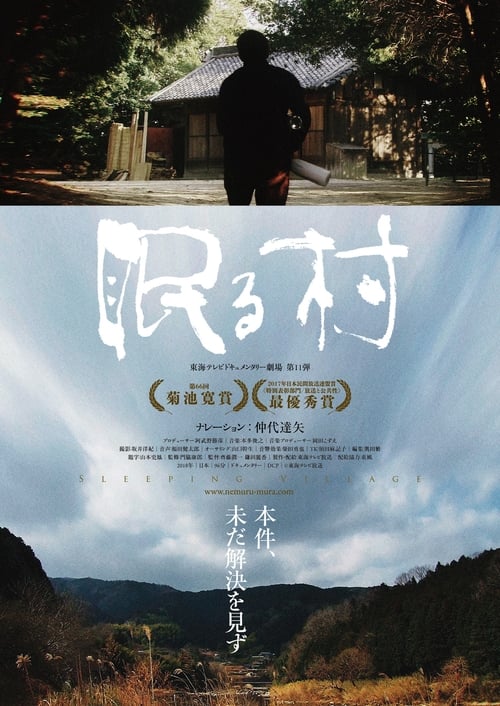
In 1961, a spectacular criminal case shocks Japan: at what became known as the “Nabari Poison Wine” incident, five people lose their lives at a village social gathering. One of the attendants, Masaru OKUNISHI, is made out as the main suspect. Rumor has it that he wanted to kill his wife and his lover in order to end his extra-marital affair. After being questioned by the police for days, he signs a confession, only to withdraw it soon afterwards. Nonetheless, he is sentenced to death and all pleas for a retrial are denied.
Sleeping Village

No description available.
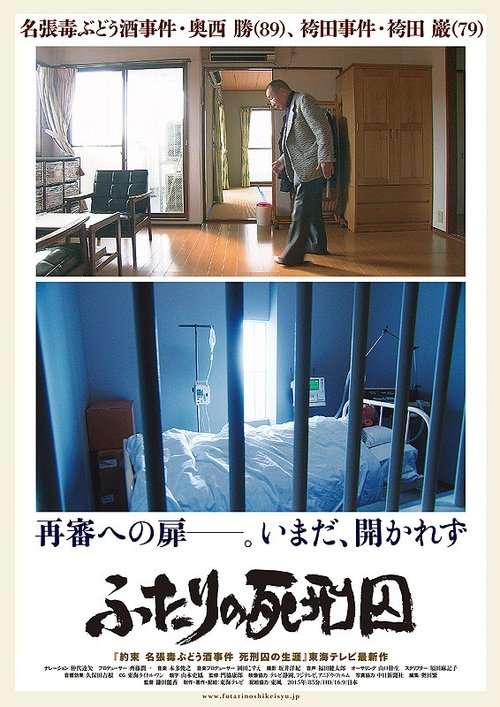
ふたりの死刑囚

In 1961, in the quiet village of Kuzuo, five women died after drinking wine at a community gathering. Masaru Okunishi, then 35, was arrested. He was first found not guilty, but later sentenced to death based only on a written confession taken under suspicious circumstances—despite no physical evidence. Okunishi insisted on his innocence until his death in prison at 89. His sister, Miyoko Oka, now 94, has spent her life trying to prove it, submitting ten appeals with new evidence—all denied. Under Japanese law, only close family can request a retrial. With limited time left, she continues to fight for the truth.
The Limit

In the 1980's, juvenile delinquents and truants were becoming big social problems. Totsuka Yacht School was reeducating those children, with severe training which included physical punishment. However, after the deaths and disappearance of a few trainees, Hiroshi Totsuka, the principal of the school who was once hailed a "hero of the era" was suddenly being judged as evil. As the camera follows Totsuka, it also sheds light on the school and its philosophies from different angles. Physical punishment has been supposedly banned, but Totsuka still adheres to his principles of unforgiving training being the best way to help grow socially-inept and emotionally damaged young children into strong adults. However, controversy dogs the school still today; yet another tragedy surfaces, forcing the media to reflect on the school’s role in today’s less forgiving attitudes toward corporal punishment.