Margaret Flint
Acting
Known For
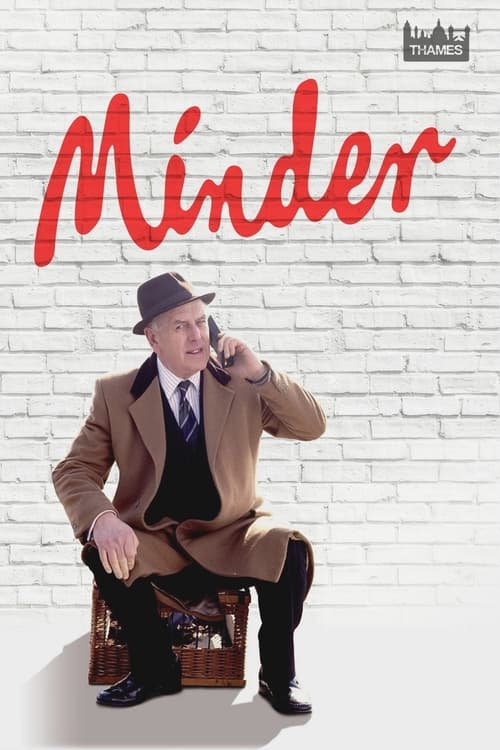
Roguish comedy drama following the misadventures of small-time crook Arthur Daley.
Minder
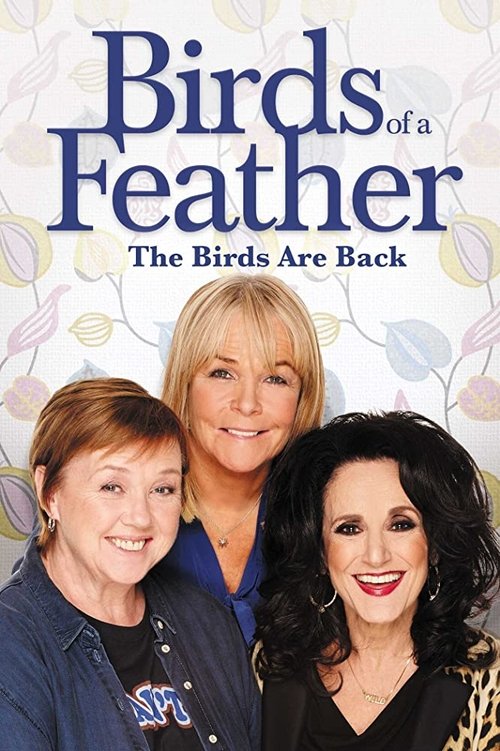
Birds of a Feather is a British sitcom that was broadcast on BBC One from 1989 until 1998 and on ITV from 2013. Starring Pauline Quirke, Linda Robson and Lesley Joseph, it was created by Laurence Marks and Maurice Gran, who also wrote some of the episodes along with many other writers. The first episode sees sisters Tracey Stubbs and Sharon Theodopolopodos brought together when their husbands are sent to prison for armed robbery. Sharon, who lived in an Edmonton council flat, moves into Tracey's expensive house in Chigwell, Essex. Their next-door neighbour, and later friend, Dorien Green is a middle-aged married woman who is constantly having affairs with younger men. In the later series the location is changed to Hainault. The series ended on Christmas Eve 1998 after a 9-year-run.
Birds of a Feather
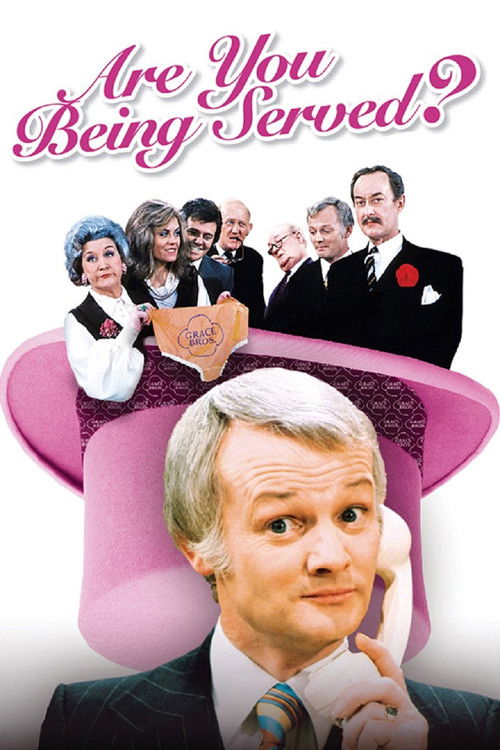
This comedy series, which follows the exploits of employees at London's fictional "Grace Brothers" department store, is full of sexual innuendo, slapstick, visual gags, and double entendres. Much of the show's humor parodies Britain's class system, and many of the show's characters are based on stereotypes of the period, including the effeminate Mr. Humphries and the rich, but stingy, store owner.
Are You Being Served?
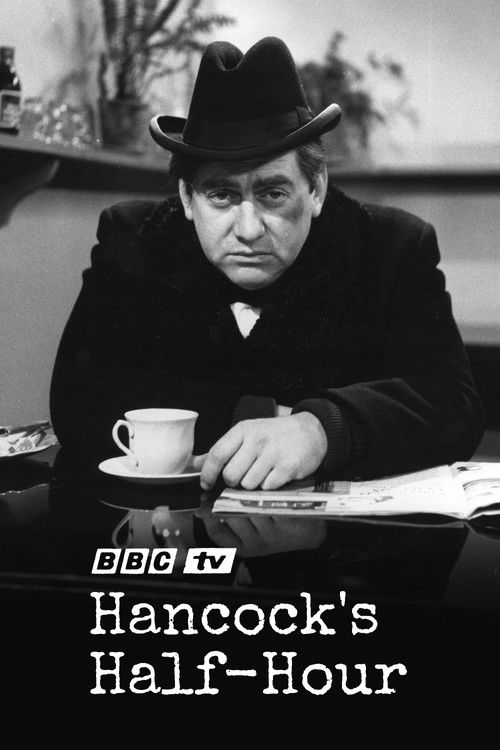
Hancock's Half Hour is a BBC television comedy series of the 1950s and 60s written by Ray Galton and Alan Simpson. The series starred Tony Hancock with Sid James. The final series, renamed simply Hancock, starred Hancock alone. Comedian Tony Hancock starred in the show, playing an exaggerated and much poorer version of his own character and lifestyle, Anthony Aloysius St John Hancock, a down-at-heel comedian living at the dilapidated 23 Railway Cuttings in East Cheam. The series was influential in the development of the situation comedy, with its move away from radio variety towards a focus on character development.
Hancock's Half Hour
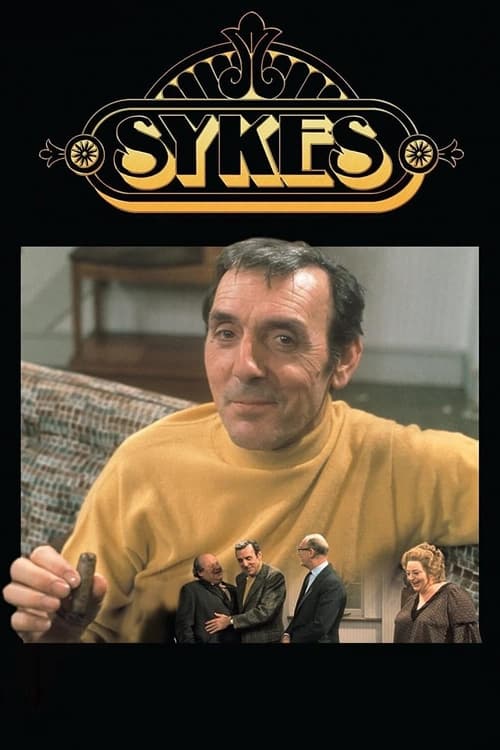
Classic sitcom starring Eric Sykes and Hattie Jacques as brother and sister twins who have to tackle the trials and tribulations of suburban life.
Sykes
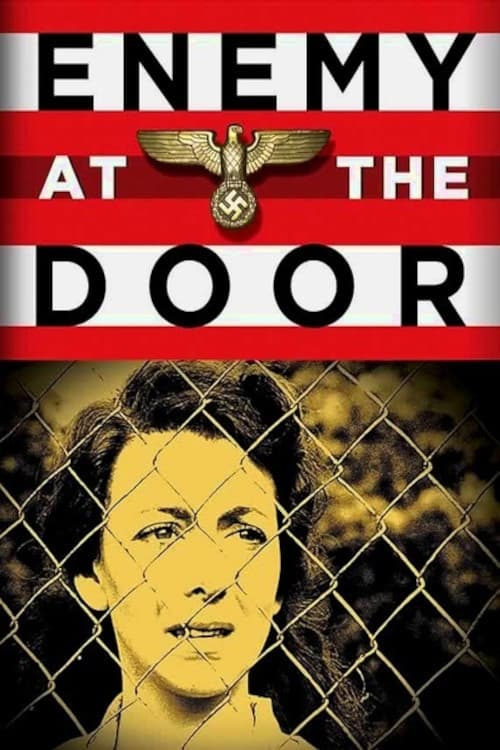
Enemy At The Door is a British television drama series made by London Weekend Television for ITV. The series was shown between 1978 and 1980 and dealt with the German occupation of Guernsey, one of the Channel Islands, during the Second World War. The programme generated a certain amount of criticism in Guernsey, particularly for being obviously filmed on Jersey despite being ostensibly set on Guernsey. The series also marked the TV debut of Anthony Head as a member of the island resistance. The theme music was by Wilfred Josephs.
Enemy at the Door
Anthology series of half hour plays produced in BBC's Television Centre's studios.
Centre Play

This final follow-up to 'Till Death Us Do Part' follows an aged Alf Garnett, now dealing with his wife Else's declining health and mobility, as well as the challenges of navigating the social security system and other everyday situations.
In Sickness and in Health
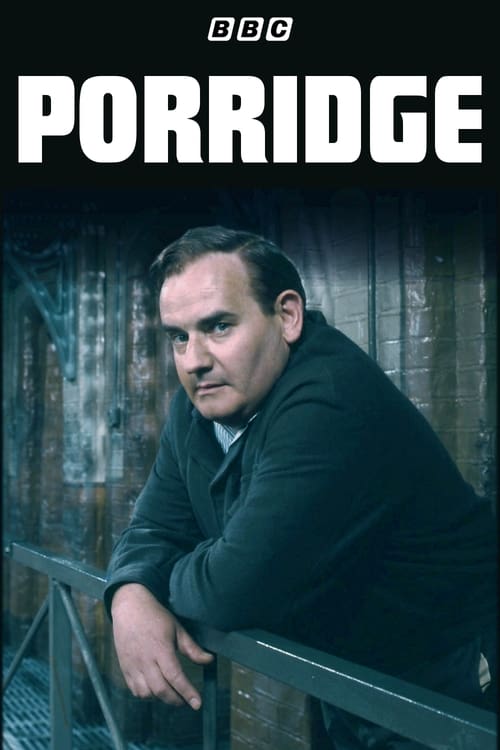
Porridge is a British situation comedy broadcast on BBC1 from 1974 to 1977, running for three series, two Christmas specials and a feature film also titled Porridge. Written by Dick Clement and Ian La Frenais, it stars Ronnie Barker and Richard Beckinsale as two inmates at the fictional HMP Slade in Cumberland. "Doing porridge" is British slang for serving a prison sentence, porridge once being the traditional breakfast in UK prisons. The series was followed by a 1978 sequel, Going Straight, which established that Fletcher would not be going back to prison again. Porridge was voted number seven in a 2004 BBC poll of the 100 greatest British sitcoms.
Porridge
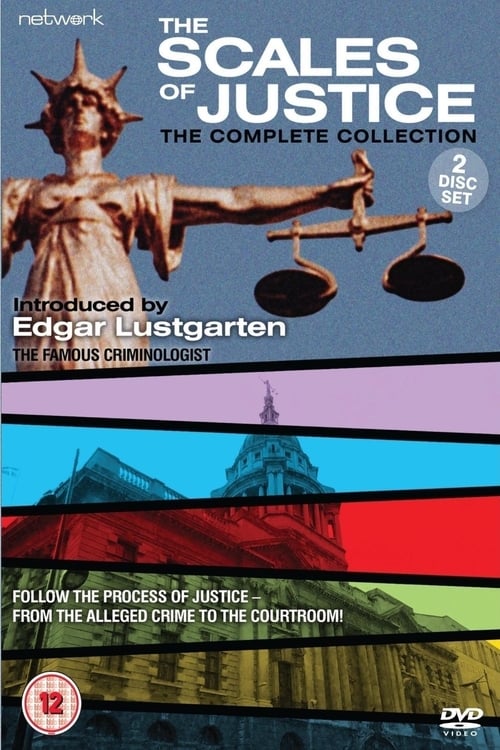
The Scales of Justice is a series of thirteen British cinema featurettes produced from 1962 to 1967 for Anglo-Amalgamated at Merton Park Studios in London. The first nine were made in black and white, and the last four in colour. The finale, Payment in Kind, was Merton Park's final production. Episodes were based on criminal cases, and each film was introduced by criminologist Edgar Lustgarten. The series derives its title from the symbolic scales held by the statue of Justice, situated above the dome of London's Central Criminal Court, The Old Bailey. The opening narration describes her as having "in her right hand, the Sword of Power and Retribution, and in her left – The Scales of Justice".
The Scales of Justice
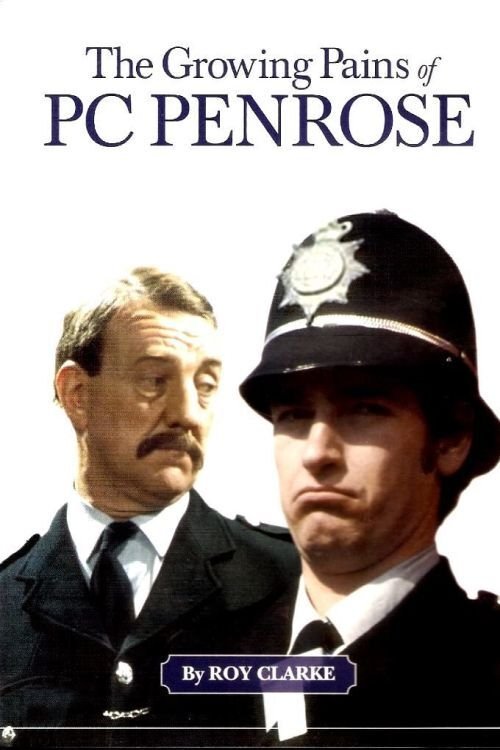
Earnest new recruit PC Penrose has left his hometown and joined the force in the Yorkshire town of Slagcaster. He's young and naive but seasoned officer Sergeant Flagg takes him under his wing and shows him the ropes, though his methods can be a little unconventional.
The Growing Pains of PC Penrose
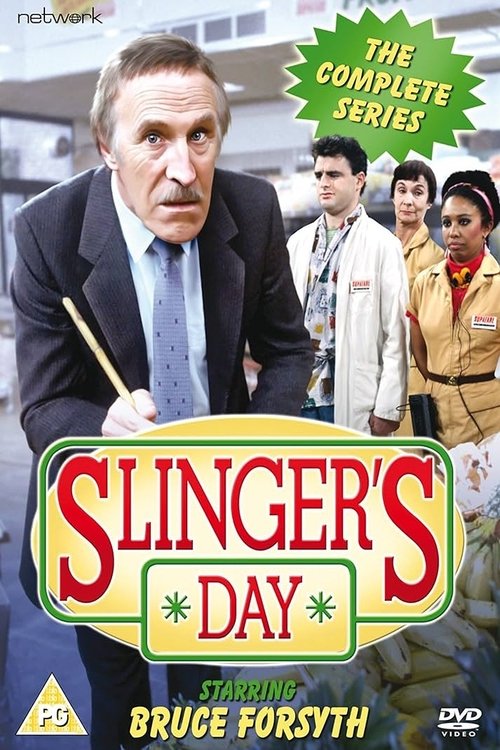
Slinger's Day is a British sitcom created by Brian Cooke and produced by Thames Television for ITV. A continuation of Tripper's Day, which had come to a natural end due to a combination of star Leonard Rossiter's death and an overwhelmingly negative response, Bruce Forsyth plays a different character to Norman Tripper but fulfilling the same role, that of the manager of a Supafare supermarket with a team of incompetent eccentrics. Several cast members from Tripper's Day reprised their roles in the first series but departed in the second, allowing for new characters. Broadcast for two six-episode runs from 1986–87, Slinger's Day represented Forsyth's sole situation comedy acting role, and he remained more associated with stand-up and game shows.
Slinger's Day
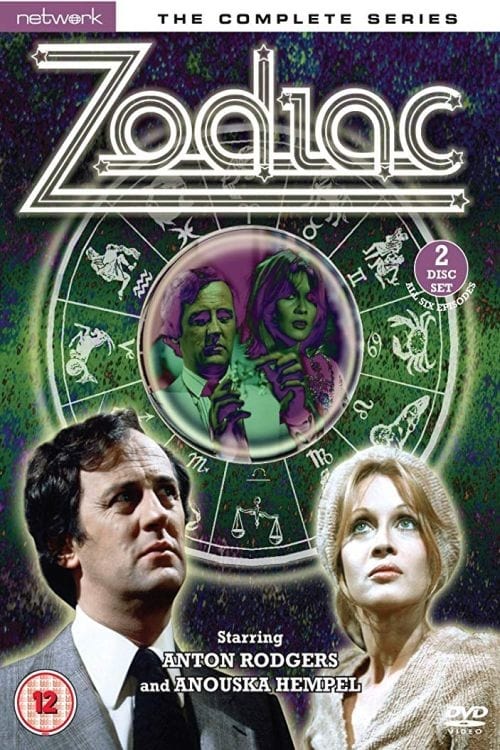
Zodiac was a six-part series transmitted by ITV in 1974. Starring Anton Rogers and Anouska Hempel as cynical detective David Gradley and his astrologer associate Esther Jones, the unusual astrological premise set this show apart from the humdrum detective dramas of the time. Little seen since its original broadcast, the series has garnered something of a cult status.
Zodiac
An anthology of half-hour standalone situation comedies starring British comedian Jimmy Edwards in various roles alongside guest stars.
Faces of Jim
A quintessentially British comedy-of-manners. Based at the fictional Yeovil College of Lifemanship, Richard Briers plays Stephen Potter and is joined by Peter Jones as the snooty Gatling-Fenn and Frederick Jaeger, complete with monocle, playing Cogg-Willoughby. "The world is divided into two types of people," Potter says, "winners and losers, the one-up and the one-down. He who is not one-up is surely one-down".
One-Upmanship
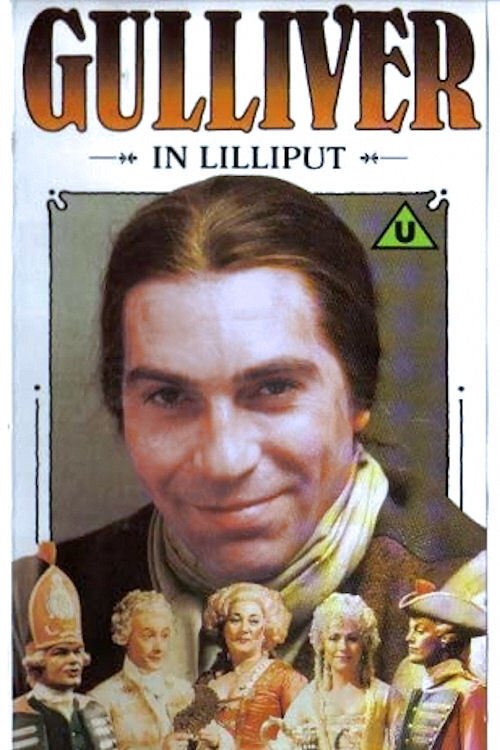
Gulliver washes ashore on Lilliput and attempts to prevent war between that tiny kingdom and its equally minuscule rival Blefuscu.
Gulliver in Lilliput
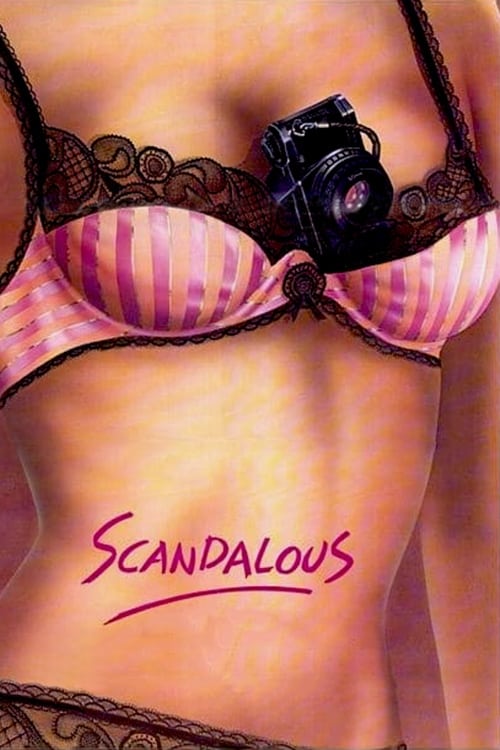
An investigative reporter following an espionage story goes to London and gets involved with murder, scam artists and rock concerts.
Scandalous
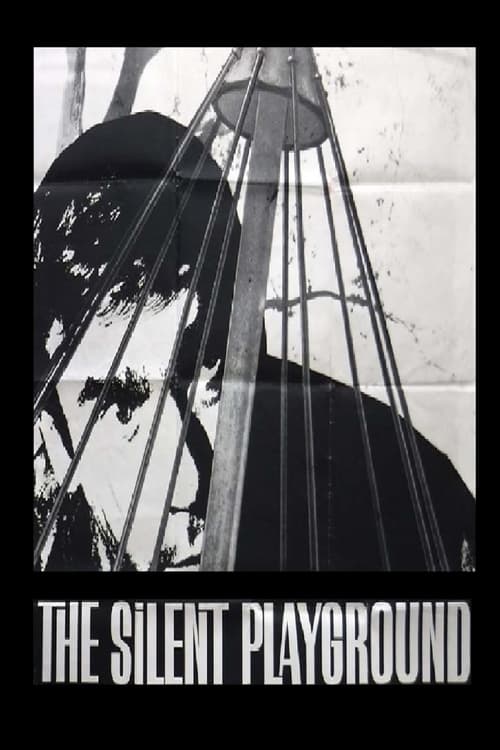
Police hunt for mental hospital out patient Simon Lacey, who has been unwittingly handing out barbiturates to children as sweets.
The Silent Playground
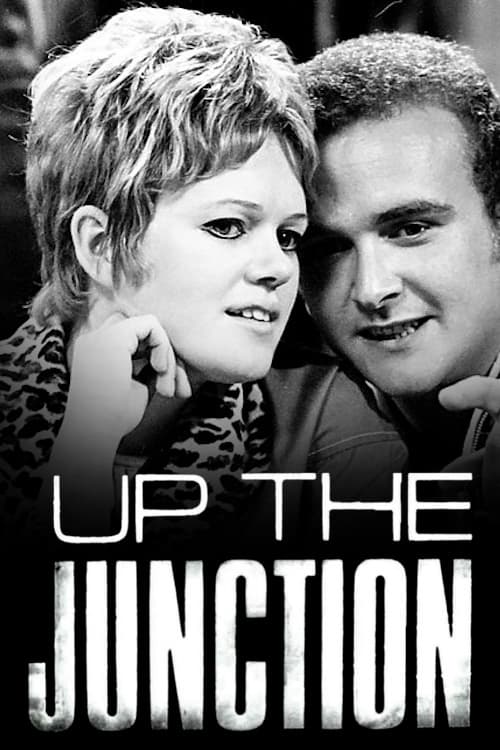
The lives and loves of three young working class women, set in the pubs, terraced houses and factories of Battersea, South London.
Up the Junction
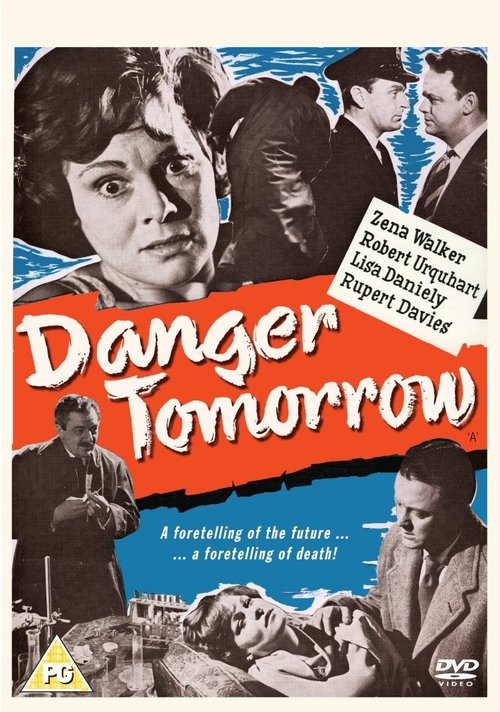
A woman with extra-sensory perception has a vision of a murder.