Macário
Directing
Known For

No description available.
Tecnoismo

No description available.
Ancestrais

Monã faces a sensorial and spiritual journey, guided by Exu and by her ancestors, facing her fears, tearing the veils of whiteness and going through a rebirth at the crossroads that molds her identity.
Monã

It is a film that delves into the complexities of love and the power of self-love. The story follows the experiences of a black queer person living in Bahia, Brazil, as they navigate their passions, personal conflicts, and growth. The film challenges the conventional notion of love, suggesting that to un-love, one must first love. It explores the idea that there is more love in DesAmor (un-love) than in traditional love, and that self-love is a crucial aspect of this process. The protagonist's journey is one of self-discovery, as they learn to prioritize their own needs and desires, even when it means letting go of romantic relationships that no longer serve them. Through the ups and downs of their personal journey, they come to understand that true love begins with loving oneself.
DesAmor
A reinterpretation of the process of arrival of enslaved blacks in Rio de Janeiro, filmed in Pequena Africa.
Pequena África
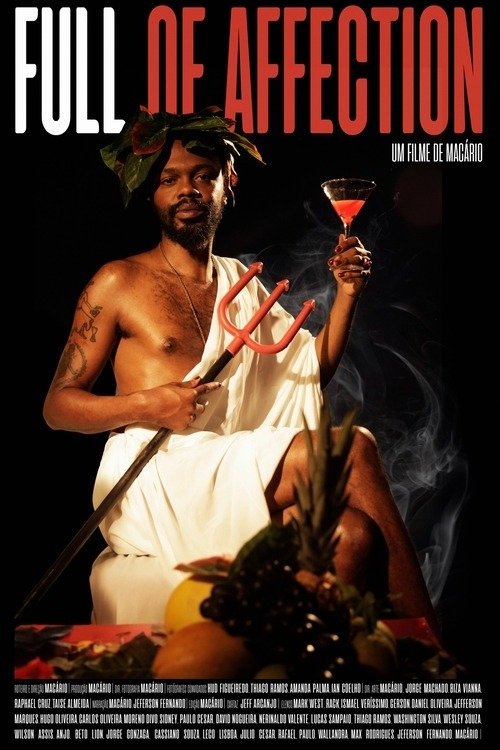
The exaltation of the black queer person's body is one of the most striking elements of Full Of Affection, which is not afraid to confront conservatism and patriarchal structures surrounding the theme of the body, especially when it comes to the body of an LGBTQIAP+ person. The film is an invitation to celebrate diversity and freedom, showing that all bodies deserve to be loved and respected, regardless of their shape, size, or color. Full Of Affection is a film that challenges the conventions of traditional documentary and offers an intense and emotional cinematic experience that will certainly be memorable for the viewer.
Full of Affection
The fictional documentary addresses the relationship between mother and child and the subsistence difficulties of peripheral black geographic or social families. With reports of black women-mothers from the favelas of Maré who tell their stories of positioning, resistance and losses. (Re) building an anachronistic narrative, familiar to all peoples belonging to the black diaspora.