Directing
The Great Unity of the new Generation of Chinese modern Artists since 21st Century. 50 new Chinese artists of new Generation came to Xinglong County, Hebei Province, where is 110 kilometers away from Beijing. Here, they have given their own answers to the same question: what is art? Through focusing on varied perspectives of emerging artists on creating, how the environment impacts them and challenges artist are experiencing and have experienced from art itself and society. Artists demonstrate the complex relationship between art, environment, art creating and individuals, and they are intended to deepen an eternal question –What is art?
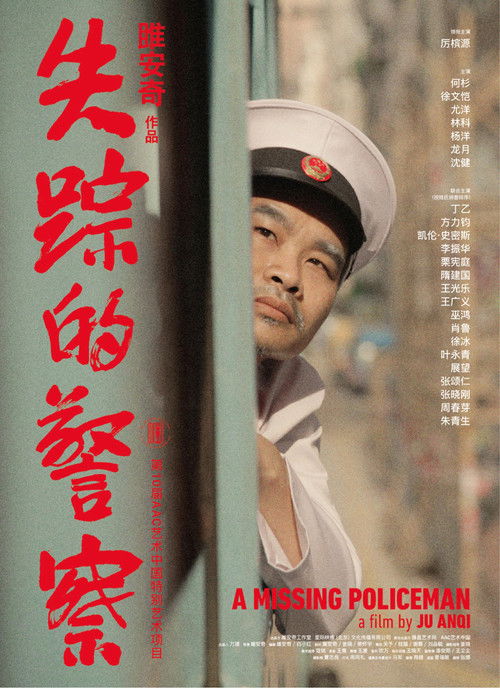
Beijing, Summer 1983. A group of young artists gathers in the hutongs for a dance party at the home of one of their friends when a policeman happens upon the scene. In the rigid times just after the Cultural Revolution, harsh punishments were dealt to those participating in activities deemed illegal. Several others had already been sentenced to execution by firing squad or been dealt life without parole for hosting similar parties. The policeman insists on arresting the young artists, and in a fit of panic, they beat him unconscious, deciding later to dig an underground prison where they keep him from then on. For thirty-three years, the artists guard the policeman in shifts. Over these thirty-three years, China goes through a massive transformation unbeknownst to the policeman until the summer of 2016 when he escapes…
A failed actor found his wife is cheating with a failed director.
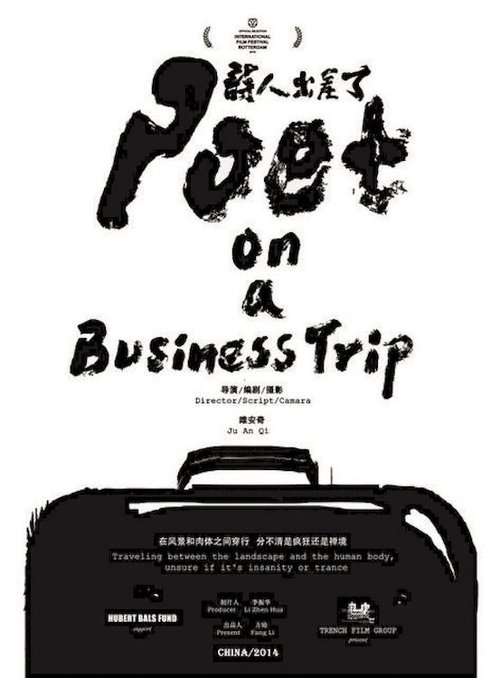
In 2002, Ju Anqi made a film about a tour by the poet Shu through Xinjiang, the most western-lying, autonomous Uyghur province of China. All that we know about Shu is that he plays a poet who sends himself on a business trip - an absurd, satirical starting point that sets the tone for the film. For a variety of reasons, it was not until 2013 that Ju started editing the rough, lyrical material that he had shot in what is now a very restless Xinjiang: it's like an excellent wine that has had time to mature. Structured around 16 poems which he wrote on the road, Shu’s physically exhausting journey takes him along endless rocky roads, passing shabby inns and through impressive landscapes from one prostitute to the next. In its documentary authenticity, Poet on a Business Trip is also an historic document that exudes an atmosphere of loss, providing an unsentimental yet melancholy glimpse of a country in transition and a mirror for the existential irreversibility of time. (c) iffr.com
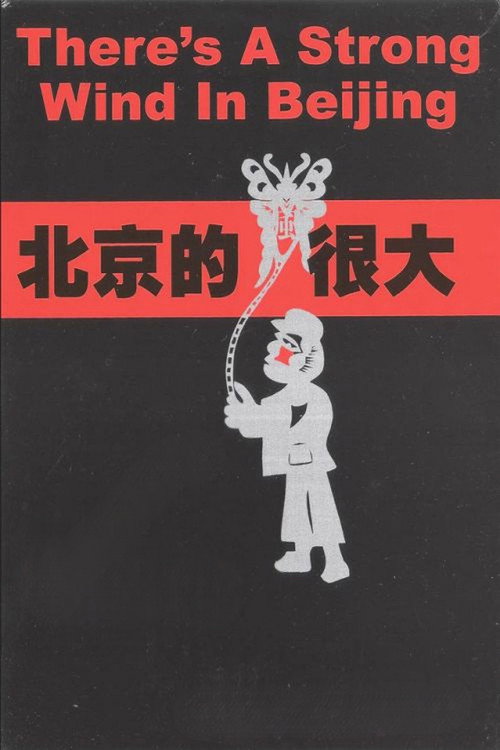
Documentary giving a sense of the feelings and attitudes of the residents of Beijing.
China today resembles night - filled with imagination. For a long period of time China was a country that did not like to discuss darkness or night. For decades the "Red Sun" was the most direct form of allowed imagination. Under today's sun office buildings and construction sights dominate one's vision. But in the evening everything changes, and you can see the spiritual life of the people. Evenings everywhere provide us with an opportunity to see ourselves, as through a mirror's reflection. In the evenings humanity is always more sensitive and vulnerable. In its darkness we are cloaked in intimacy and obscurity. All through the day, people work hard to put on and maintain appearances, and daytime resembles a stage on which people perform. Yet during the evening we are able to wander backstage.
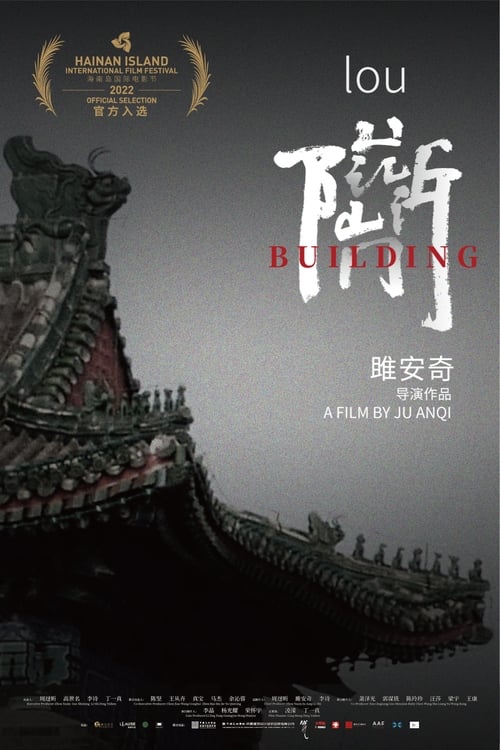
The first documentary of the "Chinese Architectural Heritage Trilogy" directed by Ju Anqi. It focuses on the conservation and revitalization of architectural heritage in Chinese metropolitan cities. Over the past two years, Ju Anqi has interviewed more than 80 internationally acclaimed architects, experts, scholars, and practitioners with successful experience in architectural revitalization. He filmed the current protection and revitalization of old Chinese buildings with an artistic style. With 300,000 words of interviews and 3000 hours of footage, Building is by far the largest visual record on the issue of architectural heritage conservation during the rapid urbanization in China.
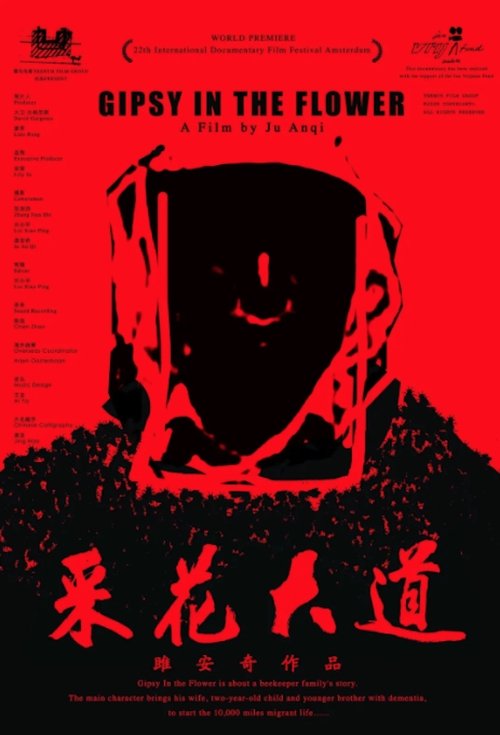
In China, there have some people make a living from raising bees who have been named Gipsy. At the season of flowers open, wherever in China, from the south to the north you may see these people on the traveling way, in the mountain valley , in the village, and on the prairie. You always see them staying with the flowers. It has been doomed that their whole lives will be on the road.
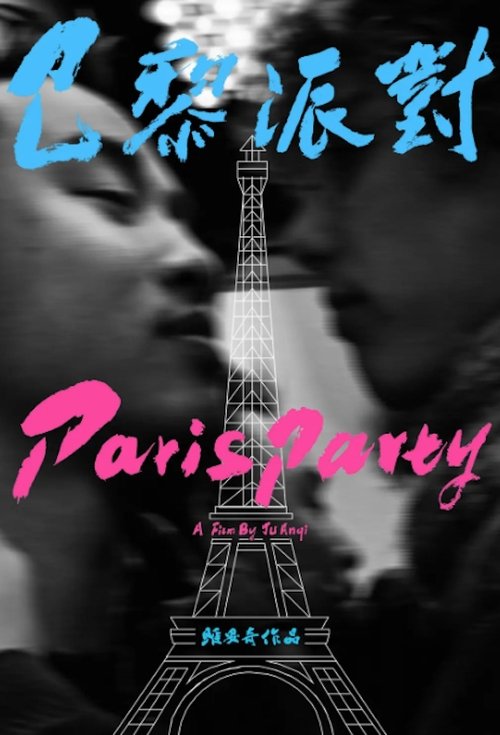
The Chinese youth living in Paris, Ajiao (played by Chen Jieyuan), was awakened by a phone call in the morning, and the other party had to eat boiled beef and ravioli ... The house became a Chinese party. At the moment, he is a chef. He wants to go out and buy beef and vegetables.
Ju Anqi traveled all over China looking for interesting quilts and stories of people sleeping under them.