
Ge Yan
Sound
Known For
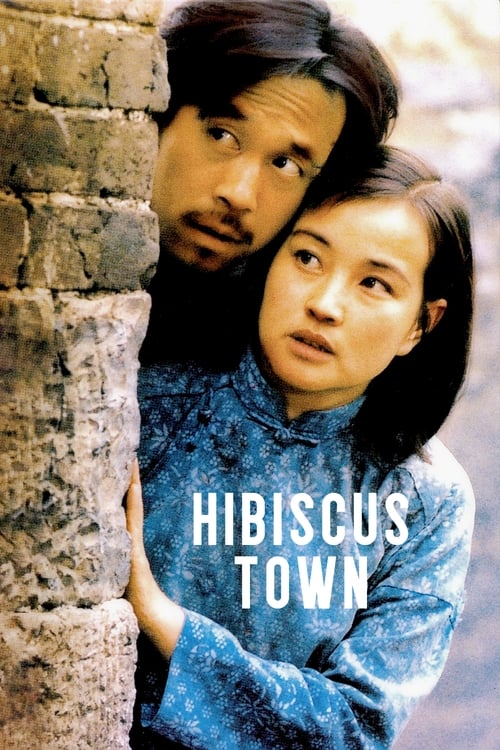
Based on a novel by the same name written by Gu Hua, a melodrama about the life and travails of a young woman who lives through the turmoil of the Cultural Revolution.
Hibiscus Town
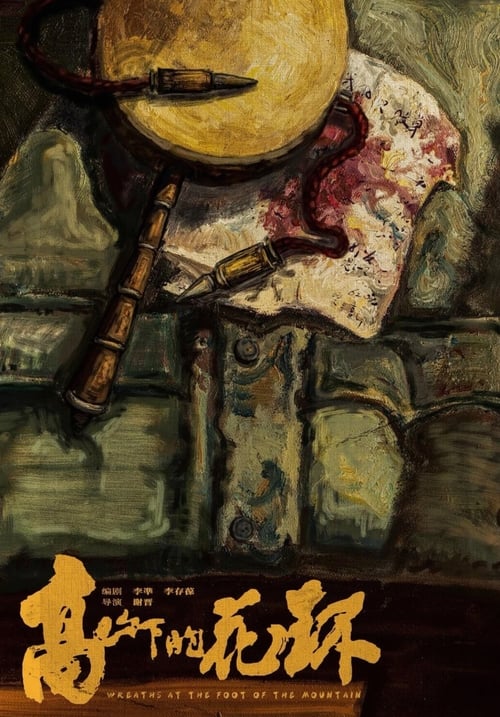
Wreaths at the Foot of the Mountain is a 1984 Chinese film about the life of the soldiers in a PLA army company before, during and after the Sino-Vietnamese War.
Wreaths at the Foot of the Mountain
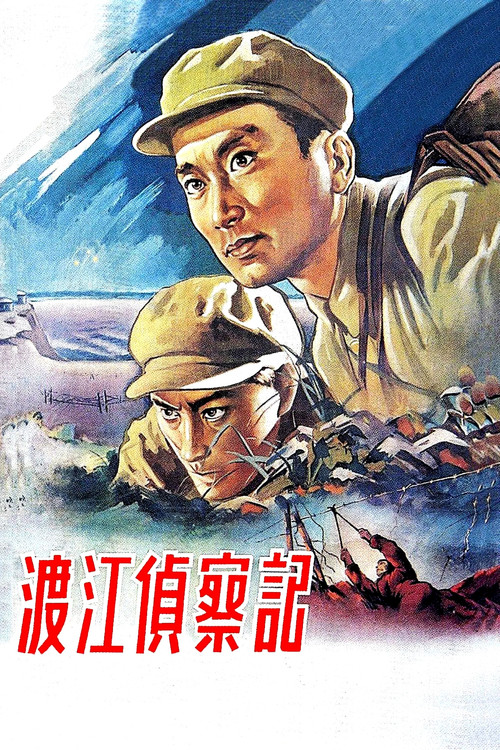
In the spring of 1949, a war is about to happen between the Liberation Army and Kuomintang Army on the Yangtze River. The Liberation Army dispatches a reconnaissance to scout the southern parts of the River, whose work is actually full of hardships and dangers. However, with the help of the local crowd and the guerrillas, finally, the members of the reconnaissance succeed in the commission and offer valuable information to the Liberation Army, making great contributions in the war.
Reconnaissance Across The Yangtze
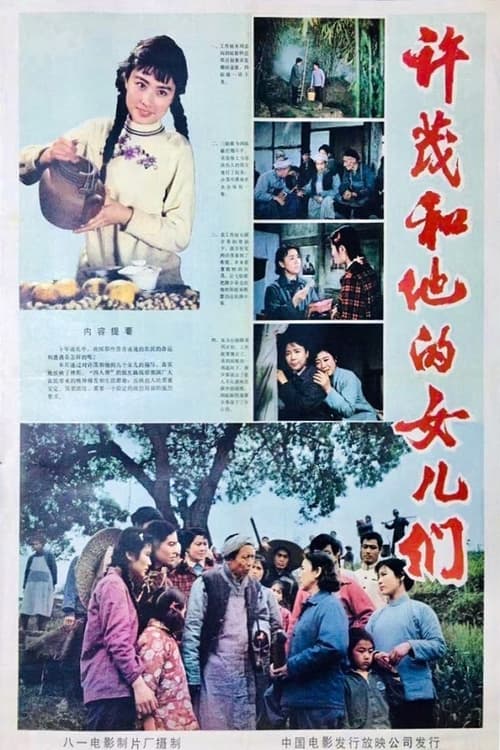
Based on Zhou Keqin's excellent novel, Xu Mao and His Daughters weaves a story about the life and sufferings of Xu Mao, an aging peasant and his four daughters in the countryside during the Cultural Revolution. They struggle to make ends meet since his wife's death. Preoccupied with worries, he loses touch with his maturing daughters. It takes the stubborn but kindly intervention of a woman making a governmental inspection tour to cause father and daughters to appreciate their loving family.
Xu Mao and His Daughters
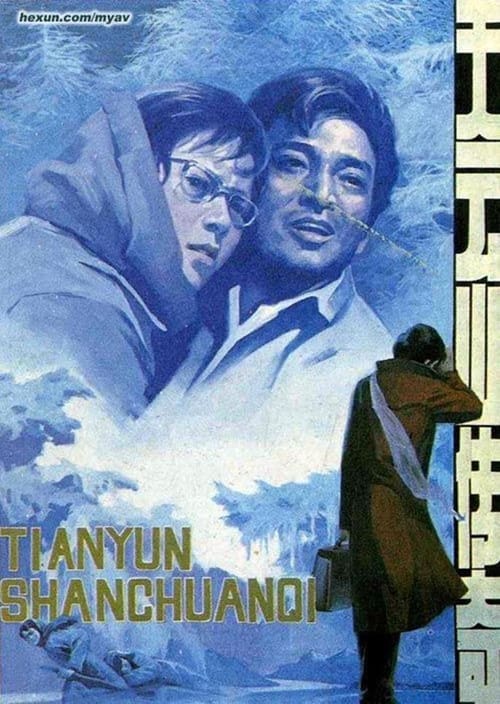
When Song Wei's fiancee Luo Qun is denounced as a right-wing traitor by Party official Wu Yao, he is sentenced to ten years' hard labor. Song Wei breaks off her engagement, and eventually marries Wu Yao. Years later, after the Cultural Revolution, political currents have shifted; Song Wei demands that her husband, now a powerful Party official, seek Luo Qun's rehabilitation, but Wu Yao has no desire to open up old political and emotional wounds.
Legend of Tianyun Mountain
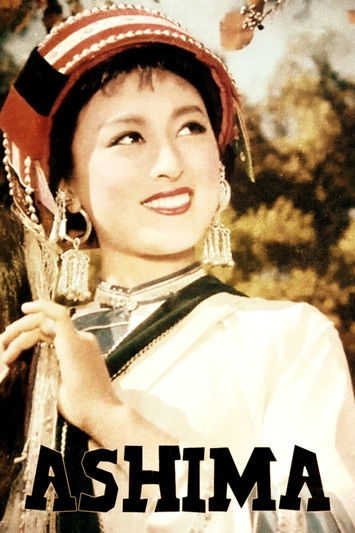
In a small village in China's Yunnan province, the romance between Ashima and Ahei is threatened by the interference of the heir to a powerful clan.
Ashima
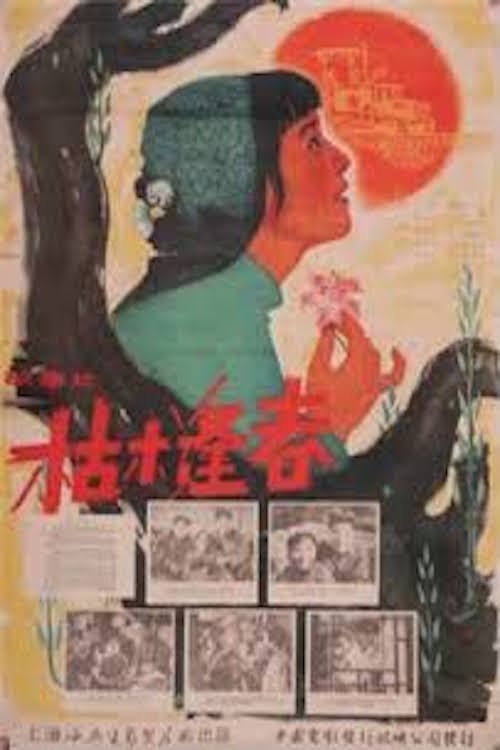
A critical hit during one of China’s most politically charged periods, Zheng’s follow-up to his 1959 anniversary epics merged Soviet-style socialist realism with his own breakthroughs in film technique, specifically his use of continuous camera movement in the spirit of traditional Chinese scrolls. Tractor-kino at its finest, the film revolves around two rural lovers—one struck with a deadly disease—and their eventual survival thanks to socialist medical advances.
A Withered Tree Meets Spring
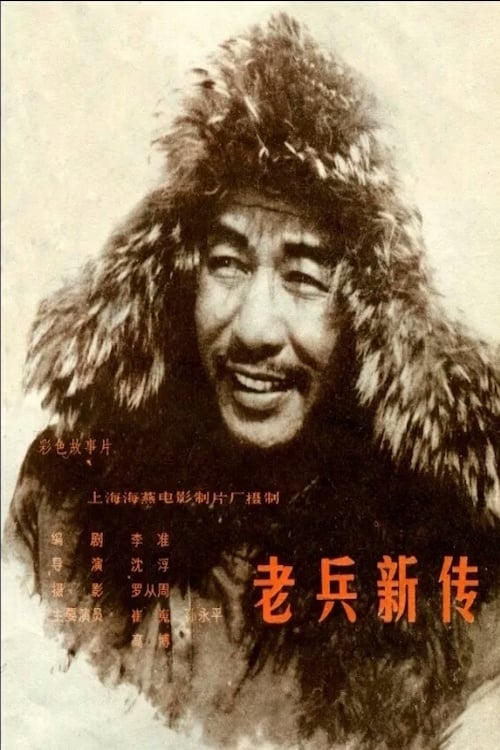
A soldier finds his new role in the transition from war time to the construction era.
New Story of an Old Soldier
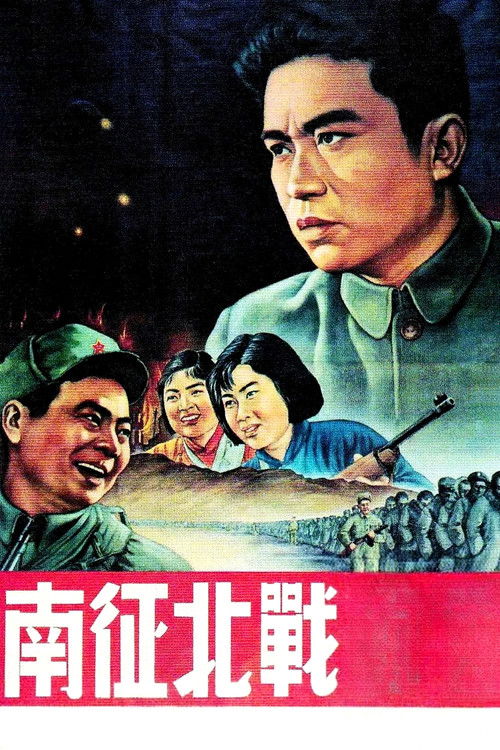
In 1947, the Chinese Red Army sets a trap for the Nationalist forces in Jiangsu province.
From Victory to Victory
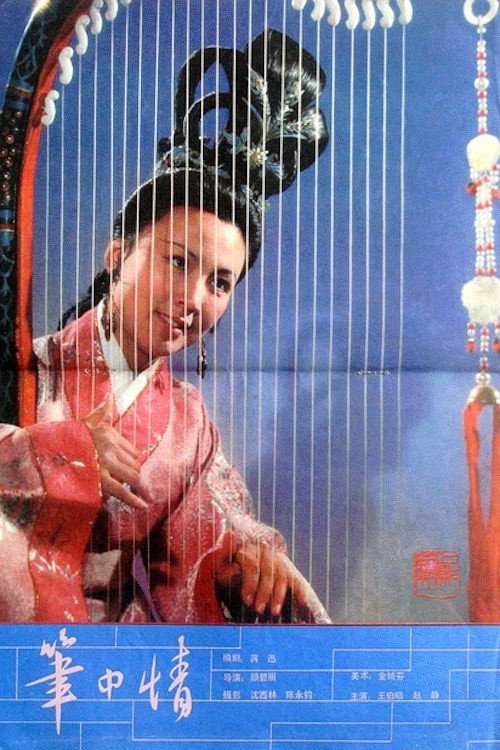
Love story of a young calligrapher and the daughter of a supreme government official in ancient China.
Romance of a Calligrapher
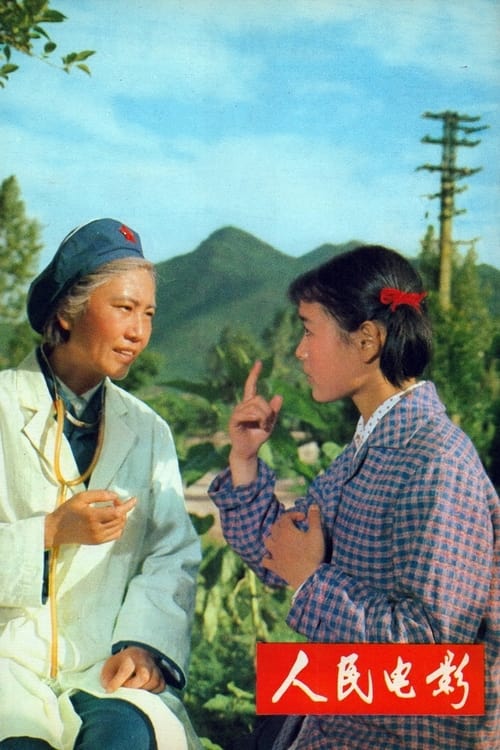
After her senses are surgically restored, a formerly deaf mute teenager enlists in the army and is assigned to communications work. But her inexperience with even such simple tasks as answering a telephone lead her supervisor to conclude she is incompetent, and try to have her reassigned. However, a courageous action by another soldier leads him to reevaluate his judgment.
Youth
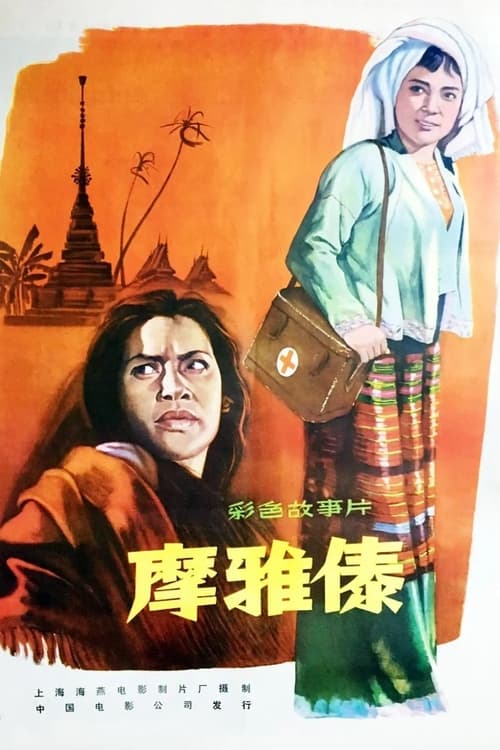
In the center of the story is the story of a young girl from the Dai nation, who, despite gossip and accusations of witchcraft, becomes a successful doctor and finds happiness in her personal life.
The Witch Who Becomes a Doctor
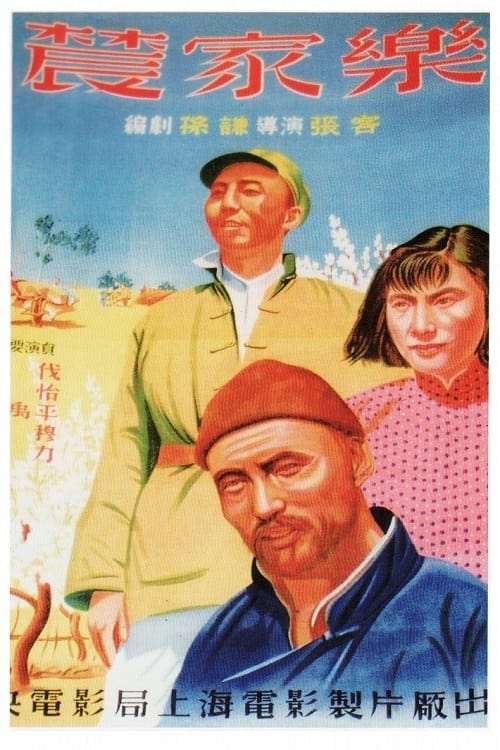
Set in a village in north China, a veteran leads villagers to raise productivity by scientific methods.
Happiness of Farmers

Women play a heroic role in the Volunteer Army fighting the Japanese in the puppet state of Manchukuo.
Daughters of China
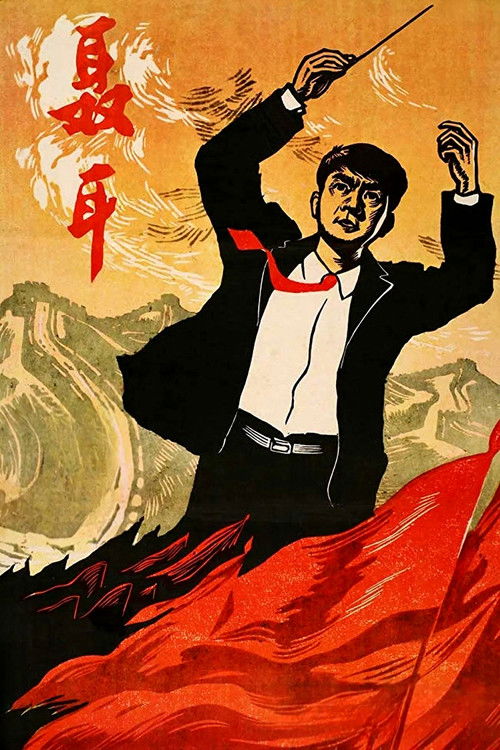
Shot in gorgeous color, this fascinating communist flipside to fifties Hollywood music biopics chronicles the life and tragic early death of Nie Er, the composer of the PRC’s national anthem.
Nie Er

No description available.