Acting
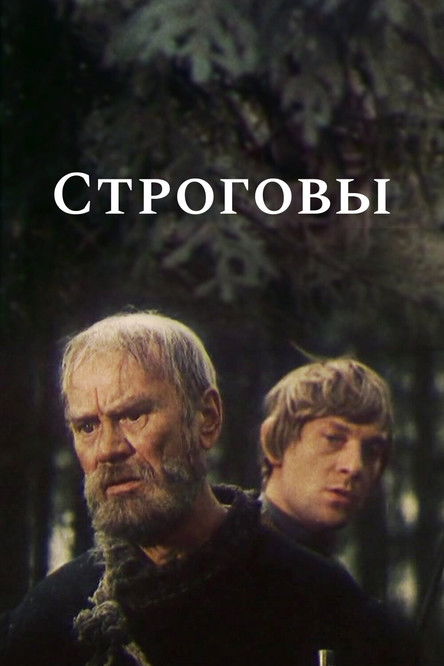
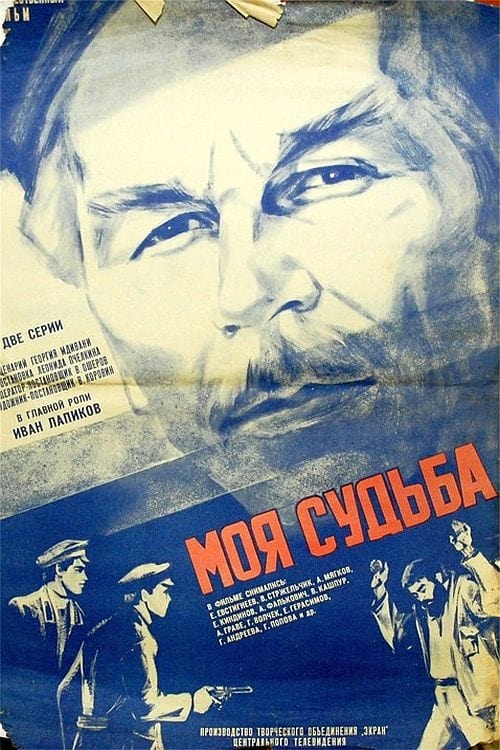
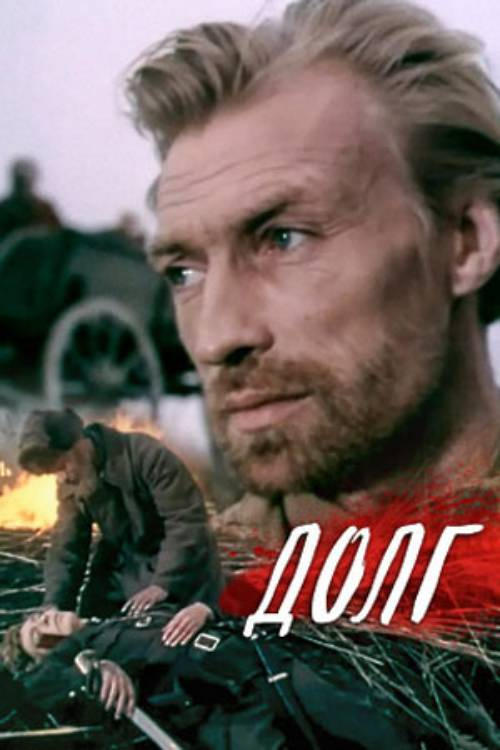
In the Siberian taiga village of Wolf's Burrows, the Strogov family lives — Matvey with his wife Anna and his parents. Through the fate of this peasant family, a picture of the life of the Siberian region during major historical events — the Russo-Japanese War, the 1905 Revolution, the October Revolution of 1917 and the Civil War is outlined.
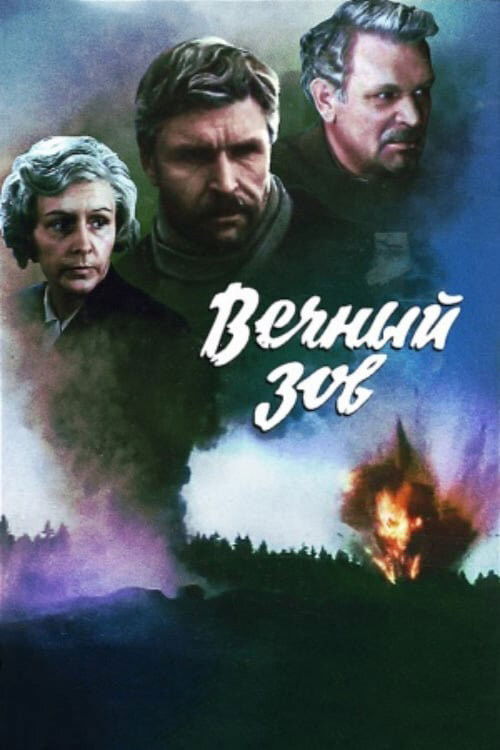
A saga about the life of the Siberian Savelyev family during the period 1902 through the 1960s as they survive through three wars, a revolution, and Soviet government approval.
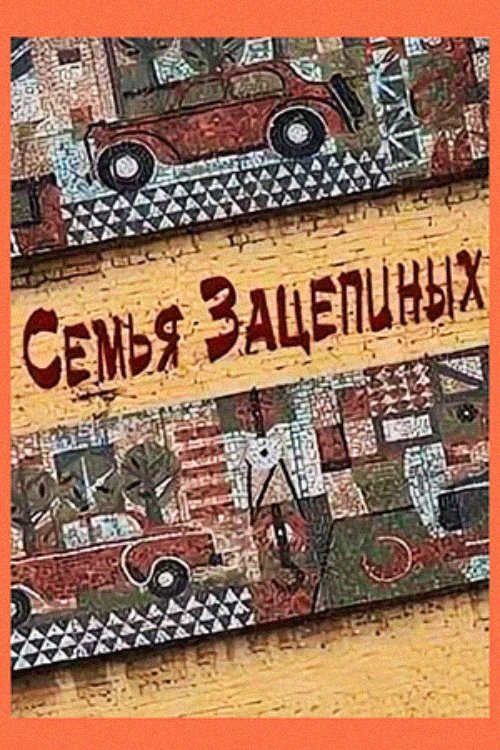
A film about the large Zaetsepin family, who work at an automobile factory. It explores the relationships between parents and children, and how the fates of the young Zaetsepins have unfolded.
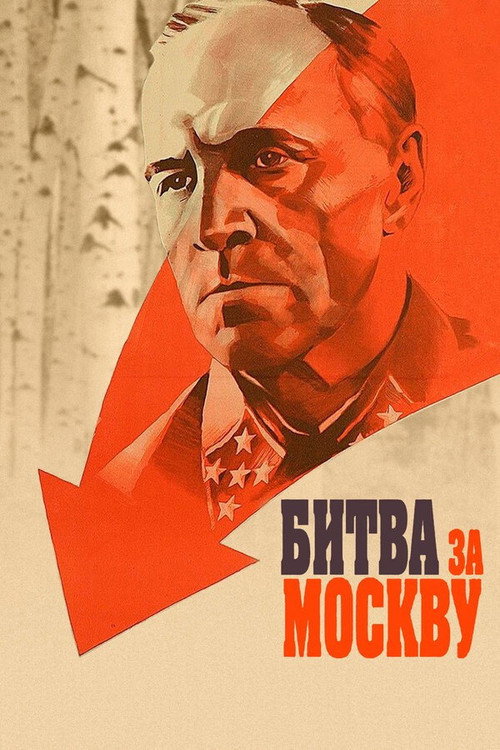
The Battle of Moscow is a 1985 Soviet multi-part war narrative, presenting a dramatized account of the 1941 Battle of Moscow and the events preceding it. The battle was the first major defeat of German Wehrmacht in the Second World War.
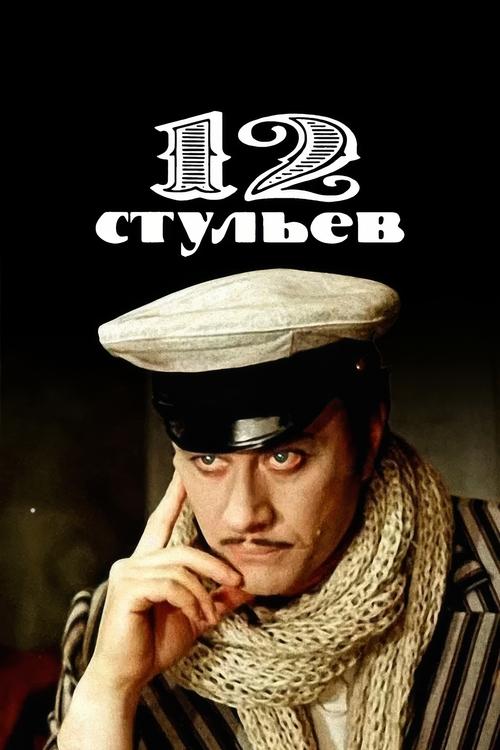
Set in late-1920s Soviet Union, Ostap Bender and Ippolit "Kisa" Vorobyaninov are after a stash of diamonds hidden in one of the chairs in 12-chair set. They are forced to go on a cross-country chase when the chairs are auctioned off.
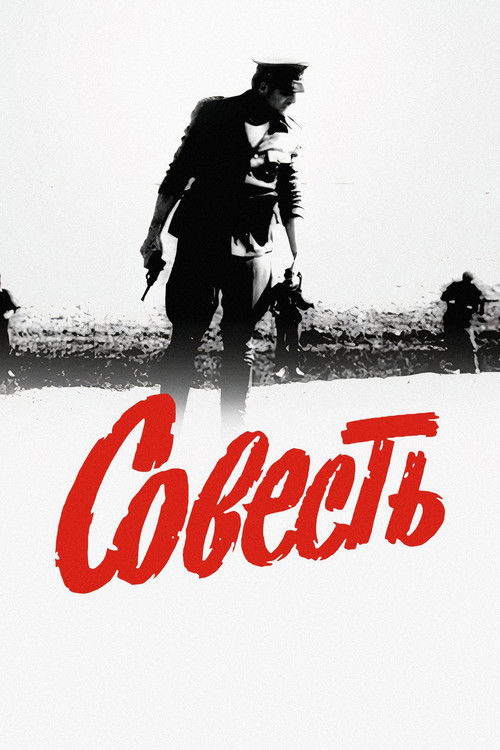
High school student Sergei Krasheninnikov (Krosh) once, quite by accident, meets Vladimir Nikolayevich, an interesting man and collector of netsuke. But soon Krosh discovers that behind this man's open friendliness and decency lie completely opposite qualities. Unwittingly becoming involved in the fanatical collector's devious schemes, Krosh, following his conscience, rushes to untangle and rectify the tense situation.
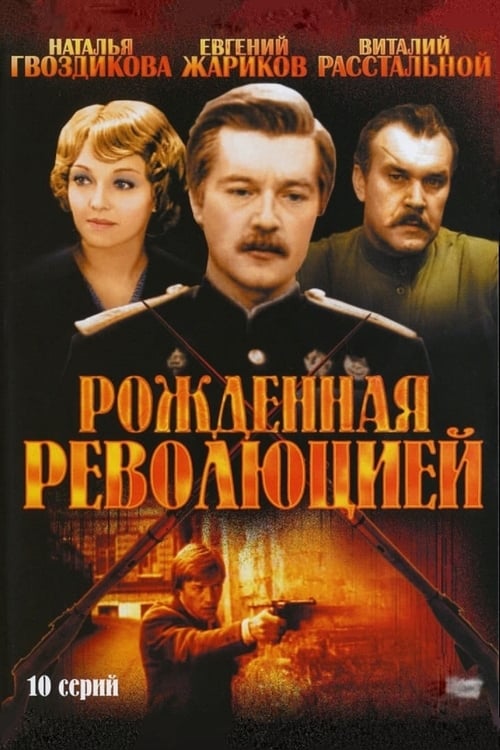
About the struggle between criminal investigators and the criminal world. Based on real events and documents, the film recreates the atmosphere of 1920s Russia, which was swept by a wave of violence... At the heart of the story is the fate and career of a young man who, together with his comrades, is about to make history in Soviet criminal investigation...
No description available.
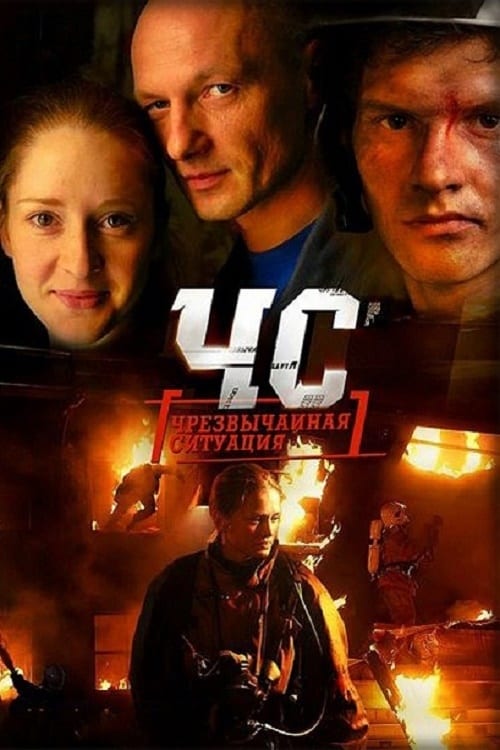
Mikhail Nikolaevich Ermakov has come a long and difficult life path. At the age of nineteen, the student, the son of a worker, was sent on a Komsomol ticket to work in the Cheka. In one of the operations he was seriously wounded. And now, many years later, General Ermakov comes to Moscow and settles in the house where he spent his youth...
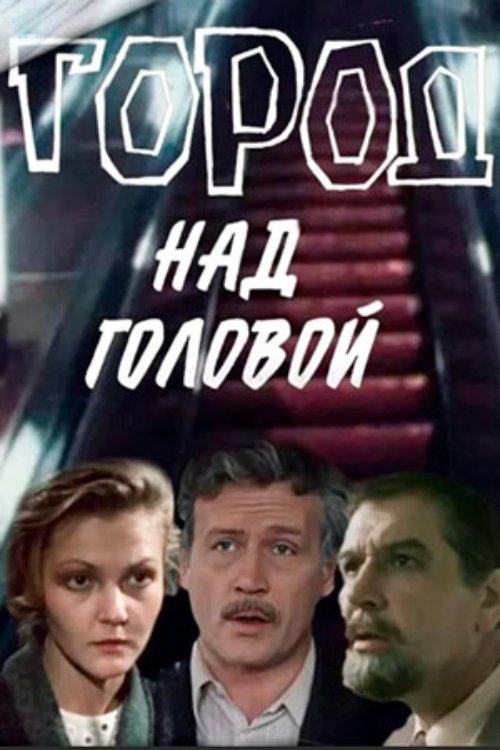
The famous engineer Sergey Volgin developed the project for the Moscow Metro. His design was rejected by the Tsarist officials. However, the project didn't get lost among the millions of other proposals.
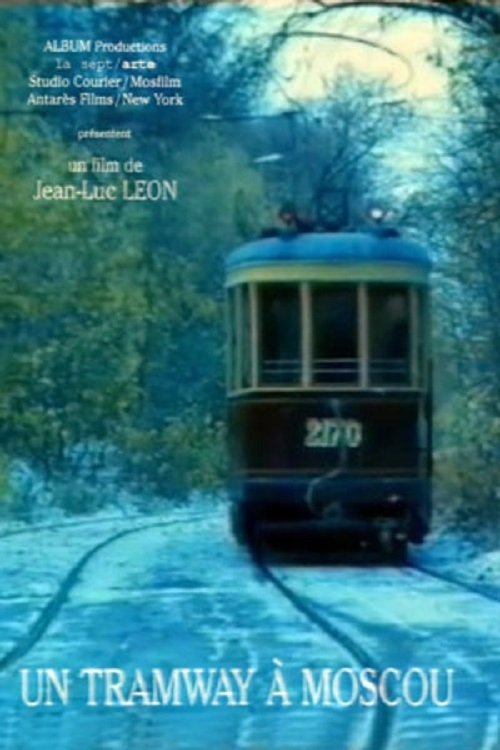
In Moscow, the trams have been privatized. “Annushka” is making its final run. The tram driver, Liza, is nervous — her son might be drafted into the army. Boris, a veteran, tries to calm her down. He enjoys riding the tram, striking up candid conversations with strangers.
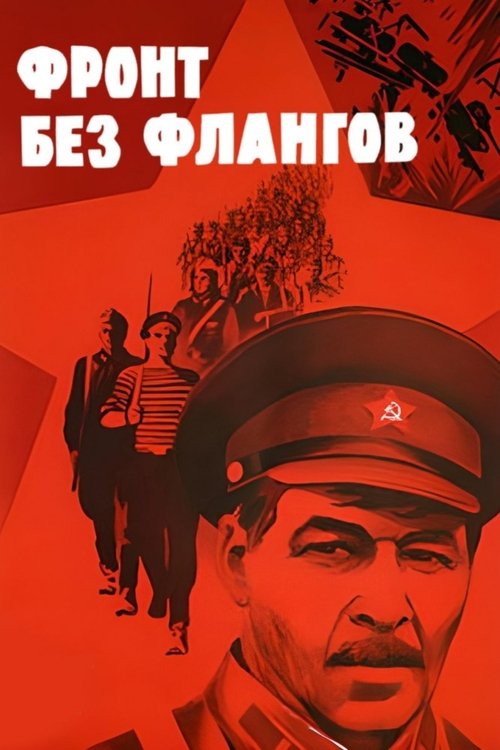
Commissar Selivanov and several Red Army soldiers manage to escape from captivity. They are being pursued by the White Guards and Basmachi, led by a colonel who was released on parole by Selivanov.
A first episode in the trilogy about the Russian partisan's resistance against the Nazi occupation of Russia during WWII. The film is set in August of 1941, when the Nazi forces invaded and occupied the European part of Russia. Major Mlynsky is in charge of the special group of partisans. His group is absorbing other small groups of Russian soldiers, who managed to survive from the attacks of the overwhelming Nazi forces. The Nazi Armies are advancing to Moscow. Major Mlynsky is organizing the Russian partisan's resistance against the Nazis, behind the enemy lines.
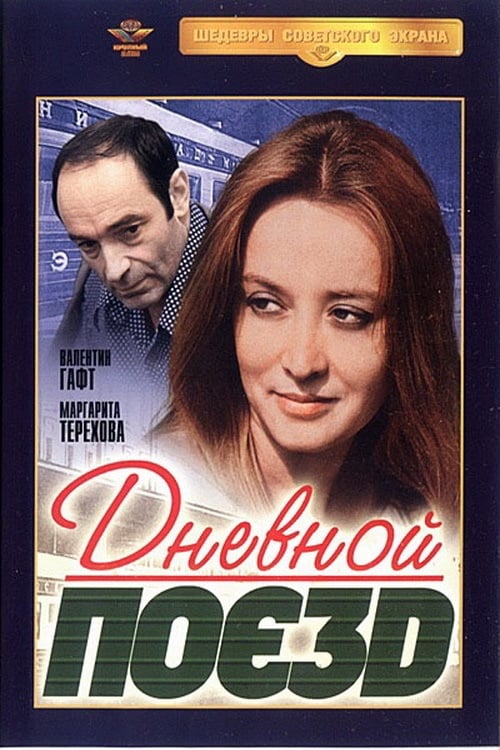
Two old friends living in Moscow and St. Petersburg are hoping to get their children married.
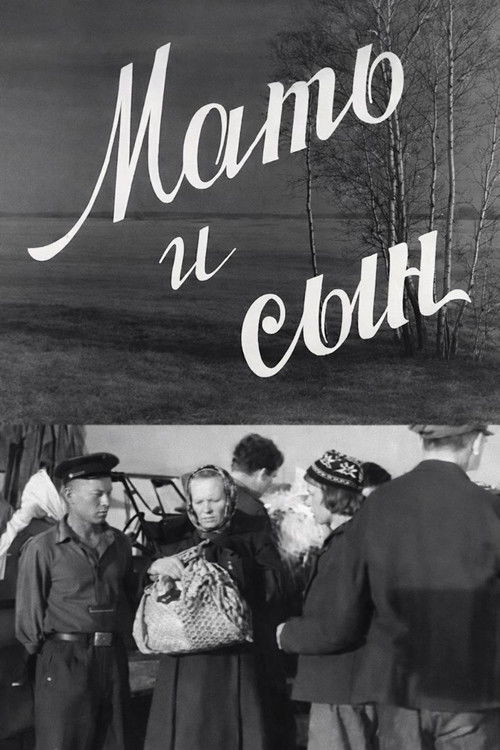
Grisha secretly leaves for the virgin lands without his mother’s permission. The young man quickly adapts to the new hardships and soon, despite his age, becomes one of the leaders of the brigade. Grisha’s mother, Pelageya Maksimovna, arrives at the virgin-land state farm to take her son home, but she ends up staying there and, with motherly love, cooks food for the young pioneers of the virgin lands, who become as dear to her as her own son.
Grekov, the chief engineer of the instrument—making plant, is looking for a way out of the difficult situation at the plant: suppliers fail - they have to resort to assault, technology is disrupted, and quality suffers. The Institute of Production Management Problems, to which Grekov is seeking help, suggests introducing a new, as yet untested automated control system at the plant. Grekov agrees, although his colleagues, as one, believe that he chose the wrong time for this.
On the participation of the intelligentsia in the revolution and post-revolutionary transformations of the Soviet country.
A second of a series of movies about Kovpak - the partisans chief during WWII.