Jaanus Nõgisto
Sound
Biography
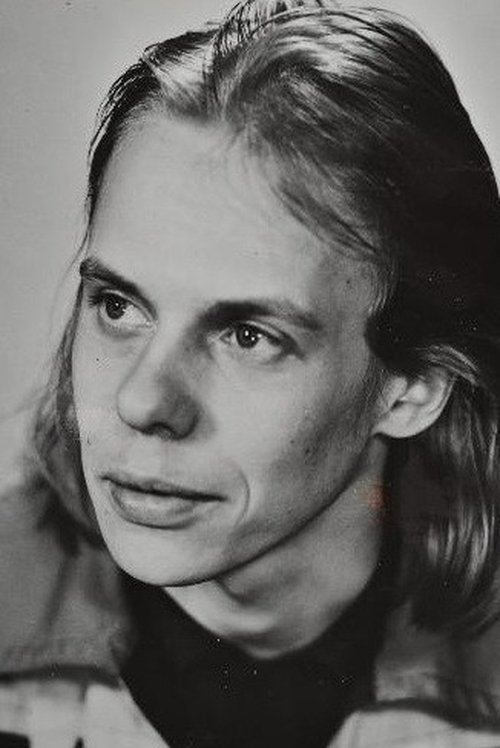
Jaanus Nõgisto (born January 21, 1956 in Tallinn) is an Estonian director, producer, composer and guitarist. Since 1982, he worked at Eesti Televisioon as the director of music and entertainment programs. In 2000, he created his own production company Reklaamirebased.
Known For

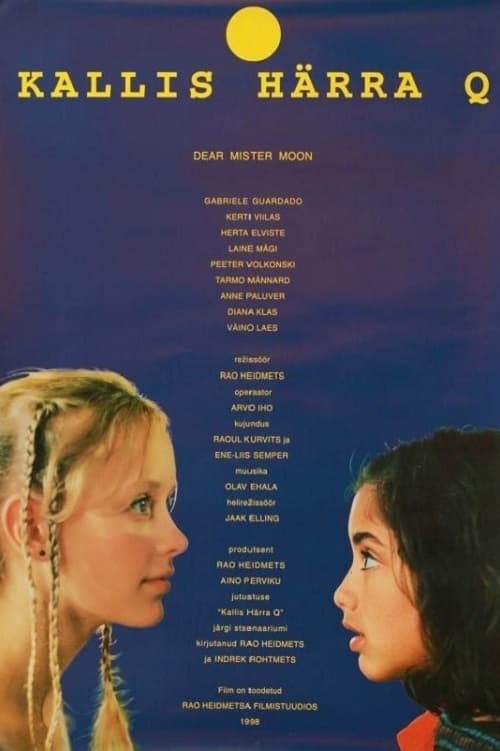
When two half-sisters, thirteen-year-old white-haired Sigrid and seven-year-old black-blooded Saara meet for the first time, it turns out that their common grandmother has been taken to a nursing home. The girls come up with the idea to steal him from there and hide him in the attic where they can be with her undisturbed. Everything goes well beyond expectations until drunkards, thugs and extortionists intervene and the girls have to act decisively to escape from them.
Dear Mister Moon

Keiser, the lead singer of a former rock group won't put up with approaching old age and decides to call his old band members together. Keiser's ambition is to return to the big stage with his buddies. Despite the initial resistance of other fellows, Keiser will be successful, at least partly so. It is a fast-paced comedy full of humor and consolation, telling the story about people who despite all obstacles strive for their goal.
Farts of Fury

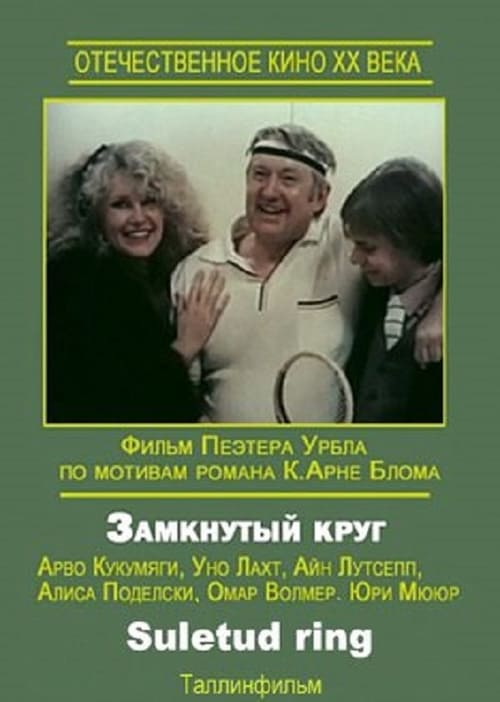
In a small Swedish town, the murder of Frome, the owner of a public relations research firm, takes place. A day later, his friend Touraine, the police commissioner leading the investigation, is killed...
Closed Circle

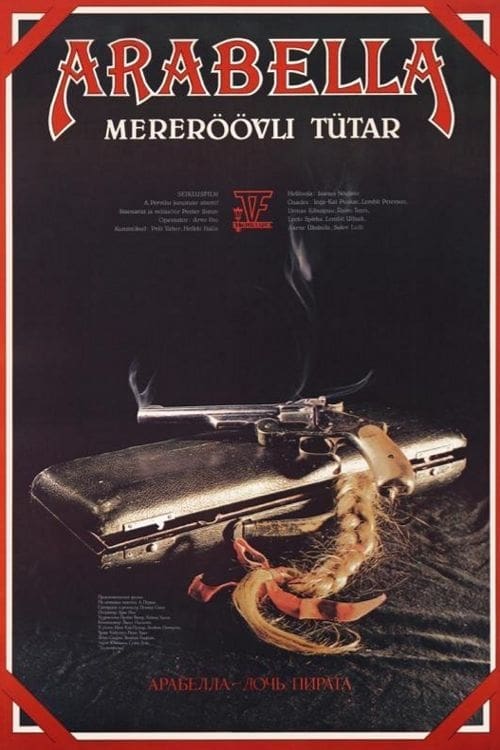
Arabella is a daughter of the world's most terrifying pirate captain. She loves her father but also dreams about a life of a usual girl. One day a weird stranger is saved from the sea who will be the only friend of Arabella. At the same time a rival pirate called Raudpats plans to kidnap the girl. Will she be safe and can she ever live a normal life?
Arabella, the Pirate's Daughter

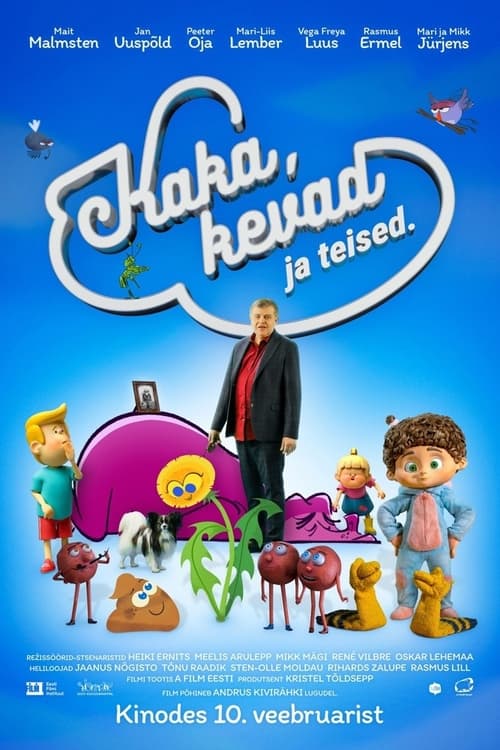
Based on Andrus Kivirähk's books "Poo and spring", "Carnival and Potato Salad" and "Ghost and Facebook", the film tells about longing, friendship, love, family and fears, which often have big eyes. The adventures of the strange characters are spiced with the characteristic warm and bold humor of Kivirähk, wittily weaving together the boundless fantasy of children and the living conditions of the modern world.
Poop, Spring and Others

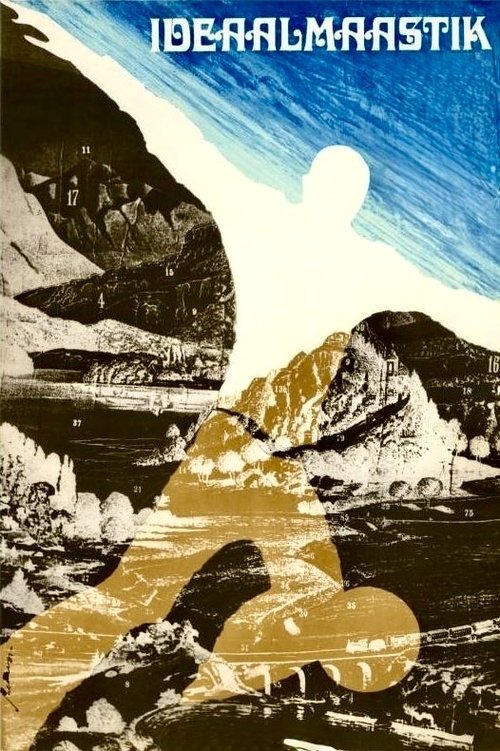
In post-World War II Estonia, Mait Kukemeri, an activist of the Young Communist League arrives to the Metsa collective farm in the back of a traveling cinema truck. As a commissary of the spring sowing, he has orders to usher all the people to the field, even if the water is high enough to soak your boots and the machines sink in the mud. Harald Tuvikene, the head of the farm, keeps dragging his feet, trying to pitch his peasant wisdom against the senseless demands of the central power. For the first time in his life, Kukemeri faces a real problem - does he do what's right or does he follow the party's inept commands in order to further his own career?
The Ideal Landscape

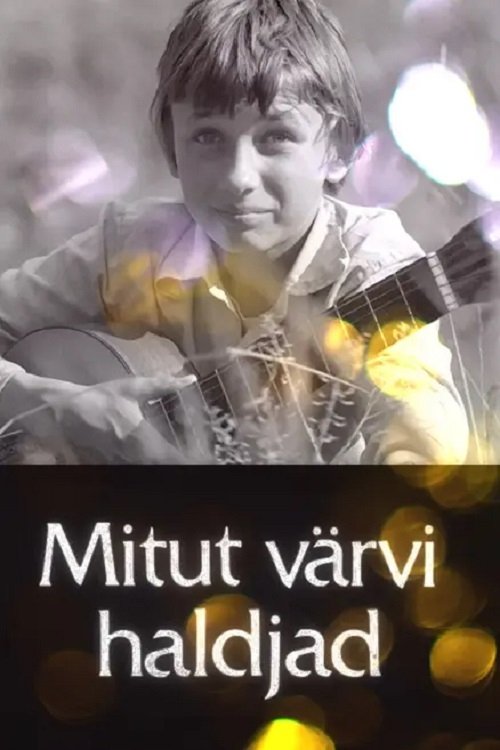
A cinematic narrative about the lives of emotionally hurt children whose destinies have brought them to the school for students with special educational needs.
Multicolored Fairies
"Tractus stellae – Herodes and the Three Wise Men", a liturgical drama based on the 11th Century manuscript, comes alive through images. The story of the birth of the holy infant in manifested through musical visions about king Herod and the premonition that the new king is about to be born in Judea. Performed by the band Hortus Musicus.
A Pitcher at a Spring

On August 20th of 2017 the legendary Estonian rock band Ruja was reunited. They performed for just one show at the Tallinn Song Festival Grounds. The event was the celebration of the 20th anniversary of the restoration of Estonian independence. The original members of the band were joined by Estonia’s most talented instrumentalists and singers. The pairing produced a powerful and engaging concert that created an unforgettable experience for everyone attending it.
Estonian Soil and Estonian Ruja

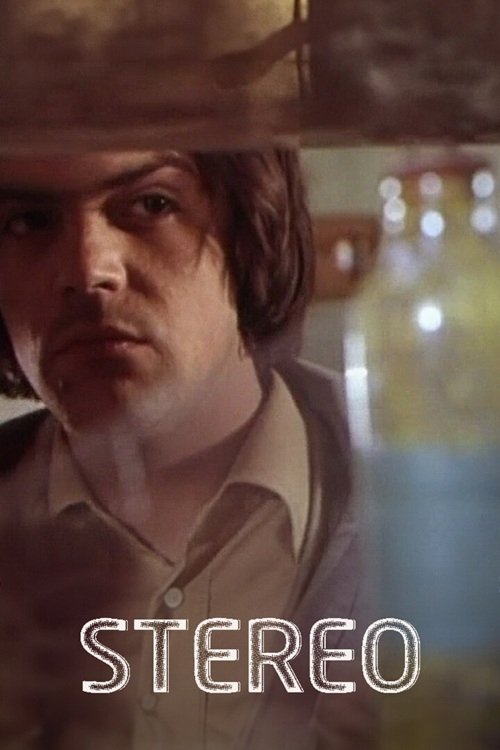
A young veterinarian arrives from the city for his first job at a sovkhoz. The cheerful hippie-like young man clashes with the locals who take him as a stranger. The film is a combination of somber naturalism, lyricism, a dash of naive sentimentality and a deep sense of sovkhoz life in the early 1970s. Based on Riho Mesilane's short story "The Veterinarian's First Week". As Mesilane fled to Vienna at the end of the filming, the film was banned and released 13 years after its completion in autumn 1991.