Mareike Müller
Directing
Known For
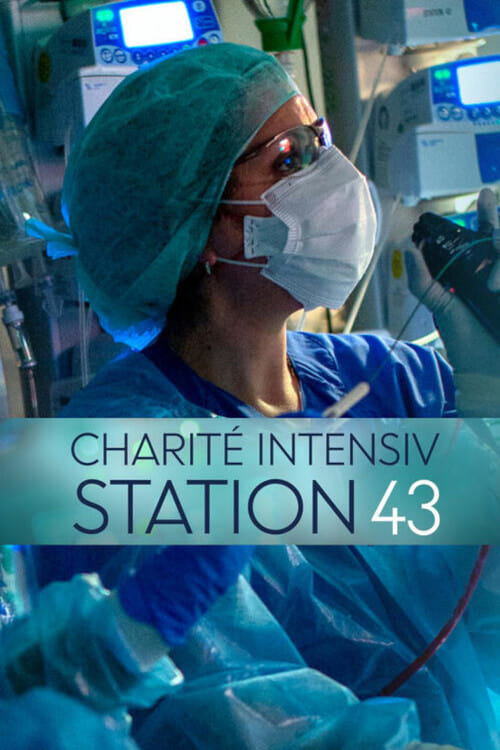
Over the course of one winter, this 4-part documentary series observes an intensive care unit at Berlin's Charité hospital, at the height of the pandemic to date. The films offer an intimate insight into a world on the threshold between life and death, unknown to most. Around the clock, the staff on Ward 43 fight to save the lives of those seriously ill with the novel Coronavirus. Up close and without commentary, "Inside Charité: Covid-ICU 43" tells the story of this struggle in a microcosm that knows neither day or night, populated by glaring lights and beeping machines. Despite high-tech intensive care and immense personal dedication, the staff repeatedly come up against the limits of their human abilities. They are confronted with a completely new disease that can damage the entire body and defies tried and tested therapies. Time and again, the experienced doctors and nurses have to accept the inevitable and let their patients go
Charité intensiv
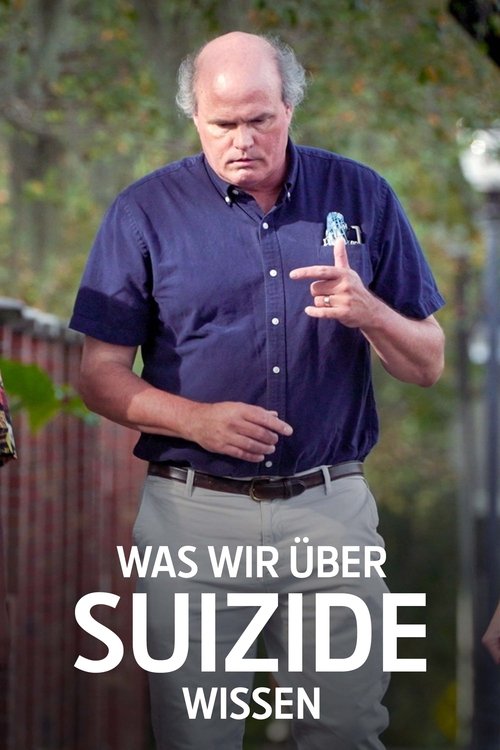
Suicide is one of the world's leading causes of death, with almost 800,000 people taking their own lives every year, not counting those who go unrecorded. What drives people to take their own lives, and how can they be prevented from doing so? This documentary attempts to provide some answers.
Überleben - Was wir über Suizide wissen

Monopoly is the most famous board game in the world. It brought capitalism to the game board and made haggling over roads and train stations socially acceptable worldwide. The documentary tells the true story of how the legendary Monopoly game came about, of clever marketing, the utopia of a fair world - and of ourselves.
Monopoly - Spiel ohne Erbarmen
No description available.
Wir wollen mehr - Arbeit ohne Barrieren
Why 119 million people in Europe live under the breadline today. How could this happen? The reality of deprived children, unemployed young adults, and indigent workers spreads all around the Union. What does Europe do for them? Visiting young unemployed people in Ireland, Italy and Portugal, this film investigates beyond the social and economic aspects and outlines how this situation impacts the politics.
Poor Europe
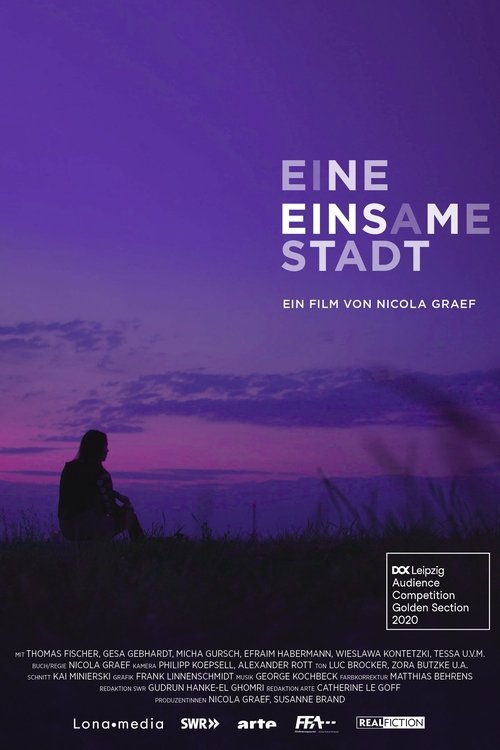
Loneliness has many faces in Berlin. Young and old are afflicted by it, men, women, single and married people. It’s normal. Nonetheless there’s a stigma attached to this mixture of emotions that makes sufferers stay silent. Director Nicola Graef tries a different approach in her film: She lets the lonely inhabitants of the capital city speak, listens. The result is varied and quite often surprising.