
Eylem Atakav
Directing
Biography
Dr. Eylem Atakav is a Lecturer in Film and Television Studies at the University of East Anglia. She is the director of Growing Up Married – an internationally acclaimed documentary about forced marriage and child brides in Turkey; and co-director of Lifeline, a documentary that reveals the reality of working in the frontline of the domestic abuse sector in the UK during the pandemic. She is currently completing a new documentary about migrant victims/survivors of domestic violence in England.
Known For
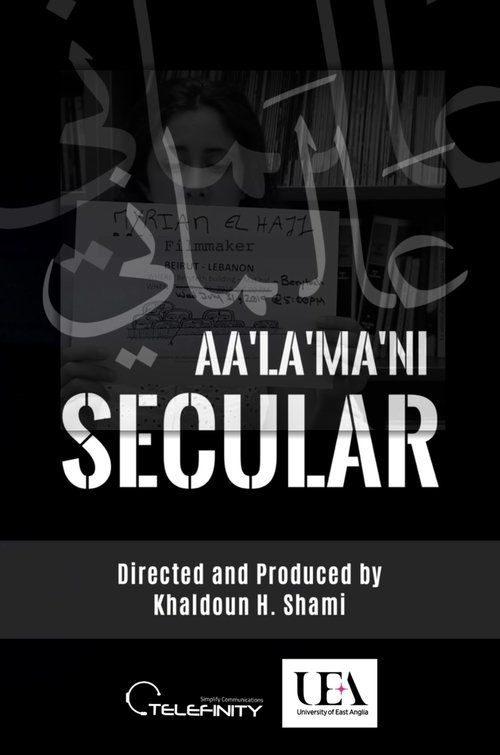
How is secularism depicted in films? The term "Aa'La'Ma'Ni" means worldly in Arabic. It's significant in the Middle East, where secularism is controversial since the majority often link secularism with atheism and anti-religious sentiment. SECULAR | Aa'La'Ma'Ni, a documentary based on academic research, explores the depiction of secularism in Middle Eastern cinema and TV channels. Filmmakers and regional producers openly discuss religion, sectarianism, authorities, minorities, and industry challenges.
SECULAR | Aa'La'Ma'Ni
Growing Up Married is a documentary which focuses on the stories of child brides, recollecting their memories as adults. It explores what happens after child marriage by focusing on the stories of four women and making their experiences visible, while contributing to debates around this significant, complex and emotionally charged human rights issue, which has often been discursively silenced.
Growing Up Married

During lockdown the UK has seen a significant increase in the number of domestic abuse related calls to helplines, with some charities reporting over 200% increase at a time when there was over 70% reduction in service delivery as a result of the pandemic. How did the domestic abuse services sector cope with the pandemic? What were the experiences of the frontline workers of the domestic abuse sector? With a range of interviews recorded on Zoom during and at the end the lockdown period, this film offers for the first time, first-hand accounts of keyworkers and key players of the domestic abuse services from their own voices and images. The interviews offer exclusive stories of keyworkers reflecting on their experiences of vicarious trauma, how they worked selflessly while dealing with the implications of the pandemic themselves.