Dana Claxton
Directing
Biography
Dana Claxton (born 1959) is a Hunkpapa Lakota filmmaker, photographer, and performance artist. Her work looks at stereotypes, historical context, and gender studies of Indigenous peoples of the Americas, specifically those of the First Nations. In 2007, she was awarded an Eiteljorg Fellowship for Native American Fine Art.
Known For
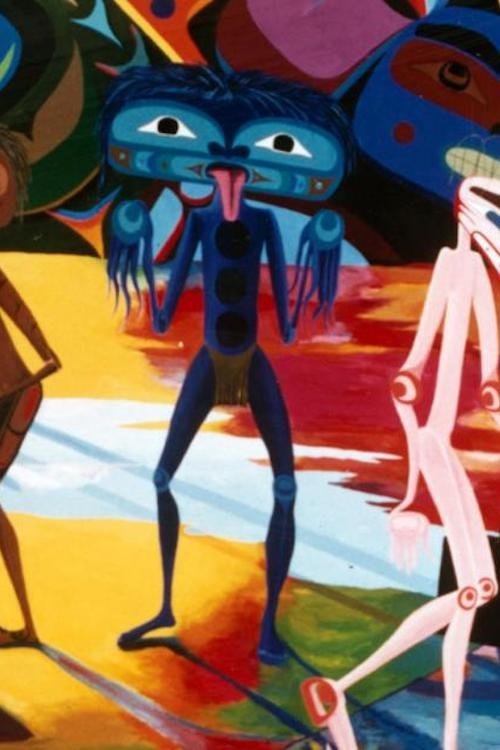
This short documentary serves as a portrait of Lawrence Paul Yuxweluptun, one of Canada's most important painters. We meet him at the Bisley Rifle Range in Surrey, England, where he's literally shooting the Indian Act in a performance piece called "An Indian Shooting the Indian Act." It's in protest of the ongoing effects of the Act's legislation on Indigenous people. We then follow him back to Canada, for interviews with the artist and a closer look at his work.
Yuxweluptun: Man of Masks
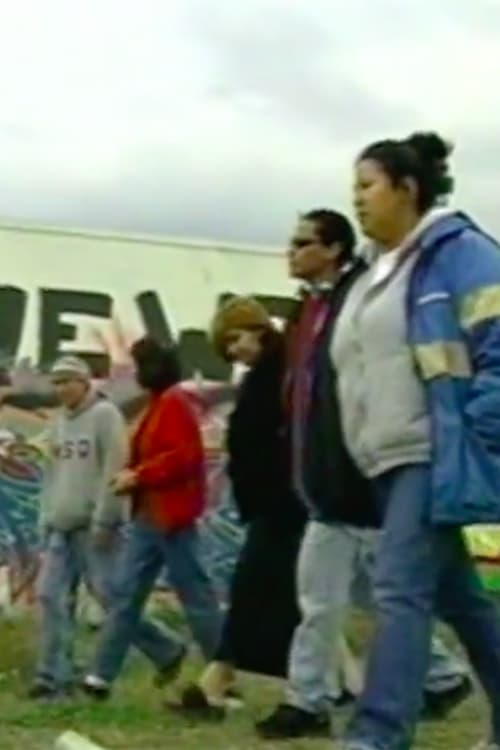
A piece about Redwire Magazine (now Redwire Media) made for CTV's youth zine First Story, highlighting Indigenous hip hop artists in Vancouver.
Redwire Magazine and Native Hip Hop in Vancouver
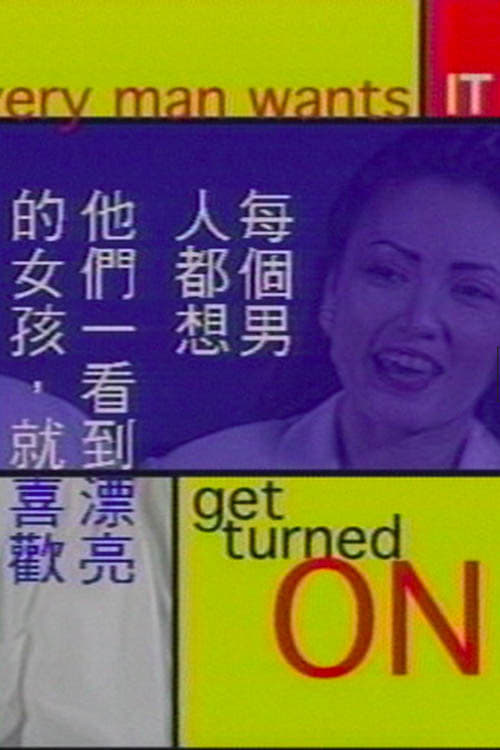
Blending Milk and Water: Sex in the New World is a cross-cultural, intergenerational, documentary about the diverse views of sex from twenty-two people. The recollections, fears and opinions of young people, professionals, healthworkers, educators, artists, community activists, and people living with AIDS are mixed.
Blending Milk and Water: Sex In the New World
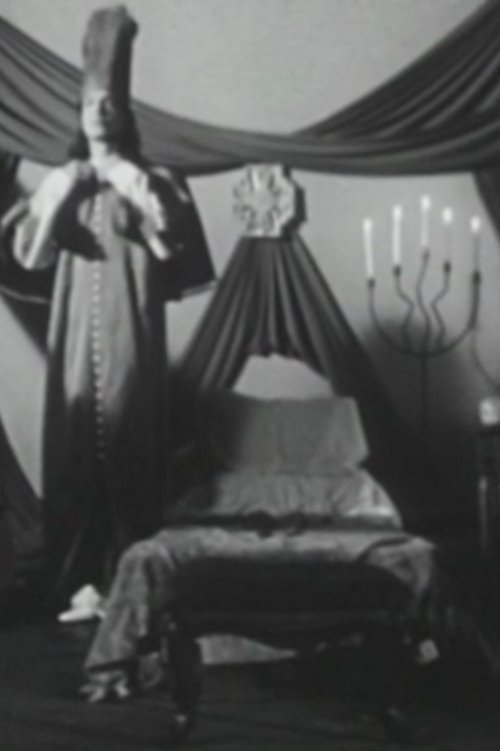
The Red Paper asserts a voice of power and interpretation recounting the devastating consequences of colonialism. The European male wears a straitjacket, repeatedly mumbling “I did not know, I did not know,” in a familiar contemporary mantra that pleads self-proclaimed absolution from guilt by reason of ignorance of history. Claxton irreverently and consciously opts for a lack of historical specificity in favour of a totalizing haunting by history in the present.
The Red Paper

The videomaker investigates the women in her family who have succumbed prematurely to external forces of racism and poverty. Using repetition and manipulation of western images of First Nations culture with an at first timid, then demanding voice-over, the video moves through sorrow and indignation with the processes of cultural genocide.
I Want to Know Why
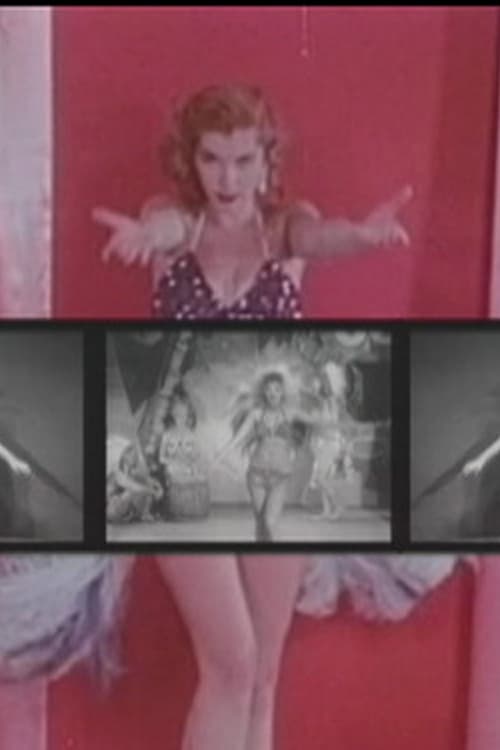
A playful burlesque performance peels away layers of history to reveal a persuasive and thought-provoking dance that informs as much as it delights.
Her Sugar Is?
Dana Claxton uses low-grade video equipment to create degraded images that correlate the treatment of the earth with the treatment of women’s bodies. A figure stands enmeshed in cutting barbed wire among ravaged forests and chopped tree stumps. Grainy black-and-white images have been electronically ripped, cut and torn in post-production while repeated images of the artist’s open-mouth scream silently against a volatile red sky. A video work from the early 1990s continues to resonate in our contemporary moment—and with decades of missing and murdered Indigenous women across exploited lands.
Tree of Consumption
I Am Ishi confronts the dehumanizing legacy of colonial institutions and their abhorrent, academic practices.
I Am Ishi: The Performance Art Film

“In Buffalo Bone China Claxton blends performance art, found objects and video to dissect the effects upon First Nations peoples due to policies from colonial Canadian and the United States regarding the state sanctioned extermination of the American bison. Bison were slaughtered and their bones crushed and exported to England to make bone china. In the performance Claxton smashes pieces of china and makes four bundles, placing the bundles in a sacred circle while a video of buffalo plays in the background. ‘Feeling the loss of the buffalo, the backbone of Plains spirituality and sustenance, the artist uses a rubber mallet to destroy plates and bowls. The breaking of the china refers to the use of buffalo bones in the making of bone china during the period of exploitation and decimation of the buffalo.’”