Evelyn Rack
Editing
Known For
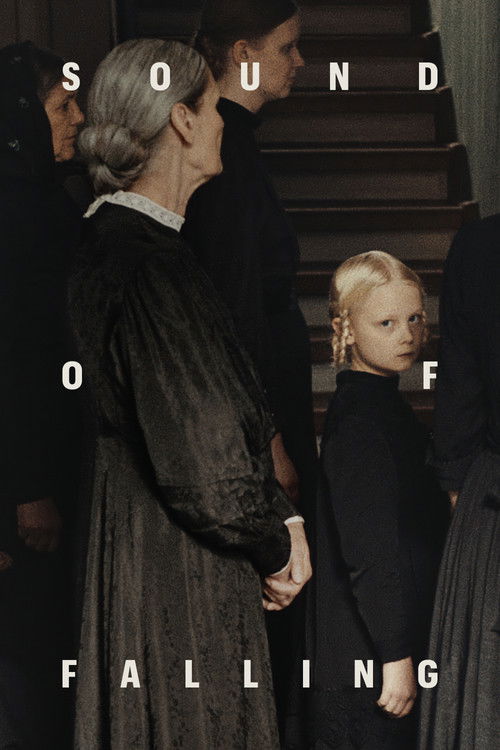
Four adolescent girls each spend their youth in the same farmhouse over the last century. Though separated by decades, resonances between their lives emerge: their desires and distress, secrets and truths, encounters with another’s gaze and defiant gaze in return.
Sound of Falling

Juggling a never-ending barrage of responsibilities, parents and business owners Maik and Linh are occupied with money worries and their marriage is at the bottom of their to-do list. As Linh reveals the true extent of their shocking fi nancial situation, they both take on second jobs. Inevitably, the stress of the situation further damages their marriage and old confl icts start to resurface. In a fi nal bid to save them, Maik decides with a heavy heart to sell their business. But just as they’re about to lose everything they’ve worked for, will a close friend be their salvation ?
All About Us

If twelve-year-old Karl had been able to choose who he fell in love with, it would not have been the much taller Lea from his class. Now he doesn't have much time to fnd out whether Lea can reciprocate his feelings. After the summer holidays, she will change schools.
Tomorrow I'll Be Brave
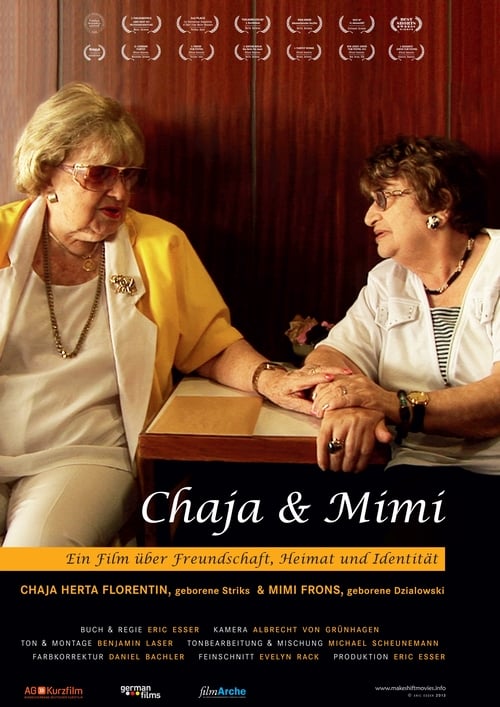
Chaja Florentin and Mimi Frons have been best friends for 83 years. Born and raised in Berlin, they had to escape from the Nazis to Palestine with their families in 1934. They talk about their complicated relationship with Berlin in a Tel Aviv café where they meet everyday. A film about friendship, homeland and identity.
Chaja & Mimi
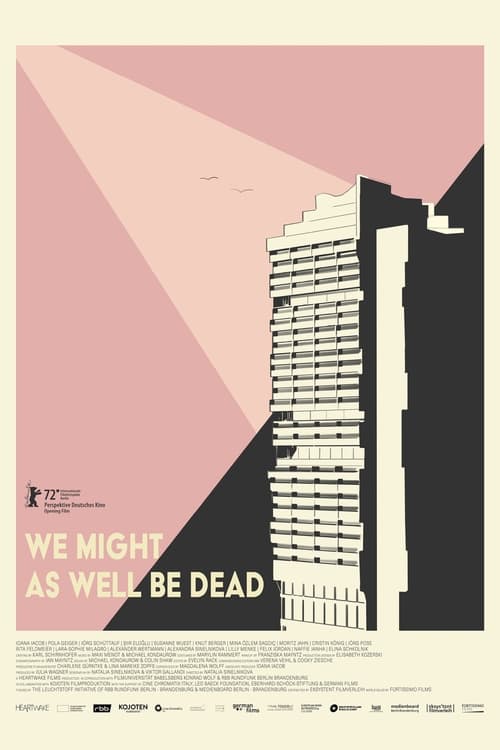
The high-rise building block near the forest is famous for its carefully curated community. As a dog disappears and her daughter refuses to leave the bathroom, security officer Anna faces an absurd battle against the fear, that slowly spreads among the residents and shakes the utopia with a view.
We Might As Well Be Dead
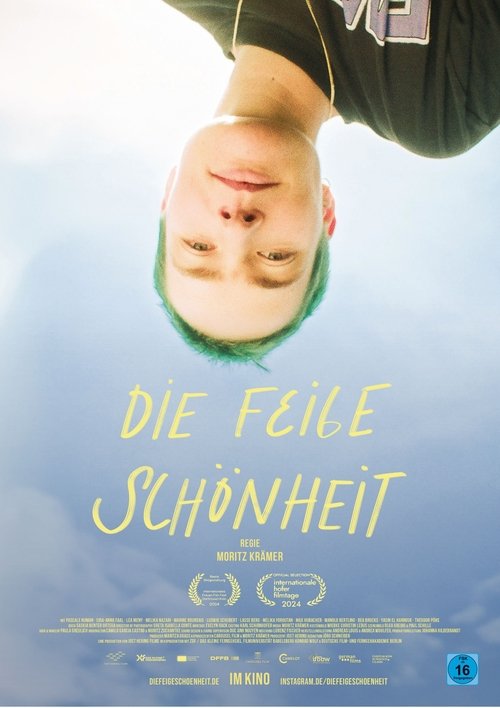
Kesse (Pascale Numan) loves nothing more than May (Sira-Anna Fasl) and skateboarding. Everything changes when Kesse accidentally pushes May's annoying little brother Pepe (Lasse Berg) off a wall to his death. Excluded from the skate crew, Kesse tries to navigate back to everyday life while May and her mother Sheila (Melika Foroutan) grieve and cut off contact. Kesse finds themself caught between the guilt that needs to go somewhere and the fear of no longer belonging.
About Them
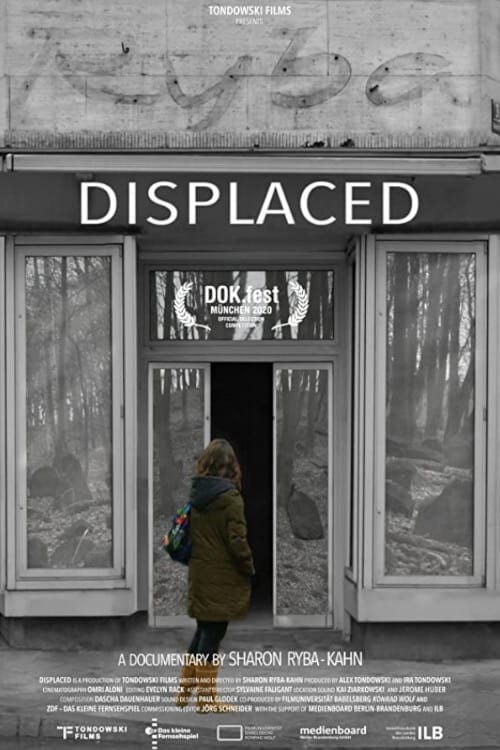
After years of radio silence, Sharon Ryba-Kahn re-established contact with her father. She talks to him about his absence and his family. From the perspective of someone who belongs to the third generation after the Shoah, the director examines herself and her German surroundings.
Displaced
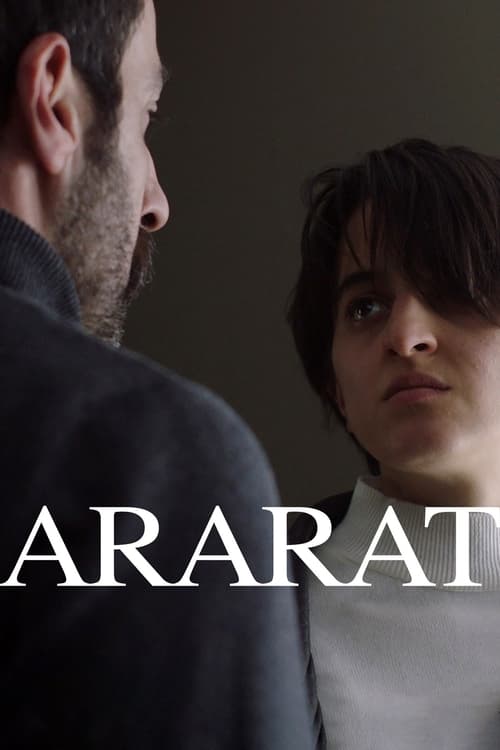
Zeynep has caused a traffic accident in Berlin. She escapes to her parents’ home in Turkey where her self-destructive and sexually assertive behaviour infuriates more than just her family. Looming above them like a portent is the dormant volcano Ararat.
Ararat
Tolga is confused. His girlfriend has left him, but he feels no sense of sadness. But he wants to change that. So he asks his best friend Burak, an imaginative guy who sells kebabs, how he could cry. Burak, who is an expert in feelings, or at least in showing feelings, offers him various techniques. But the more he tries, the more Tolga begins to question his own friendship. Up to the point where Burak asks him a very serious question…
5 ways to cry
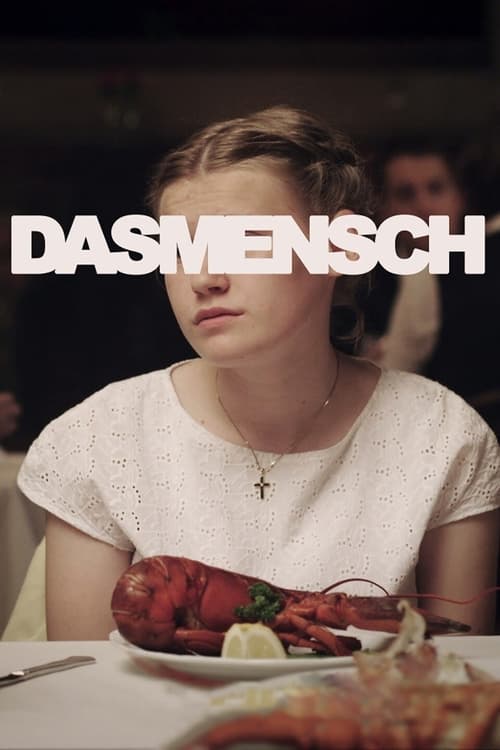
Sarah and her parents celebrate her confirmation. But instead of eating the lobster on her plate, Sarah hides it under the table. When her father finds the lobster there, he draws the consequences.
Pinky Promise
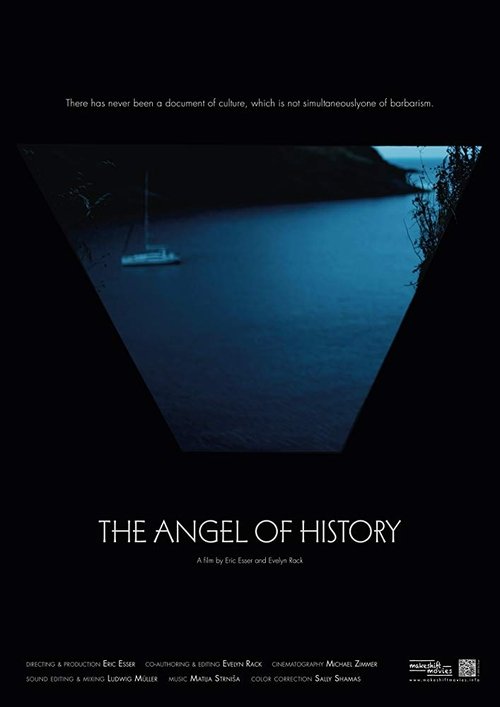
In 1921, German philosopher Walter Benjamin purchased a painting Angelus Novus by the Swiss-German artist Paul Klee. Benjamin admired it and described it in detail in his essay “Theses on the Philosophy of History.” The picture portrays a restless angel who tasted reality. For a moment the angel freezes as if observing the inevitable turns of history. German director Eric Esser filmed at the Spanish-French border, which used to be a place of smuggling routes. It is across this border Walter Benjamin once escaped from the Nazis too.
The Angel of History
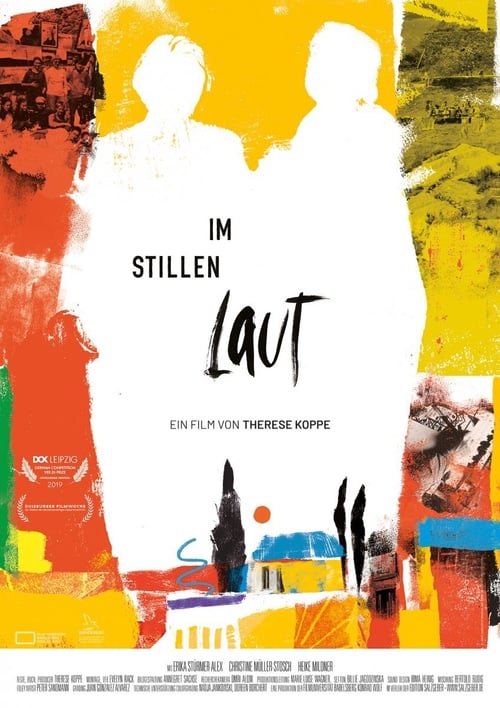
Two women remember their time as dissident artists / intellectuals in the DDR.
The Quiet Resistance
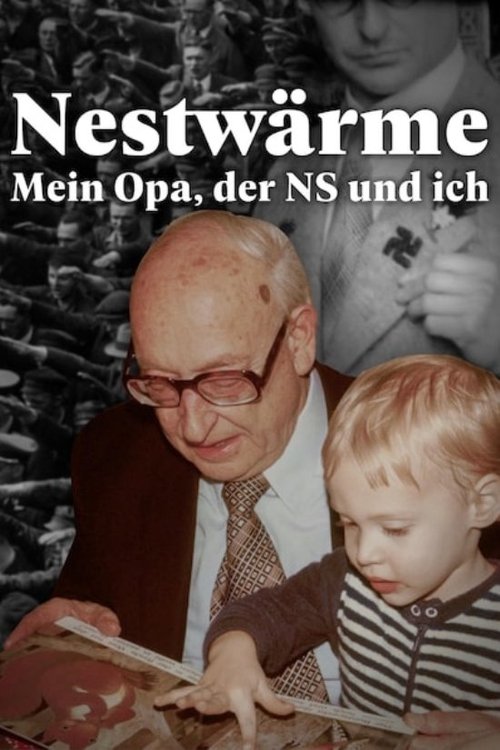
An inherited family treasure trove of photos and film footage show her grandfather in the 1940s, with a swastika on the lapel of his jacket in one of the film clips. How does the symbol, which stands for millions of murders, change the view of a loved one? How can photos and film footage, memories and archive material be put together to form a coherent picture?