Acting
Set in Kuwait in 1988, two women making their way in the boys club of the Kuwait Stock Exchange, on the eve of Saddam Hussein's invasion of the country.
Wolves That Do Not Eat Meat is an Arabic narrative film from the adventure and suspense films produced in 1973, represented by Izzat Al-Alayli in the role of "Anwar", Nahed Sharif in the role of "Thuraya" and Mohsen Sarhan in the role of "Saleh", and from Kuwait Muhammad Al-Mansour in the role of "Al-Saffah" Khaled Al-Saqabi in the role of “The Officer” and Ali Al-Mufidi in the role of “Al-Akhras”, and from Lebanon Silvana Badrakhan in the role of “Linda” and Les Sirkisian or actress Iman as she was known later in the role of “Nihad”. And directed by Samir A. Khouri. All the movie clips were shot in the State of Kuwait.
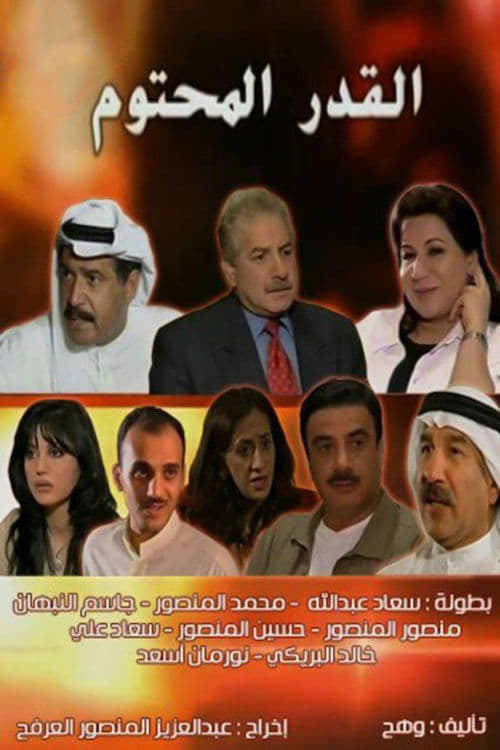
The events revolve around a family that owns a lot of money, and love and peace prevail, but fate does not leave them as they are, as there is a problem that is caused by money. Not only that, but this problem causes the family to split up, so what will happen to them after that?
The series takes place in a dramatic framework about the conflict that a person lives during his day, especially those related to social issues, in which ignorance, customs and traditions may be caused.
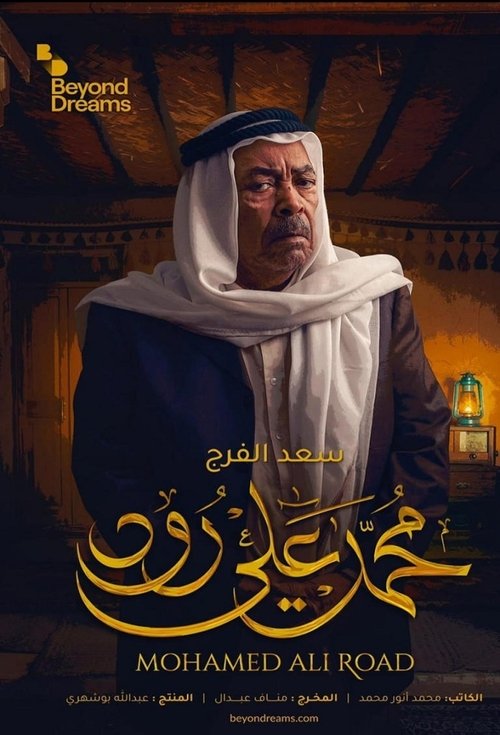
Written secrets are what connects the beaches in Kuwait and Mohamed Ali Road in Mumbai, as a beautiful friendship bonds Shehab and the merchant Abdel Wahab, but the friendship is tarnished when Abdel Wahab betrays his best friend.
The idea of the series revolves around two sisters, Hilala, who has a sharp temper and a strong and domineering personality, and Nashmiah, the younger sister, who has feelings of love and respect for her sister, which prompts her to be submissive to her. Who proposes a sermon Nashmeh.
When romance is mixed with social issues and problems, it will inevitably express a real reality about love relationships, marriage, divorce, various social and family issues, and the traditions and customs of the surrounding society.
Bu Nasser has everything from money and a name and he lacks nothing but the presence of a male son who bears his name, and because of the mockery of some of his competitors by trading him because he is "the father of the girls" and does not have a male son, his friends advise him to marry a second so that the boy has a son, so he decides to look for another wife with the help of Bu Duaij Al-Tajer.
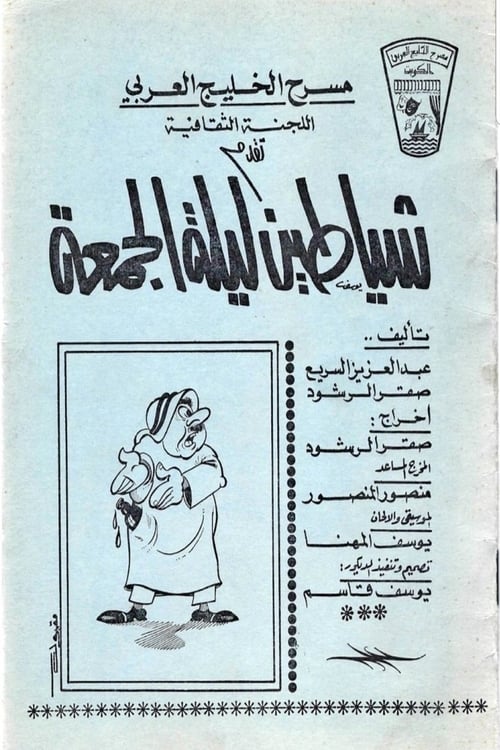
Demons of the Friday night, written by Saqr Al-Rashoud and Abdul Aziz Al-Sorayai, which was presented in 1973 by the production of the Arab Gulf Theater in Kuwait, a play with satirical critical positions that highlights many negatives in society in the form of critical paintings and these positions are the right man, the government routine, and what is going on in Some government ministries and the Kuwaiti employee who works and who do not work, spoke about Article 206, which prohibits the sale of alcohol and the reality of what is happening in hotels, as well as spoke about democracy and the National Assembly elections, Kuwait's political position on Arab and international issues and the shortcomings of the local press.
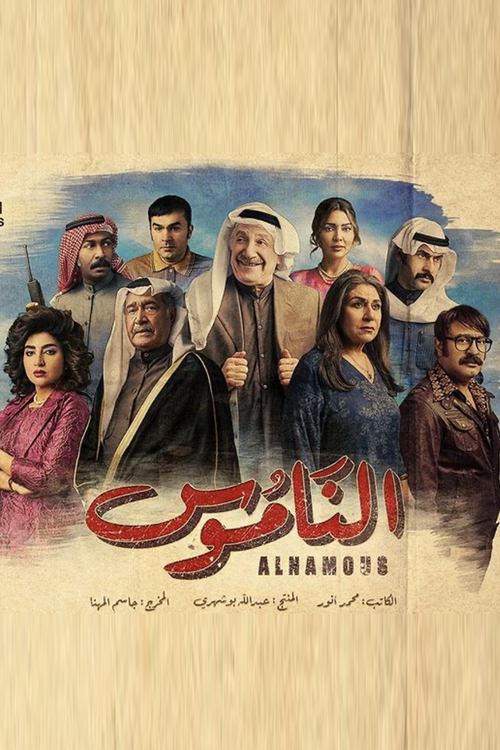
The events of the series revolve in a comic framework about (Moza) and (Thnayan), the heads of a family, which includes 5 children, who together try to constantly reunite the family through the weekly meeting of the grandparents with their children and grandchildren in (Zuwara), shedding light on the problems that afflict family relations, which It can cause disconnection or strife if not handled wisely.
The series takes place during the period of the forties and fifties of the twentieth century, where Dahi, who is forced by circumstances to work at sea, gets to know Maryam in difficult circumstances, and discovers her work with pirates to steal boats, but she distributes the booty with her brother to the poor, in the hope of achieving social justice, and with the death of her brother Nadim, things get worse when she finds herself facing the gang leader Burhan the more evil.
After returning from abroad, Saud decides to settle down and get married, and he takes the advice of his brother Saleh to marry Hessa, but suspicion enters Saud's heart and he believes that Saleh has seized his money, so he breaks up his partnership with him, leaves the house, leading to a rift between the two brothers.
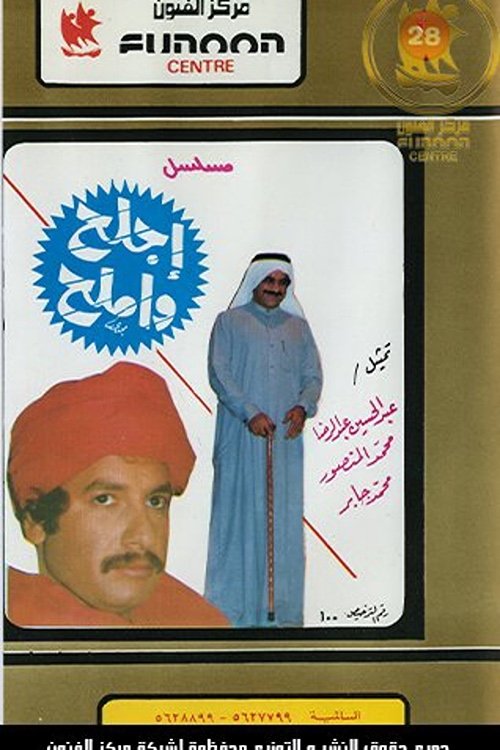
The series takes place in a form of humor and comedy about the two brothers who are looking for jobs, but have difficulty finding jobs.
No description available.
The story of Suleiman deals with the single 40-year-old man who lives with his misery mother and controls him and refuses his marriage so that his wife does not have children to inherit him, and the attempts of her speaking relative Umm Faisal to convince her to marry her son fail, until the speech decides to challenge Um Suleiman and cooperate with her relative, the widow Taiba, in order to marry her to Suleiman with trick.
The events revolve around a family that includes three brothers, a sister and nephews, and the conflict that takes place between its members over many things, including unequal marriage where the husband is a university doctor and the illiterate wife, the miserly father and his treatment of his family, inbreeding, the wife’s preoccupation with her family and neglecting her, and the husband who drags his wife into addiction Drugs, quarrels between cousins due to university elections and others.
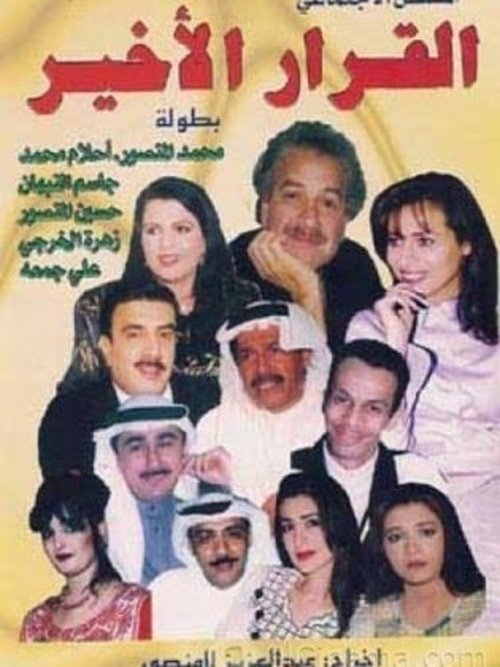
The series deals with the intertwined relations between members of a wealthy family consisting of four brothers (Fahd), Dr. (Saud) and Hamad, who are married and their widowed sister (Shaha), and how Fahd took over the family and refused to marry until he met Latifa, who changed a lot in his life.
Set in the 1970s, the head of the family, Rashed Al-Mather, is a successful, hard-working businessman, who turns away from his family, and suddenly disappears after his son gets married, leading the police to investigate to find out who would benefit from his disappearance.
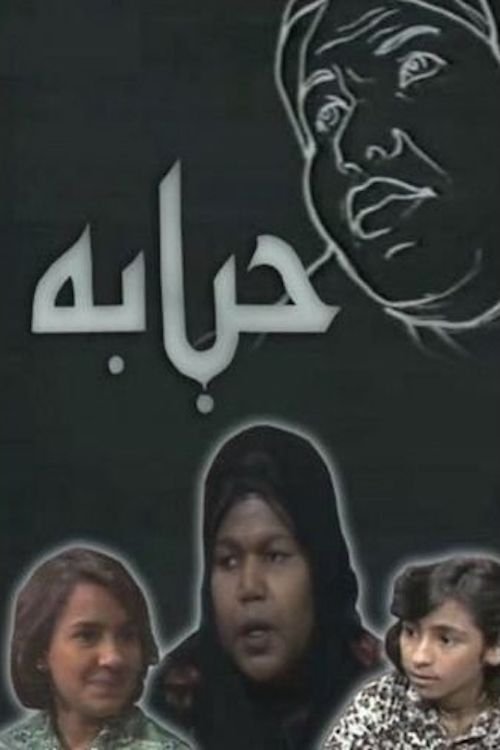
The events revolve around the grandmother (Hababa), who tells her granddaughter Lulwa and Nadia every day a story from the stories of the Thousand and One Nights, so that the scenes follow between the grandmother and the events of the story she tells, and the stories shed light on human values and social issues.
A Kuwaiti play taken from the tales of One Thousand and One Nights, where it is rumored that at a time when there was a ruler who chose his assistants from incompetent men, they undertook looting, cruelty, and injustice to preserve their positions, so they began to fabricate the charges of the innocent, imprison them and form dangerous centers of power within the state, and the sultan over Unaware of what is going on around him, the play clarifies the real reality that we live in at the present time and because of the corruption that some Arab regimes suffer from corruption practiced by the people chosen by the ruler as assistants who are not qualified to do so.