Christopher Newton
Production
Known For
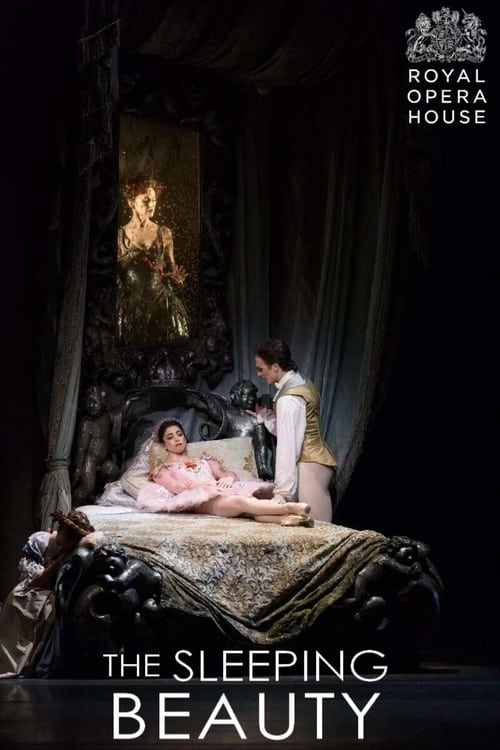
The wicked fairy Carabosse is furious she wasn’t invited to Princess Aurora’s christening. She gives the baby a spindle, saying that one day the Princess will prick her finger on it and die. The Lilac Fairy makes her own christening gift a softening of Carabosse’s curse: Aurora will not die, but will fall into a deep sleep, which only a prince’s kiss will break. The masterful 19th-century choreography of Marius Petipa is combined with sections created for The Royal Ballet by Frederick Ashton, Anthony Dowell and Christopher Wheeldon. Recorded live as part of the Royal Opera House Live Cinema Season 2019/20 with encore screenings broadcast online during the #OurHousetoYourHouse programme.
Royal Opera House: The Sleeping Beauty
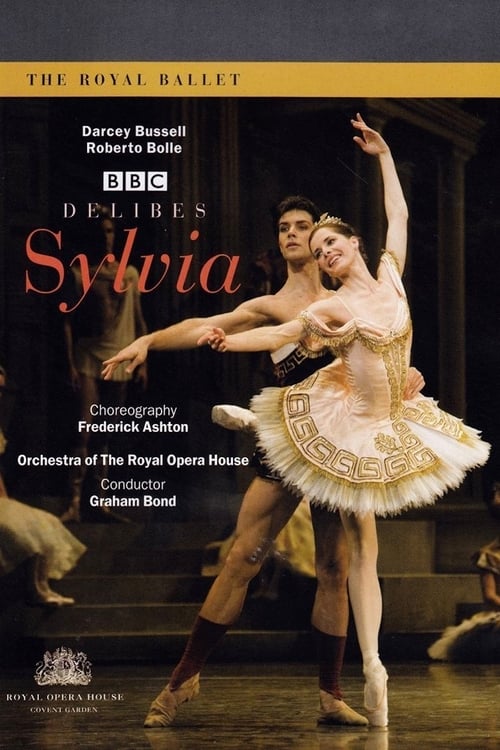
Darcey Bussell and Roberto Bolle star in Frederick Ashton's Sylvia, restored to the splendour of its elegant and opulent three-act form for the 75th anniversary celebrations of The Royal Ballet. With origins in Greek mythology, Sylvia was loved by Aminta, abducted by Orion and eventually rescued by Eros. Recorded live at the Royal Opera House, Covent Garden on 1st and 5th December 2005.
Sylvia (Royal Ballet)
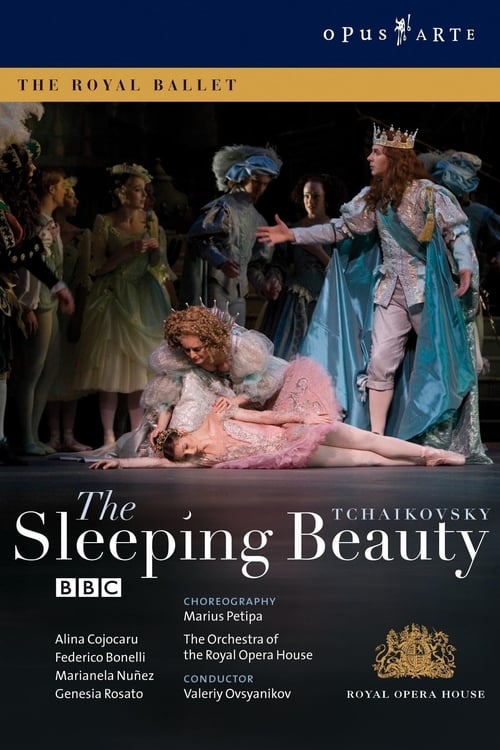
Tchaikovsky's The Sleeping Beauty is one of the best loved of classical ballets, combining in a single work all the enchantment and virtuosity that ballet has to offer. The royal court, the panoramic journey of the Prince to the overgrown castle, and the great celebratory dances of the happy ending (in which other famous fairy-tale figures appear) are all brought to life by the luscious designs of this celebrated production, created in 1946 for The Royal Ballet. The inspired performances of its revival for the 75th anniversary of the Company in 2006, together with a magnificent High Definition recording, make this a superb tribute to The Royal Ballet's unique style and visual splendour.
The Sleeping Beauty

The Sleeping Beauty holds a special place in The Royal Ballet’s repertory. It was the ballet with which the Company reopened the Royal Opera House in 1946 after World War II, its first production at its new home in Covent Garden. Margot Fonteyn danced the role of the beautiful Princess Aurora in the first performance, with Robert Helpmann as Prince Florimund. Sixty years later, in 2006, the original 1946 staging was revived by then Director of The Royal Ballet Monica Mason and Christopher Newton, returning Oliver Messel’s wonderful designs and glittering costumes to the stage.
The Sleeping Beauty
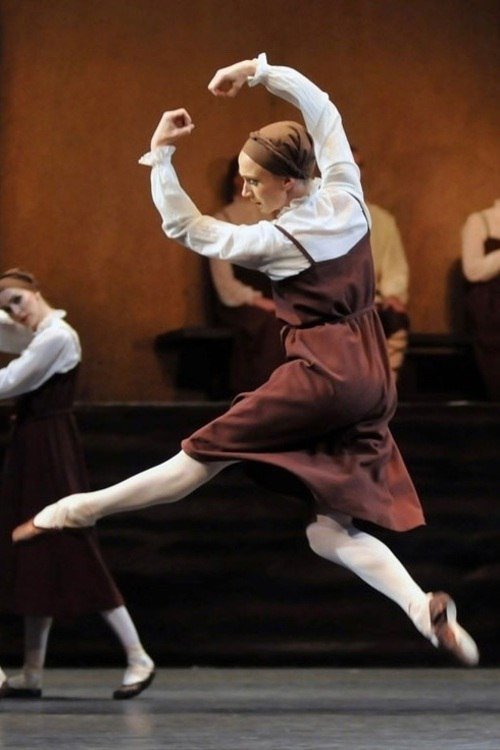
Les noces - one of Stravinsky's last works on Russian themes (first performed in 1923 with choreography by Bronislava Nijinskaya). Stravinsky's "The Wedding" is a vivid example of the "rhythmic" music characteristic of the work of the composers of the 1920s and 1930s. Rhythm in it is not only the primary organizing principle, but also the most important factor of musical language. It is characteristic that the composer here does not need either strings or wind instruments: the score of the Wedding, in addition to the voices, consists of percussion, which requires six performers at once, as well as four pianos, which are used here as a special kind of percussion.