FEEL IT.STREAM
Léopold Sédar Senghor

Léopold Sédar Senghor

Acting

Biography

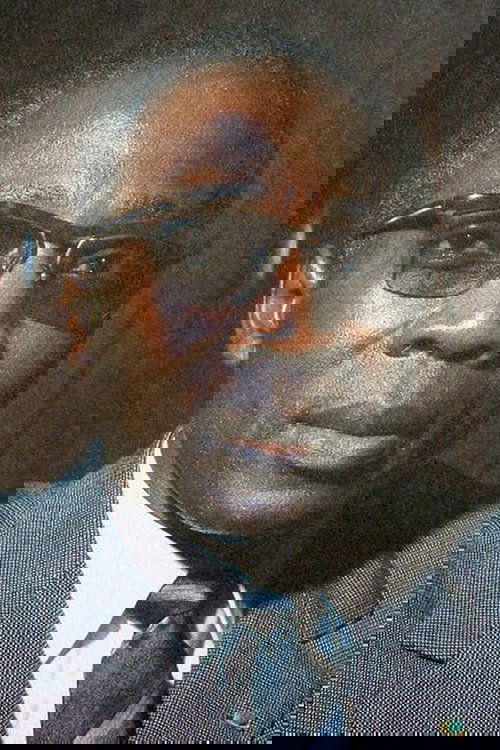
Léopold Sédar Senghor (9 October 1906 – 20 December 2001) was a Senegalese poet, politician and cultural theorist who was the first president of Senegal (1960–80). Ideologically an African socialist, he was the major theoretician of Négritude. Senghor was a proponent of African culture, black identity and African empowerment within the framework of French-African ties. He advocated for the extension of full civil and political rights for France's African territories while arguing that French Africans would be better off within a federal French structure than as independent nation-states. Senghor became the first President of independent Senegal. He fell out with his long-standing associate Mamadou Dia who was Prime Minister of Senegal, arresting him on suspicion of fomenting a coup and imprisoning him for 12 years. Senghor established an authoritarian single-party state in Senegal where all rival political parties were prohibited. Senghor was also the founder of the Senegalese Democratic Bloc party. Senghor was the first African elected as a member of the Académie française. He won the 1985 International Nonino Prize in Italy. He is regarded by many as one of the most important African intellectuals of the 20th century. Léopold Sédar Senghor was born on 9 October 1906 in the city of Joal, some 110 kilometres south of Dakar, capital of Senegal. His father, Basile Diogoye Senghor (pronounced: Basile Jogoy Senghor), was a wealthy peanut merchant belonging to the bourgeois Serer people. Basile Senghor was said to be a man of great means and owned thousands of cattle and vast lands, some of which were given to him by his cousin the king of Sine. Gnilane Ndiémé Bakhoum (1861–1948), Senghor's mother, the third wife of his father, a Muslim with Fula origin who belonged to the Tabor tribe, was born near Djilor to a Christian family. She gave birth to six children, including two sons. Senghor's birth certificate states that he was born on 9 October 1906; however, there is a discrepancy with his certificate of baptism, which states it occurred on 9 August 1906. His Serer middle name Sédar comes from the Serer language, meaning "one that shall not be humiliated" or "the one you cannot humiliate". His surname Senghor is a combination of the Serer words Sène (a Serer surname and the name of the Supreme Deity in Serer religion called Rog Sene) and gor or ghor, the etymology of which is kor in the Serer language, meaning male or man. Tukura Badiar Senghor, the prince of Sine and a figure from whom Léopold Sédar Senghor has been reported to trace descent, was a c. 13th-century Serer noble. At the age of eight, Senghor began his studies in Senegal in the Ngasobil boarding-school of the Fathers of the Holy Spirit. In 1922 he entered a seminary in Dakar. After being told the religious life was not for him, he attended a secular institution. By then, he was already passionate about French literature. He won distinctions in French, Latin, Greek and Algebra. With his Baccalaureate completed, he was awarded a scholarship to continue his studies in France. ... Source: Article "Léopold Sédar Senghor" from Wikipedia in English, licensed under CC-BY-SA 3.0.
Known For

Apostrophes
8.5

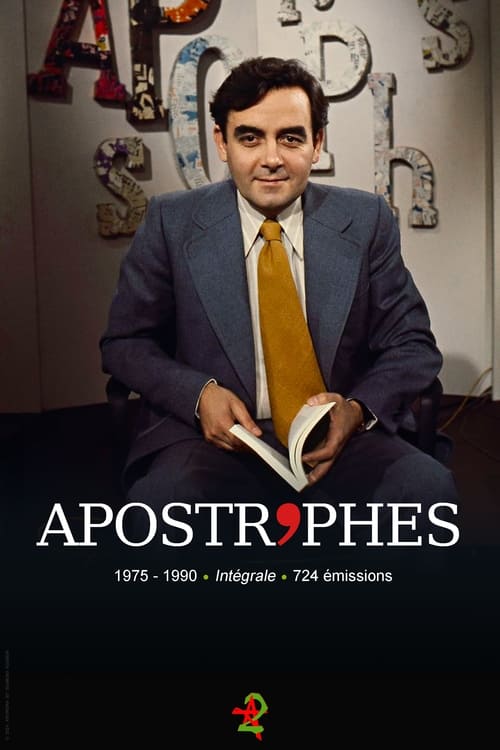
Apostrophes was a live, weekly, literary, prime-time, talk show on French television created and hosted by Bernard Pivot. It ran for fifteen years (724 episodes) from January 10, 1975, to June 22, 1990, and was one of the most watched shows on French television (around 6 million regular viewers). It was broadcast on Friday nights on the channel France 2 (which was called "Antenne 2" from 1975 to 1992). The hourlong show was devoted to books, authors and literature. The format varied between one-on-one interviews with a single author and open discussions between four or five authors.

Apostrophes

1975
Le Grand Échiquier
8.0

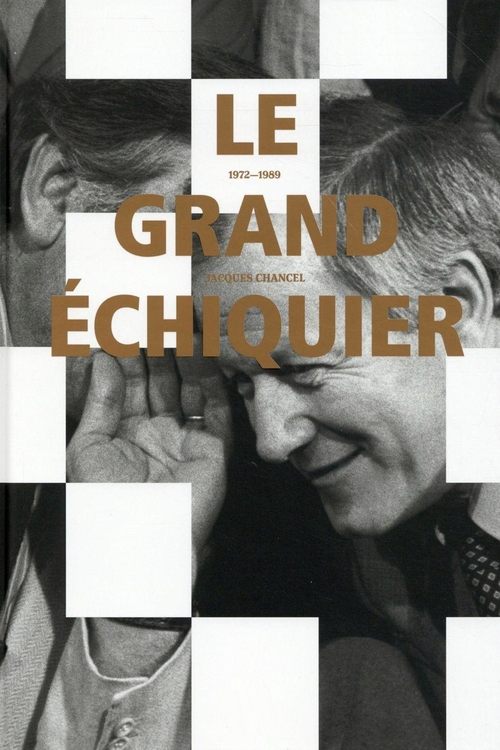
Le Grand Échiquier is a French variety television program created and presented by Jacques Chancel. It aired at 8:30 pm on the first channel of the ORTF from January 12, 1972 to July 12, 1972, then on the second color channel of the ORTF from September 1972 to December 1974, and finally on Antenne 2 from January 1975 to December 21, 1989. The program returned to France 2 on December 20, 2018 and is hosted by Anne-Sophie Lapix.

Le Grand Échiquier

1972
30 millions d'amis
6.2

No description available.

30 millions d'amis

1976
Aimé Césaire: The Mask of Words
N/A

Aimé Césaire - Le Masque des mots is a portrait of the Martinican writer who calls himself a rebellious negro and for whom the poetic act represents an act of freedom.

Aimé Césaire: The Mask of Words

1987
Batouk
9.0

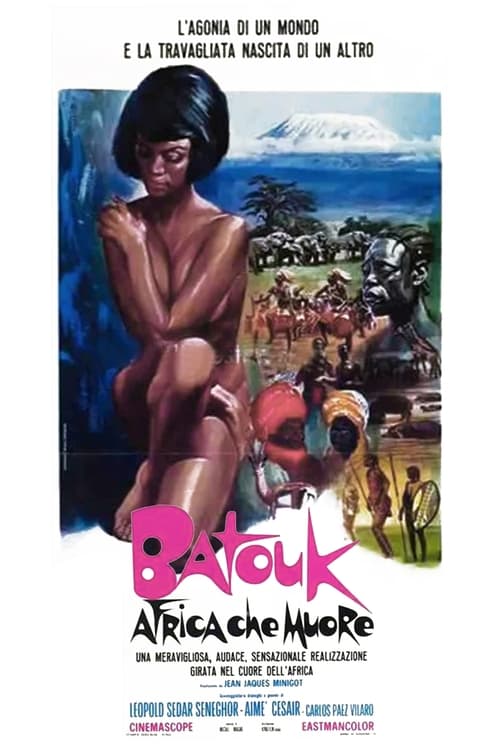
This uneven and uninspired documentary of Africa is a collection from various stock footage. Female dancers in mod clothes dance on the Eiffel Tower in comparison to the primitive dances of native Africans. A lone runner trains for a marathon, and a few animals are shown in their natural habitat. Commentary and modern jazz and pop music help to make this seem much longer than 66 minutes.

Batouk

1968
Papa Césaire
10.0

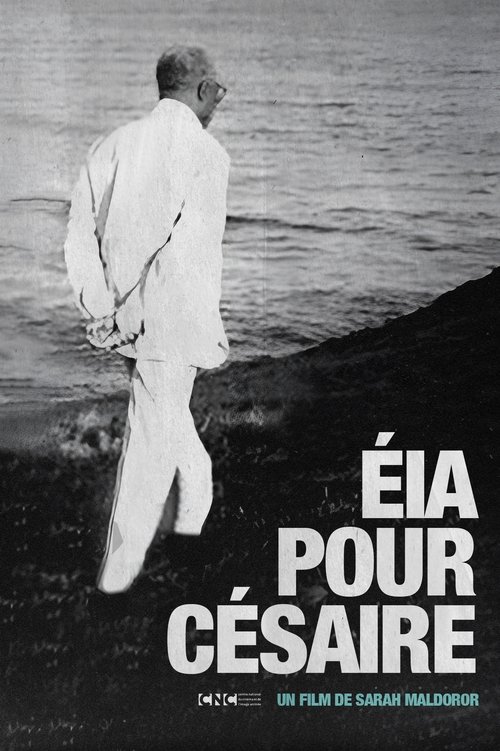
Shortly after his death in 2008, Maldoror made this film about her longtime friend and collaborator, the Négritude poet Aimé Césaire. In this film, she retraces the steps of Césaire’s travels across the globe — particularly back to his hometown in Martinique, where Maldoror interviews his relatives about his life — and her working relationship with Césaire, including fragments of her previous films about him, Un homme, une terre (1976) and Le masque des mots (1987).

Papa Césaire

2009
Français, si vous saviez
9.5

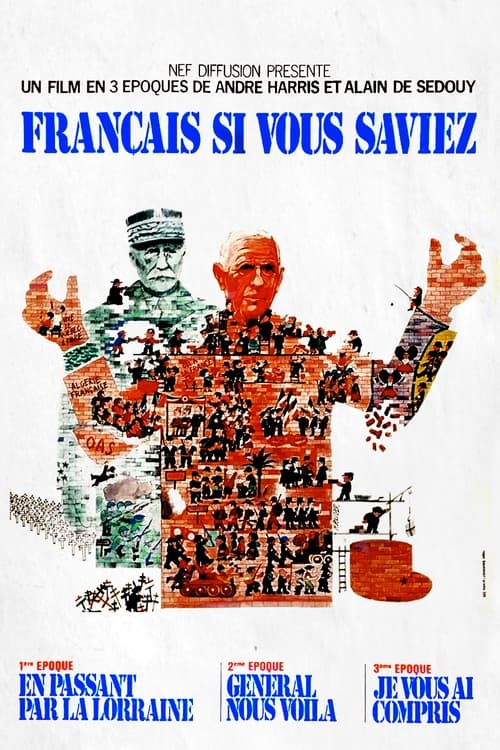
This almost 8 hour humongous 1973 documentary by two of the filmmakers who made The Sorrow and the Pity recounts fifty years of the history of France from the 1920s to 1972. It is particularly thorough in documenting the significance and rise to power of Charles De Gaulle. The film's most valuable contributions are its interviews with all sorts of people who lived through this period of history, from Marshall Petain's lawyer (Petain headed the Vichy government of occupied France) to resistance figures, and Frenchmen who fought on the side of the Nazis in Russia.

Français, si vous saviez

1973
The First World Festival of Negro Arts
7.0

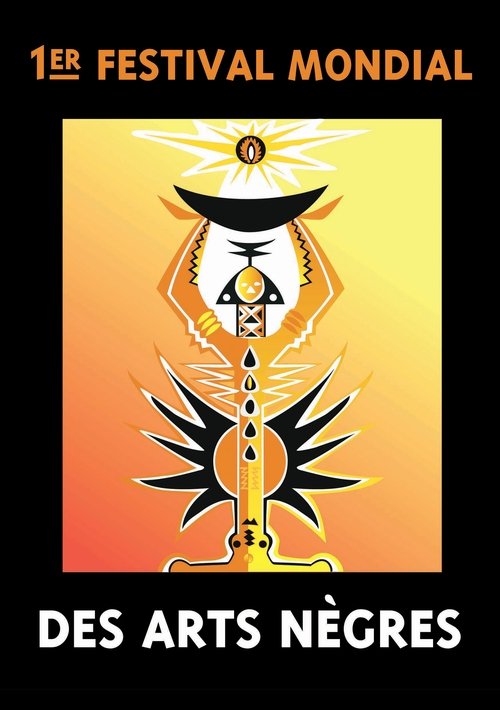
"This documentary film covers a 24-day arts festival in Dakar, Senegal that highlighted Black contributions to the cultural heritage of mankind and was attended by an extraordinary cast of over 2,000 luminaries - including Duke Ellington, Langston Hughes, Alvin Ailey, Aime Cesaire, and Leopold Senghor - from dozens of countries. The film depicts performances by African and American entertainers and shows various works of art while also providing unparalleled insight from the perspective of the African American delegation. The film was written and directed by William Greaves" (US National Archives).

The First World Festival of Negro Arts

1966
Léon G. Damas
9.0

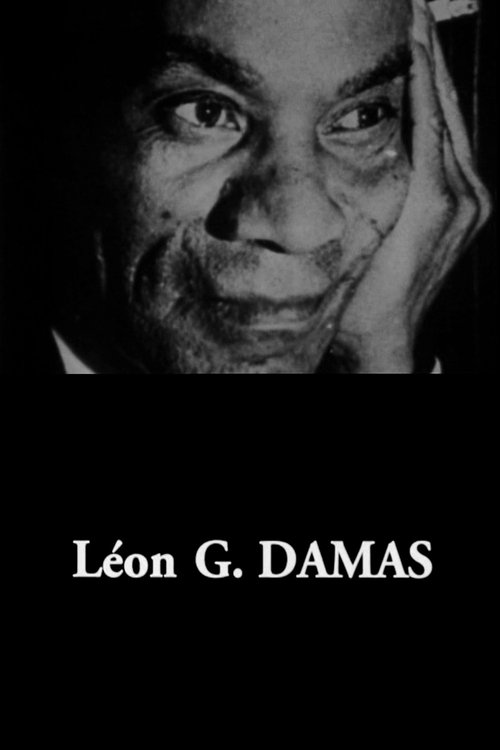
Léon G. Damas (1912–1978) was the first poet to “live Négritude”, according to the Senegalese poet, politician and cultural theorist Léopold Sédar Senghor. Cosmopolitan and always in transit, his writing is a chorus of melodies and imagery imbued with angst and melancholy and strongly influenced by jazz and blues. Punctuated by images of the landscapes of French Guiana and the voice of the artist, the film exemplifies the poetic documentary form to which Maldoror frequently returned.

Léon G. Damas

1995
Le Sénégal et le Festival Mondial des Arts Nègres
N/A

Promotional newsreel of Dakar, selected to host the first edition of the World Festival of Black Arts. The report features the history of the city, its architectural and commercial evolution, its air and maritime connections, its natural beauty, hotels and tourist attractions. Organised by Léopold Sédar Senghor on the initiative of the magazine “Présence Africaine” and the African Cultural Society, it was an unprecedented event in the cultural history of the African continent. The first festival was held in Dakar on 1-24 April 1966. Participants included André Malraux, Aimé Césaire, Jean Price-Mars, Duke Ellington, Joséphine Baker, Langston Hughes, Aminata Fall, Robert Hayden and many others. All the arts were represented: literature, music, dance, film and visual arts.

Le Sénégal et le Festival Mondial des Arts Nègres

1966
No image
N/A

Documentary

Prière aux Masques - De Léopold Sedar Senghor

1972
Femme Noire
N/A

No description available.

Femme Noire

2017
Iba N'Diaye
N/A

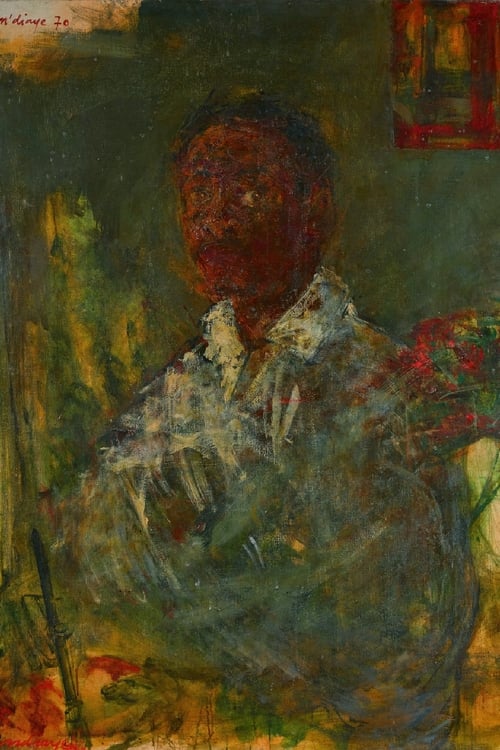
During an interview with the filmmaker Paulin Vieyra, the painter Iba Ndiaye recalls key moments of his life. He begins with his childhood in Senegal and his studies at the Lycee Faidherbe in St. Louis of Senegal, where he was drawn to design and graphic arts. African nature and its sweeping horizons remain however his main sources of inspiration.

Iba N'Diaye

1982