Rudolf Körösi
Camera
Biography
Rudolf Körösi is an Austrian cinematographer and documentary film director.
Known For
Annual awarding of the Grimme Awards.
Grimme Award
In this two-part documentary, Eberhard Fechner reconstructs the story of a class of pupils who passed their A-levels at Berlin's Lessing-Gymnasium in 1937. The starting point for the research is the class photo that gives the film its title. The conversations with the men, which revolve around their lives, bring back memories. However, it becomes clear how many of them have repressed the events of the Nazi era. Apologies, excuses and trivialization of the violence and crimes come out of many mouths.
Klassenphoto
In this two-part documentary, Eberhard Fechner reconstructs the story of a class of pupils who passed their A-levels at Berlin's Lessing-Gymnasium in 1937. The starting point for the research is the class photo that gives the film its title. The conversations with the men, which revolve around their lives, bring back memories. However, it becomes clear how many of them have repressed the events of the Nazi era. Apologies, excuses and trivialization of the violence and crimes come out of many mouths.
Klassenphoto

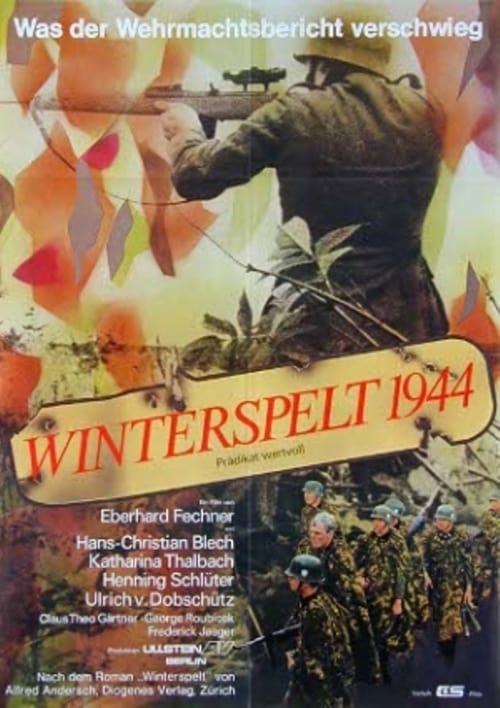
In the Second World War, spring 1944: shortly before the planned Ardennes offensive, Germans and Americans stand waiting on the German-Belgian border. The small Eifel village of Winterspelt threatens to become the scene of a bloody battle. A German officer comes up with a plan to hand over his battalion to the Americans without a fight. He finds support from three inhabitants of the small village, who help him to present his offer of surrender to the Americans, which they ultimately reject.
Winterspelt 1944

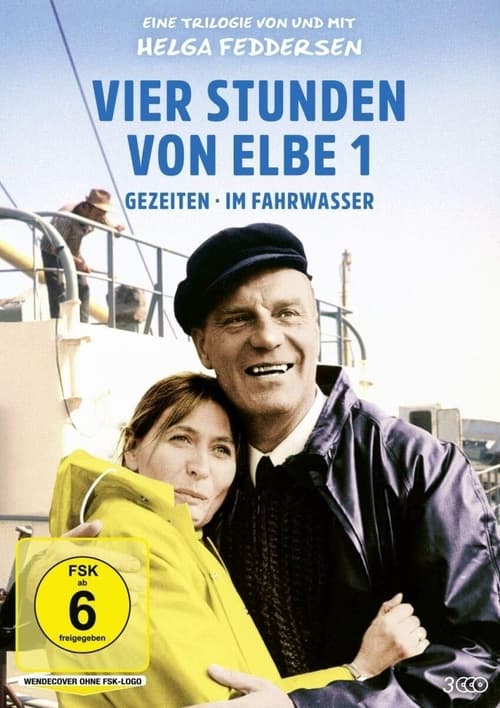
Four hours by boat from the lightship Elbe 1 is the southern entrance and lock of the Kiel Canal. There, in Brunsbüttelkoog, is a seamen's home run by Klara Andresen. This is the main setting of the movie. In the sailors' wives' home, the wives of sailors wait for their return. Klara Andresen not only looks after the concerns of the waiting sailors' wives, but also her brother-in-law Gustav Andresen . Gustav has gone to sea as a ship's cook and now wants to get married. That's why he has placed a marriage announcement and is waiting for the reactions.
Vier Stunden von Elbe 1
The Investigation (1965) is TV version of a play by German playwright Peter Weiss that depicts the Frankfurt Auschwitz Trials of 1963–1965.
The Investigation

Based on the autobiographical notes by Leonhard Lentz the film tells the story of a man who was diagnosed with throat cancer. Besides the progress of the desease this film also focuses on the emotions and insights of the protagonist while being in therapy.
Der Indianer

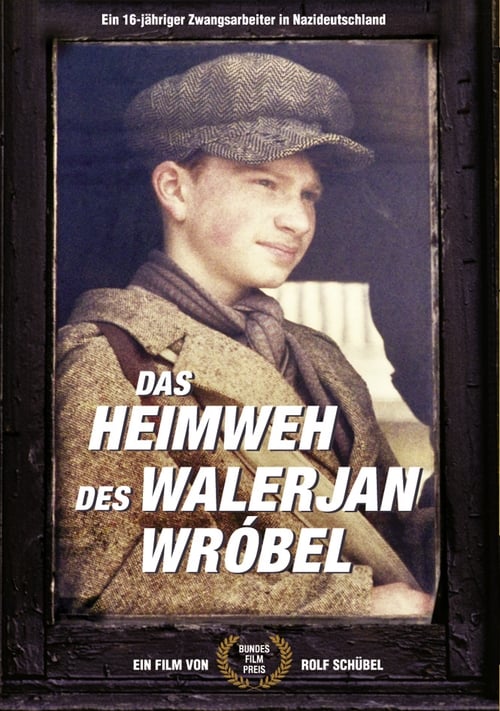
The story of Walerjan Wrobel, who was taken from occupied Poland to Germany for forced labor in 1941.
Walerjan Wrobel's Homesickness
Jazz and its milieu. Klaus Wildenhahn films the Jimmy Smith Trio in New York. With the addition of a white guitarist, Kenny Burrell, the band is in the studio recording the Rolling Stones current hit “Satisfaction”, as a tribute to the successful British Beat musicians, who were themselves inspired by blues and jazz.
Smith, James O. - Organist, USA. 2. Ein Jazz-Organist in Amerika
A young officer suffers under his ambitious wife, who is determined to make a captain out of him. Meanwhile, ship's cook Andresen becomes a father and, for the sake of his wife, becomes an innkeeper ashore, but he is still driven by wanderlust.
Gezeiten
Impressions of a party congress of the German social democrat party (SPD) in 1964, featuring politicians Max Brauer, Fritz Erler and Willy Brandt.
Parteitag 64
No description available.
Bayreuther Proben
An account of the first European tour of American jazz organist Jimmy Smith and his trio in 1965, replete with backstage footage and music.
Smith, James O. - Organist, USA. 1. Die Europa-Tournee des Jazz-Organisten Jimmy Smith

Observational documentary about the Merce Cunningham Dance Company rehearsing throughout the summer of 1967 in New York.
498 Third Avenue

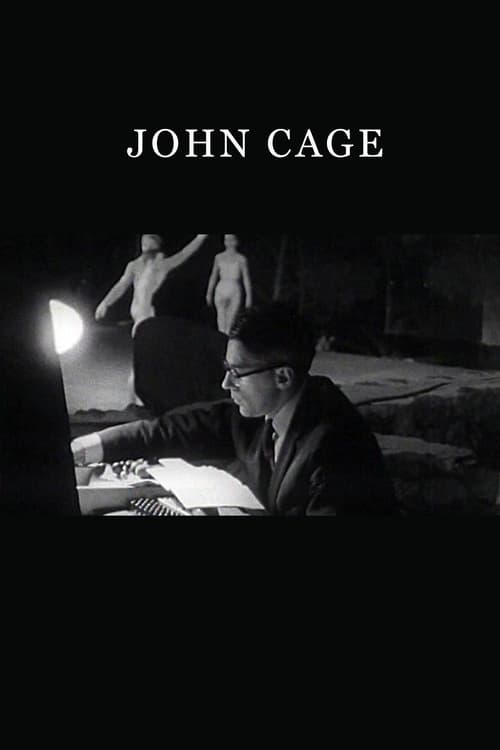
Experimental composer John Cage tours Europe with The Merce Cunningham Dance Company in 1966.
John Cage
In the fall of 1956, 21-year-old Herbert Broschat boards an immigrant ship in Bremerhaven bound for Toronto. He wants to leave Germany—this devastated and torn-apart country—and head for an unspoiled land where “freedom is still to be found.” He befriends Erich Domski, a coal miner from Wattenscheid in the Ruhr region. But even in the Canadian wilderness, the two friends are haunted by their German past.
Fremdes Land oder Als die Freiheit noch zu haben war

An odyssey through Beethoven’s lasting presence and influence in our modern world – viewed through the eyes of the composer himself.
Ludwig van

The film develops 5 questions about documentary film against the background of the media-political situation of the early 1970s in West Germany. The following topics are developed: (1) the personal approach of filmmaker Klaus Wildenhahn to his profession; (2) the technical and technical approach of cameraman Rudolf Körösi; (3) the development of documentary film based on John Grierson's British School of Documentary Film; (4) the working conditions and political framework for the production of documentary films at WDR and NDR; (5) the constitutive characteristics of socially relevant documentary film.
5 Bemerkungen zum Dokumentarfilm
Workers in the northern German province build a silo.
In der Fremde

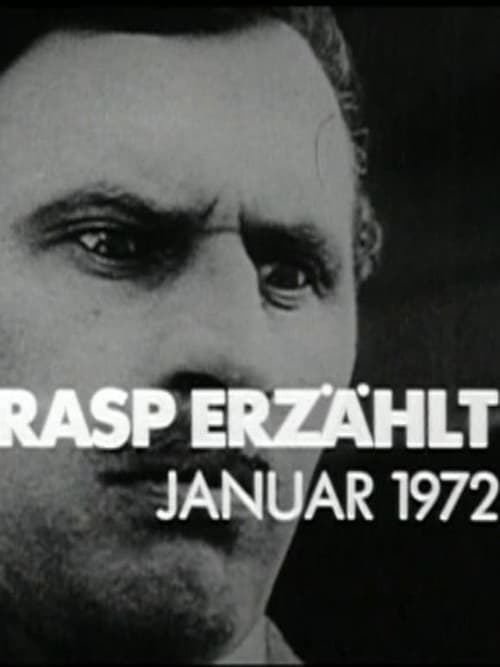
A talk with actor Fritz Rasp about his career.