Directing
In Paris, Lulu, a passionate policeman, works with the faith of a rookie, despite the sclerotic bureaucracy and the incompetence or negligence of some of his colleagues. In his new position as a narcotics inspector, he tries to keep his sanity as he witnesses the worst of the human condition.
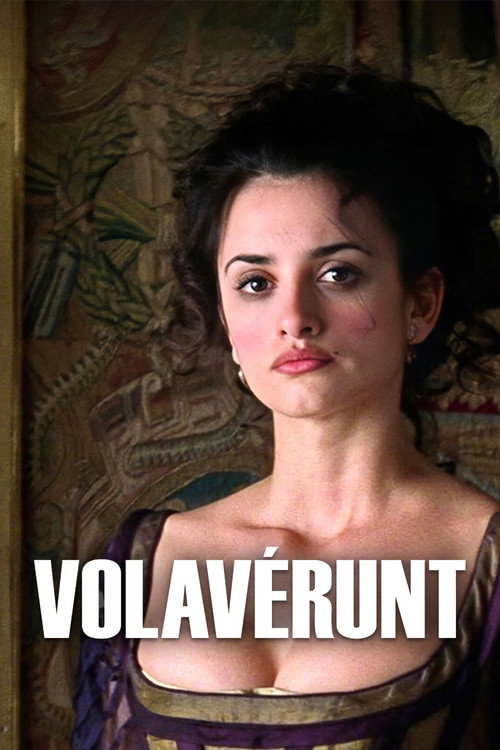
The story revolves around Goya's womanising and the mysterious death of the Duchess of Alba at the end of the 18th and beginning of the 19th Centuries, at a time when Madrid was wobbling through a difficult time and setting the scene for the following Prim vs Crown uprising.
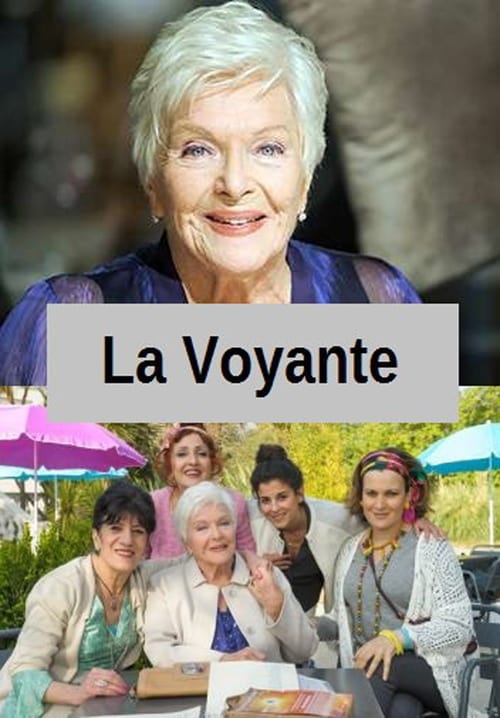
Véra Bellini fights with her psychic friends for their gift to be recognized by medicine. But her opponent Doctor Pelletier thoughly resists and will reveal a difficult secret about Vera's life.
Michel, a children's book author, has always been successful in life until the day his wife leaves him for a Chinese person. Planning on killing his rival, he starts looking for them.
No description available.
Theater play "Les fourberies de Scapin" played by the "Comédie française" in 1998.
A burnt-out New York psychoanalyst exchanges apartments with a Parisian woman. When his patients arrive, they talk to her and then pay. He returns early and becomes a patient as well.
Horty, a French foundry worker, wins a contest and is sent to see the sailing of the Titanic. In England, Marie, saying she is a chambermaid on the Titanic and cannot get a room, asks to share his room. They do, chastely; when he awakens, she is gone, but he sees her at the sailing and gets a photo of her. When he returns home, he suspects that his wife Zoe has been sleeping with Simeon, the foundry owner. Horty goes to the bar, where his friends get him drunk and he starts telling an erotic fantasy of what happened with him and Marie, drawing a larger audience each night.
Bruno and Florence invited Sophie and Alex for the evening, but nothing goes as planned between the successful author, the brilliant entrepreneur and their respective wives, two sisters. Contradictions, anxieties, bad faith and pettiness come around the table. A delightful cascade of incidents quickly transforms the family reunion into a crazy night where secrets, bottles and unsaid are shattered until the two couples, caught in an irresistible whirlwind, formulate the most unexpected.
A young Italian, living in Paris with his French wife, is about to become a father. Before the baby is born, Alberto must repay his father for every expense from his own birth until he left home.
In the large ward of a military hospital, a child of about ten years old crawls under the beds of the wounded. To keep him away from the turmoil of war, his mother sends him to an elderly Lutheran woman, Mother Cazal, who lives with her daughter Suzanne in a house lost in the mountains.
A famous director wants to make a film about true love, the kind his grandparents experienced when they lived together for 60 years. For this project, he holds auditions in a commercial real estate office. He asks the actors and actresses he meets to tell him about their conception of Love, with results that differ from those he expected...
We take him for someone else, a Mr. Schmitt. And one evening, at dinner, he and his wife, played by Valérie Bonneton, realize that their apartment has changed, that their business is not theirs. The play is about the perception of oneself. I love the absurd universe of its author, Sébastien Thiéry.
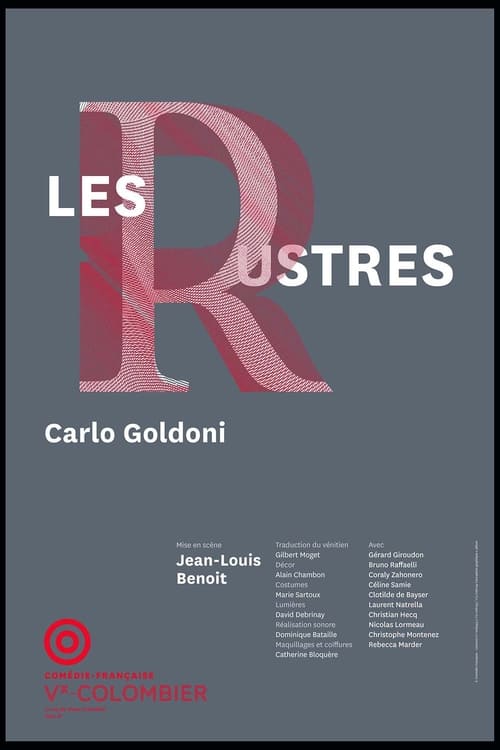
Written in 1760, Carlo Goldoni’s comedy has never been performed at the Comédie-Française, perhaps overshadowed by the famousHoliday Trilogy. A satire of the Venetian merchant class, embodied by narrow-minded, complaining and intolerant men whose mistrust of the fairer sex borders on the absurd, The Boors perfectly illustrates Goldoni’s theatre, a “theatre of life with a real content, characters observed in reality, and a natural expression.” Thus, a theatre in which the man Voltaire described as “nature’s son and painter” scrutinises his contemporaries, their relationships and their social behaviour. His work served to entertain while providing posterity with an acute testimony of the morals of his time. Indeed, Jean-Louis Benoit warns against reducing the author to a simple “photographer of reality”.
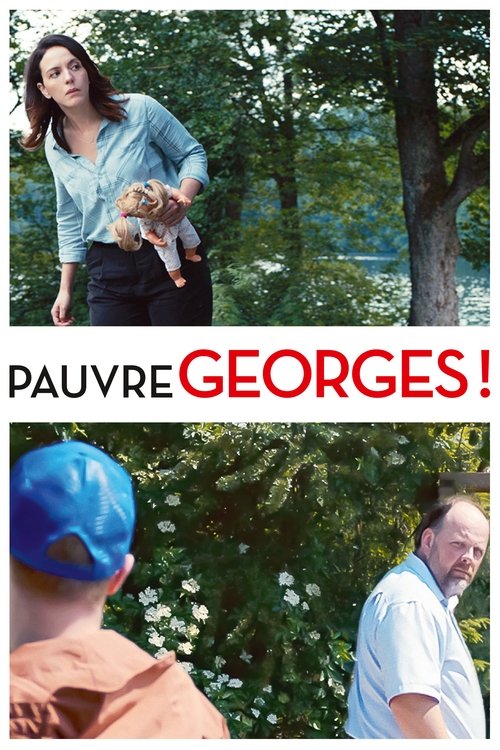
Georges (Grégory Gadebois), teaches school in Montreal – he and wife Emma, (Monia Chokri) have just moved to the countryside. One day, he surprises a young intruder Zack, (Noah Parker), rummaging through his things.
Raphael, aged 70, commits suicide. He finds himself on the other side of the mirror and of life, in the realm of the dead. There he meets his wife, who died 30 years ago after they separated. But he is not accepted there because he committed suicide. To everyone's surprise, Raphael wakes up in his hospital bed. He decides to enjoy his newfound life. But his son Pierre, kicked out by his wife, moves in with him...
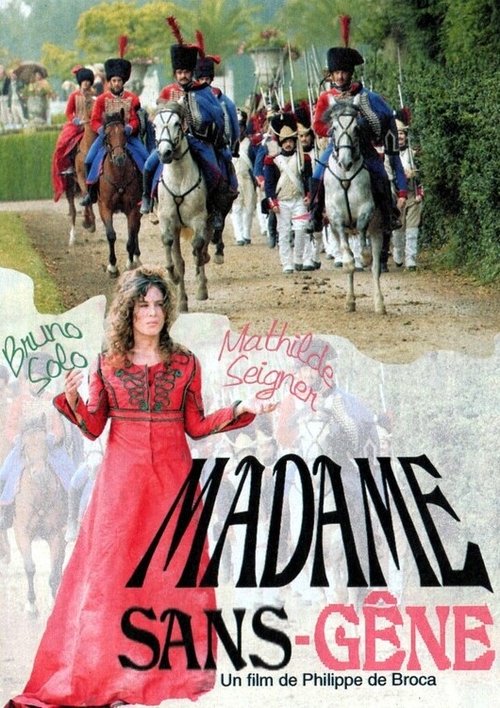
In August 1792, on the eve of the attack on the Tuileries, Catherine Hubscher, a laundress in Paris, met a sergeant and an artillery lieutenant who would become respectively Marshal Lefèvre and Emperor Napoleon I. 1810. Napoleon was about to marry Marie-Louise. Fearing the inconstancies and moral lessons of Marshal Lefebvre, the emperor asked her husband to keep her away from the wedding ceremonies. He is unaware that the hotheaded young woman has received a personal invitation from the Austrian embassy.
Françoise Barnier, the film's heroine, is a mother. One day, she stole something. She was in dire straits but no more so than usual. She was not in debt. She had always refused the degradation of excessive debt and charities, attempting to live in line with the rules laid down by society and the law. We follow her journey through the judicial institution. Here, two ideas of justice and law collide.
A small-town detective unravels a web of secrets after a mysterious hanging jolts the community. As whispers of betrayal surface, he confronts his own demons, navigating the fine line between justice and vengeance in a chilling quest for truth.