Sound
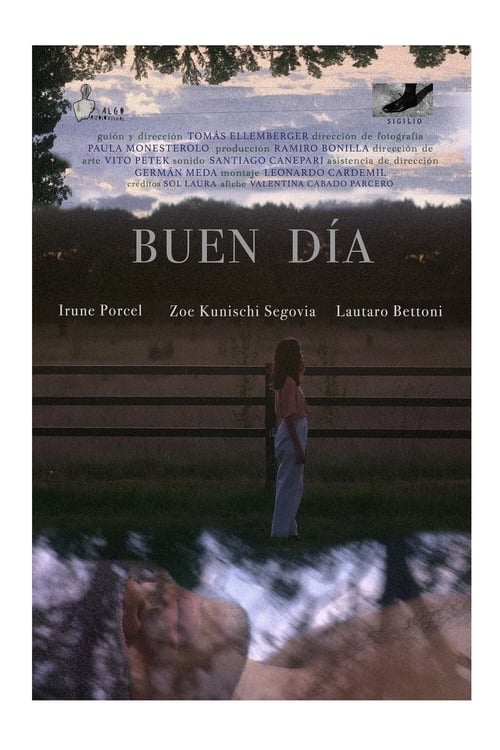
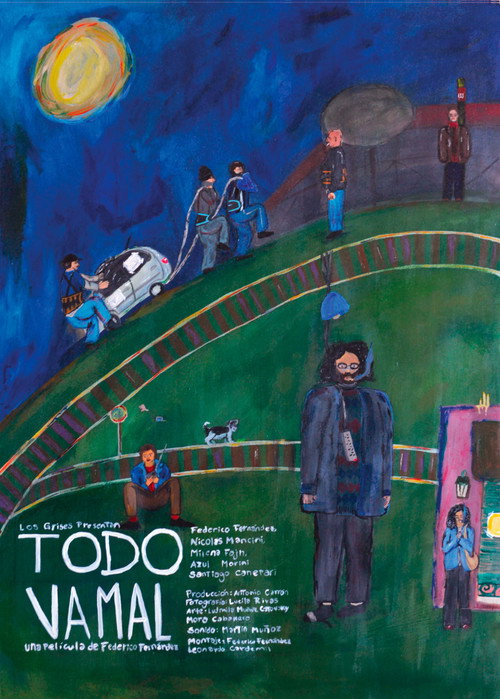
Summer, 1984. A young couple decides to go on a holiday trip to a quiet hotel in the province of Buenos Aires
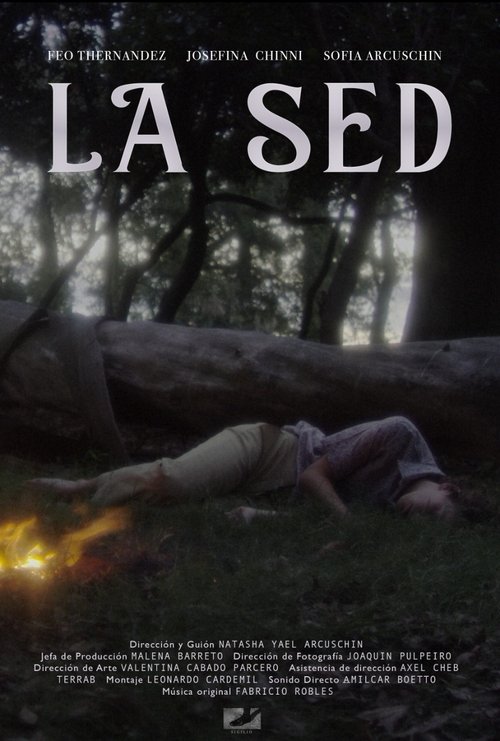
Clavo is a romantic daydreamer of a boy. Polilla is a fierce and beautiful girl. They both wake up in a strange world with a terrible thirst; a world where trees have faces, and where unique and fearful creatures roam. Above all things, and nevertheless, there are no sources of food to be found. Therefore, Clavo and Polilla must come up with a plan in order to survive.
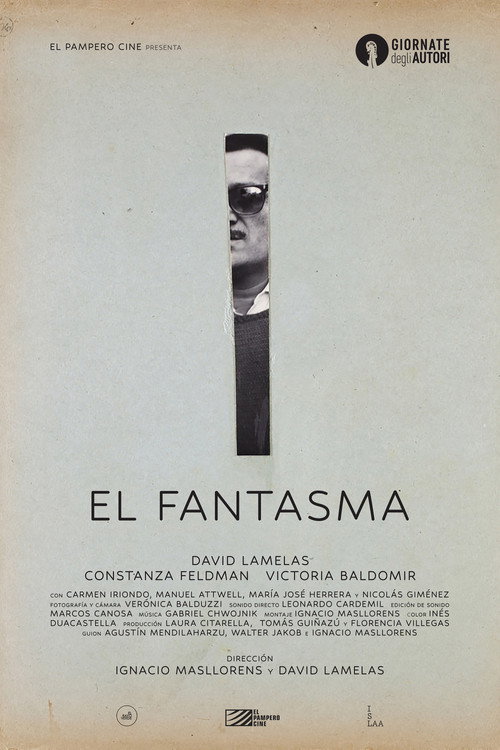
Two female producers are commissioned to create a short documentary for an exhibition dedicated to Rubén Santantonín, an elusive figure of the Argentine avant-garde who died very young, in the late 1960s. However, the client imposes one unexpected condition: the video must be made together with David Lamelas, Santantonín’s former collaborator and today an internationally recognized figure of conceptual art. At first, the plan seems clear and limited in scope: Lamelas, accompanied by a young film crew, gathers archival materials, documents the few surviving works, and interviews curators and major artists – such as Luis Felipe Noé and Marta Minujín – who, along with Santantonín and Lamelas, peopled the legendary scene at the Instituto Torcuato Di Tella. Lamelas gradually realizes that reconstructing the story of his friend also means confronting a series of gaps and contradictions.
No description available.
In an almost empty Buenos Aires, without power or gas, a suicidal young man is forced to survive.
When her parents are forced to rent out the apartment where she lives, Dafne lies about adopting an injured dog to avoid moving. Keeping up the lie will force her to take her first step into adulthood.
A photographer goes to work at a party. There he meets Sátira, a singer who will transform his night in an unexpected way. Among drinks, cigarettes and glances that say more than they should, the night becomes a scenery for tensions, complicities and small escapes.
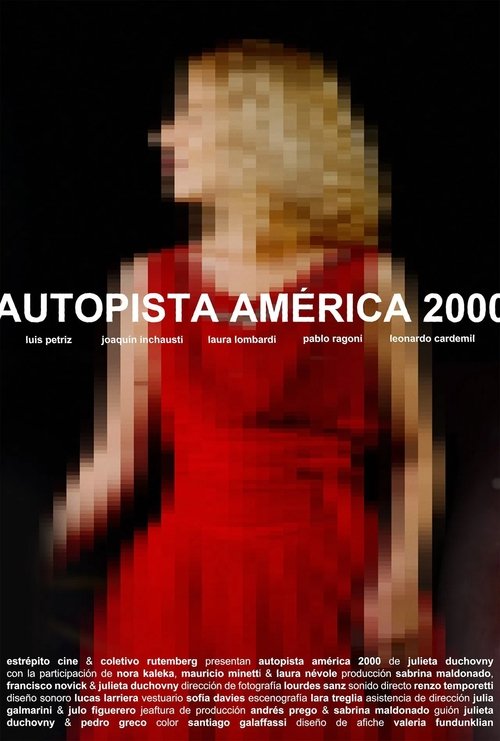
Laura finds herself caught up in a frenzy of mystery and international suspicion when she believes she has discovered that Germans are trying to block her sister Débora's visit from Berlin.
A farewell opens up a strange world, in which Carmela sees transformations in her face and everything around her. She will wander through the city in search of something that can reconnect her with her desire.
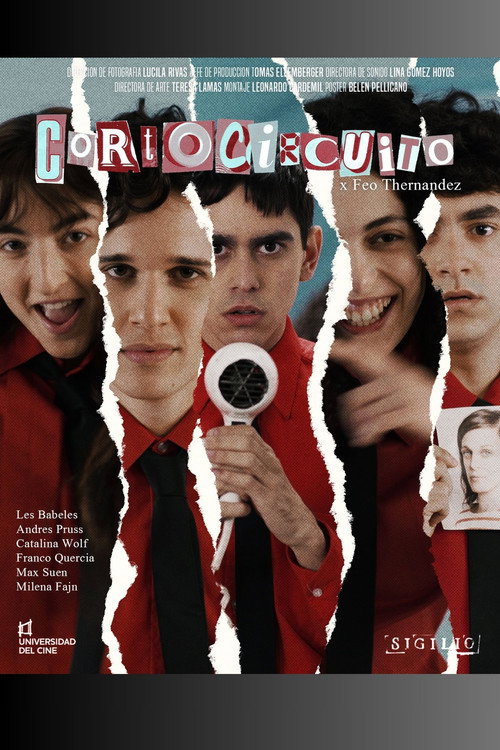
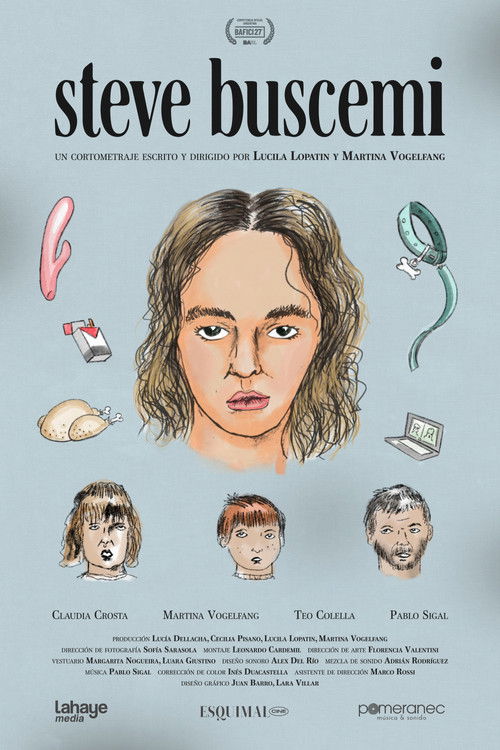
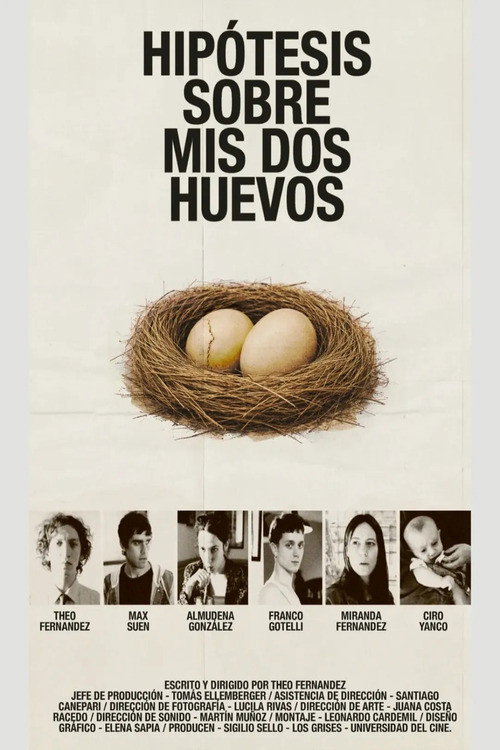
Feo Thernandez develops a hypothesis about each of his balls. The right one, if it were a person, would be the Brad Pitt of the suburbs. The left one, on the other hand, poses a much more complex theory.
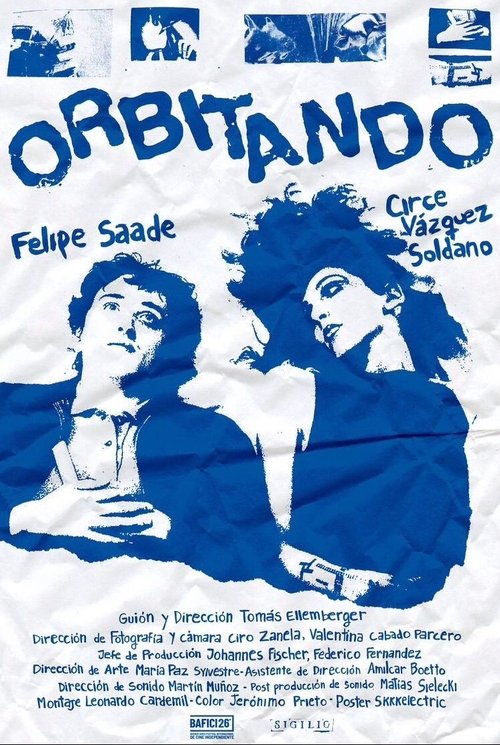
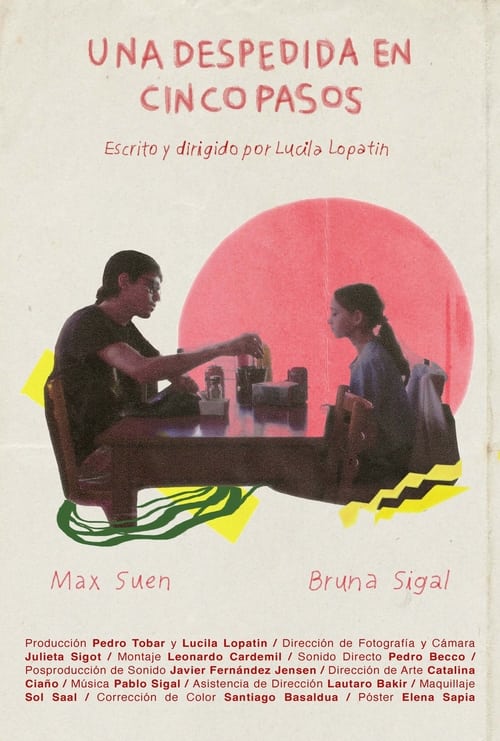
Renata skips school to look for Max, her older sister’s recent ex-boyfriend. They share a farewell lunch, but only at the end does she realize she will never see him again.
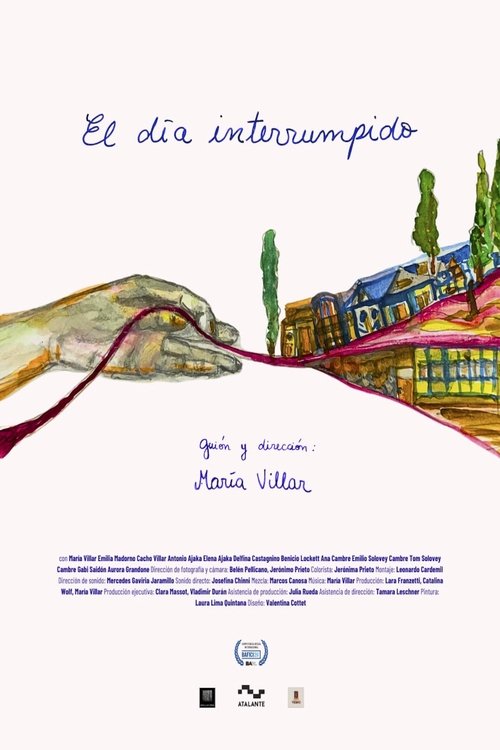
As the day begins, a woman sets out to go about her routine, until she decides to take her children to the cemetery to see zombies. When she returns home, this interruption in her day will leave her with a strange and magical feeling.
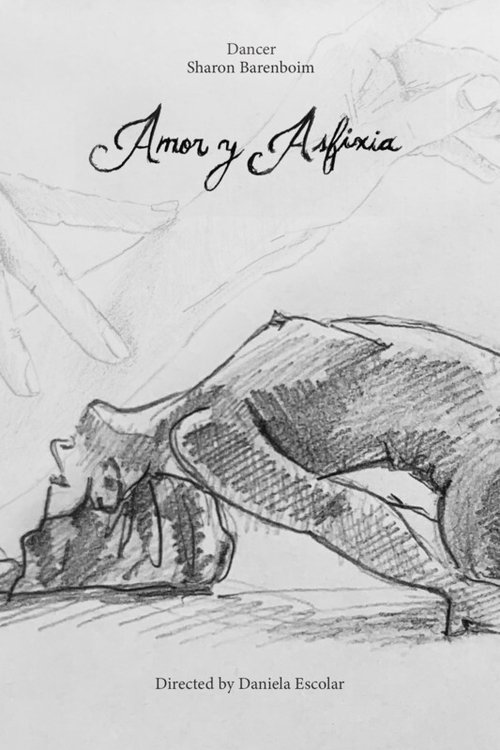
Dance becomes a vehicle to show love's different phases. Amor y Asfixia consists of three scenes that seek to dismantle certain social stereotypes linked to the women's body and its role in dance. It's a short film that experiments with the human body to initiate a bigger discussion.
Is this film about Clorindo Testa or not? Is it about the life of the director, about the life of his father, about the life of his country, or is it just one of those biographical films that proliferate at film festivals in which the narrator spends his time recounting family anecdotes and pulling old photos out of a box? This small, microscopic adventure, whose subtitle, stolen from the Savoyard Xavier de Maistre, could well be Voyage autour de mon père, navigates between these threats and others even worse.
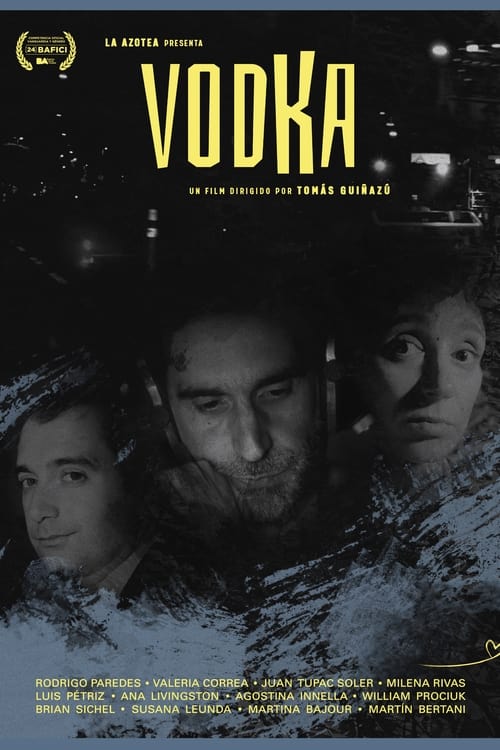
Manuel Jiménez receives some clandestine wiretappings that he has to transcribe. Because of this, and almost without wanting to, he enters a kaleidoscopic plot that involves a group of people at a party, their later walkabouts around the city at night, and their relationship with the secrets hidden inside Vodka’s diary.