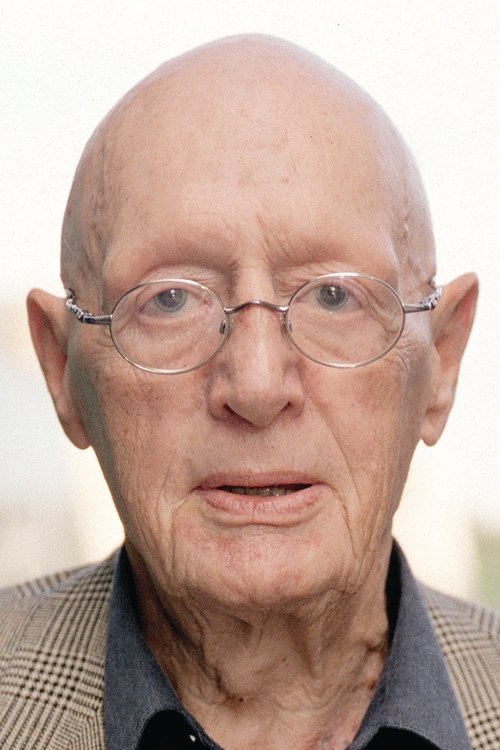
Wolfgang Menge
Writing
Biography
Wolfgang Menge was a German writer, primarily a screenwriter, and journalist.
Known For
Tatort is a long-running German/Austrian/Swiss, crime television series set in various parts of these countries. The show is broadcast on the channels of ARD in Germany, ORF in Austria and SF1 in Switzerland.
Scene of the Crime

No description available.
NDR Talk Show
No description available.
Alpha Forum

The Bambi, often called the Bambi Award and stylised as BAMBI, is a German award presented annually by Hubert Burda Media to recognize excellence in international media and television to personalities in the media, arts, culture, sports, and other fields "with vision and creativity who affected and inspired the German public that year", both domestic and foreign. First held in 1948, it is the oldest media award in Germany. The trophy is named after Felix Salten's book Bambi, A Life in the Woods and its statuettes are in the shape of the novel's titular fawn character. They were originally made of porcelain until 1958, when the organizers switched to using gold, with the casting done by the art casting workshop of Ernst Strassacker in Süßen.
Bambi
No description available.
3 nach 9

No description available.
alfredissimo! Kochen mit Bio
Annual awarding of the Grimme Awards.
Grimme Award
No description available.
Nachtstudio
No description available.
Wortwechsel
No description available.
German Television Award
A German television format in which Günter Gaus interviewed prominent members of German society, particularly politicians. More than 200 interviews were conducted over the course of 40 years.
Zur Person
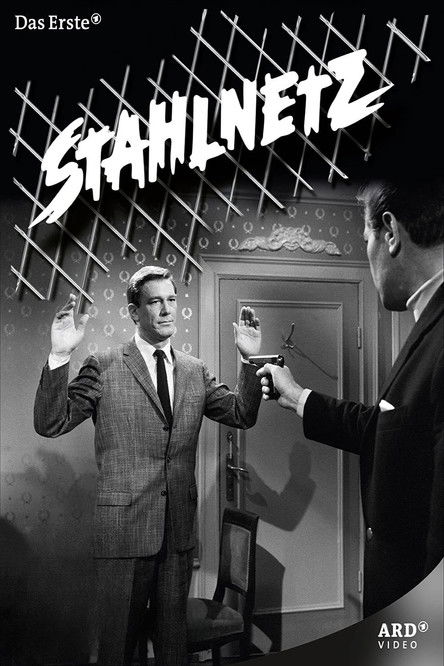
Stahlnetz is a German television series.
Stahlnetz
No description available.
Leute
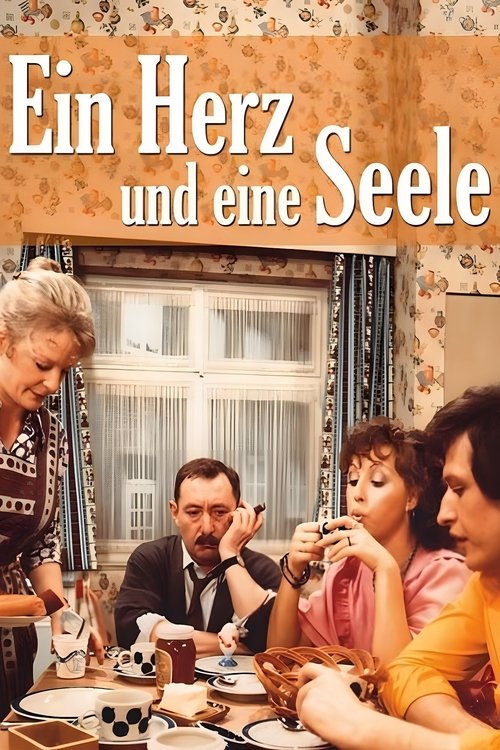
Ein Herz und eine Seele is a German cult sitcom based on the British sitcom Till Death Us Do Part by Johnny Speight. The show premiered on January 15, 1973 and lasted for about twenty episodes, airing its last on November 4, 1974. In 1976, the show had a short-lived revival with another four episodes. Ein Herz und eine Seele was written by Wolfgang Menge. The show was extremely successful during its initial run and it still proves very popular in reruns. Two episodes in particular, Silvesterpunsch and Rosenmontagszug have gained such popularity that they are now shown traditionally on German TV on New Year's Eve and Rosenmontag, respectively.
Ein Herz und eine Seele
A fictionalized version of a military training fight.
Planübung
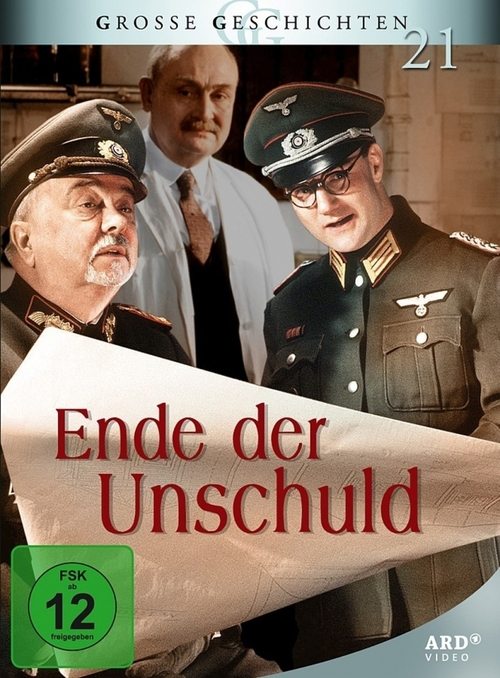
End of Innocence is a two-part television film that focuses on the work of the German Uranium Association during World War II. At Farm Hall in England, the ten German nuclear scientists interned there as part of Operation Epsilon learn of the dropping of the first atomic bomb on Hiroshima in August 1945. In flashbacks, the development of the German uranium project is recapitulated chronologically from the discovery of nuclear fission by Otto Hahn to the work of Kurt Diebner at the Heereswaffenamt to the experiments of the Kaiser Wilhelm Institute for Physics under Werner Heisenberg and Carl Friedrich von Weizsäcker at the Haigerloch research reactor in spring 1945.
End of Innocence

Motzki is a German television series.
Motzki
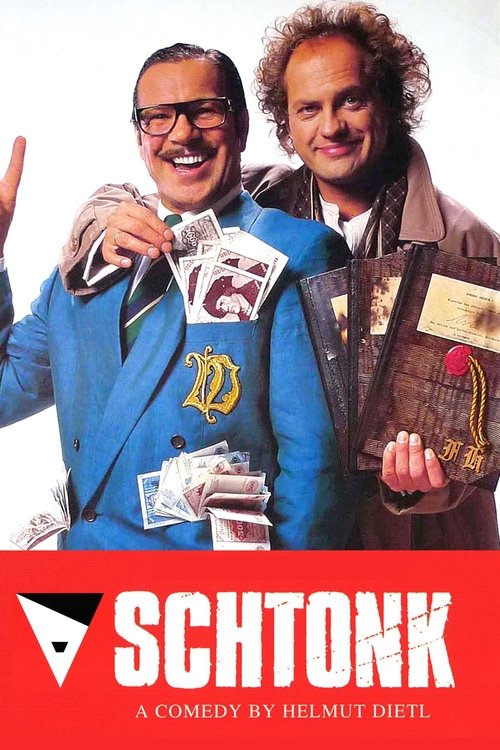
Schtonk! is a farce of the actual events of 1983, when Germany's Stern magazine published, with great fanfare, 60 volumes of the alleged diaries of Adolf Hitler – which two weeks later turned out to be entirely fake. Fritz Knobel (based on real-life forger Konrad Kujau) supports himself by faking and selling Nazi memorabilia. When Knobel writes and sells a volume of Hitler's (nonexistent) diaries, he thinks it's just another job. When sleazy journalist Hermann Willié learns of the diaries, however, he quickly realizes their potential value... and Knobel is quickly in over his head. As the pressure builds and Knobel is forced to deliver more and more volumes of the fake diaries, he finds himself acting increasingly like the man whose life he is rewriting. The film is a romping and hilarious satire, poking fun not only at the events and characters involved in the hoax (who are only thinly disguised in the film), but at the discomfort Germany has with its difficult past.
Schtonk!
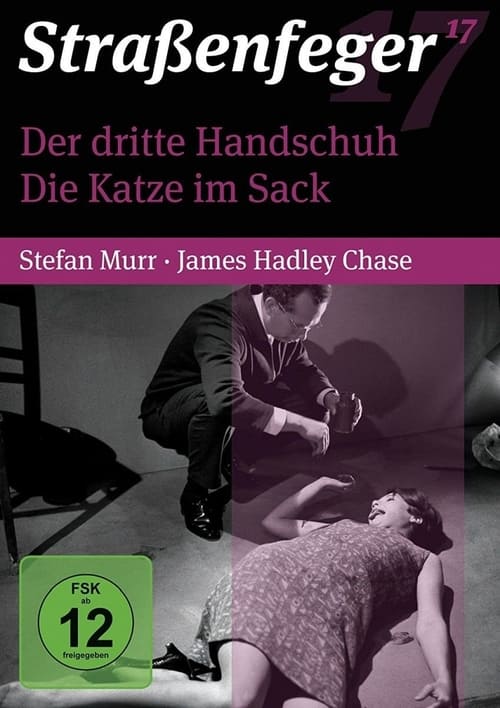
Vic Malloy discovers the letter of a girl in his letter tray. The shnodder detective has probably forgotten to open it some time ago. He now learns that the young millionaire should have come to life immediately after sending the letter. But who inherited the fortune? The sister who says in the letter that she should be in the violence of blackmailers. With his detective colleague Jack, Vic goes after the matter. They encounter a secret crime.
Die Katze im Sack
No description available.