Biju Toppo
Directing
Known For
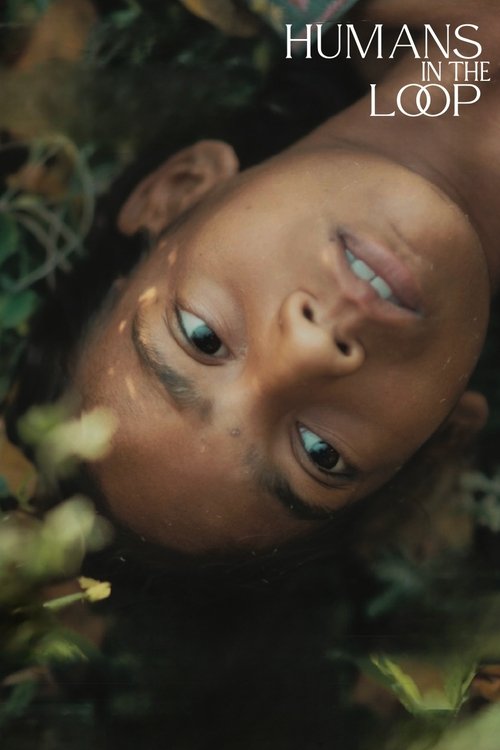
An indigenous woman works as an AI data-labeler after returning to her village with her children, but soon questions the human bias in machine learning.
Humans in the Loop
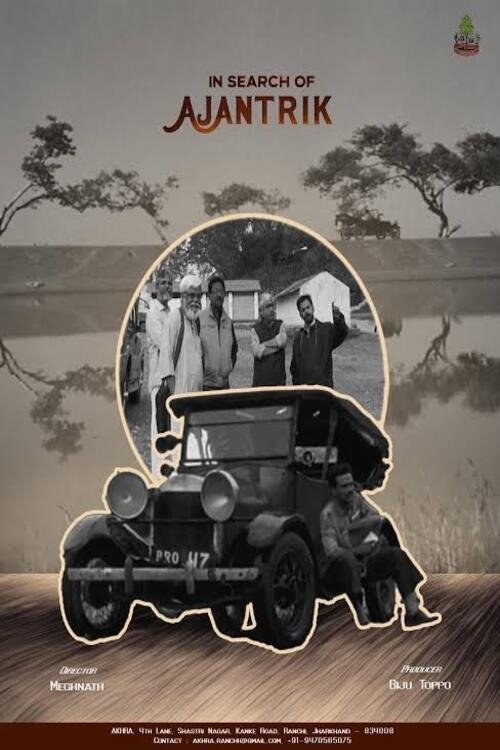
It’s a film about the journey of the director, who is searching for Adawasi culture and life in reference to Ritwik Ghatak’s film Ajantrik. Ritwik Ghatak made Ajantrik in 1957, and it was shot in Jharkhand. The film is trying to find out what the central idea of the film was and why Ghatak chose this area as the backdrop of the film. This also looks into the contemporary socio-political situation and relevance of Ajantrik today.
In Search of Ajantrik

This film presents and examines orchestrated state violence against indigenous and local people when they rally and protest against development projects on their land. The film records stories of human rights violation from five states: Kashipur in Orissa, Koelkaro in Jharkhand, Mehndikhera in Madhya Pradesh, Umbergaon in Gujarat and Nagarnar in Chhattisgarh. In each case, using the local police force, the state has brutalised and killed protestors, often on false charges of violence.
Development Flows From The Barrel Of The Gun
For centuries, there have been people who have laid down their lives taking side with the oppressed. This is the story of Sr. Valsa John of the SCJM order, born on 19th February 1958 in Edappally, Ernakulam district of Kerala. She joined the SCJM congregation in the year 1983. Valsa decided to work among the Santhal tribe of Jharkhand, who were fighting for their rights over land, water and forest. She led the people’s movement, Rajmahal Pahar Bachao Andolan, for 15 long years against the oppressors of the people. She was brutally murdered by the mining mafia on 15th November 2011 in the anti-displacement struggle against the PANEM company in Pachuwara village in Pakur district. She was the third leader who was killed during the same struggle.
Taking Side

Narrates the story of how common people fight their daily battles for survival, living and working in area dominated by the highly polluting sponge iron industry located in their neighbourhood. With few regulations in place to protect those most vulnerable, the people must take it upon themselves to fight to save their land and livelihoods.
Iron is Hot

This is a film on the life and works of Padmashri Dr. Ram Dayal Munda. He started the Tribal and Regional Language Department of Ranchi University and became the Vice Chancellor. Ram Dayal Munda was the leading intellectual who has contributed to Jharkhand movement immensely. Dr. Munda has represented Adivasi voices in the United Nations. He was awarded with Sangeet Natya Academy Award, 2007 and Padmashri in 2010. He was elected to Rajya Sabha in 2010. The camera has traversed through the protagonist’s personal and public life, a man as a brilliant student, a successful teacher, a poet, a performer, an activist, and a philosopher
Dance to Survive

Gadi Lohardaga Mail is a documentation of people’s memories about a passenger train that ran on the now defunct narrow-gauge tracks till January 2004.
Gadi Lohardaga Mail

‘Jharia’ is the story of an eighty-five-year-old man, Simon Uraon, the “Water Man” of Jharkhand, who has been working relentlessly on water management and environmental protection in the villages of Jharkhand since he was fourteen.