
Mateus Rameh
Directing
Biography
Born December 30, 2001 in Recife, Pernambuco, Brazil, Mateus Rameh moved to Rio de Janeiro in 2014. Since then, his travels around those regions resulted in several films, with different partners in each place.
Known For
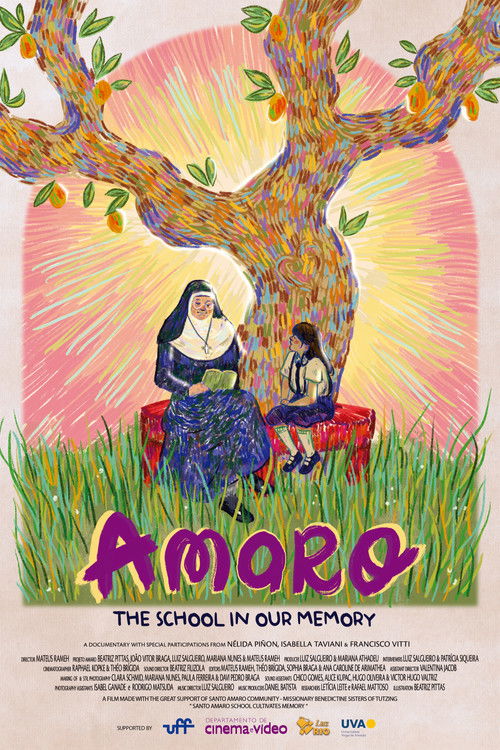
About to turn 100 years old, Santo Amaro School closed its doors in 2020, amid the pandemic, leaving former students in deep sorrow. The story of the school is now told by different generations of students, teachers, nuns and employees, who return to the school building to remember their time over there: an unreachable past, which, through memories, becomes present once again.
Amaro: The School in Our Memory

Tatisa eagerly gets ready to go to the highly anticipated Green Ball, but chooses to ignore her father who is dying in silence in the next room. Her friend Lu, who anticipates this tragic end, tries to help her come to terms with the inevitability of loss. Amidst the sparkle of beads and the obscurity of death, Tatisa finds herself paralyzed in her denial, unable to accept the impending grief.
Before the Green Ball
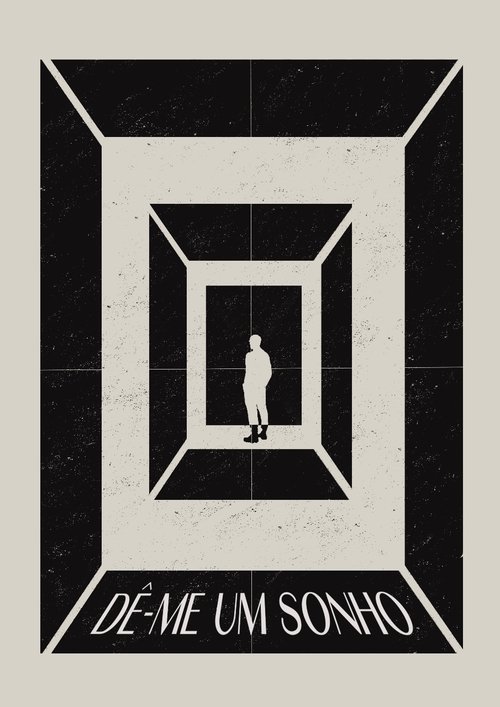
A boy finds himself lonely and seeks ways to end this feeling.
Bring me a Dream
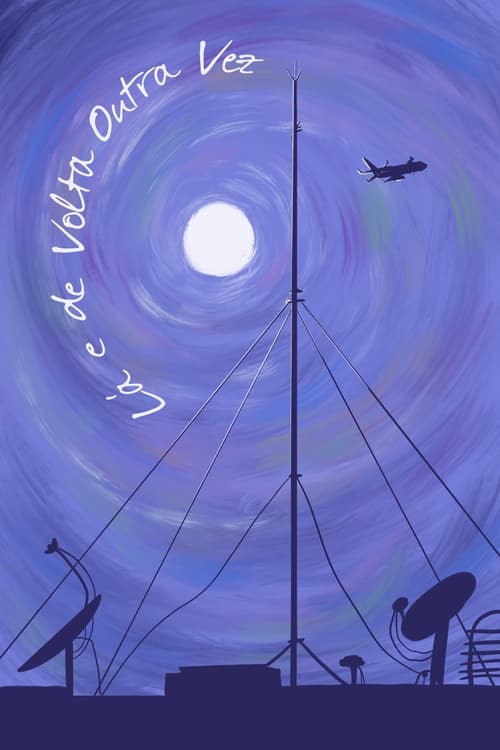
During the COVID-19 pandemic, Marília, Marcelo and Mateus travel from Rio de Janeiro to Pernambuco, their homeland. Unable to meet as many friends and family as before, what remains in the empty places is the memory from when they lived there. As they wander between past and present, their affection comes to light, for they know that soon the trip will come to an end and those places will remain only in their memories once again.
There and Back Again

A man faces the consequences of getting home distracted after buying some fruits at the supermarket.
Piñata
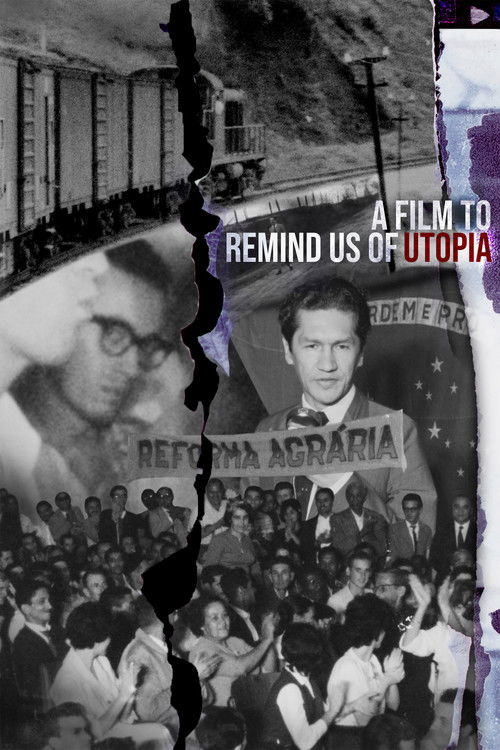
In Esdras Baptista's film archives, kept at his home for decades, one can feel the fervor of those who believed in a new tomorrow. Filmed in Brazil in the early 1960s, in the heat of a libertarian political movement, the filmmaker's images materialize the incandescence of collective desires at the historic moment of their emergence. Utopia, though unattainable, is never a mere abstraction. A force that mobilizes actions and feelings, it constitutes the impetus necessary for human existence.
A Film to Remind Us of Utopia
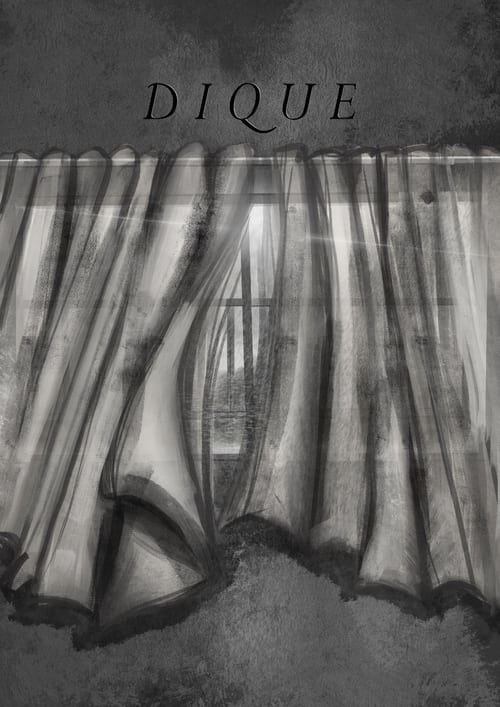
A heavy rain hits a dike, leaving it on the verge of a collapse. There is no safety and it is not possible to predict when it’s gonna end.
Dike

Five brothers, the Silvas, go alone to the Olinda beach, in Pernambuco, Brazil.
The Silvas
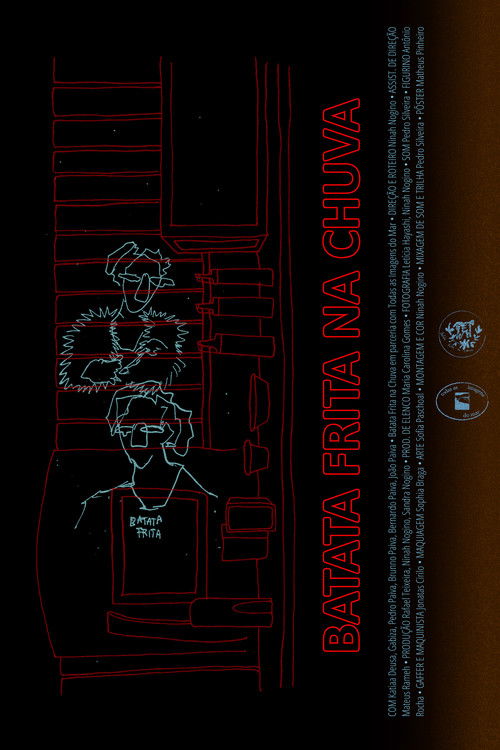
It’s a rainy night at the French Fries and Açaí trailer run by two trans girls in a community nestled between rural and urban life. Customers gather, kids make a mess, and someone is burning photos. Heartbreak lingers in the air.
French Fries in the Rain
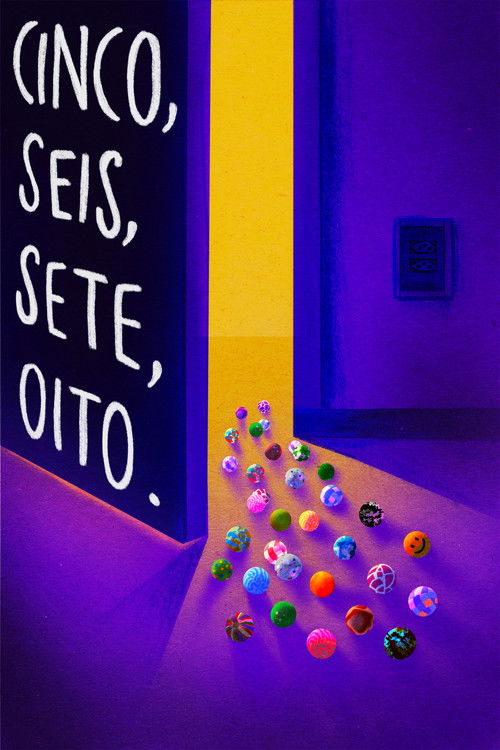
Juana's parents are getting a divorce. She doesn't know it, but deep down, she does. Amidst absences and small moments, Juana tries to reclaim the love and lightness of her family life. Which is difficult, because her parents are never together. Most of the times, her father just isn't there. Until he is. "Five, Six, Seven, Eight" is a film about love that, even when it seems to no longer be there, never truly ceases to exist.
Five, Six, Seven, Eight

João Neves travels to the city of São Marcos, to take a magic course, and stays at his cousin Danilo's apartment. The latter, however, has no patience for João and leaves him alone in the apartment, in which he remains only with himself... And his deck.
Blue Magic
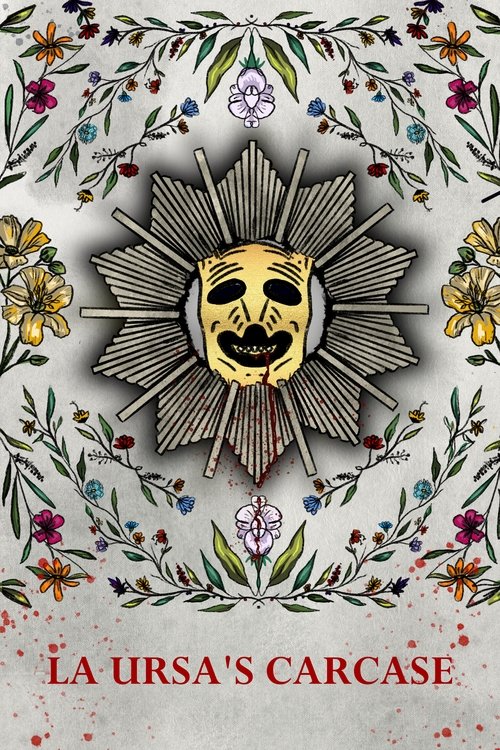
The tale of a shattered La Ursa, an imprisoned image that carries another one within it, a lurking one. From the inside of the void, La Ursa faces back a turmoil world that crumbles and destabilizes. You can only see a reflection, a snip, a Carcase.