Maria Juçá
Acting
Known For
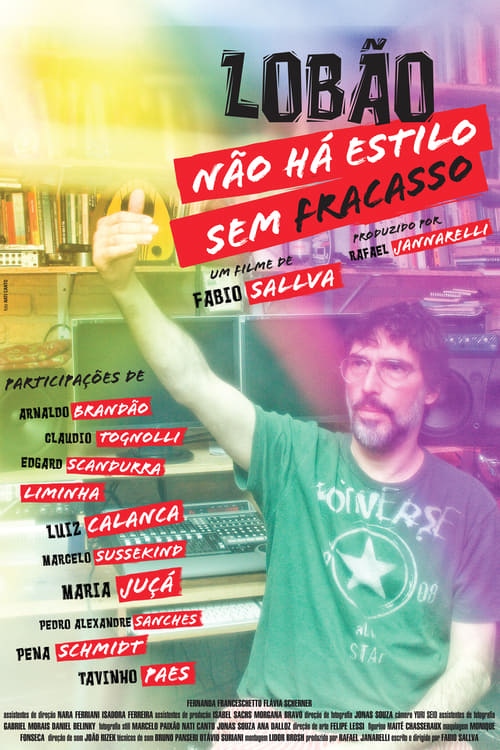
"Lobão - Não Há Estilo Sem Fracasso" investigates the artistic career of Lobão, one of the most famous musicians of brazilian rock in the 80s. From some interviews with people such as Edgard Scandurra, Liminha and Marcelo Sussekind, this short movie shows various points of view about music industry and it presents hits of Lobão such as "Das Tripas Coração" and "Mal de Amor".
Lobão – Decadence Avec Elegance
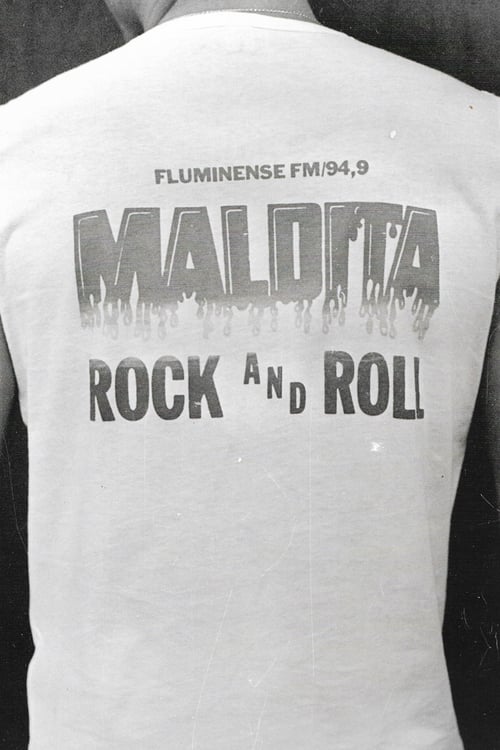
On March 1, 1982, the city of Niterói enters history and hosts one of the most important cultural movements: a so-called Rock 80 Generation. Radio Fluminense FM, known as “A Maldita”, goes on the air, mixing irreverence, daring and creativity with its programming aimed at music that lacks commercial space. The boldness of believing in the new made “Maldita” become one of the main alternative communication vehicles, launching Brazilian rock groups and independent music and creating a legion of fans.
A Maldita
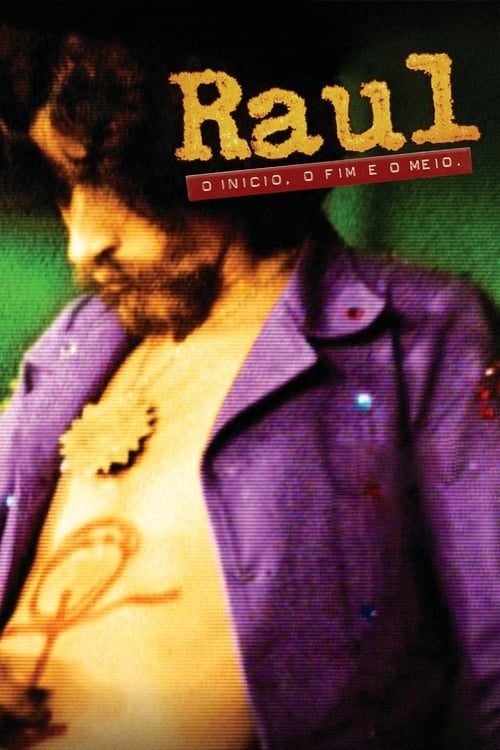
As the world boiled in the rush of Easy Rider bikes, in the frenetic pace of Elvis Presley, in Beatniks poets, in the explosion of counterculture, a boy from Bahia gave birth to Rock in Brazil. A runaway flying saucer that abducted the hearts and minds of thousands of fans, Raul Seixas, a man who became a myth. Raul died young because he lived intensely. Rock n 'roll, free love, alternative society, drugs, black magic, military dictatorship, women and daughters. A man who wanted to live from his work and died for it. The beginning, the end and the middle are confused, because the story is not over. The film reveals through rare images of archive, meeting with relatives, conversations with artists, producers and friends, the trajectory of the legend of Rock.
Raul: O Início, o Fim e o Meio

Rehearsal with the actor Breno Moroni, interpreting the paintings executed on the Parque Lage wall by the artists who worked at the School of Visual Arts - Generation 80. Period that started the expression of the graphics / mural in Rio de Janeiro.
O Muro
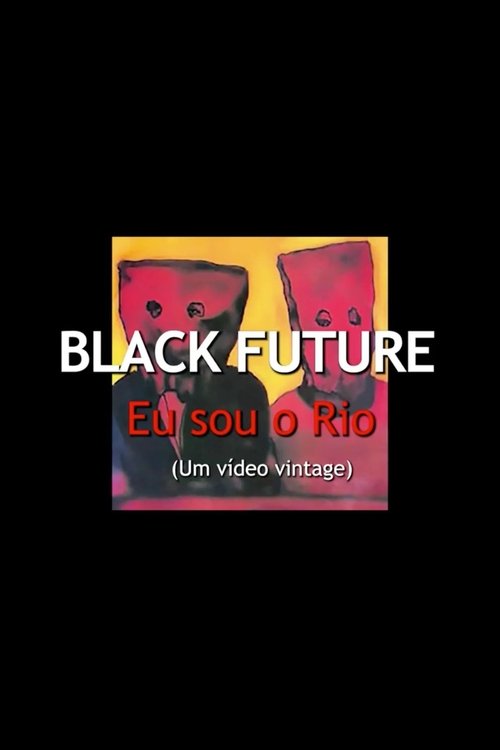
"Eu sou O Rio", debut album by the band Black Future, appeared on all lists of the best releases of the year it was released, in 1988. A critical success, the band presented a sound that mixed post-punk with "malandragem carioca", but almost no one heard it. To date, there has never been a reissue and is not even available on streaming services. With interviews carried out in celebration of the twenty years since the release of this obscure success, its former members and people close to them break down the history of the band and the album.
Black Future, Eu Sou o Rio
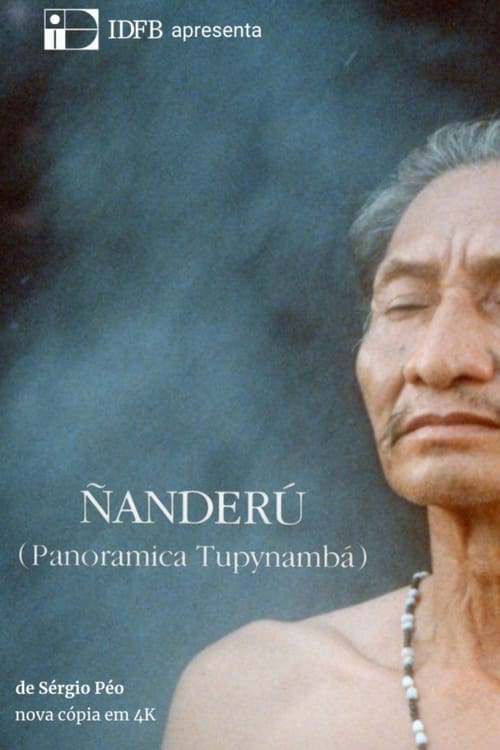
Poetic rescue of the memory of our Tupinambá ancestors. Considered extinct in the 16th century. The film has the testimony of Verá Miri, Chief / Pajé of the Guarani Mimbiá tribe.