
Antonio Machado
Writing
Biography
Antonio Machado Ruiz (Seville, 26 July 1875-Colliure, 22 February 1939) was a Spanish poet, the youngest representative of the Generation of ‘98. His initial work, modernist in style (like that of his brother Manuel), evolved towards a symbolist intimism with romantic features, which matured into a poetry of human commitment, on the one hand, and of contemplation of existence, on the other; a synthesis which in Machado's voice echoes the most ancestral popular wisdom. Several of his works have been adapted for the big screen: La Lola se va a los puertos (1947), La reina de la Sierra Morena (1949) and La Lola se va a los puertos (1993).
Known For
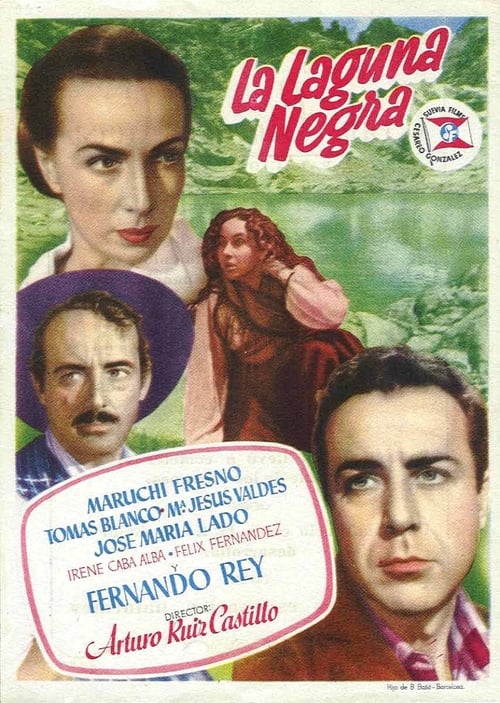
In a village in the mountains of Urbión, brothers John and Martin, driven by greed and abetted by Candelas, Martin's wife, kill his father and sink the body in the Black Lagoon. His wife and one daughter of the victim does not know anything. In the village would get missing. However, from now weigh a curse on the land for which they have committed the crime, predicting each year misfortunes and bad harvests.
La laguna negra
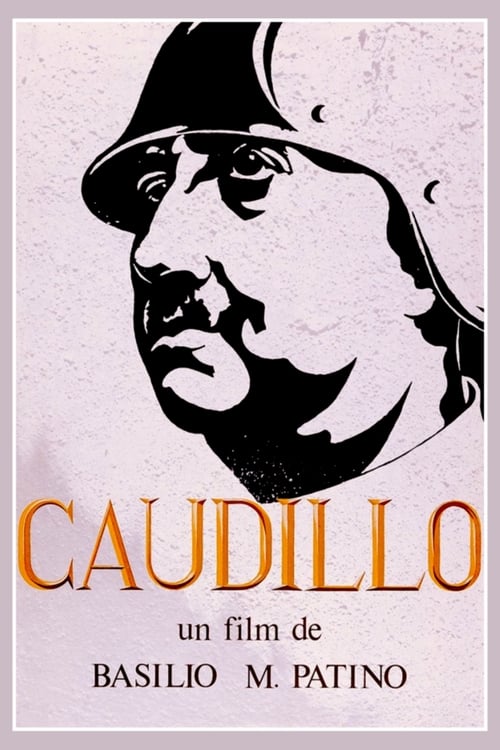
Caudillo is a documentary film by Spanish film director Basilio Martín Patino. It follows the military and political career of Francisco Franco and the most important moments of the Spanish Civil War. It uses footage from both sides of the war, music from the period and voice-over testimonies of various people.
Caudillo
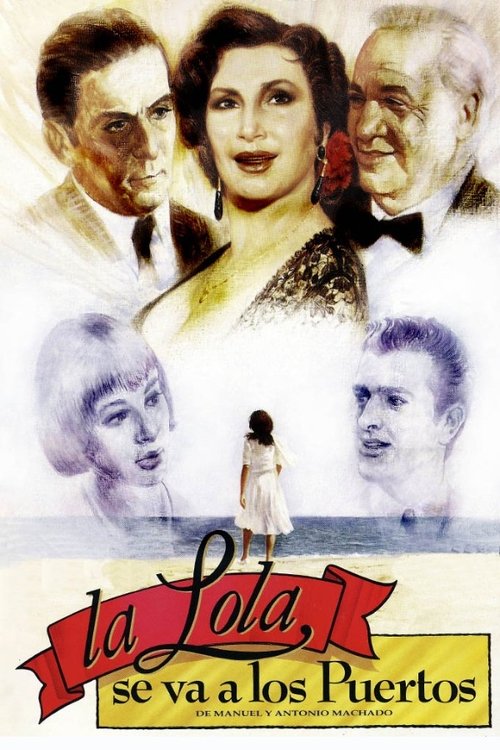
1860, in the Bay of San Fernando, Cadiz. Lola is an Andalusian singer who all men that meet her love. Along with guitarist Heredia, a man who is resigned to love her in silence, she travels to the farmhouse of the wealthy Don Diego, which is also in love with her, to sing in the compromise party of his son Jose Luis and Rosario, his fiancée of childhood. Lola, a woman who never loses her head, is disturbed by the presence of the handsome young gentleman José Luis. Both are attracted and inadvertently awaken the jealousy of Rosario and the envy of Don Diego ... Remake of an eponymous film directed in 1947 by Juan de Orduña
La Lola se va a los puertos
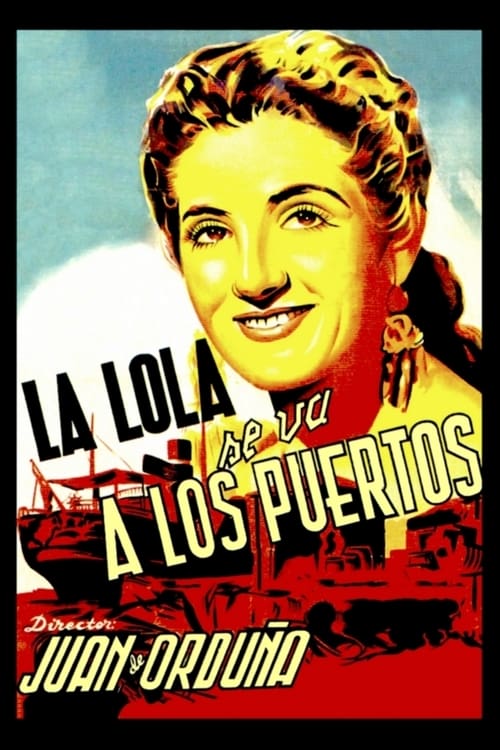
San Fernando Island, Cádiz, Spain, 1860. Lola embarks for Sanlúcar de Barrameda to go to the estate of Don Diego, a rich landowner who is in love with her.
La Lola se va a los puertos
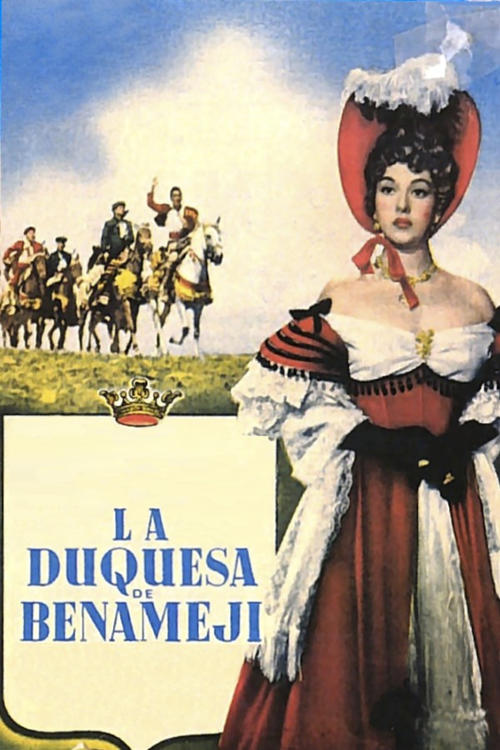
Bandits in Sierra Morena assault the carriage in which the Duchess of Benamejí travels. A romance starts between her and the boss of the gang, Lorenzo, that arouses the jealousy of Rocio a gypsy who lives with the bandits. Meanwhile, the Marquis of Peñaflores, a captain in love with his cousin the Duchess, chases the bandits. Rocío reveals to the Marquis where Lorenzo and his men are and taking advantage of the tumult of the fight, she kills the Duchess. Her death will cause a change in attitude both Lorenzo and Peñaflores
La duquesa de Benamejí
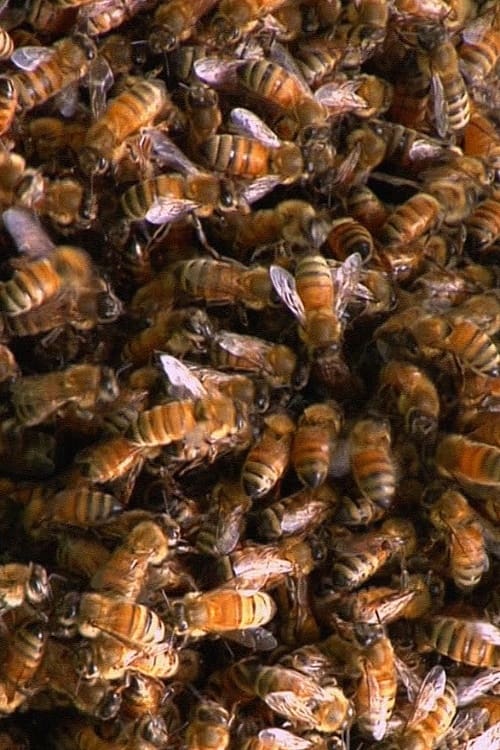
A poem by Antonio Machado, translated by Robert Bly and read by Alec Baldwin, is poetically depicted in Wind, an allegorical perspective on climate change.
Wind
A body fading in the night. An exercise.