Georgi Malenkov
Acting
Biography
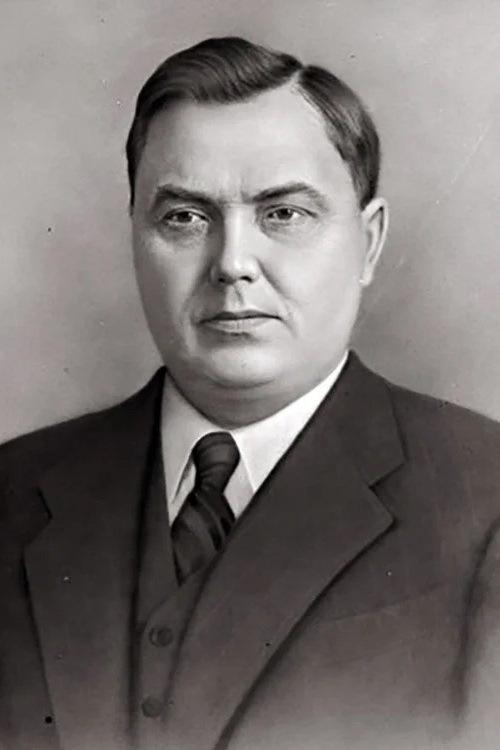
Georgy Maximilianovich Malenkov (8 January 1902 [O.S. 26 December 1901] – 14 January 1988) was a Soviet politician who succeeded Joseph Stalin as Premier and the overall leader of the Soviet Union in March 1953. Shortly thereafter, Malenkov entered into a power struggle with the party's First Secretary, Nikita Khrushchev, that culminated in his removal from the premiership in 1955 as well as the Central Committee Presidium in 1957. Georgy Malenkov served in the Red Army during the Russian Civil War and joined the Communist Party in 1920. Beginning in 1925, he served in the staff of the party's Organizational Bureau (Orgburo), where he was entrusted with overseeing member records. In this role, Malenkov was heavily involved in facilitating Stalin's purges of the party's ranks during the 1930s. By 1939, he became a member of the Central Committee Secretariat. During World War II, Malenkov was appointed to the State Defense Committee where he was charged with overseeing aircraft and missile production. After the war's end, he became a full member of the Politburo in 1946. Later in 1948, Malenkov succeeded Andrei Zhdanov as Second Secretary of the Communist Party of the Soviet Union. Upon Stalin's death on 5 March 1953, Malenkov succeeded him as Chairman of the Council of Ministers and the highest-ranking Secretary of the Central Committee. On 14 March, his colleagues within the Politburo (then known as the Presidium) forced him to give up his membership in the Secretariat, thereby allowing Nikita Khrushchev to become the party's acting First Secretary. Subsequently, Malenkov contented himself with serving as the Presidium's highest-ranking member and chairman until eventually being eclipsed by Khrushchev as the undisputed leader of the Soviet Union. After being compelled to leave office as Premier in February 1955, he conspired with other members of the Presidium to remove Khrushchev from the Soviet leadership. When the attempted coup by the so-called "Anti-Party Group" failed in 1957, Malenkov was dismissed from the Presidium and expelled from the party altogether by 1961. He kept a low profile for the rest of his life and died in 1988 of natural causes. Description above from the Wikipedia article Georgi Malenkov, licensed under CC-BY-SA, full list of contributors on Wikipedia.
Known For

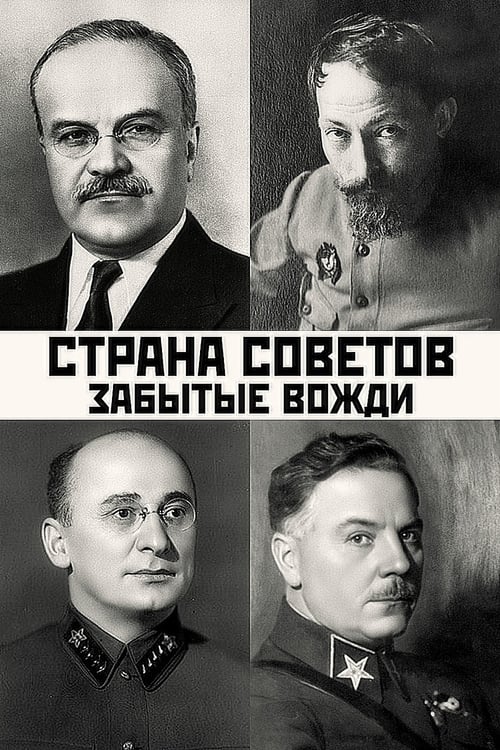
This is a project that talks about the key figures in the leadership of the Soviet Union from 1917 to 1953. Felix Dzerzhinsky, Kliment Voroshilov, Semyon Budyonny, Vyacheslav Molotov, Andrey Zhdanov, Victor Abakumov, Lavrenty Beria. Their names are known throughout the country today, but few people remember how they went down in history and what they did for their state. They were in the midst of civil confrontation and social upheaval, changing the course of history. Cities, streets and mountain peaks were named in their honor, monuments were erected to them, their victories were told in schools, but they could not know that after years their biographies would undergo careful editing, and all achievements would be forgotten.
Country of the Soviets. Forgotten leaders

March 9th, 1953. A gray, sad day. Clouds float low over the Kremlin towers. A city that unrecognizably grew, prettier and matured - this Moscow froze in solemn grief. The country escorts its father and leader, Joseph Stalin.
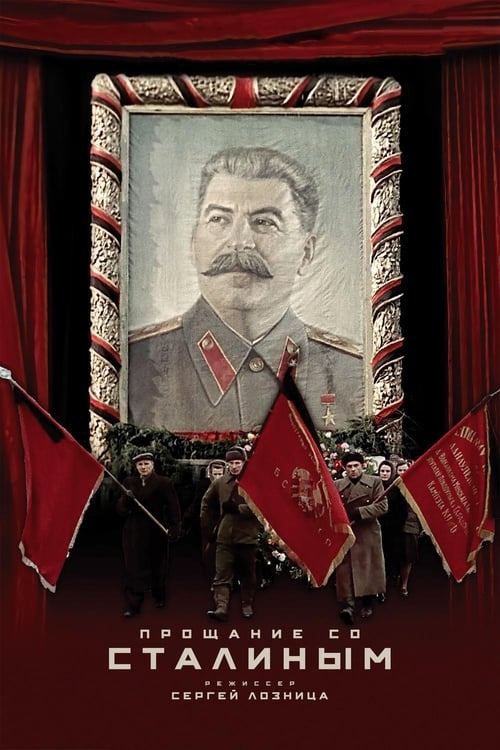
Velikoye proshchaniye

No description available.
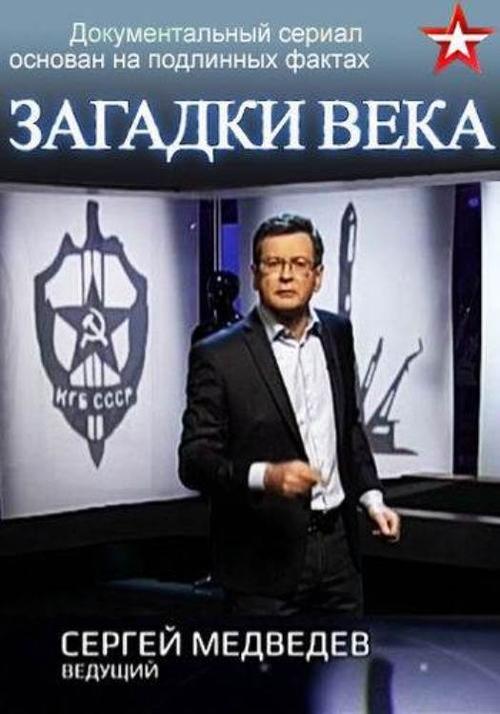
Загадки века с Сергеем Медведевым

The enigma of the personality cult is revealed in the grand spectacle of Stalin’s funeral. The film is based on unique archive footage, shot in the USSR on March 5 - 9, 1953, when the country mourned and buried Joseph Stalin.
State Funeral

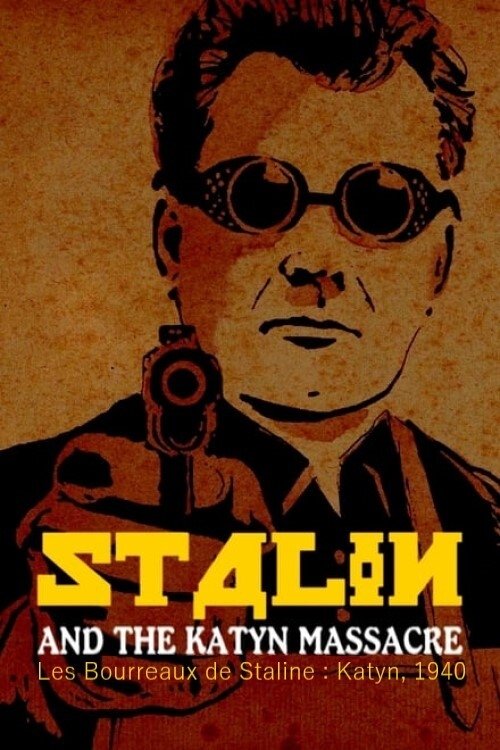
The Katyn massacre, carried out by the Soviet NKVD in 1940, was only one of many unspeakable crimes committed by Stalin's ruthless executioners over three decades. The mass murder of thousands of Polish officers was part of a relentless purge, the secrets and details of which have only recently been partially revealed.
Stalin and the Katyn Massacre

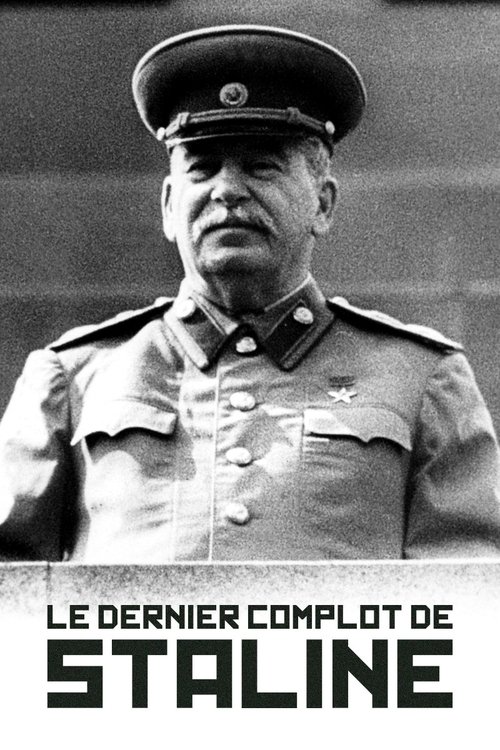
January 1953: On the eve of his death Stalin finds himself yet another imaginary enemy: Jewish doctors. He organizes the most violent anti-Semitic campaign ever launched in the USSR, by fabricating the "Doctors' Plot," whereby doctors are charged with conspiring to murder the highest dignitaries of the Soviet Regime. Still unknown and untold, this conspiracy underlines the climax of a political scheme successfully masterminded by Stalin to turn the Jews into the new enemies of the people. It reveals his extreme paranoia and his compulsion to manipulate those around him. The children and friends of the main victims recount for the first time their experience and their distress related to these nightmarish events.