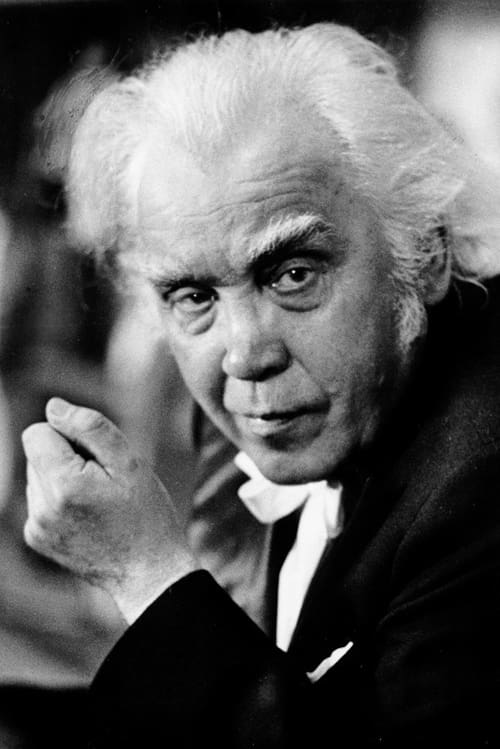
Gustav Ernesaks
Sound
Biography
Gustav Ernesaks (December 12, 1908 – January 24, 1993) was an Estonian composer and a choir conductor. Ernesaks was born in Perila, Peningi Parish. He played an integral role in the Singing Revolution and was one of the father figures of the Estonian Song Festival tradition. One of his songs, a setting of Lydia Koidula's poem Mu isamaa on minu arm, became an unofficial national anthem during the years of Estonian SSR. His performance of the song at the XVII Estonian Song Festival was one of the inspirations for Dmitri Shostakovich's 1970 a capella choral cycle, Loyalty. He dedicated the score to Ernesaks, who also premiered it in Tallinn. He also composed the Estonian SSR anthem used between 1945 and 1990. In 1935, Ernesaks married Stella Merjam. They had three sons: Ott Ernesaks, Jüri Ernesaks and Peep Ernesaks. Stella died in 1973. Ernesaks died in Tallinn, aged 84. A statue of him was erected in 2004 on the Tallinn Song Festival Grounds.
Known For
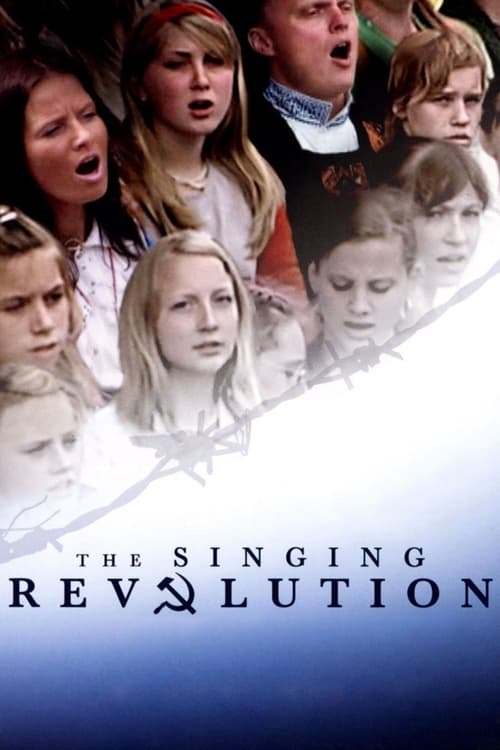
Most people don't think about singing when they think about revolutions. But song was the weapon of choice when, between 1986 and 1991, Estonians sought to free themselves from decades of Soviet occupation. During those years, hundreds of thousands gathered in public to sing forbidden patriotic songs and to rally for independence. "The young people, without any political party, and without any politicians, just came together ... not only tens of thousands but hundreds of thousands ... to gather and to sing and to give this nation a new spirit," remarks Mart Laar, a Singing Revolution leader featured in the film and the first post-Soviet Prime Minister of Estonia. "This was the idea of the Singing Revolution." James Tusty and Maureen Castle Tusty's "The Singing Revolution" tells the moving story of how the Estonian people peacefully regained their freedom--and helped topple an empire along the way.
The Singing Revolution
No description available.
Kui saabub õhtu
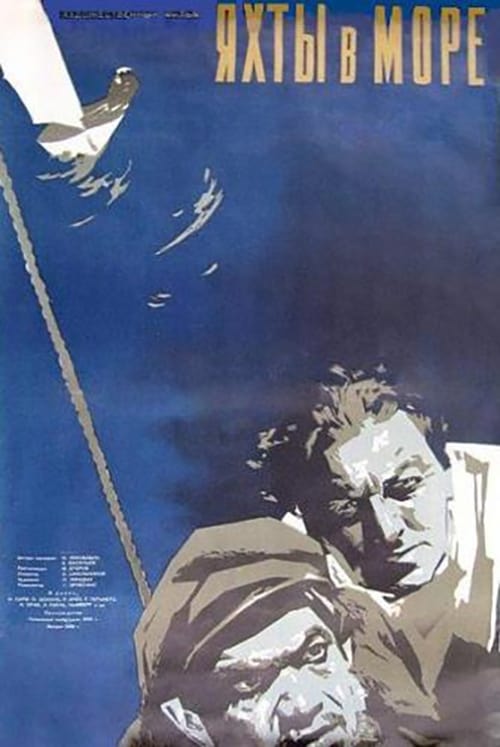
After the war, young yachtsmen from the coastal town deal with daily work, training and competitions without knowing about the downside. Suddenly, mysterious events start to happen, testing the vigilance, ideological and moral beliefs of the local people.
Yachts at Sea

Raivo Kotkas is the new head of the collective farm "Victory". His predecessor Mihkel Vutt has practiced command economy, production has gone down and the cattle has partly perished. Bookkeeper Olep is quite a crook who has played an essential role in the degradation of the collective farm - quite a few good workers have left work because of his cheating. Young agronomist Salme makes up her mind to leave the farm as well. The new chief wins the workers' trust and recovers their belief in the fruitfulness of their work.
Pöördel

Estonian promotional revue-film created for EXPO 1967 in Montreal.