Nora Štrbová
Directing
Known For
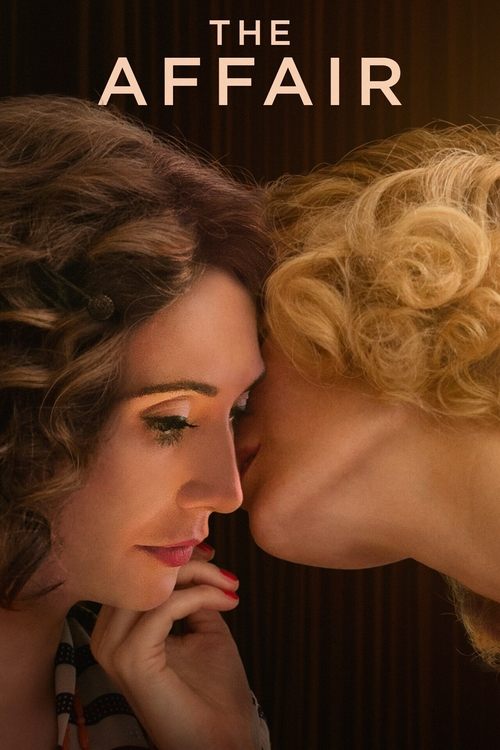
Liesel Landauer and her friend Hana are linked by a lifelong relationship and an exceptional house built by the architect Von Abt for Liesel and her husband Viktor in Czechoslovakia in the early 1930s.
The Glass Room
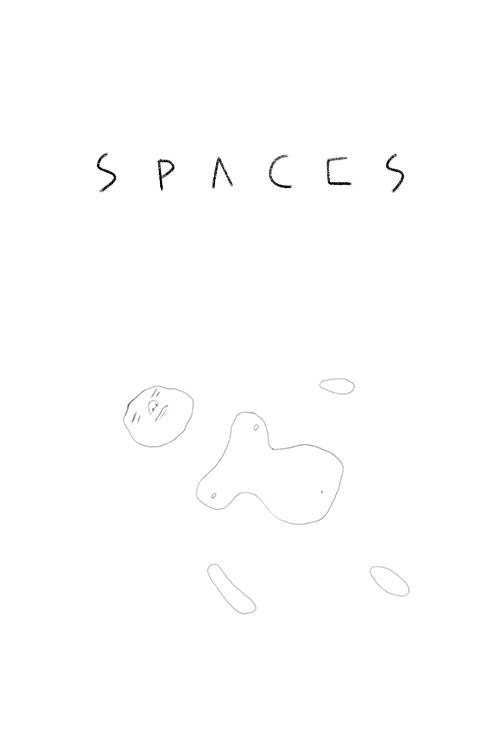
Aged around 20, Simon has a brain tumour that is gradually destroying his memory and has condemned him to live in the immediate present. From this painful experience, his sister, Nora Štrbová, a filmmaker, has made an organic short animated documentary, which succeeds with a rare formal relevance to represent the inexorable loss of the being.
Spaces
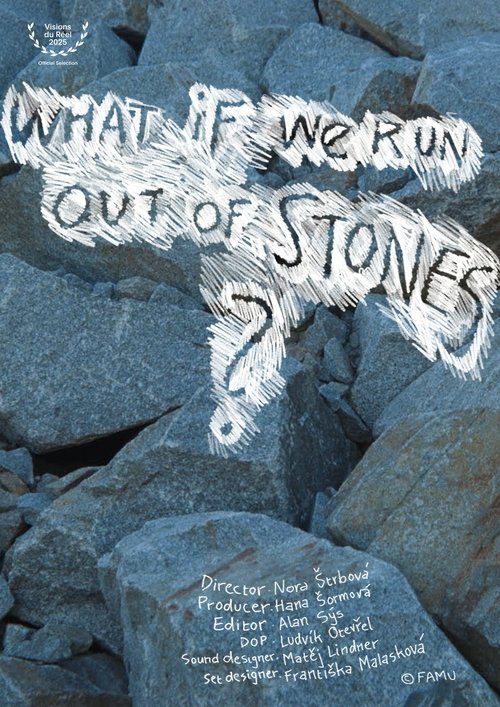
At first glance, what could be more inanimate – and therefore anti-cinematic – than the mineral kingdom? Nora Štrbová challenges this declaration, turning it on its head and making stones into a highly kinetic subject. In this humorous essay film shot in 35 mm, stones are finally given a voice as they observe us, judge us and, above all… put up with us.
What If We Run Out of Stones?
A collage of influences, spoken sentences, deeds, traces, and appearances of the Brno poet and prose writer Jan Skácel. Contemporary cultural figures regard the author as a social and cultural phenomenon. The directors of this documentary, on the other hand, decided to treat Jan Skácel as a subject of literary and social history, whose role in the cluster of regime and cultural events is unwavering and often – nowadays – glorified or otherwise embellished. In the film, they attempt to distance themselves from the established ideas about Jan Skácel and, at the same time, from past interpretations of Jan Skácel’s work. Instead, they interpret him through their own series of images.
Searching For Jan Skácel
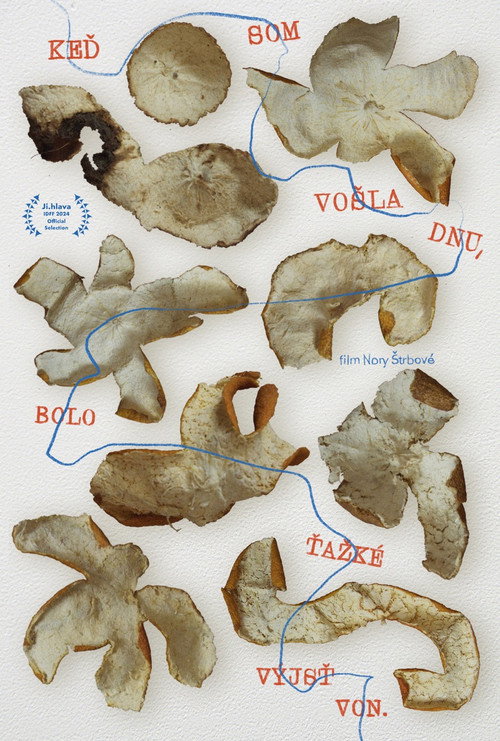
Ida is cleaning out the house that her grandfather, an artist, used to live in. She wades through a studio overflowing with artefacts, oddities and lost history. Similarly to S P A C E S, Štrbová treats the theme of memory and loss, combining fiction and documentary, letting the images of nostalgic childhood and the suffocating past flow associatively. To the sound of Francesco Geminiani's Concerto grosso no. 12, subtitled Madness, the fragile physicality of both dead and living relics stands out. The head of a dead parrot, a cast of her grandmother's breasts or a moss-covered real estate agent represent the discoveries of a personal archaeological site and exhibits of an introspective museum of family history.
Once I Got in, It Was Hard to Get Out
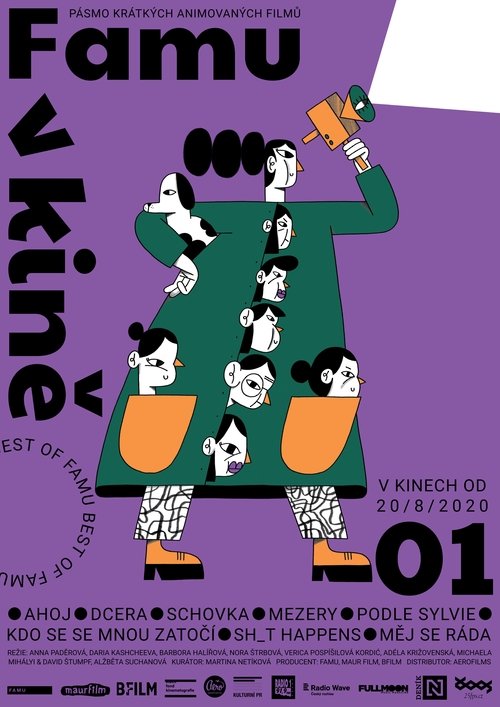
A series of short films created by FAMU students that have shone at the Oscars and international festivals: Ahój, Dcera, Sh_t Happens, Schovka, M E Z E R Y, Podle Sylvie, Kdo se mnou zatočí, and Měj se ráda.
FAMU v kině 01
The River is looking for a unknown offender, who is playing with her. Not by a accident, it leads her to the corrupted police officer. The investigation is getting tangled. The River's craziness escalates until she passes away. After the new "old garniture" arrival, the River comes back as a Black water.
Flow
Love others at least as much as you love yourself. An animated paraphrase of the classical myth about Narcissus, or what to do when you desire your own reflection in the mirror more than your loved one.