Acting
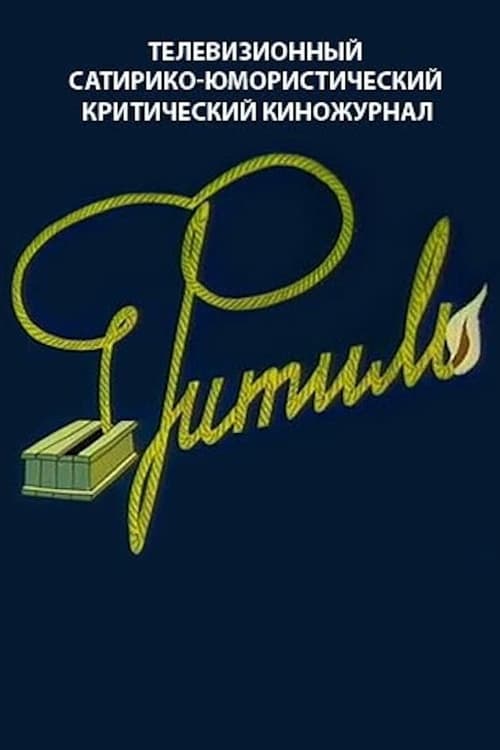
Fitil is a popular Soviet/Russian television satirical/comedy short film series which ran for about 500 episodes. Some of the episodes were aimed at children, and were called Фитилёк, Fitilyok, Little Fuse. Each issue contained from the few short segments: documentary, fictional and animated ones. Directed by various artists, including Leonid Gaidai who presented his famous trio of Nikulin, Vitsin and Morgunov into the cast. It was called in USSR as "the anecdotes from the Soviet government".
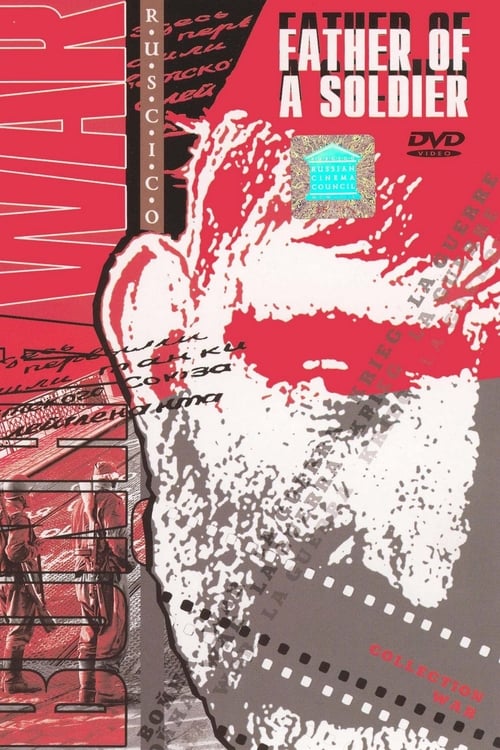
When peasant Georgy Makharashvili hears that his soldier son is lying wounded in a hospital, he sets out to visit him. However, unknown to him, his son has been sent back to the front. Reluctant to return home and in a vain attempt to locate his boy, Georgy joins the Red Army in it's unrelenting push to the west.
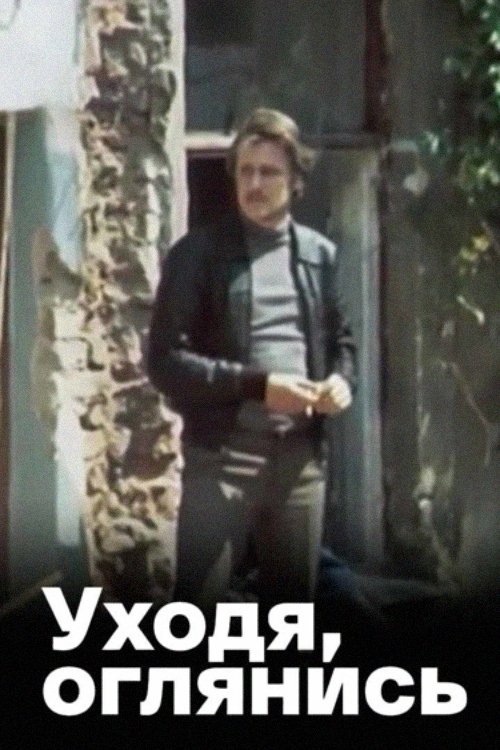
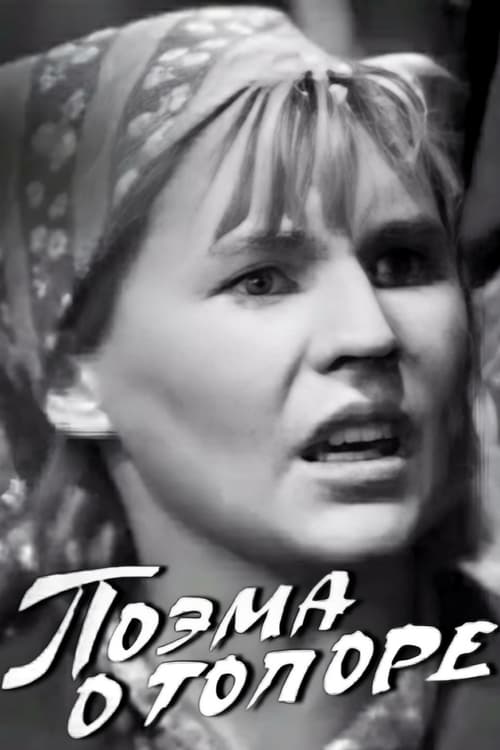
Early 20th century. Two village boys, brothers Semyon and Pavel, work as servants for a Moscow merchant. They face harsh exploitation and hard labor. The brothers' paths diverge. Unable to endure the merchant's abuse, Pavel leaves for a factory, becomes a worker, and later a revolutionary. Semyon remains in service. In the post-revolutionary period, Semyon, having served at the front and returned to the village, joins the kulaks and brutally cracks down on representatives of the Soviet government, becoming the leader of a gang of "badgers" hiding in the forests. A Red Army detachment led by Pavel is sent to fight the bandits.
A satirical comedy based on the novel of the same name by Nikolay Gogol.
A teleplay based on the play of the same name by E. Volodarsky.
Based on the work of the same name by A. P. Chekhov about the fate of an old provincial actor.
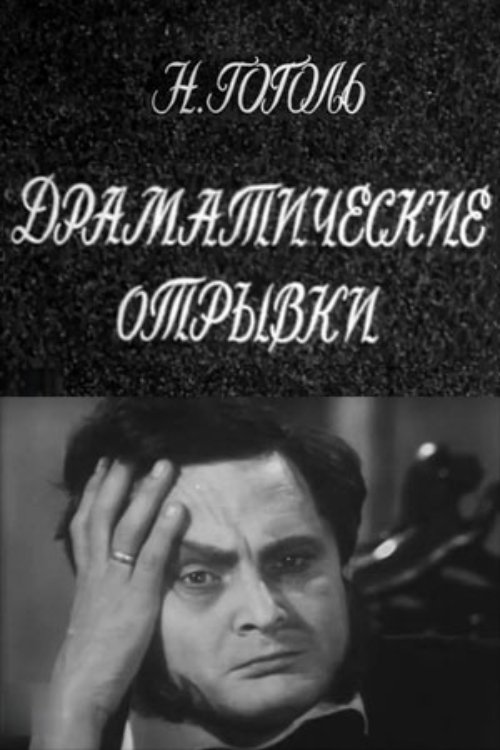
Based on two one-act plays by Gogol - "The Morning of a Business Man" and "The Claim".
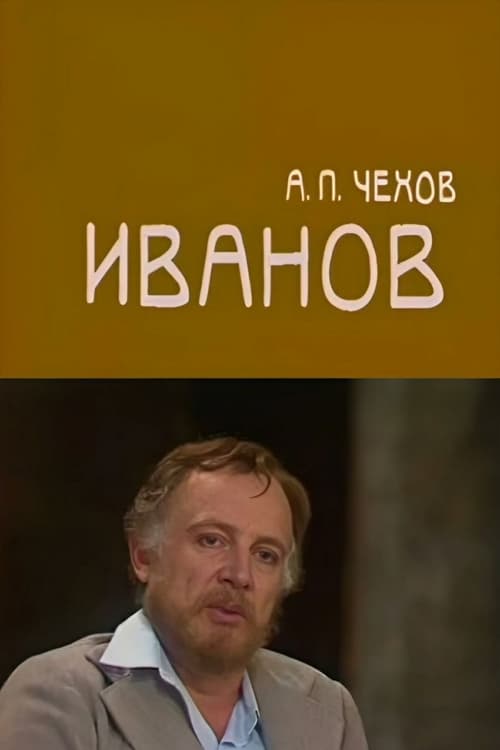
Based on the play of the same name by A.P. Chekhov.
No description available.
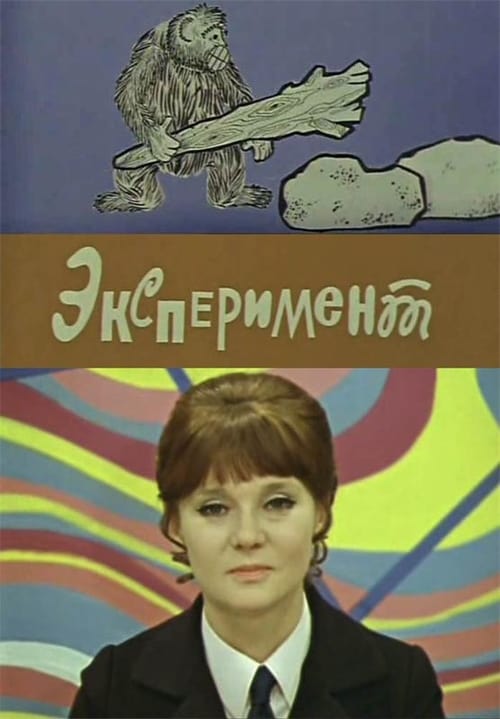
A musical comedy about a pedagogical experiment that succeeded thanks to the kindness and generosity of its participants.
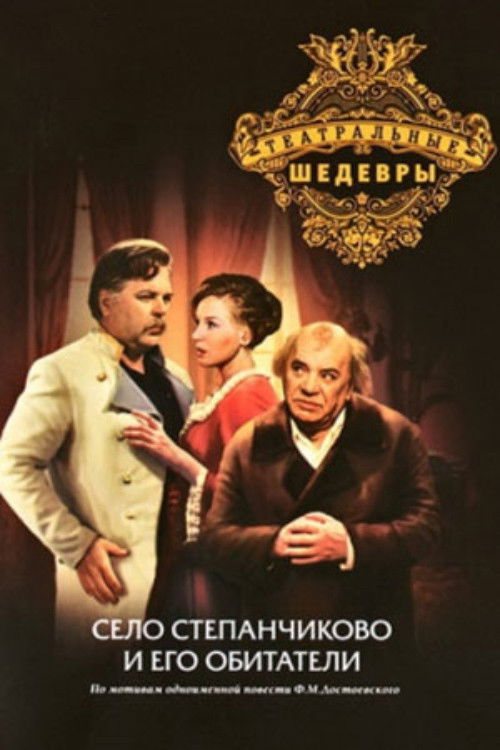
Based on the story of the same name by F. M. Dostoevsky, and staged by Moscow Art Theater named after. Gorky.
A teleplay based on the play of the same name by N. Pogodin about the creation of a new grade of steel at a large metallurgical plant.