Fusako Tsujino
Acting
Known For
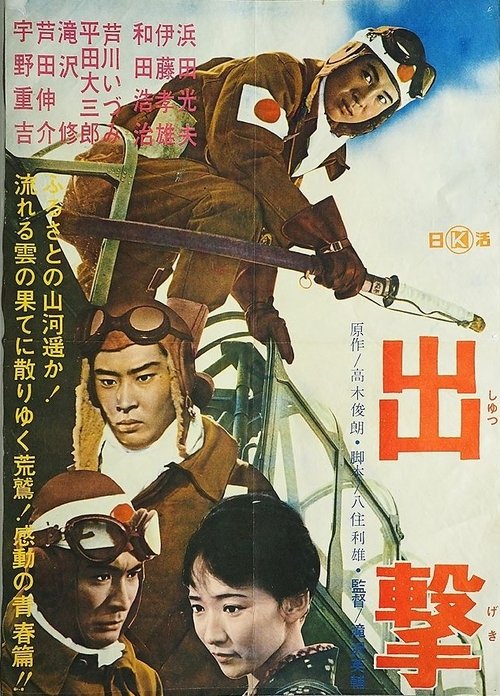
An original warrior directed by Toshio Takagi, directed by Eisuke Takizawa of “Kiriko's Tango” by Toshio Yasumi, a comedy, cheerful widow. The photo was taken by Minoru Yokoyama from “Asakusa no Toko Odoriko Monogatari”
Shutsugeki

Hanayome wa Jūgo-sai, directed by Mio Ezaki and distributed by Nikkatsu, stars Masako Izumi and Ken Yamauchi. The high-key pink background and casual photographic portrait embody Nikkatsu’s 1960s youth-film aesthetic. Clean, hopeful, and pop-oriented. The large white title, handwritten for a softer impression, injects playful energy that contrasts with the strict vertical text blocks. As Japan’s youth culture blossomed after the 1964 Tokyo Olympics, posters like this captured the spirit of romance and rebellion marketed to teenage audiences. The vivid color palette and carefree composition signal a stylistic shift from postwar black-and-white melodrama to the vibrant optimism of modern Technicolor cinema.
The Bride is Fifteen
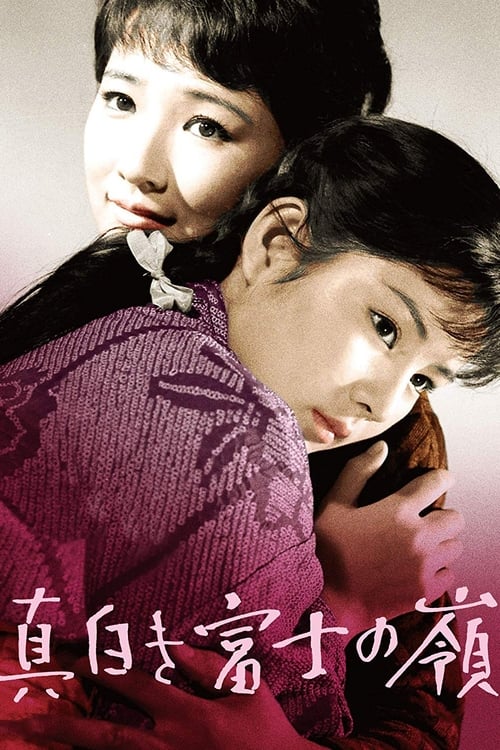
Azusa has just been discharged from the hospital and is frolicking on the beach in Jushi, finally getting her freedom. Her older sister, Kozue, looks after her. Her father Shuhei moved from Tokyo to Jushi to provide a peaceful environment for his sick daughter. One day Azusa meets Tomita, a high school student, and falls in love with him at first sight. This is a masterpiece of literary lyrics, about two sisters living with bright and pure love, looking at the approaching shadow of death and giving all their feelings to limited youth.
The White Peaks of Mt. Fuji
No description available.