
Carla Camurati
Acting
Biography
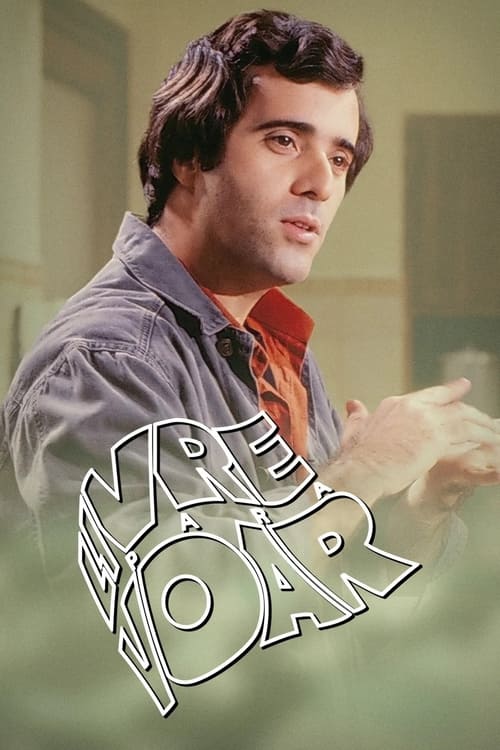
Carla de Andrade Camurati (Rio de Janeiro, October 14, 1960) is a Brazilian filmmaker, screenwriter, cultural producer and former actress. After being featured in telenovelas such as Livre para Voar (1984) and Fera Radical (1988), she left her acting career in 1994 to dedicate herself to filmmaking, founding Copacabana Filmes and directing several films since then. She also became an influential cultural producer, having chaired the International Children's Film Festival and the Municipal Theater of Rio de Janeiro between 2007 and 2014.
Known For

A successful businesswoman in the music industry sees her life fall apart after a young and mysterious woman starts work as her secretary. The scheming girl is totally obsessed by the famous businesswoman and she tries to steal everything from her, including her career.
Celebrity

Rachel decides to turn her life around and finds happiness in Heitor's arms. Fate brings Abel and Clara together. A real-life tragedy changes everyone's lives.
Sol de Verão
No description available.
Champagne
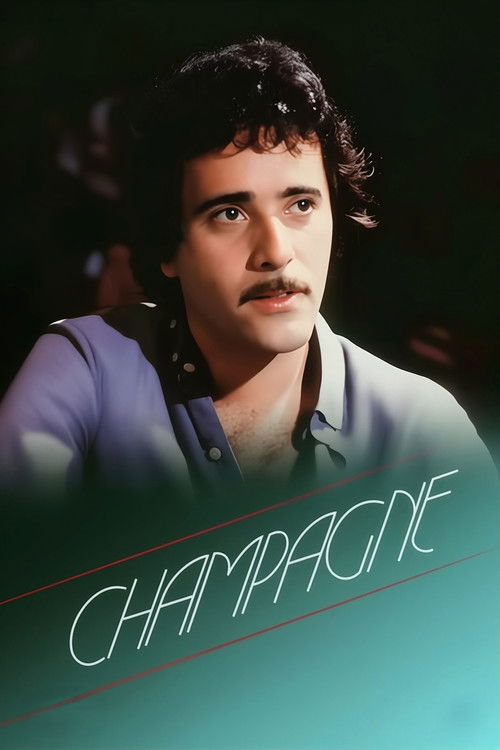
Set in Poços de Caldas, Minas Gerais, the story shows how Pardal and Bebel, young people newly arrived in the city, fall in love. However, each hides their true identity from the other.
Livre Para Voar
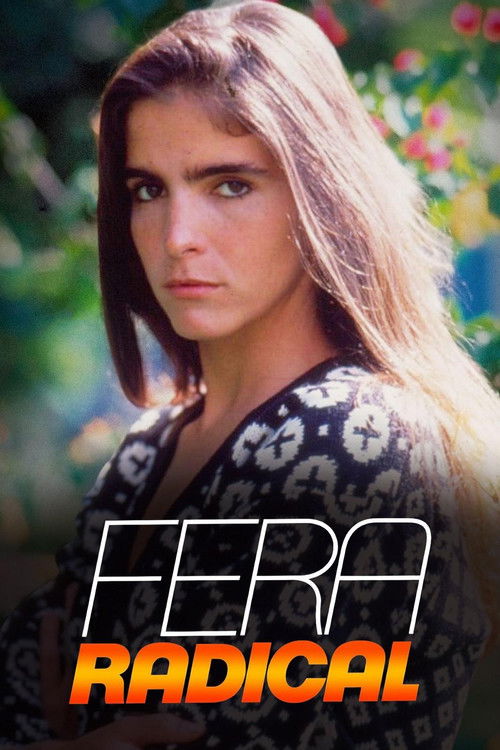
Cláudia returns to her rural hometown in order to take revenge for the murder of her family a long time ago. She believes that the Flores family committed the crime and tries to destroy them....
Wildcat

No description available.
Brilhante
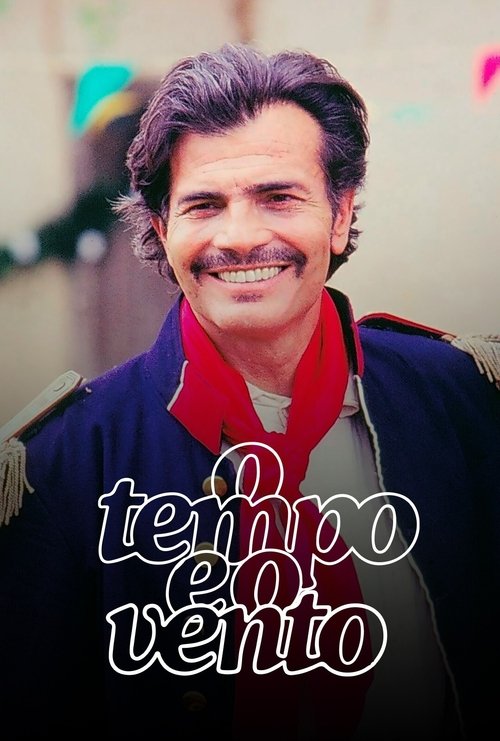
It tells the story of the Camabará family for many generations, which were fundamental to the social and political formation of the state of Rio Grande do Sul. The stories are remembered by Dona Bibiana, who remembers the life of her grandmother Ana, her husband, the Captain Rodrigo, his son Bolivar and his daughter-in-law Luzia.
O Tempo e o Vento

Brasileiros e Brasileiras is a Brazilian telenovela shown in some schedules SBT between November 5, 1990 and May 14, 1991. Writing for the show was done by Carlos Alberto Sofredini and Walter Avancini, who also directed it. The show was a co-production of the Miksom.
Brasileiras e Brasileiros
No description available.
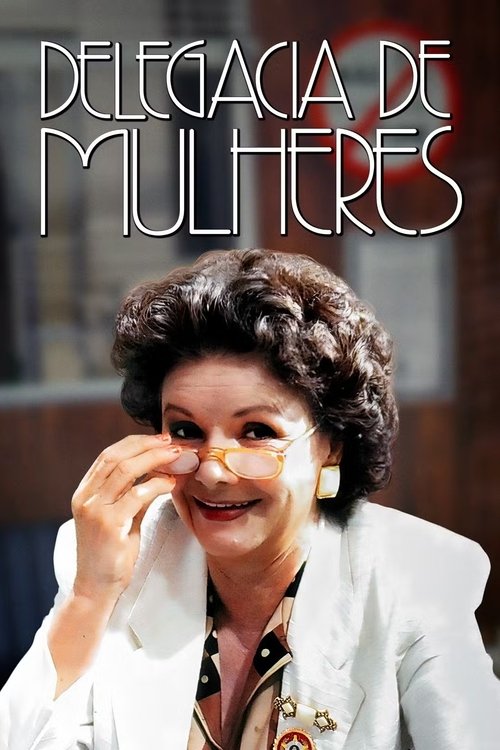
Delegacia de Mulheres
No description available.
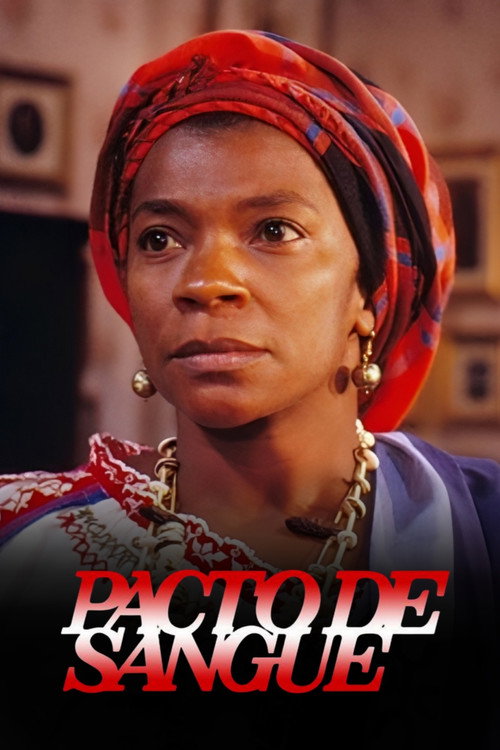
Pacto de Sangue

No description available.
Amizade Colorida

Two years of research and visits to collections, cinematheques and museums; almost seventy interviews that generated 30 hours of recorded material; more than two hundred scanned photos and more than one hundred films watched. In total, more than a thousand hours of work were needed to prepare Brazilian Cinema in the 20th Century. The work is a fascinating journey through all the cinematic cycles that Brazil lived, from the pioneering Belle Époque, through the great studios like Atlântica and Cinédia, Cinema Novo, the urban comedies of the 70's, until the resumption in the late 90's. The documentary is unique, it gives the floor to who really wrote and lived this story intensely.
Brazilian Cinema in the 20th Century
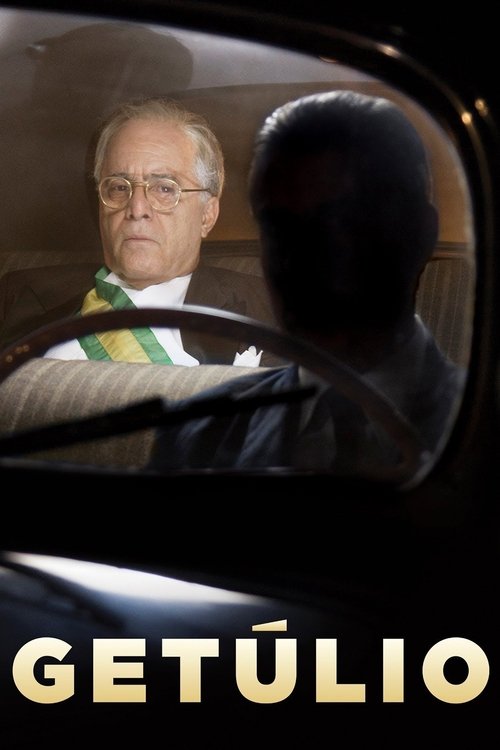
The movie depicts the political crisis that led to the suicide of president Getúlio Vargas, in the 19 days that preceded August 24, 1954. The crisis began with the attempted assassination of journalist and politician Carlos Lacerda in August 5, 1954, at rua Toneleros, Rio de Janeiro, in which Major Vaz was assassinated instead. Investigations pointed to Gregório Fortunato, chief of Vargas' personal guard, as the orderer of the frustrated assassination. This incident was one of the most importants in the history of Brazil.
Getulio

"Portraits and excerpts from Brazilian films from all times. Actors, directors and images that affirm cinema."
Celebração - 100 Anos do Cinema Nacional
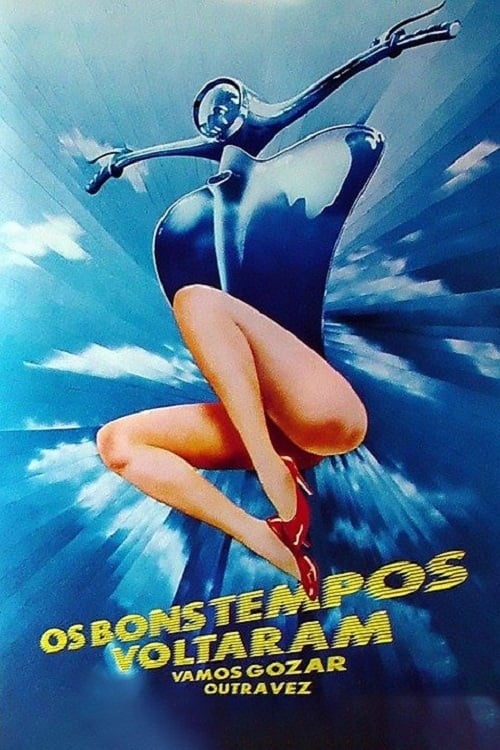
Two stories chronicle the days of the bohemian, libertine youth of 1960s Rio de Janeiro.
The Good Times Are Here: Let It All Hang Out
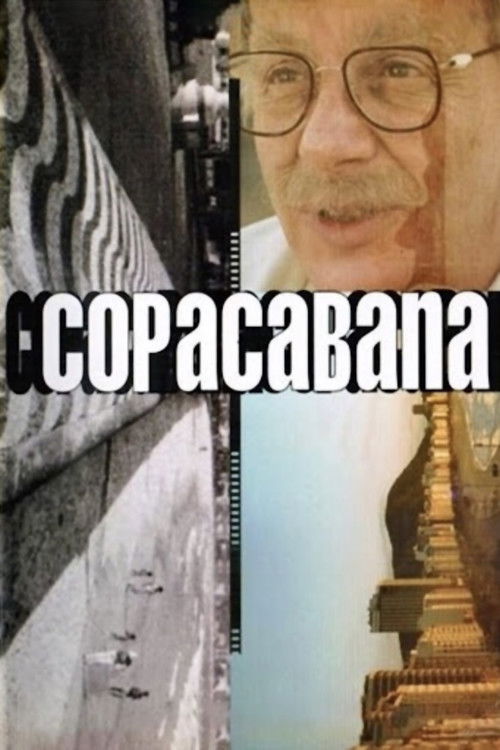
Moments before turning 90 years of age, Alberto remembers his life, lived in Copacabana, a neighborhood in Rio de Janeiro. The film is a comedy about old age nowadays, with Copacabana as a background.
Copacabana
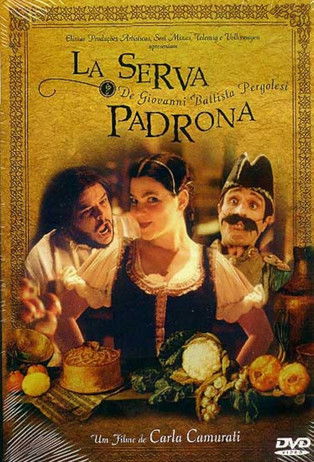
Living in the house of Uberto as a child, Serpina is now a beautiful young woman who, seeing her master willing to marry, decides that it will be her and not any other woman. Adaptation of the Opera buffa La Serva Padrona.
La Serva Padrona
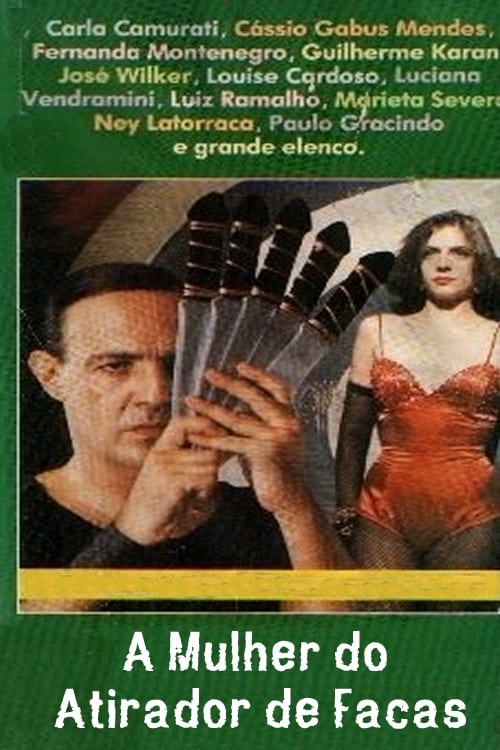
In a circus, the big act is that of the knife thrower, assisted by his wife. The couple takes risks in real life, in a show of great skill and coldness, which respects a blood treaty.
A Mulher do Atirador de Facas
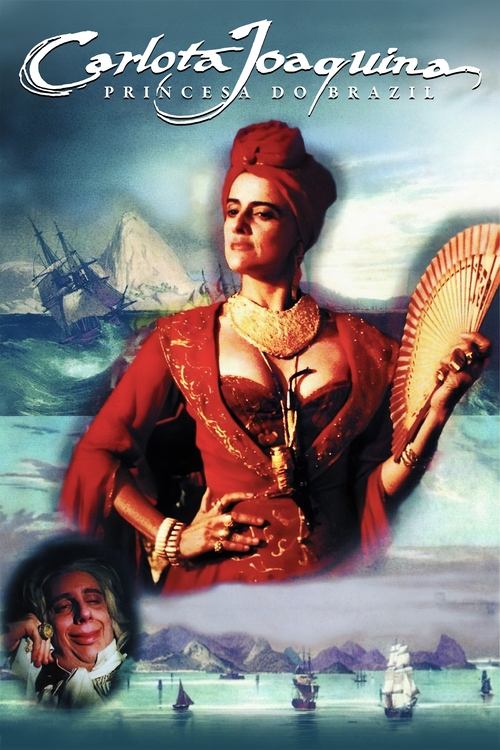
The Spanish Infanta Carlota Joaquina is promised to D. João VI at the age of 10. Forced to leave for Portugal, Carlota suffers a great disappointment when she meets her promised prince. With the death of D. José, Carlota Joaquina and D. João VI inherit the Portuguese crown. However, frightened by the French Revolution and the approach of Napoleon's army, they decide to flee to their colony: Brazil.
Carlota Joaquina, Princess of Brazil

This erotic and anarchist dramatic comedy brings together stories about the female players of a newly formed football team, who are forced to deal with the prejudices of a conservative society that reviles them, as well as grapple with their own personal problems.