Writing
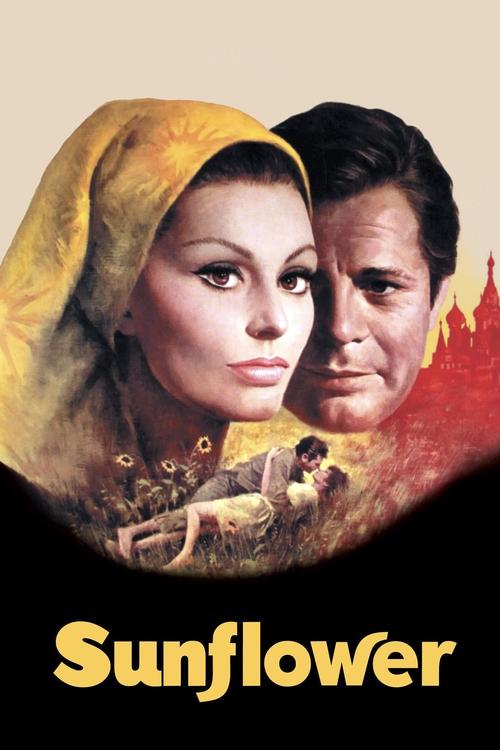
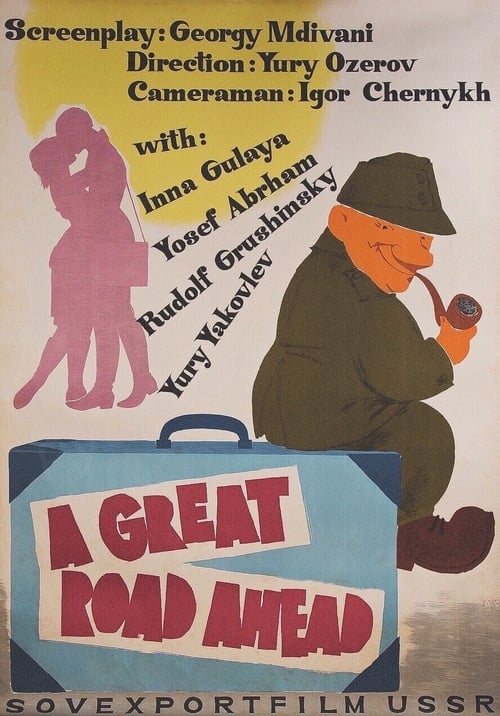
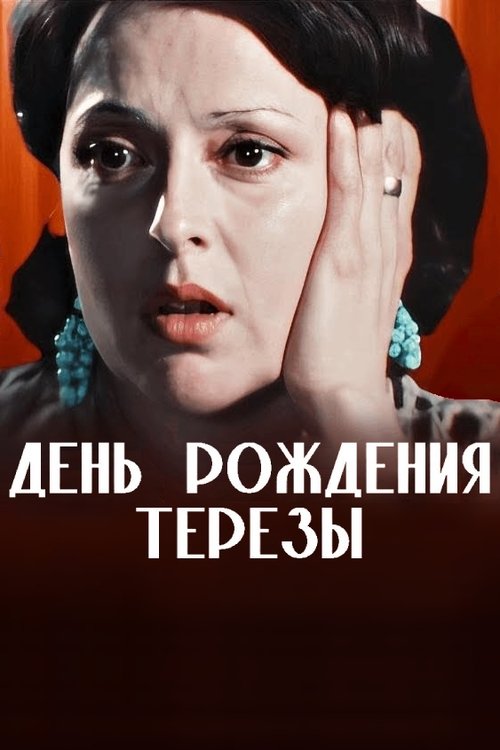
After World War II, a woman refuses to believe her husband, missing on the Russian front, is dead. Flashbacks reveal their brief courtship and marriage. Years later, she travels to Russia with his photo, determined to find him. What will she discover?
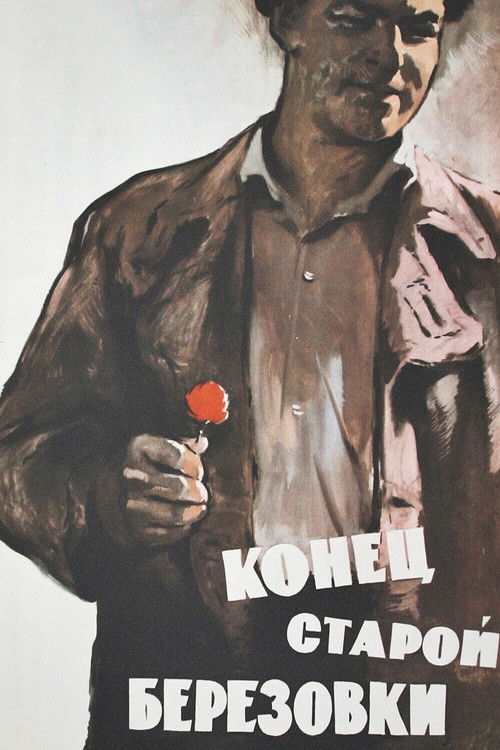
Once at Borka, a big prankster and fidget, an adult friend appeared — the builder Ivan Degtyarev. Former sailor directed Borkin's energy in the right direction and made him his assistant. Soon a disaster happened in the Borkin family. His sister Liza will soon become a mother, and the father of the unborn child did not want to marry her and avoided meeting. Ivan tried to unite the young, but his attempts were unsuccessful. Having fallen in love with Lisa, he proposed to her — and soon the young happy family moved to a new home.
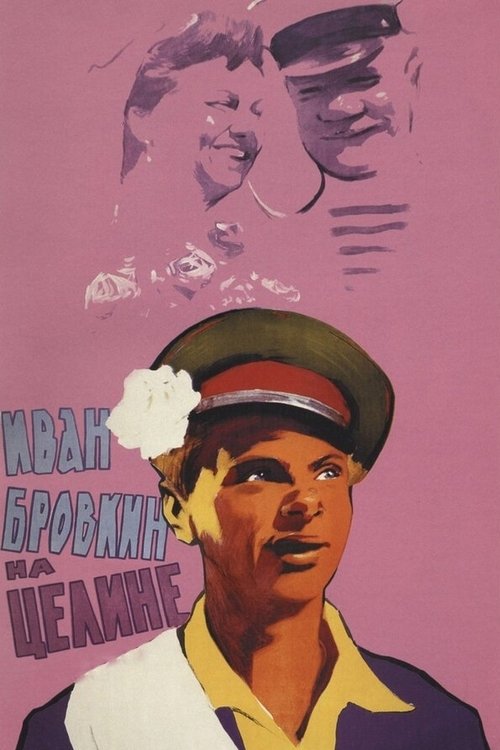
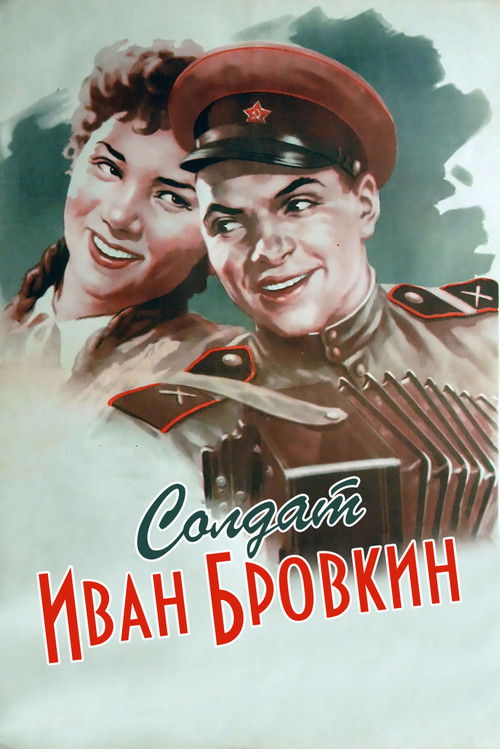
Ivan Brovkin finishes serving in the army with the rank of sergeant and, together with a group of comrades after demobilization, decides to go to the development of state farm. He arrives at his native collective farm and meets there a cool welcome: the chairman of the collective farm, the bride Lyubasha and mother — consider him a traitor. The planned wedding is canceled, and Brovkin leaves for the state farm. Brovkin comes to the state farm at the time of plowing the land. He joins the team. Winter passes after working days. In letters home he writes that everything is fine with him. News about how Ivan lives is spreading throughout the village. Lyubasha is seriously thinking about running away from home to the state farm...
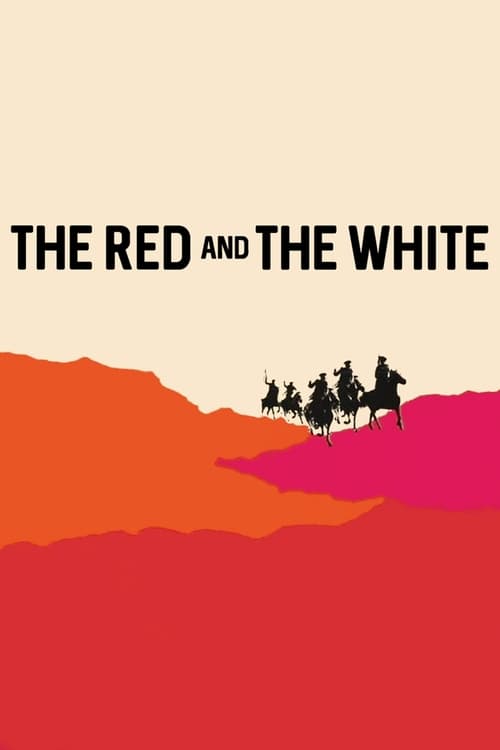
In 1919, Hungarian Communists aid the Bolsheviks' defeat of Czarists, the Whites. Near the Volga, a monastery and a field hospital are held by one side and then the other.
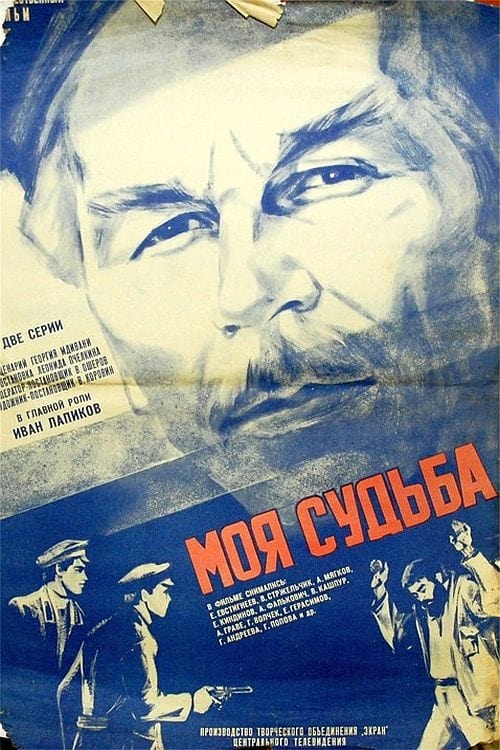
Mikhail Nikolaevich Ermakov has come a long and difficult life path. At the age of nineteen, the student, the son of a worker, was sent on a Komsomol ticket to work in the Cheka. In one of the operations he was seriously wounded. And now, many years later, General Ermakov comes to Moscow and settles in the house where he spent his youth...
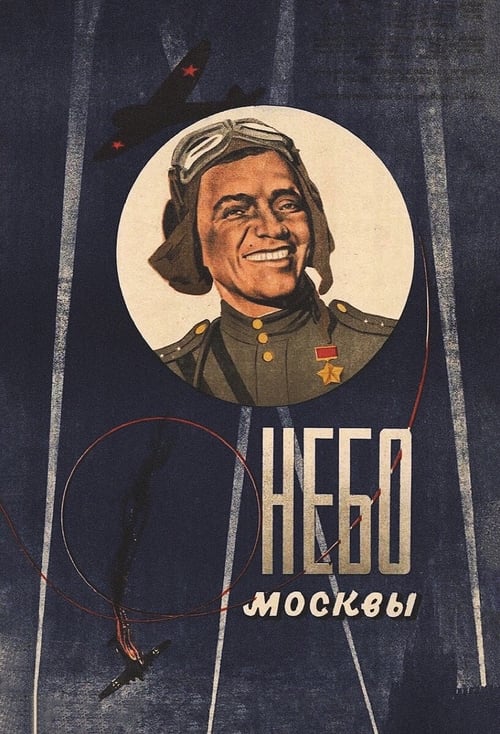
In September 1941, lieutenant Ilya Streltsov, who graduated from the flight school, was assigned to the fighter aviation regiment guarding the sky of Moscow. He meets in part the nurse Zoya, with whom he grew up in the same yard and with whom he has long been in love. During the first training flight on the "Seagull", lieutenant Streltsov shot down a German plane and received the nickname "Lucky." Streltsov is jealous of the squadron commander to nurse Zoya, believes that he is finding fault with him. For a whole month he is not allowed to fly sorties. In October 1941, lieutenant Streltsov made his first sortie, he shot down one plane and rams the second. For this battle, he is awarded the title Hero of the Soviet Union.
This exhilarating two-part film (“Soldier Ivan Brovkin” and “Ivan Brovkin on the State Farm”) presented to the country a new national hero – kind, modest, charming and… ne’er-do-well. That “ne’er-do-well-ness” proved “Kharitonov’s special key to audiences’ hearts”. Following Brovkin’s appearance on the screen, Kharitonov had become a star of the national cinema, an idol for millions of people. His incredible popularity may be compared to that of another national hero – the world’s first cosmonaut Yuri Gagarin. And not surprisingly, it was Kharitonov who made a cameo appearance going up the festival stairs and followed with the adoring eyes of the heroines in V. Menshov’s Oscar-winning melodrama “Moscow Does Not Believe in Tears”.
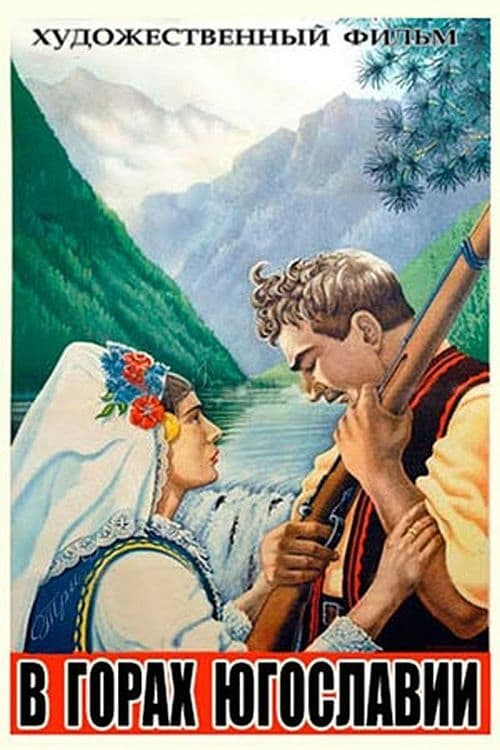
Yugoslav farmer-turned-partisan Slavko Babić starts an uprising against the fascist Germans and their allies.
About the great Czech satirist Jaroslav Hašek, who was captured by the Russians during the First World War. Not wanting to fight for the interests of the Austro-Hungarian monarchy, Hašek enters the Red Army and, as a commissar of the international brigade, goes the military way from Samara to Irkutsk.
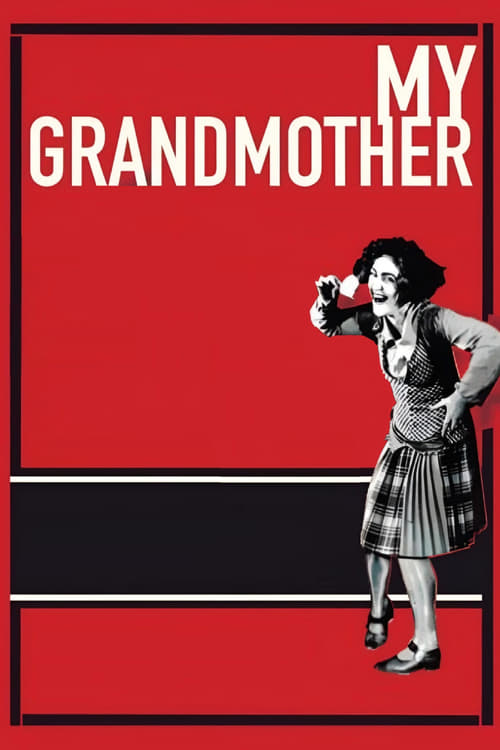
The protagonist, a lazy pen-pusher, gets the sack for his bureaucratic idleness, and learns that the way back into the job market depends on getting a letter of recommendation from a "grandmother"
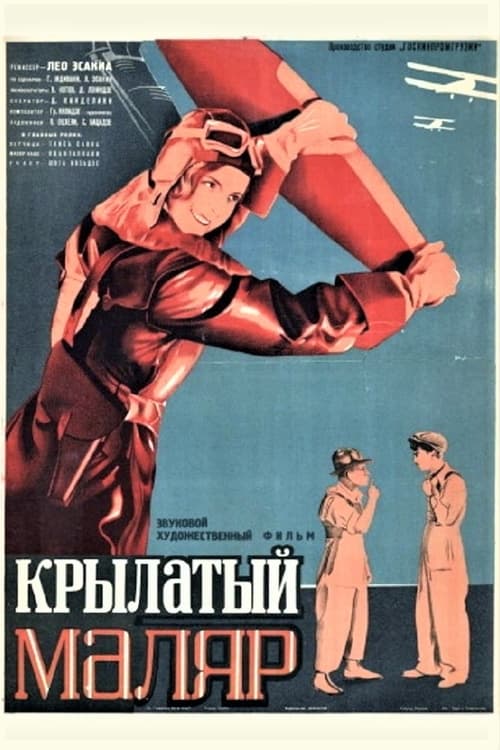
Lexo and Nodar, two house painters, fall in love with Nina, a resident of the house they are painting. In order to keep Nodar out of his way, Lexo suggests that he learn to become a pilot at flying school, but doesn’t know that Nina works as a flight instructor. Lexo pretends to be an experienced pilot. After rescuing a passenger on a damaged plane, Lexo decides to become a professional pilot.
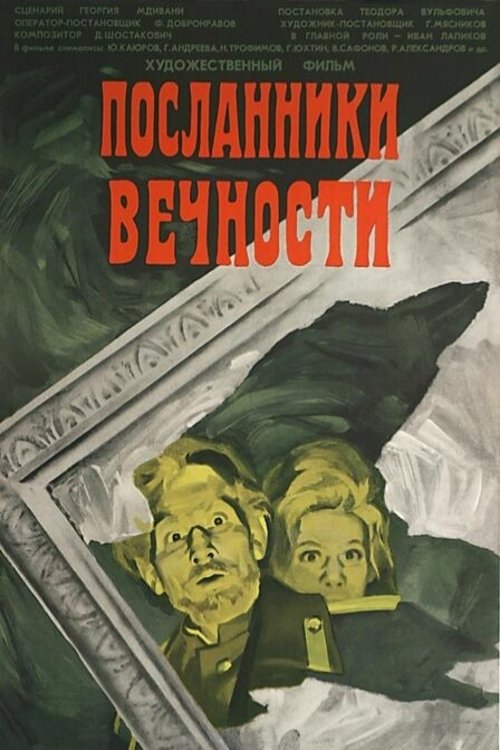
By a twist of fate, Prince Olensky, a scholar of art history and the director of the Hermitage, is entrusted with the mission of preserving the museum's collection for Russia during the October days of 1917.
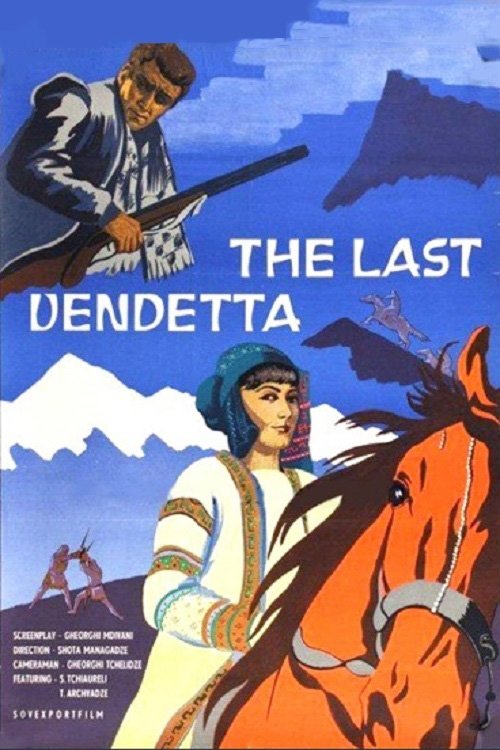
When Imeda’s father is killed in a blood revenge accident, the family moves him to the city where he is sheltered at his father’s friend. After fifteen year he gets back to Khevsureti. A talented painter, he spends most of his time doing sketches of nature and people. There he meets a local beauty, Mzekala and fells in love with her but finds out that Torghva is also in love with her. Enraged by Imeda’s impudence Torghva calls him for a sword fight and is killed by Imeda. To avoid another round of blood revenge, the villagers let Imeda and Mzekala out of the village but someone who wants Imeda’s blood finds it out and follows them.
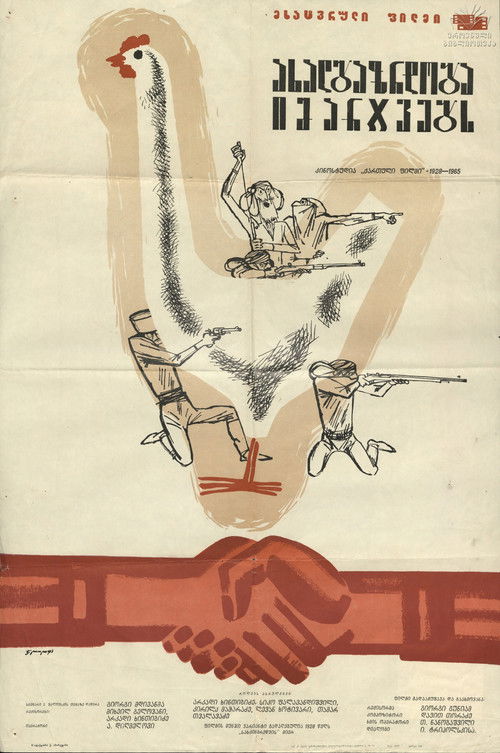
A dead hen becomes a problem between two neighbor families in Ajara (west Georgia). That leads to drama; a young guy is killed in the next quarrel.
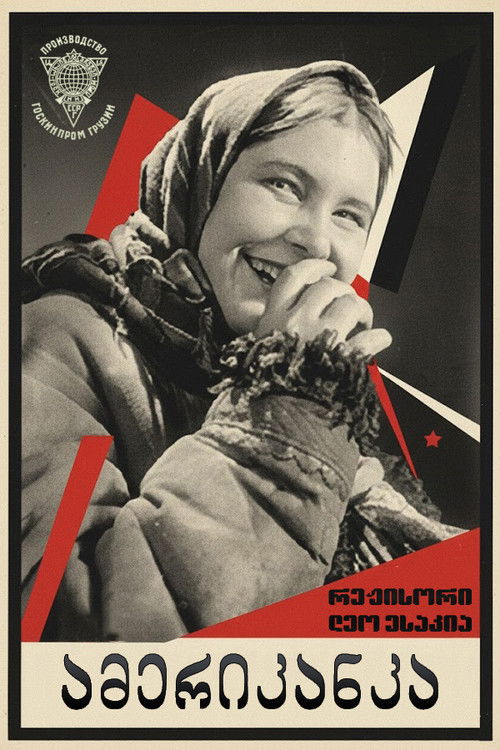
The action of the film takes place during the Russian Revolution of 1905 in Moscow. King Okhranka tries to disrupt the work of the illegal printing press of the Bolsheviks. The small typewriter “Amerikanka” plays the key role in the victory.
For the third year, the expedition has been searching for the causative agent of an infectious disease rampant in the Ussuri taiga, where a major construction project is about to begin. Meanwhile, the enemy seeks to destroy the fruits of years of labor of Soviet microbiologists. Young scientist Vasily Zheludev exposes a master saboteur and forces him to flee into the taiga.
About the heroism of the Cuban people, who defended the freedom of their homeland. The action takes place in 1961 during the armed invasion organized by the USA, carried out by Cuban counter-revolutionaries in the area of Playa Girón.
Kulak Walter's successor, Robert, calls his fellow villagers to form a collective farm. The poor peasantry of the village actively supports his call. The first collective farm of German colonists "Rote Fane" (Red Flag) is created. Local kulaks begin to fight against him. Under the influence of the kulaks' agitation, part of the middle-class colonists went to Germany. The collective farm grows and becomes stronger, and the kulaks weaken. Walter bribes his watchman, old Shakir, and incites him to kill Robert. But Shakir can't beat Robert. He exposes Walter's nefarious intentions and joins the collective farm. A letter comes from the departed colonists, reporting that there is an economic crisis and unemployment in Germany, and expressing regret for following the provocation and leaving the Soviet Union.
Two Italians, Sandro and Lorenzo, are traveling through the Soviet Union. Lorenzo has been to Russia before and now, accompanying his friend, gives him the necessary explanations. This peculiar technique allows us to see the USSR through the eyes of a progressively thinking Italian, to familiarize through Western countries with the grandiose transformations that were taking place at that time in the Soviet country, with the most essential features of the socialist reality, with the life of people, with the achievements of science, technology, culture and art.