Sound
No description available.
Until 1942 around 100 German propaganda films were made, that were set in Africa. They were produced in Germany, with Black Germans and Africans living in Germany. Who were these Black extras and how did they come to Germany? Why did they work in film-making? Which roles did they play and what messages did they send? What were their daily experiences as Black people during the Weimar Republic and the Nazi Regime?
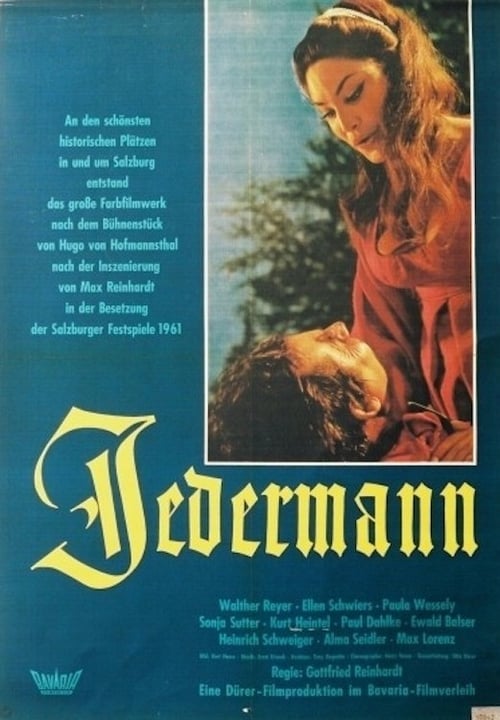
Everyman (German: Jedermann) is a 1961 Austrian drama film directed by Gottfried Reinhardt, based on the play written by Hugo von Hofmannsthal. The film was selected as the Austrian entry for the Best Foreign Language Film at the 34th Academy Awards, but was not nominated.
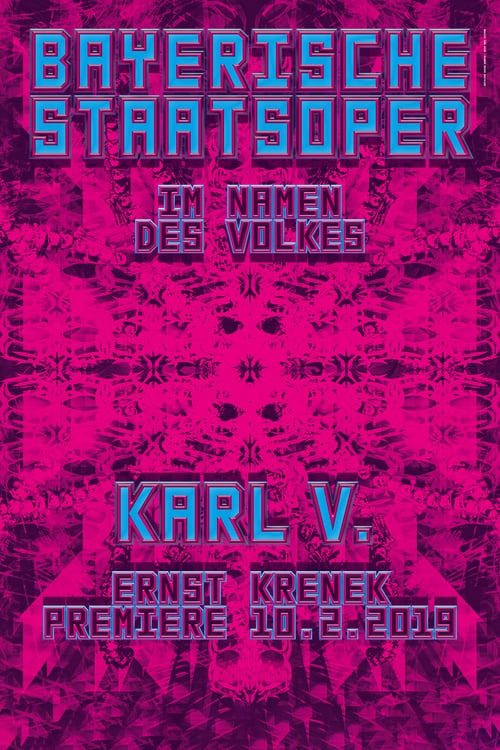
Ernst Krenek's theatrical piece Karl V. consisting completely of twelve-tone series should have premiered at the Vienna State Opera. The political situation in the Vienna of 1933 and the fact that Krenek was despised by the Nazis because of this Jazz opera Jonny spielt auf, prevented the première. It only took place five years later in Prague, however Krenek had already emigrated to the USA. Karl V was the last emperor to hold to the idea of a Christian empire in which the sun never set, although its downfall was always inevitable, for numerous reasons. For the second production of Karl V. in the Nationaltheater, Carlus Padrissa in particular seeks out political power systems that are highly topical, and so very precisely analyses the treatment in the theatrical piece. At the core of the intellectually and linguistically highly qualified libretto, written by the composer himself, Karl V. reflects on his life and makes his confession to a young monk below Titian's La Gloria.