Directing
No description available.
With his body now devoid of substance and able to fly, N. wanders looking for a way to return to life and reintegrate into the world.
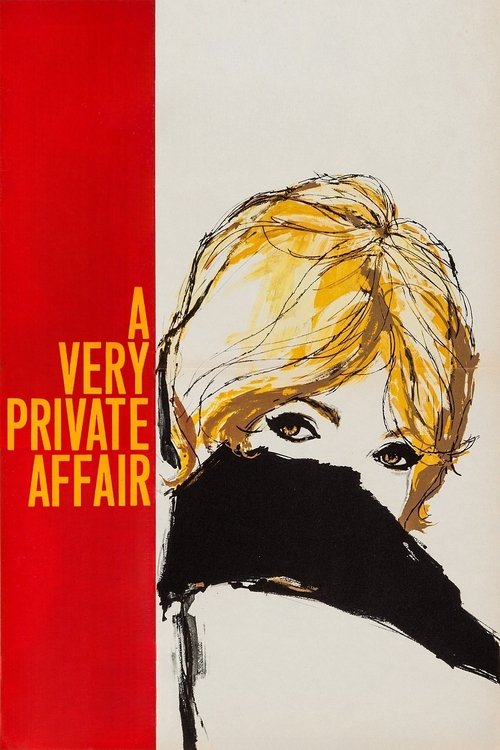
After achieving fame as a movie star, a woman finds her private life invaded by relentless fans, leading her mother’s ex-lover to intervene and offer protection.
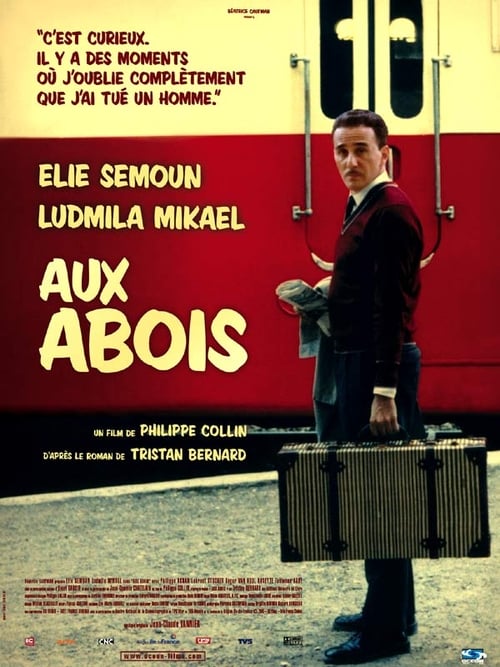
Paul, a former insurer, is struggling to make ends meet. He agrees to meet Sarrebry, a loan shark introduced to him by his friend Daubelle. Paul mortally knocks out the disgusting crook and steals a large sum of money from him.
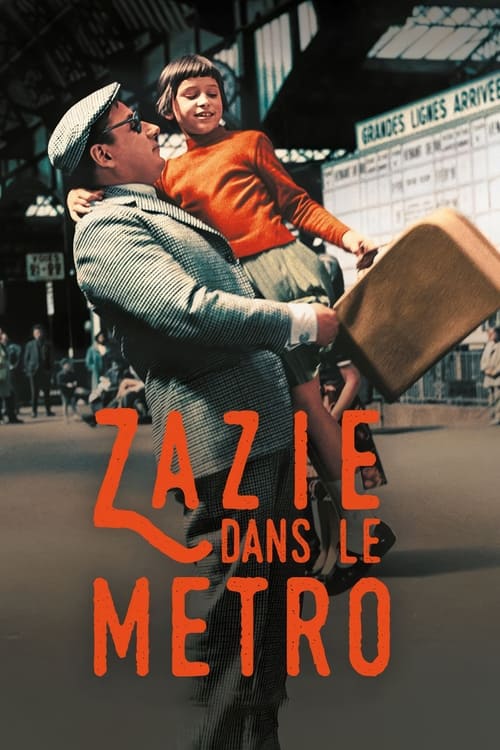
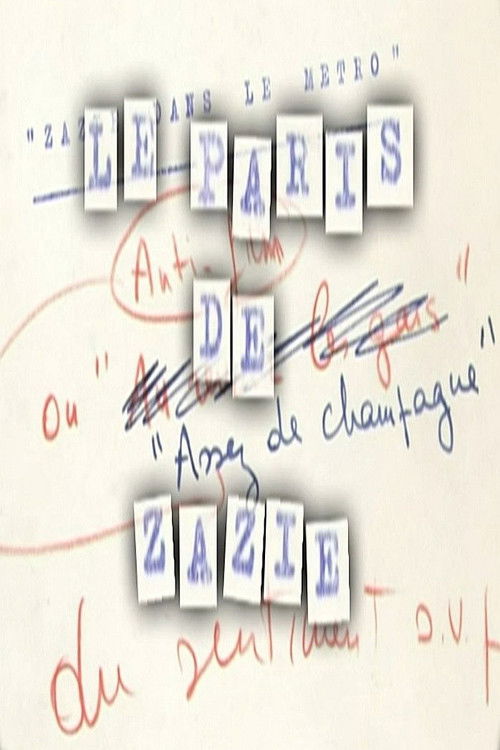
A brash and precocious ten-year-old comes to Paris for a whirlwind weekend with her rakish uncle.
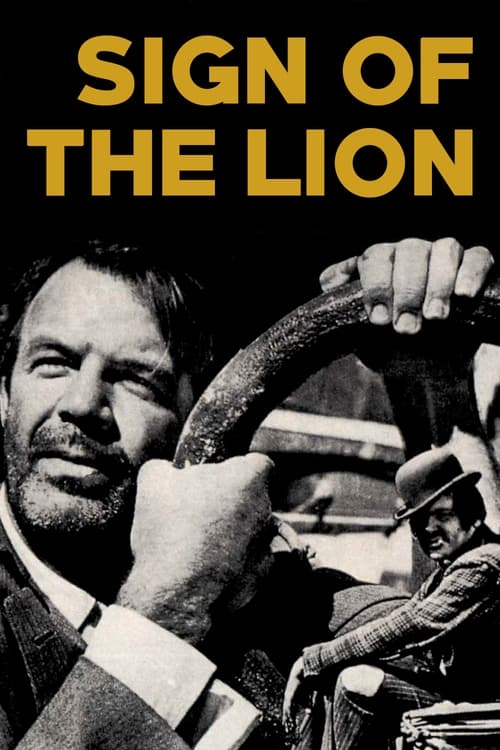
An American in Paris lives by sponging off his working friends, and throws a party using borrowed money when his rich American aunt dies, believing firmly in his horoscope.
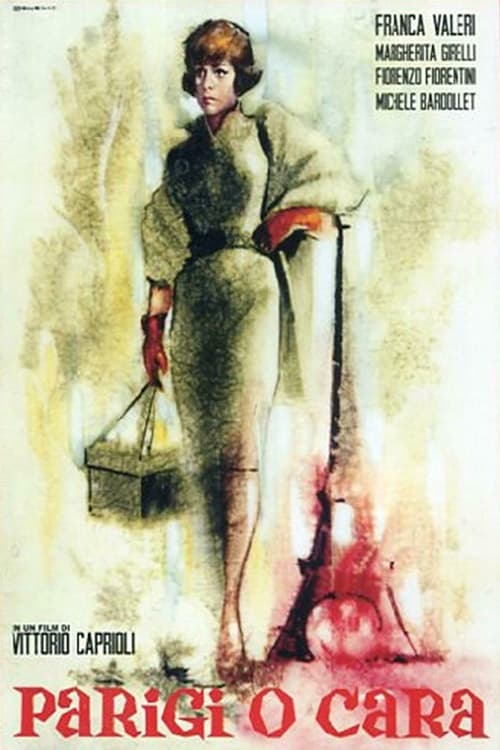
Parigi O Cara is probably the most camp in the history of Italian cinema, certainly a favourite with the queer community who quote its lines by heart. Unique as it's the only film where Franca Valeri (now 90) is the unquestioned star, in the role of Delia, a snobbish, stingy prostitute who is moving to Paris looking for greener and more lucrative pastures. An anti-neorealist, amoral, almost abstract comedy, which anticipates Almodóvar, a ferocious, though gentle, non-moralistic portrayal of the 60's boom and its broken dreams. The dialogue between Delia and her brother (played by Fiorenzo Fiorentini), when he does (or does not) tell her he is a homosexual, is memorable, a primordial coming-out, a masterpiece of allusions. But what makes it one of the first examples of a film with a "gay point of view" is the approach: perceptive, non-conformist, caustically witty. A film ahead of its times, still unbeaten.
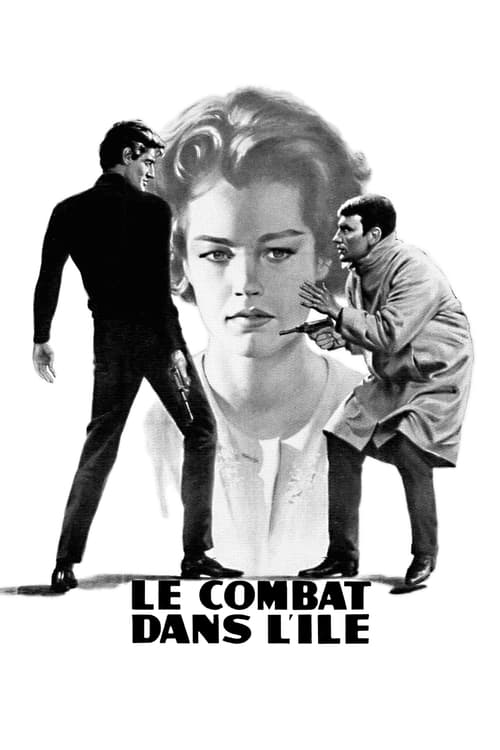
The charismatic, surly son of a wealthy industrialist, Clément, leads a double life as a member of a right-wing extremist organization. When he’s ratted out after a failed assassination attempt on a prominent politician, Clément and his long-suffering wife Anne flee Paris to the idyllic country home of his childhood friend, pacifist print-maker Paul. As affection blossoms between Paul and Anne, the emotional, as well as political tensions, soar and eventually explode.
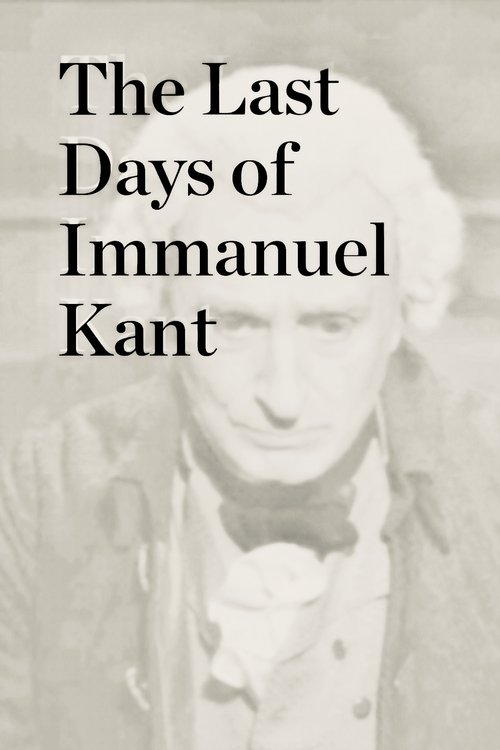
A brief, fictionalized time period in the life of Professor Kant. The story is set in his hometown, Konigsberg, chronicling his last few years prior to his death in 1804 at the age of 79.
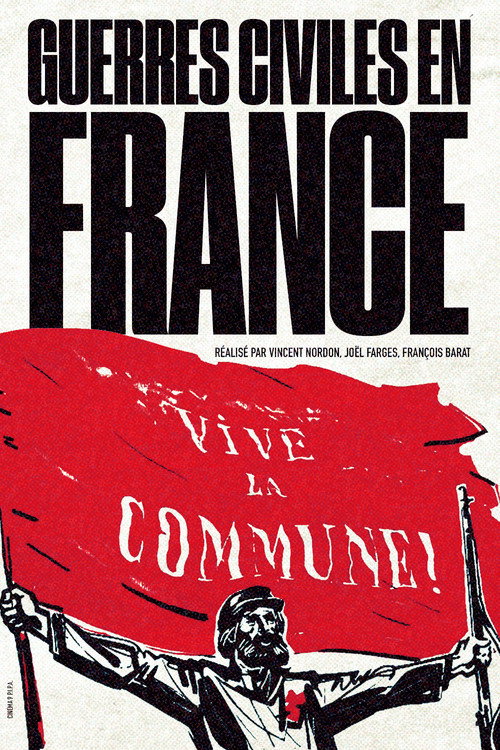
Three episodes from the history of socialism: Babeuf, whose virulent discourse is a radical assessment of the bourgeois revolution of 1789 (Vincent Nordon episode); the legend of Napoleon I, or the formation of the state as it still dominates today (François Barat episode); and the carnage of the Paris Commune, which official history strives to repress and forget (Joël Farges episode). What does it mean to make a historical film today? It means illuminating the present in the light of the past, and therefore adopting the new modes of modern storytelling to challenge what dominates us, structures us, and oppresses us.
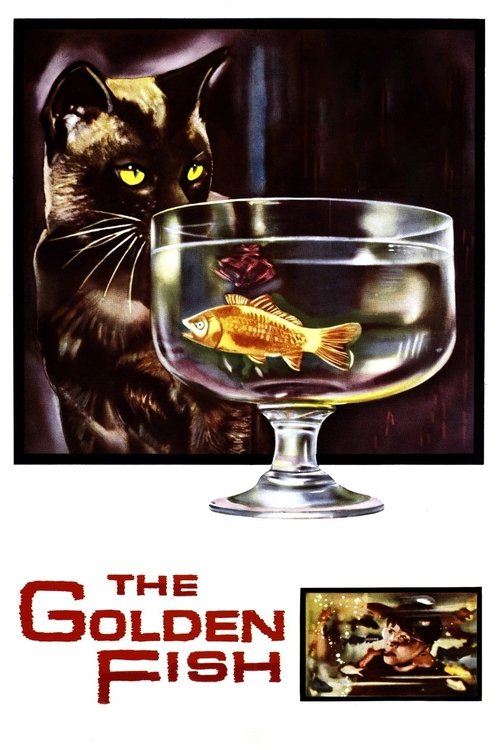
A silent, lyrical short in which a boy’s newly won goldfish is threatened by the family cat, and saved through a quiet act of animal solidarity.
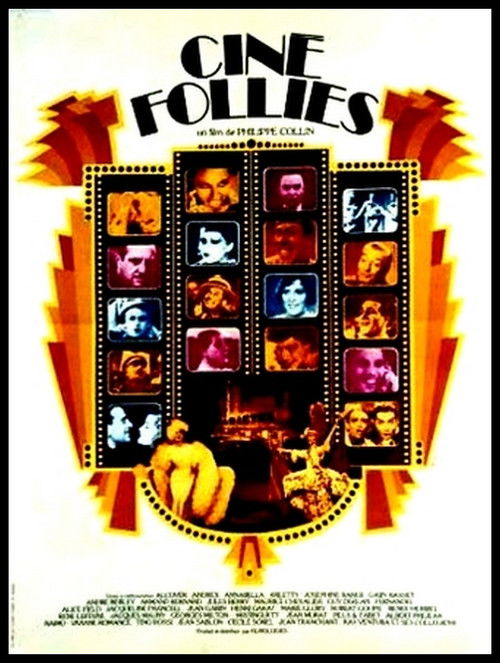
Cine Follies is a film anthology focusing chiefly on French comedies and musicals of the 1930s interspersed with newsreel footage. Among the stars featured are Fernadel, Josephine Baker, Jean Gabin, and Maurice Chevalier.
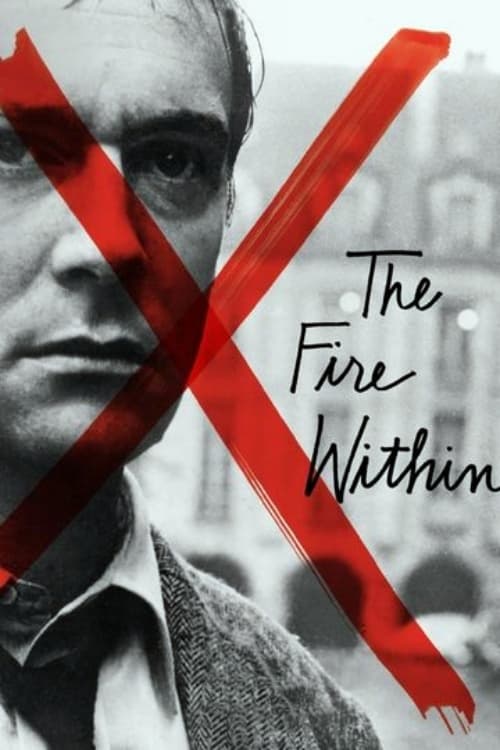
In these interviews, conducted in 2008, actor Alexandra Stewart and filmmakers Philippe Collin and Volker Schlöndorff discuss the making of The Fire Within.
Documentary about the Parisian locations for the film by Louis Malle.