Acting
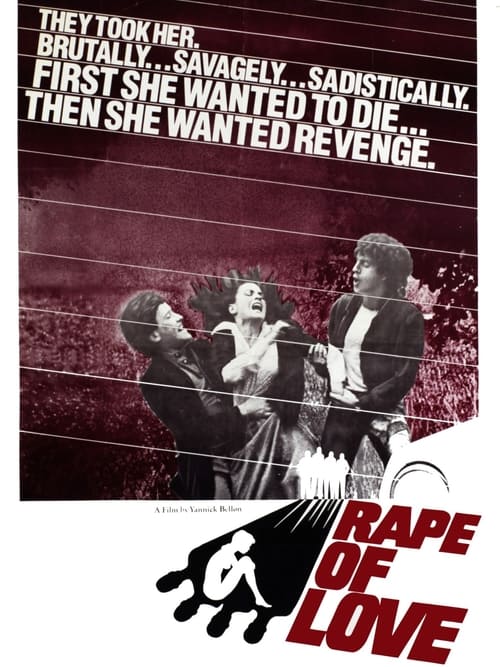
Nicole, nurse in Grenoble, is raped one night by four men. Deeply scarred, emotionally and physically, she thinks she will never recover from the trauma. Following a friend's advice, she decides to file a lawsuit.
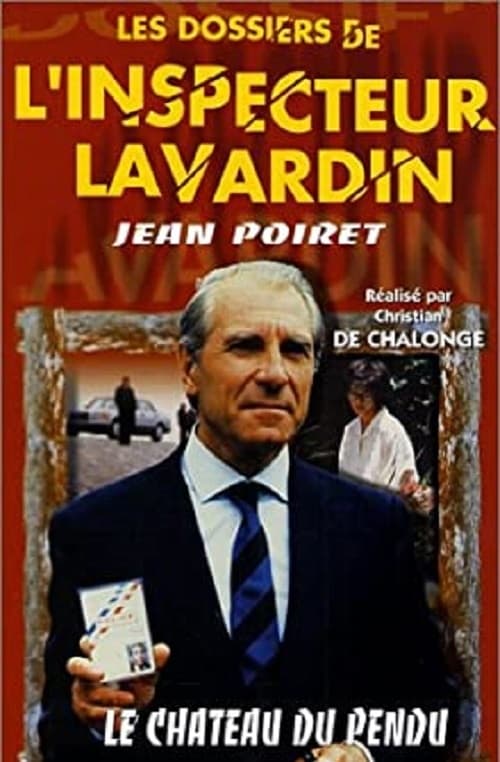
The Dossiers of Inspector Lavardin is a French television series in four 90-minute episodes, created by Dominique Roulet and Claude Chabrol and broadcast between September 15, 1988 and February 1, 1990 on TF1. It follows the two films Chicken in Vinegar and Inspector Lavardin directed by Claude Chabrol and already featuring Jean Poiret in the role of Lavardin. This short series depicts the investigations of Inspector Lavardin, a tongue-in-cheek policeman known for his bad manners.
No description available.
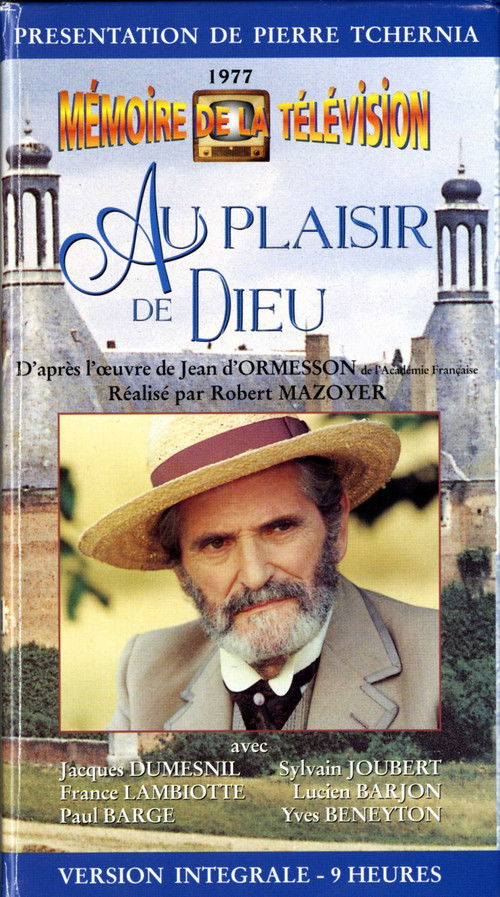
Over several generations, the story of an aristocratic French family spanning the 20th Century, from the two World Wars to the social and political upheavals of May 1968. Facing adversity, old Duke Sosthène tries to keep traditions alive.
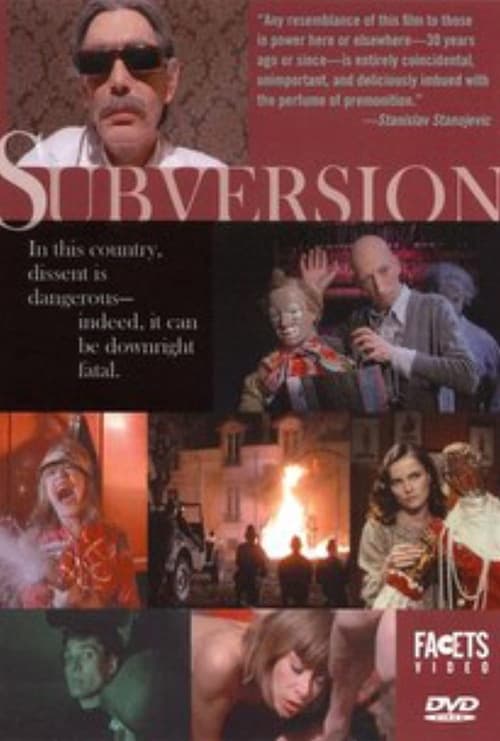
A blind, paralyzed president uses his remarkable hearing and his corrupt daughter to keep his country in line. His beautiful, clever daughter works her own agenda while striving to be the equal of men. She appoints herself Chief of Firefighters and then commits arson to ensure that her job is needed.
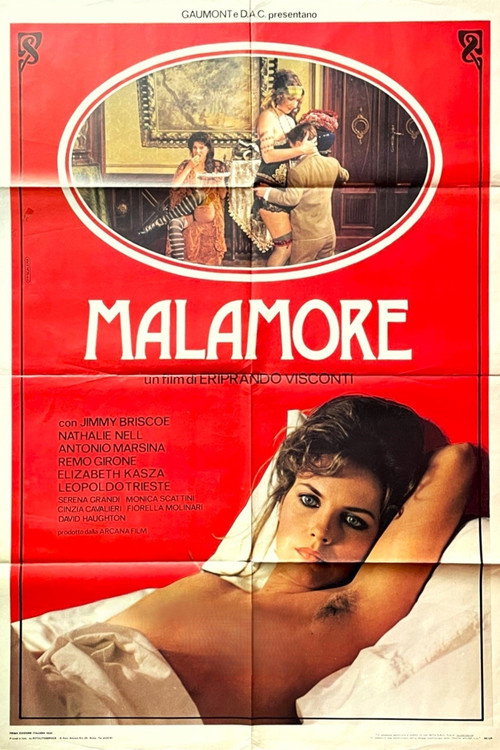
Marcello is a dwarf who is kept hidden by his family and falls in love with a prostitute from the local brothel. The prostitute's lover plots to kill the dwarf but she helps him to escape, though at a cost to her own well-being.
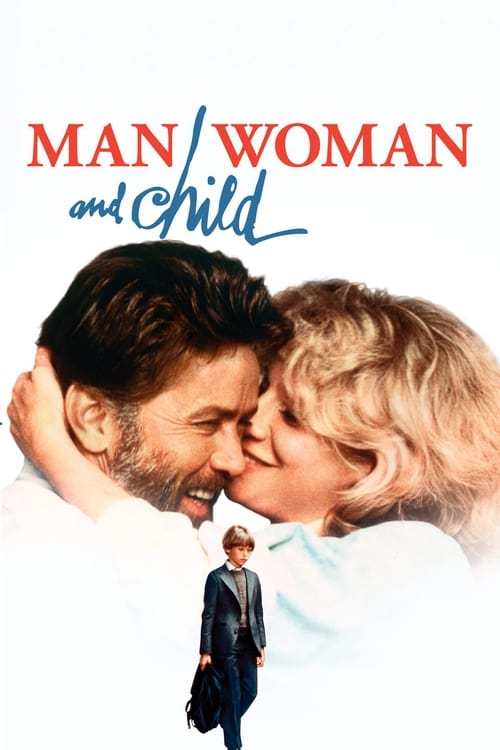
A California professor (Martin Sheen), his wife (Blythe Danner) and his daughters make room for his orphaned illegitimate French son (Sebastian Dungan).
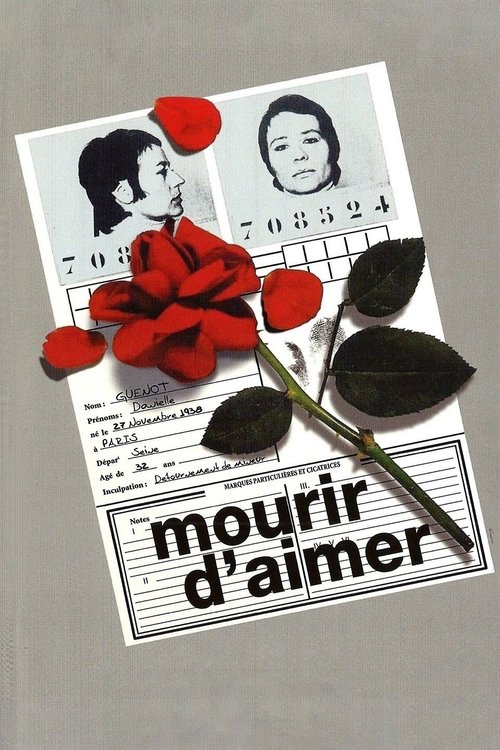
A love story between a teacher, Danièle, 32 years and one of her students Gérard, 17 during the heated atmosphere of May 68. Danièle is a fiery young woman, very involved politically. Gérard's parents accuse Danièle of statutory rape and complain. Danièle is trapped and the drama begins...
In this political drama, five left-leaning friends gradually lose heart in the Socialist government elected in 1981 in France. One of the five men is a television broadcaster; the others are a teacher about to become an academic inspector, a tax man, the director of a cultural center, and a sociologist who is about to step into a ministerial position. Their interlocking lives are told in alternating vignettes over a four-year period, and the professions director Jacques Fansten has chosen for his main characters seem to be a comment on the media, education, budget or finance, the arts, and government bureaucracy under Socialist rule.
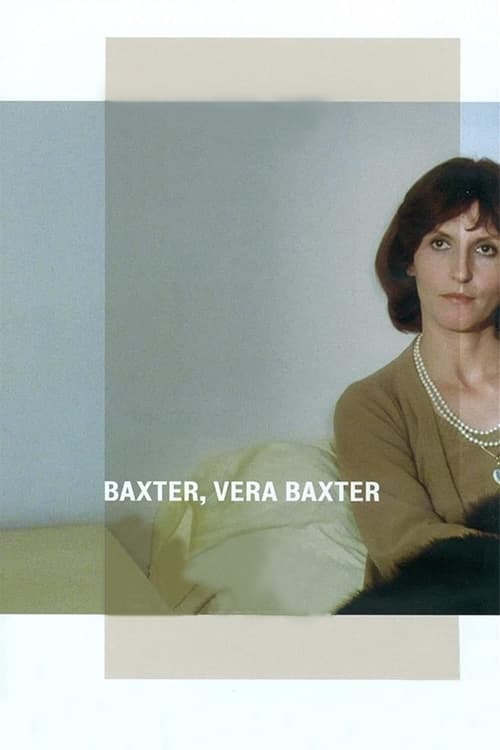
In an empty villa, Vera Baxter sits and contemplates her life, as she recounts to a woman who was drawn to the villa when she heard the name Vera Baxter pronounced. Vera tells her about her no-good husband, who has been using her to keep his failing business afloat, up to her present love affair.
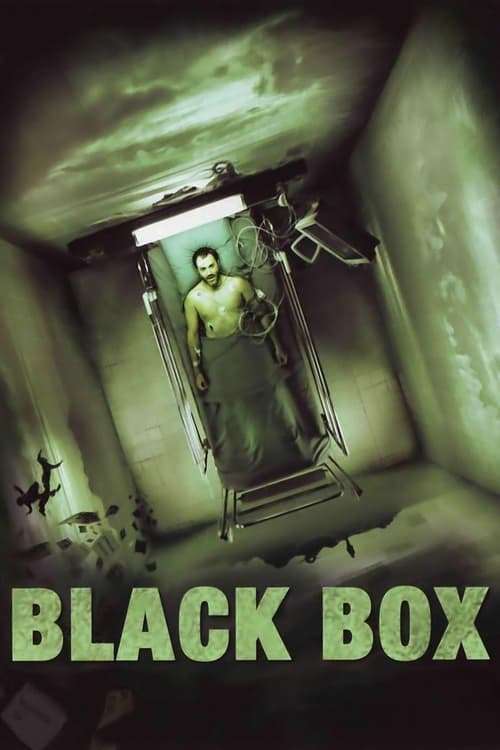
An accident survivor wakes from a coma and confronts old, uncomfortable memories.
Reading old letters, a young girl from Châteauroux, Carole, discovers that her father was an American soldier whose regiment was based in town in the 1950s. She will try by all means to find people who remember this period.
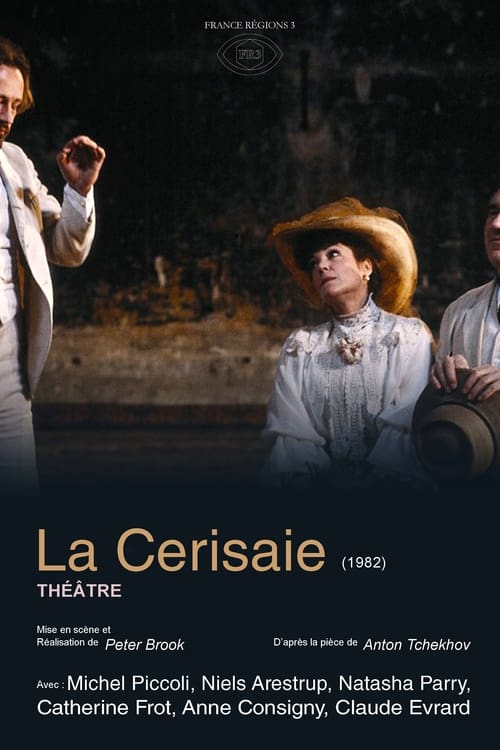
The last vestiges of a family that has gone from cherry season to sorrow... Madame Ranevskaya is a spoiled, aging aristocrat who, upon returning from a trip to Paris, must face the loss of her magnificent Cherry Orchard estate after defaulting on her mortgage. In denial, she continues to live in the past, deluding herself and her family, while the magnificent cherry trees are chopped down by the new owner Lopakhin, her former serf, who has his own agenda.
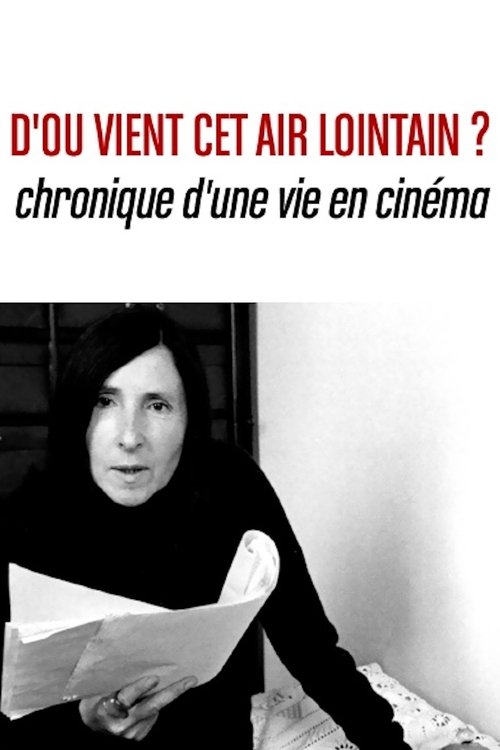
In the evening of her life, Yannick Bellon reflects on her past. She evokes her career as a film director, which began in the 1940s and the themes, sometimes controversial (rape, bisexuality, drugs, ecology) she chose to deal with. She also tells about her friendships, her loves, her leftist political commitment, which earned her many troubles with the censors.
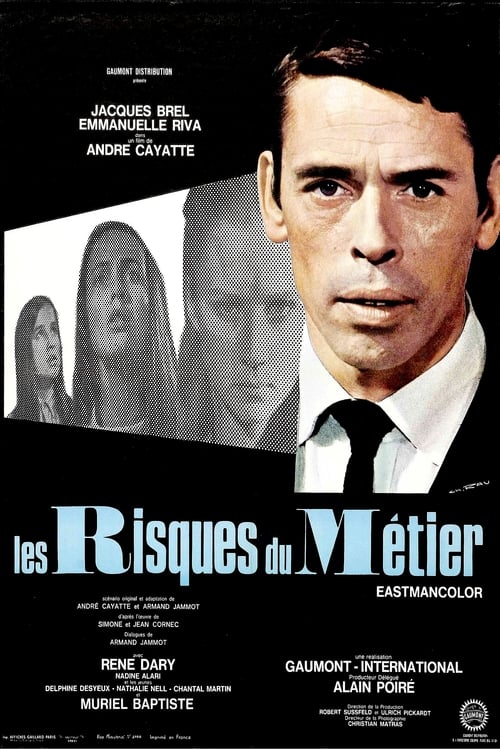
A teenage girl accuses her primary schoolteacher, Jean Doucet (Jacques Brel), of trying to rape her. The police and the mayor investigate, but Doucet denies the charges. Two other students come forward to reveal more of Doucet's misconduct – one confessing to be his mistress. Doucet faces trial and hard labor if convicted.
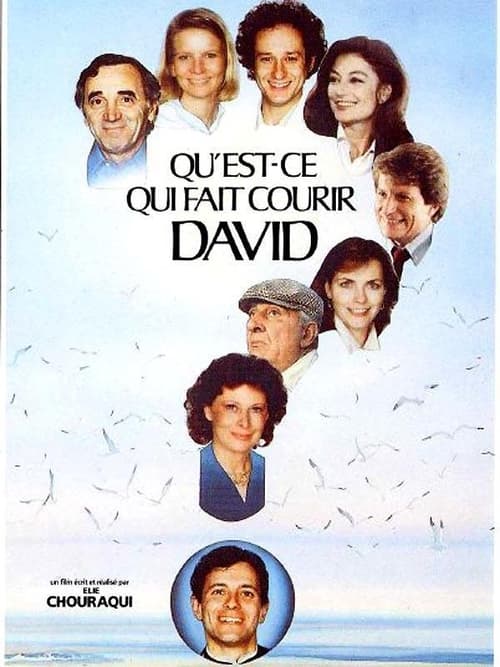
David, a Jewish filmmaker in his thirties, is working on a screenplay with autobiographical overtones. His girlfriend, Anna, with whom he lives, finds his story very narcissistic.
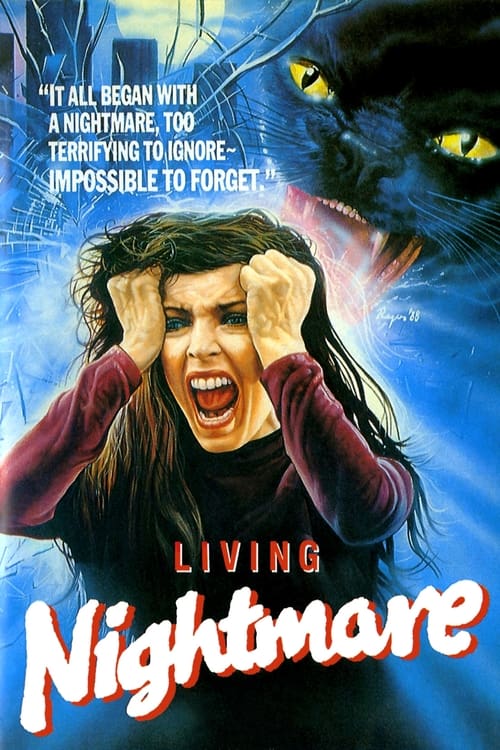
An artist is plagued by nightmares of a love triangle and murder. A psychic says the dream figure is his brother, a "troubled soul" from an ancient past life. Nearly born as his twin but miscarried, this past life rival now breaks through in nightmares in attempt to repeat history.
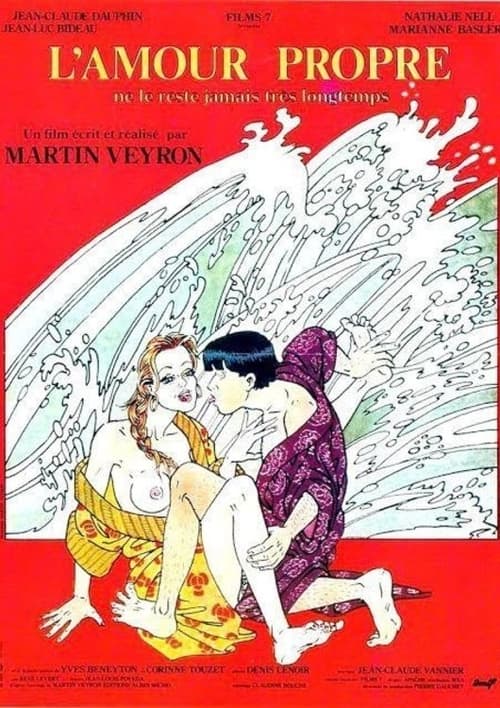
In a routine sex farce, Gautier (Jean-Claude Dauphin) is a man determined to figure out how to give a woman an orgasm -- which of course requires a lot of practice and experimentation. His buddy Roussel (Jean-Luc Bideau) also chases after women but does not share Gautier's unique quest. Rose (Nathalie Nell) finds Gautier entrancing and devises a way to capture his heart while helping him on his search for the ultimate turn-on.
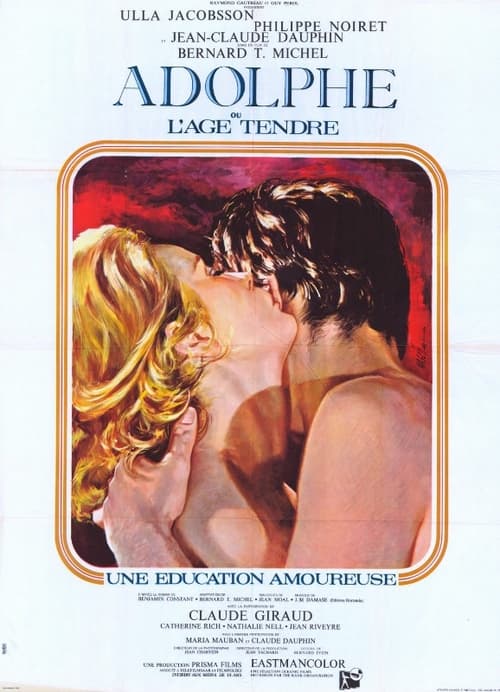
Twenty-year-old Henri Rebecque wants to make his dream come true: to bring Benjamin Constant's Adolphe to the screen in amateur format. Armed with a sixteen-millimeter camera and a team of friends, Henri embarks on this adventure, playing the role of Adolphe himself. Despite all the warnings, he lived through the passion and ordeal of the novel's hero, right to the end. Different times and circumstances will not change this.