Rebecca Blöcher
Directing
Known For
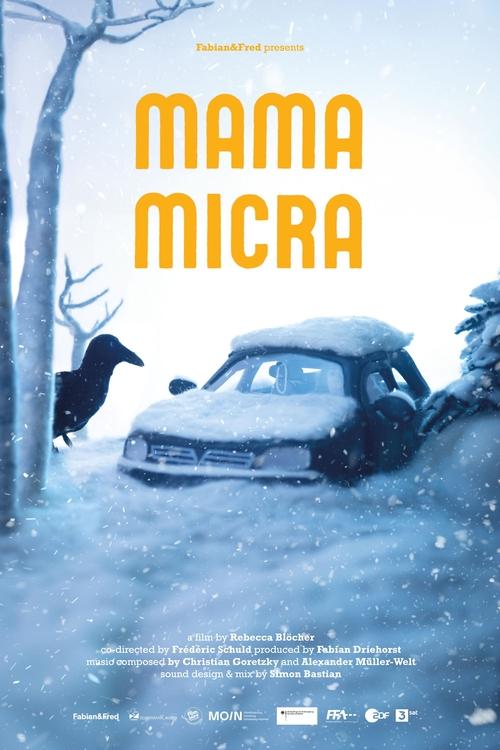
The mother of animation director Rebecca Blöcher didn’t want to live an ordinary life. She wanted “something more,” she explains in this stop-motion film. The people around her didn’t understand—in a letter written in 1968, a girlfriend criticizes her for going out on her own and making men jealous, while advising her to dress in a more “feminine” way and to join a cooking course. Blöcher’s mother brushed aside the advice. Years later still, she divorced her husband and stepped into the big wide world.
Mama Micra

Someone falls off the scene and a tree is upside down. In the search for the roots, people are torn from their usual order, while in the dark connections are made. A woman tastes of the primordial soup and we end up in a system of people spinning around themselves. Only one person remains alone, but he gets unexpected comfort from somewhere.
Lickalike
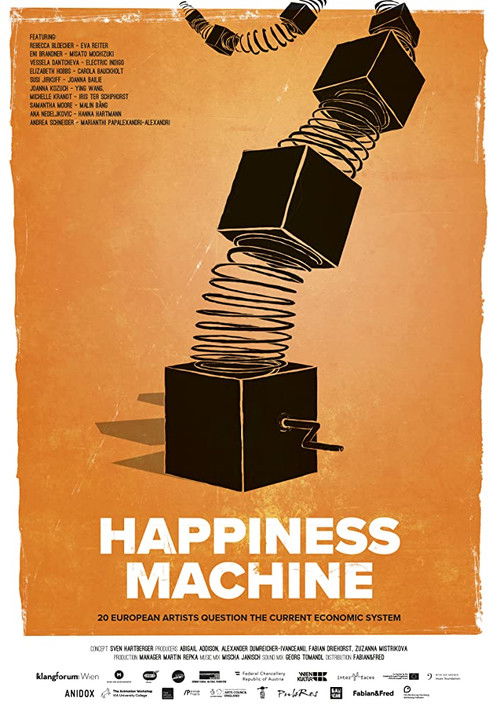
The Happiness Machine is a cinematic performance comprised of animated films, musical compositions and testimonials. Ten women filmmakers, ten women composers and ten musicians present Christian Felber's Common Good Economy for discussion.
Happiness Machine
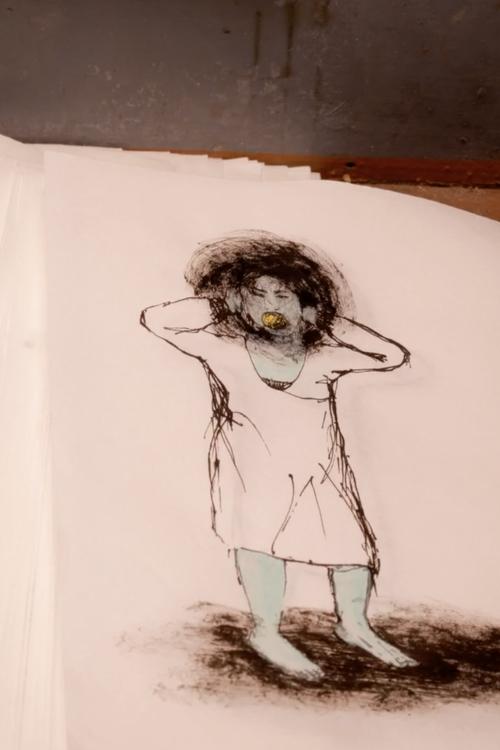
The film "torturing" is based on the poem of the same name by Etta Streicher. It is concerned with not speaking out, keeping your feet still or actually biting the bullet and achieving inner freedom. And about how individual mental states influence the world.
torture
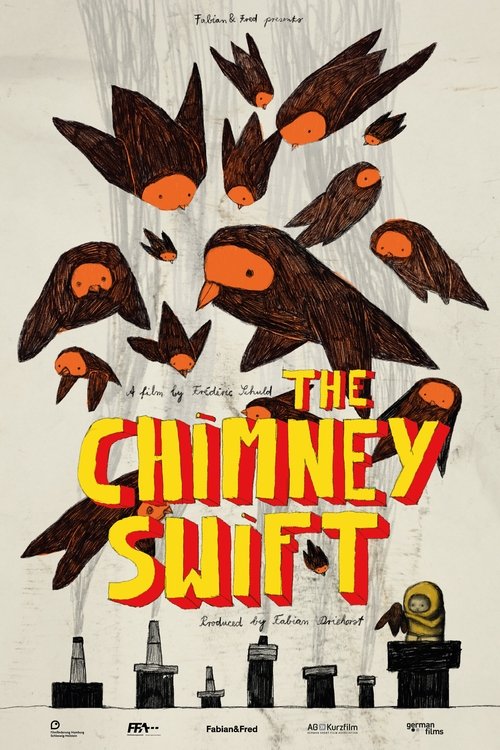
19th century somewhere in Europe. A child has to climb up a chimney, a bird sails down into it and builds a nest, there is no going back for both.