Production
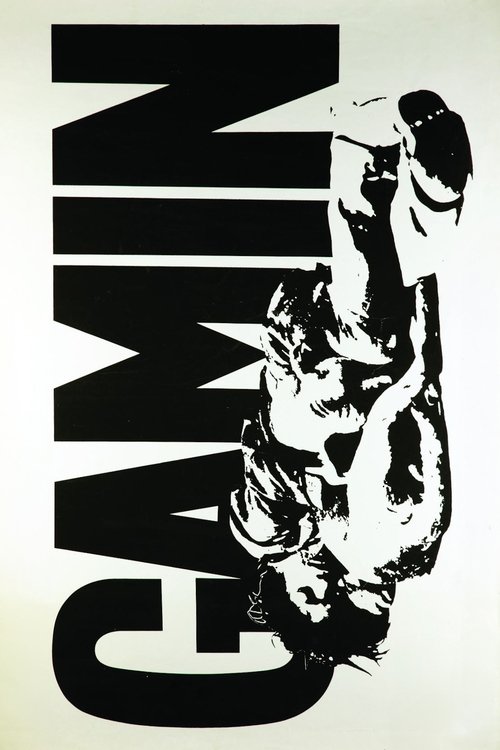
After an extensive immersion work on abandoned childhood, Ciro Durán presents, from his point of view, the life of street children, who have broken all family ties and have regrouped to survive in the concrete jungle.
Three sisters entering old age. Three sisters that are very knit together but have opposing views, that are very close but live far apart, one in Tel Aviv, one in Paris and one in Bogotá. A film about how the passage of time affects us, about death, both our own and that of those who shared their lives with us. Director Joyce Ventura films herself and her two sisters over many years, reflecting on the aging process, acceptance of one's own death and that of our loved ones, and exposing the anxieties that come with facing the end of life. The three very different sisters, each living in different cities, contrast their opposite existential perspectives and personalities. Old age, a life stage that we often choose to ignore but inevitably concerns us all, is narrated in first person with humor and sensitivity.
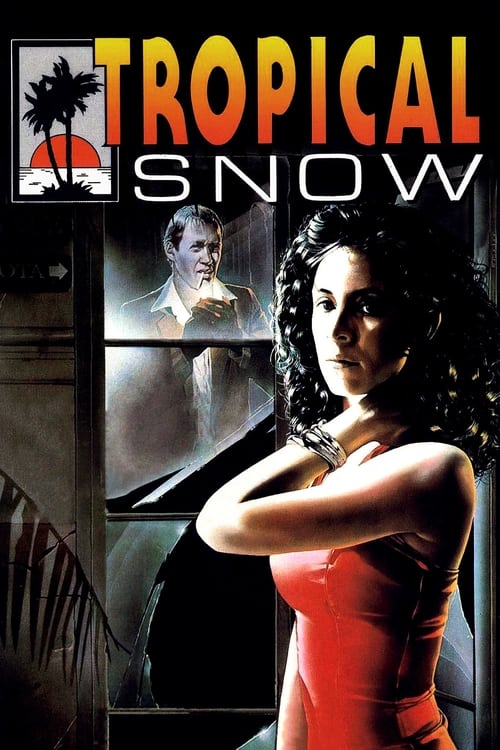
New York is the dream city of Tavo and Marina, where the lovers hope to start a better life; at home in Bogota they have to work as pocket pickers at the airport to support their families. Dealer Oskar can persuade them to smuggle drugs in their stomachs on plane to New York - although both know of the risks, since Marina's sister died on a similar journey. However on arrival at the airport in New York they show nerves and all their dreams start to shatter.
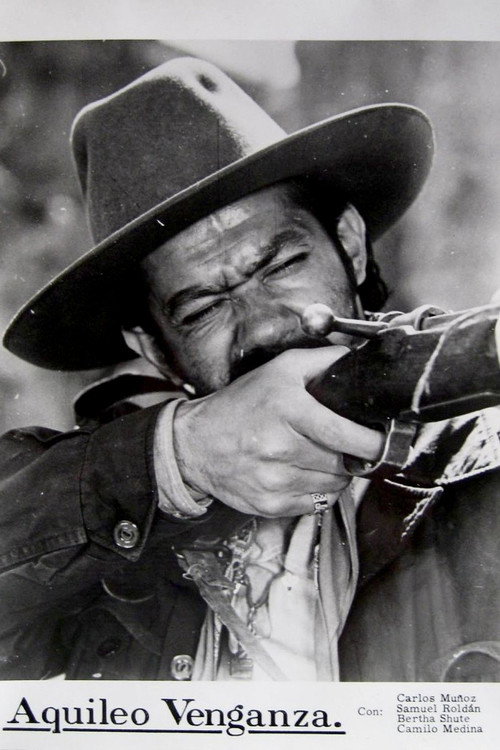
In the begining of 20th century, after the "thousand days war", the country was devastated. Gunmen to the service of land lords attack small land owners to get their lands. Aquileo is the only one who survives, and promises to take revenge on the killers.
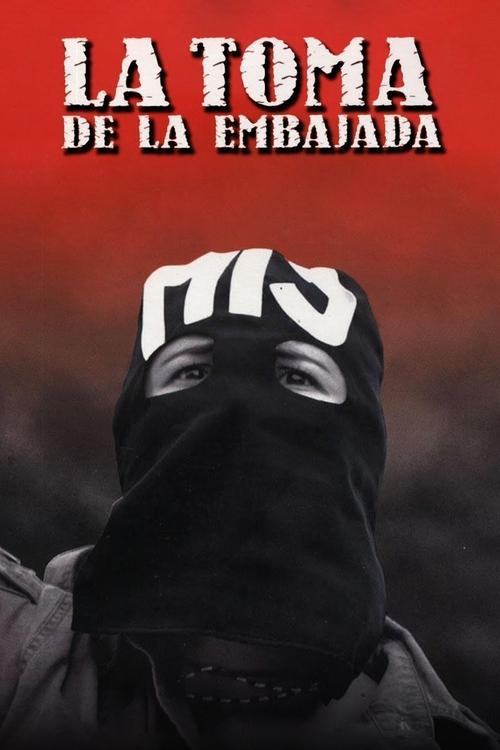
Bogotá, 1980. During the government of President Turbay. An urban cell of the M-19 invades the Embassy of the Dominican Republic, taking 14 ambassadors as hostages. They demand that they be exchanged for political prisoners. The film focuses on the events that took place during those two months of captivity.
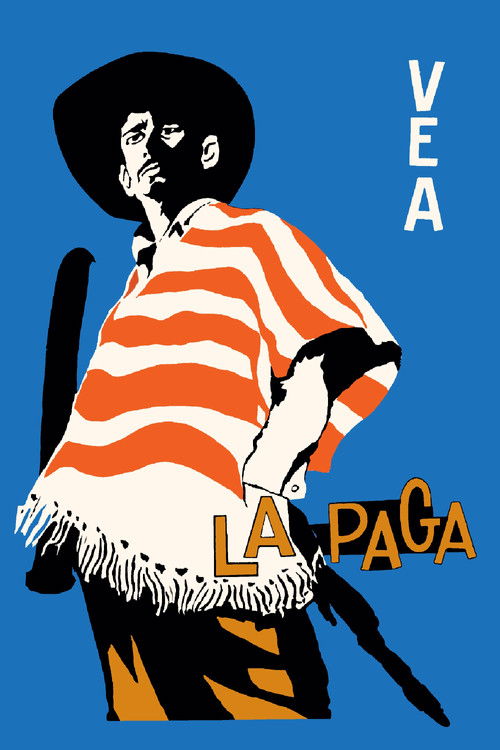
In the Colombian-Venezuelan Andes, a peasant works the land under exploitative conditions to ensure the survival of his family. His son is ill, his wife is pregnant, and he himself reproduces the violence that surrounds him. With no money for medical treatment, one night he gets drunk and is arrested. In jail, in a burst of fury, he rebels against the town's political boss in the only way he can. La Paga was a pioneering work of social and political cinema in Latin America, released the same year as Barravento, Glauber Rocha’s debut feature, and anticipating movements such as Third Cinema. Influenced by Italian Neorealism and Soviet cinema in its aesthetics, forms, and ideological approach, the film uses the archetypal representation of characters and the social and economic forces they embody. Based on the director’s childhood observations in his hometown, La Paga denounces the exploitation of the rural peasantry.
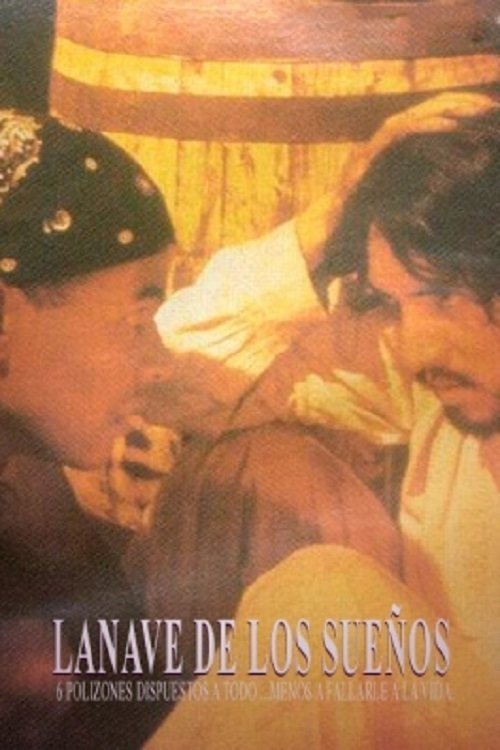
Four men and two women illegaly board a cargo ship from Buenaventura, Colombia to New York. All their dreams and frustrations confronts them while they attempt not to be discovered by the ship crew. They all seek the "American Dream".
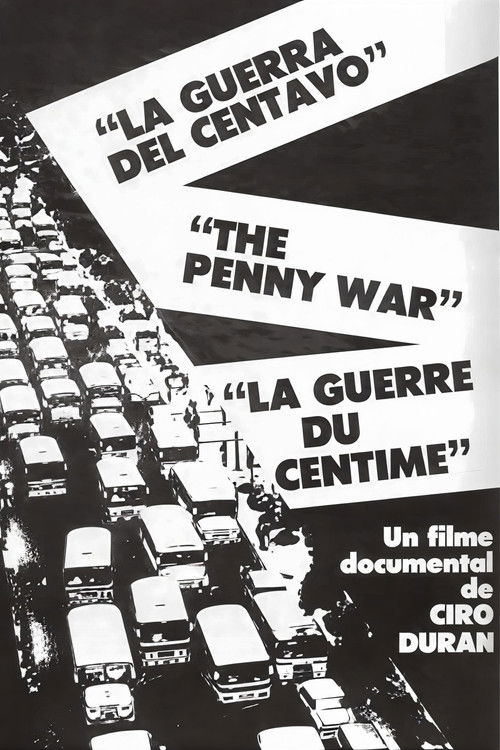
In Bogotá, urban public transport drivers do not receive a fixed salary. This has triggered a daily war marked by an anguishing and dangerous routine that only benefits large business owners and leaves the State as an indifferent bystander.