Sound
When writer Bohumil Hrabal bought a cottage in Kersko, Central Bohemia, in 1965, he certainly did not expect that this place would one day become a museum dedicated to his life and work. Time cannot be stopped, but the Central Bohemian Region and the Polabské Museum are attempting to turn back the clock—at least in one spot in Kersko. Writer Bohumil Hrabal’s cottage is undergoing renovations that will restore it to the appearance it had during the years when the famous writer lived there. Authentic furnishings, furniture, and personal items will be returned to the cottage. A typewriter with a draft of a text will sit on the desk. Everything should look as if Bohumil Hrabal had merely stepped away for a moment.
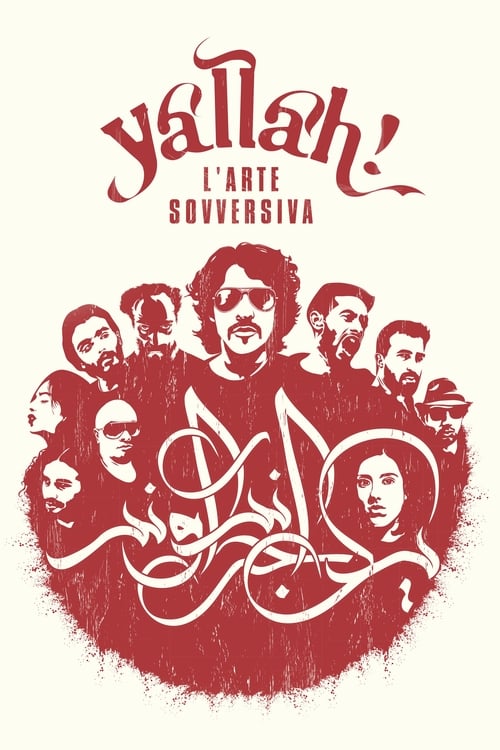
Yallah! Underground follows some of today’s most influential and progressive artists in Arab underground culture from 2009 to 2013 and documents their work, dreams and fears in a time of great change for Arab societies. In a region full of tension, young Arab artists in the Middle East have struggled for years to express themselves freely and to promote more liberal attitudes within their societies. During the Arab Spring, like many others of this new generation, local artists had high hopes for the future and took part in the protests. However, after years of turmoil and instability, young Arabs now have to challenge both old and new problems, being torn between feelings of disillusion and a vague hope for a better future.
The film explores the taboo subject of homosexuality within the Roma community through the personal story of a Roma activist who happens to be gay. Though his job has earned him respect among his peers, by coming out his status is in jeopardy. However, the desire to share his complex story prompted him to write a screenplay based on his life. Partly a documentary about his autobiographical script, the film switches between documentary and narrative storytelling. Owing to its distinctive style, the film offers a glimpse into the protagonist's world as he faces triple discrimination: as a Roma, as a gay man, and as a gay man in the Roma community.
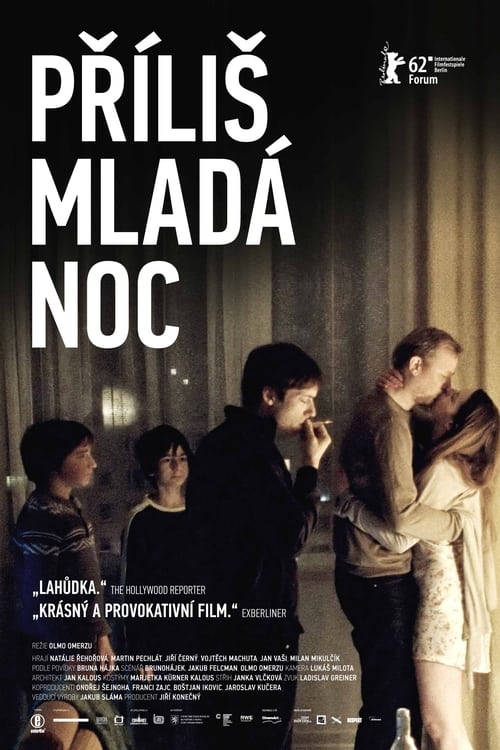
On New Year's Day, two boys wind up in the apartment of Katerina, a teacher from their school, along with her friends, Stepan and David. As the older trio bickers, drinks and flirts, the boys gain eye-opening insight into the adult world.
The story, set mainly in the picturesque surroundings of a First Republic swimming pool, offers many surprises in the form of unexpected performances by acting and singing stars, who pay tribute to the lady of Czech swing.
No description available.
A documentary about Karel Gott that offers an unconventional view of the master. We will show you that he was not only a divine singer, but also a man who loved humor and exaggeration. And most importantly, he was able to make fun of himself. Tereza Kostková will be your guide through the program. We will present skits and humorous dialogues with Karel Gott and our comedians, an unconventional approach to songs and duets where viewers would not expect to see Karel Gott. We will also add a few gems that the audience may have forgotten. His music and smile will never fade!
The film is an insight into a teacher's soul and a contemplation upon his teaching fate. This portrait of a unique, experimental filmmaker and teacher Martin Čihák takes a look at his teaching methods, his meetings with his students at FAMU and at a park where they work with film, or in his studio.
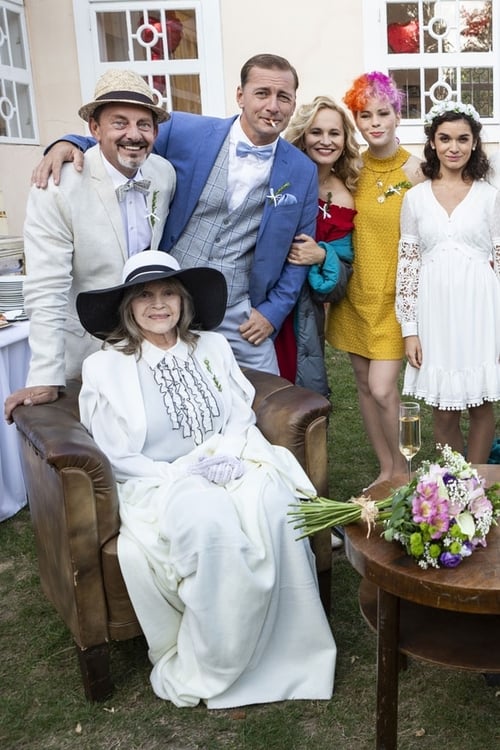
A classic comedy about long-planned courtship and the fear of getting married once and for all performed by actors from Prague's Divadlo Na Jezerce theater.
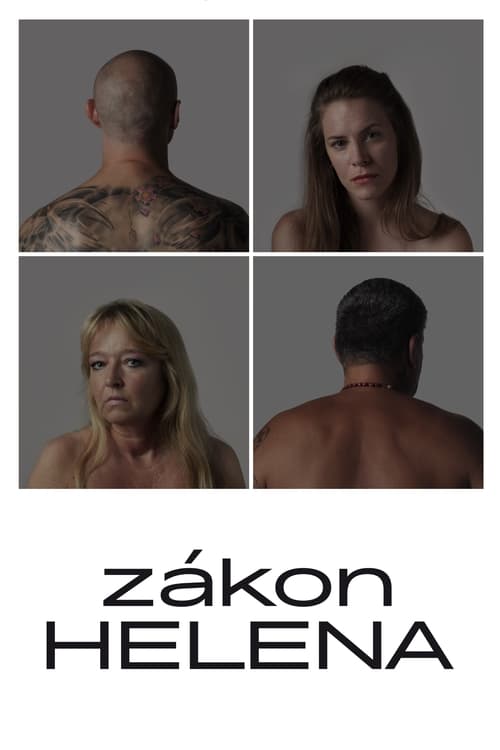
Young actress and documentary director Petra Nesvacilova, decided in her most recent film to focus on police detective, Helena Kahnova, who, with a colleague, managed to send to prison in the 1990´s several dozen people in the so-called Berdych Gang case – including Berdych himself. In total, the sentences meted out came to hundreds of years – the policewoman, as an extra work bonus, received 10 000 Czech crowns (roughly 300 GBP) and a promotion which was revoked soon afterwards. In completing the film the director managed to establish a working relationship with Berdych himself and former members of his gang. What motivates a woman police officer to stand up to a mafia and what motivates a young documentary film-maker to make contact with this mafia and shoot a film about them?