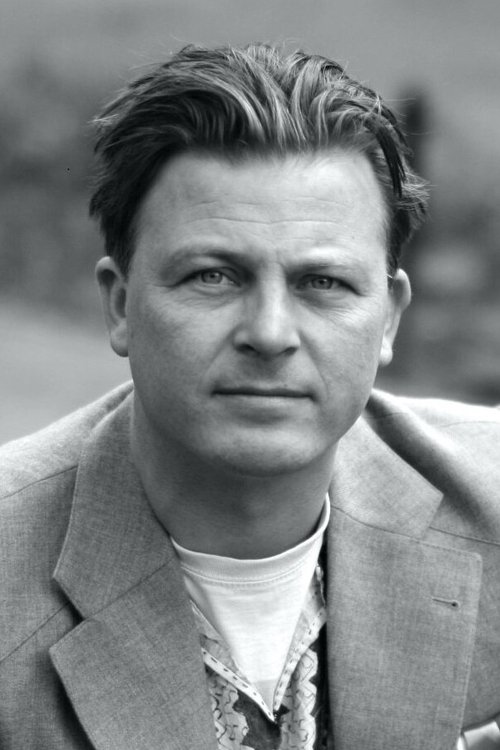
Bård Kjøge Rønning
Directing
Known For
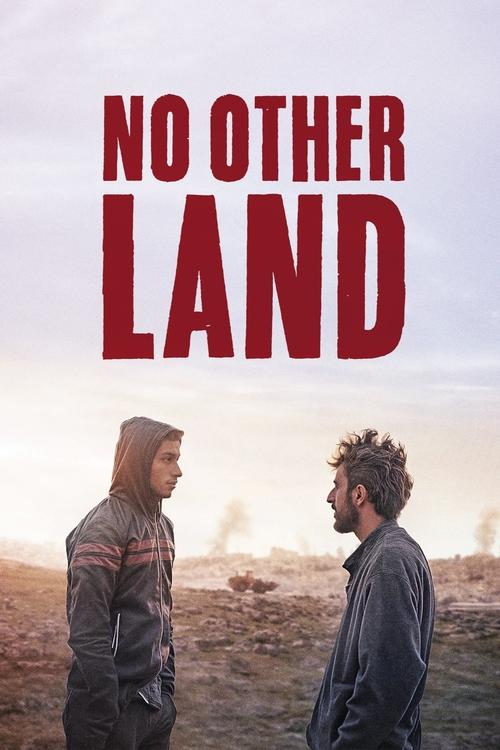
This film made by a Palestinian-Israeli collective shows the destruction of the occupied West Bank's Masafer Yatta by Israeli soldiers and the alliance which develops between the Palestinian activist Basel and Israeli journalist Yuval.
No Other Land
No description available.
Klæbo
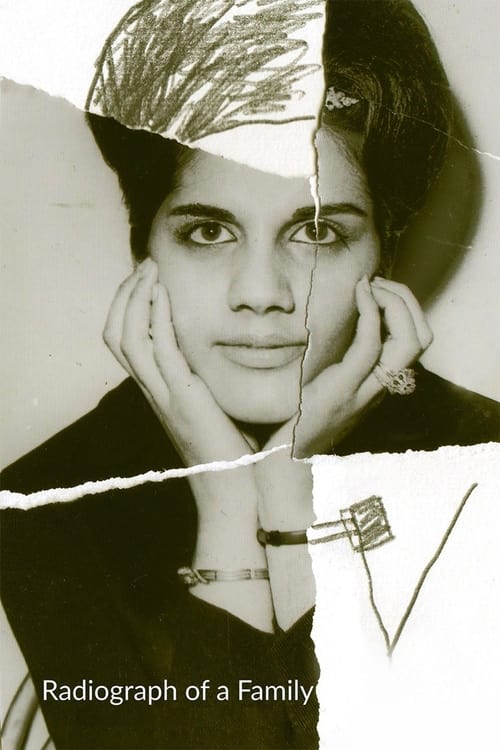
"Mother married a photo of Father," says director Firouzeh Khosrovani in the opening of this deeply personal documentary. She's not speaking metaphorically though. Her mother Tayi literally married a portrait of Hossein in Teheran -he was in Switzerland studying radiology and was unable to travel back to his homeland for the wedding. The event illustrates the abyss that still exists in their marriage: Hossein is a secular progressive and Tayi a devout, traditional Muslim.
Radiograph of a Family
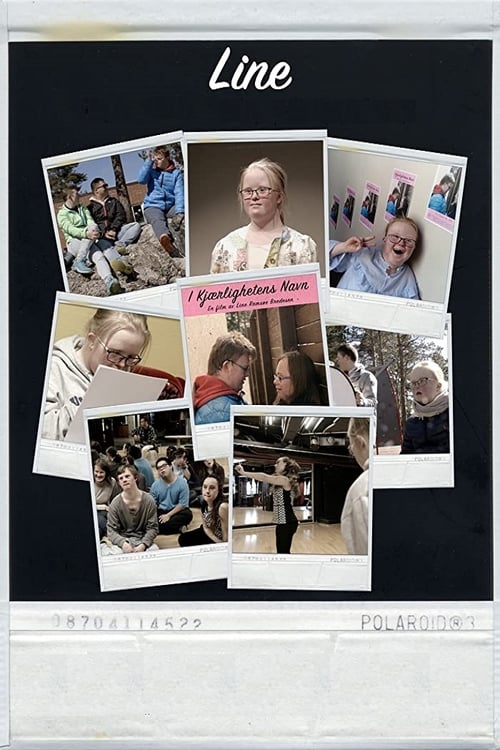
Line is 17 years old, has downs syndrome and her dream is to make a film. Now she gets the chance! We follow Line as she writes, directs an edits her film.
Line
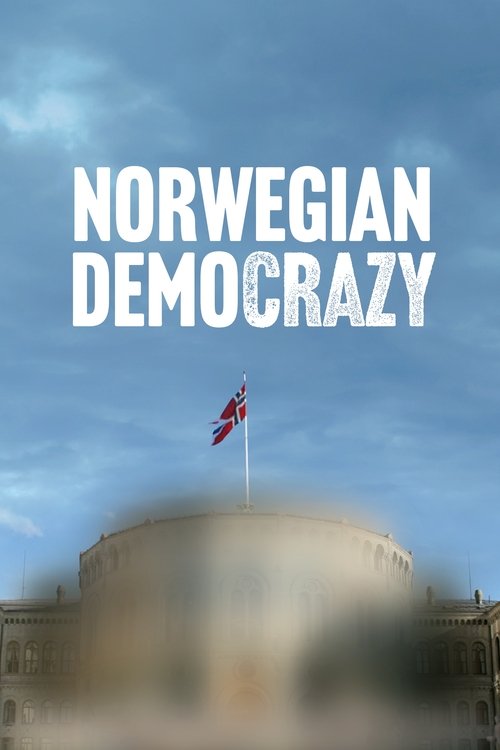
To promote SIAN (Stop the Islamization of Norway) racist-ivist Lars Thorsen publicly burns the Qu’ran, hiding behind freedom of expression laws. The outraged public pushes back in this revealing look at the street-level battle for democracy.
Norwegian Democrazy
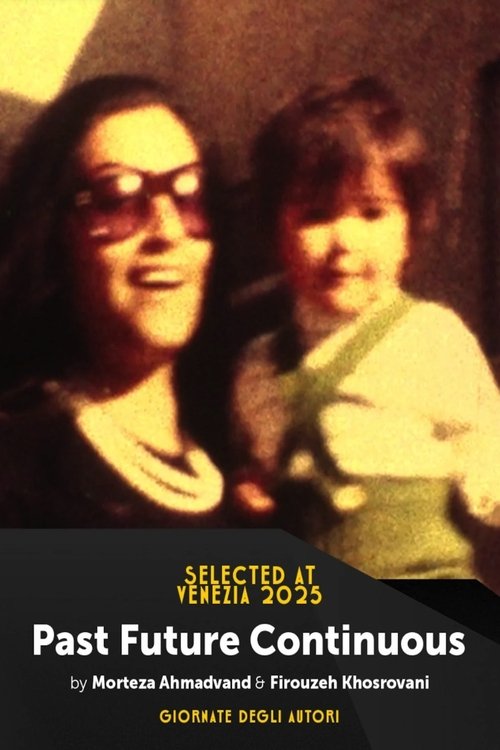
Maryam is an involuntary immigrant in the US, who after forty years has not forgotten her escape from Iran’s border wrapped in a sheep’s skin. Maryam is always worried about her elderly parents and in constant visual connection with the home in Iran from thousands of kilometers through surveillance cameras. These cameras take her to the days of the 1979 revolution. Today, Iran is again experiencing turbulent days and now Maryam encounters her revolutionary past and revolutionary girls who are challenging the present system.
Past Future Continuous

Growing up in the bohemian community at Hydra with Leonard Cohen as a stepfather, Little Axel tells a story of neglect and an overload of freedom.
Little Axel

Elliot’s anxiety grows as he’s observing the brutal landscape and the mystical, village of his Basque grandparents. As a Norwegian, he struggles to adapt, unlike his sharp-witted French cousins. And who is Brouillarta?
Brouillarta

After the death of her mother 18-year-old Sahar is left in charge of her poor, mentally disabled father in an isolated village in Iran. Sahar dreams of attending university and becoming a doctor, but extended family insist she play the role of caretaker unless her father remarries. This warm and intimate observational portrait captures a young woman caught between traditional gender roles and her desire for self-determination, volleyball and Instagram.
Destiny

Welcome to the only country in Europe you probably never heard of! Transnistria is a thin strip of land between the Moldovan river Dniestr and the Ukranian border. After claiming independence in 1990, and breaking free from Moldova in 1992, the country is not recognized by the UN, but has its own parliament, government, military, police and currency. In Transnistria, the old Sovietic virtues are still nurtured in full scale. It´s still USSR-time! «Good morning Transnistria» is a portrait of the country through the life of Oxana and Victor. Oxana is a naïve and optimistic teacher, Victor is a tombstone dealer and regime opponent. Through their lives, we discover what everyday life is like in this akward place, right in the nucleus between Europe and Asia.
Good Morning, Transnistria
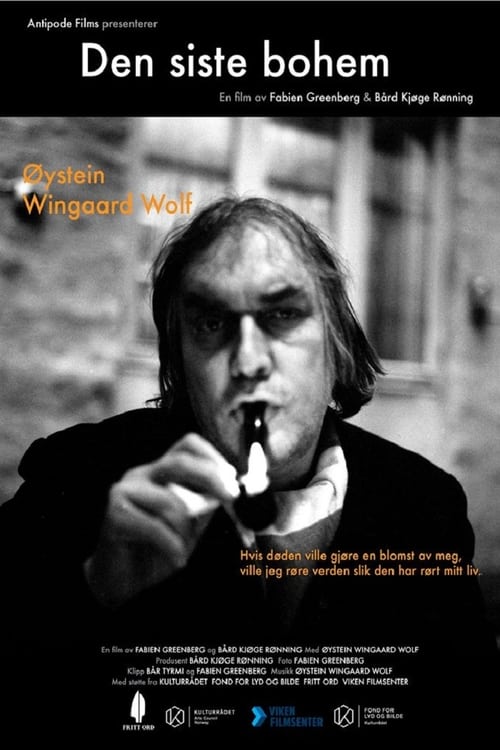
The last bohemian is a portrait of the Norwegian author and singer Oystein Wingaard Wolf who has a manic appetite for social life, art and beauty. He lives, financially and emotionally, from hand to mouth, greedily at moments. A poetic and human travel into an extraordinary man's soul, a soul that is full of songs, poetry and women.
Den siste bohem
A cinematic journey through exile, justice, and the fragile act of return. Following a filmmaker who goes back to Syria after twelve years in exile, in the wake of the Assad regime’s fall, the film weaves together the stories of survivors of torture, imprisonment, and displacement as they fight to hold regime officials accountable—even those hiding in Europe. Between courtrooms abroad and ruins at home, Ashes becomes a living archive: voices refusing disappearance, memories demanding recognition, and testimony transformed into resistance. More than a story of war, it asks an urgent question for Syrians and for the world: can justice and dignity be rebuilt from the ruins, or will silence prevail once more?