Hone Kaa
Acting
Known For
Saving Grace - Te Whakarauora Tangata is the final work of director Merata Mita, who passed away suddenly before the film could be completed. The film addresses some of the deepest and most distressing issues Māori communities face, and shows how extraordinary creative solutions are being provided by Māori communities themselves. Mita asks Maori men to front up to some grim realities by talking openly and honestly about the violence and abuse that has plagued their communities for many years. The film is a personal response to this violence, with Mita making a case for a return to an older model of Maori manhood, when men were the ones who sweetly sang the children to sleep. “Merata intended the documentary to count in ways that mattered deeply to her and to change perceptions of abuse and violence by using themes of responsibility, redemption, revitalisation, forgiveness and, most of all, love.” - Carol Hirschfeld, Māori Television.
Saving Grace - Te Whakarauora Tangata
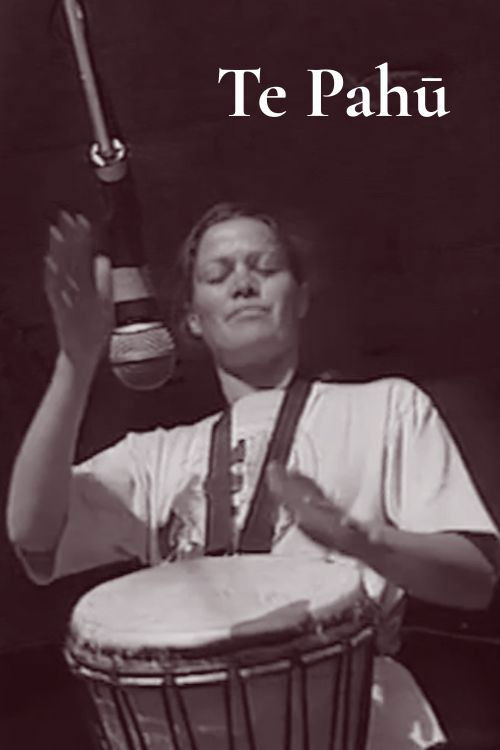
With the resurgence of taonga pūoro, one musical instrument remains conspicuously absent from Māori music —pahū (drum). In this documentary Te Pahū, composer Hirini Melbourne (ONZM) and ethnologist Te Warena Taua trace the history of pahū, from musical accompaniment to being the manawa (heart) of communication and communities. Musicians and carvers bring to life the lost beat of pahū by creating a version using modern techniques. Pioneering Māori filmmaker Merata Mita (Patu!) directed Te Pahū, while Rawiri Paratene (Whale Rider) co-wrote and produced it.