Pedro Costa
Directing
Biography
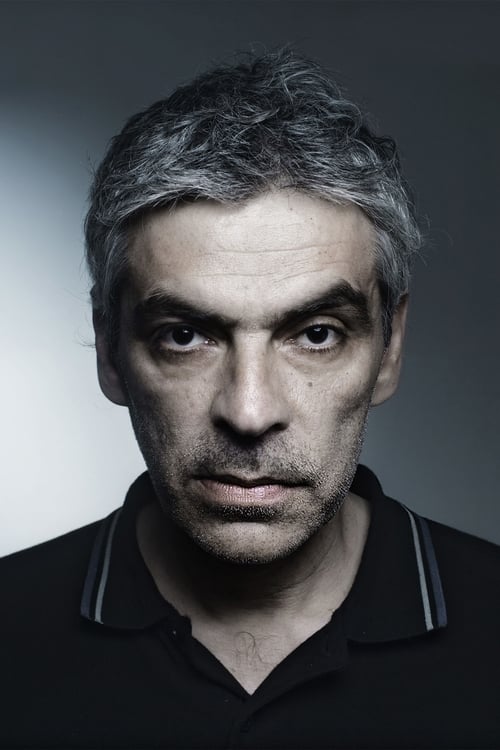
Pedro Costa is a Portuguese film director. While studying history at University of Lisbon, Costa switched to film courses at Lisbon Theatre and Film School (Escola Superior de Teatro e Cinema) where he was a student of António Reis, Paulo Rocha and Alberto Seixas Santos. After working as an assistant director to several directors such as Jorge Silva Melo, Vítor Gonçalves and João Botelho, he made a first feature film O Sangue (The Blood) in 1989. He collected the France Culture Award (Foreign Cineaste of the Year) at 2002 Cannes Film Festival for directing the film In Vanda's Room. Colossal Youth was selected for the 2006 Cannes Film Festival and earned the Independent/Experimental prize (Los Angeles Film Critics Association) in 2008. He is considered to be part of "The School of Reis" film family. António Reis, Portuguese director, was his teacher at the Lisbon Theatre and Film School. Peter Bradshaw of The Guardian called Pedro Costa "the Samuel Beckett of cinema". He is acclaimed for using his ascetic style to depict the marginalised people in desperate living situations. Many of his films are set in a district of Lisbon inhabited by socially disadvantaged and shot in a natural and low-key way in documentary format: some are docufictions.
Known For

True story of thirteen totally normal young women that suffered harsh questioning and were put in prison under made up charges of helping the rebellion against Franco back in the 1940s. Despite of their innocence, the thirteen were soon executed without even a trace of evidence of any wrong doing.
The 13 Roses

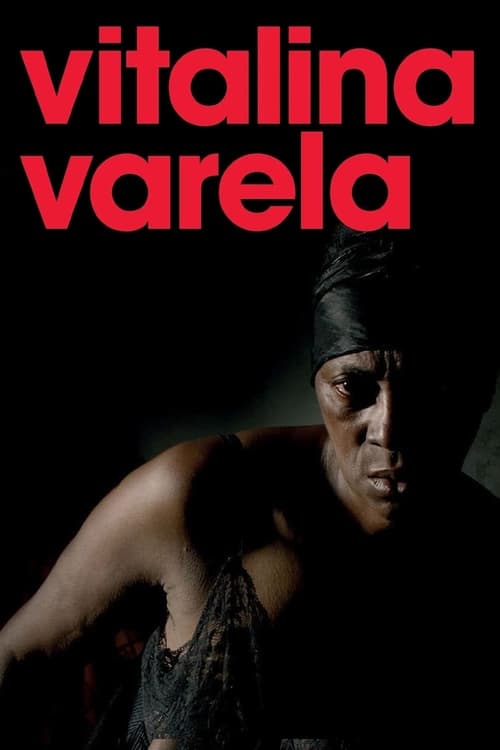
A Cape Verdean woman navigates her way through Lisbon, following the scanty physical traces her deceased husband left behind and discovering his secret, illicit life.
Vitalina Varela

Six authorities of cinema describe their approach to transcendence, mysticism, spirituality and life after dead.
Wiara

An unflinching, fragmentary look at a handful of self-destructive, marginalized people, but taking as main focus the heroin-addicted Vanda Duarte.
In Vanda's Room

A participant in a coup d'état by young commissioned officers, Ventura loses his way within the woods. Eventually, Ventura is admitted into a mental hospital where he has conversations with "ghosts" of the past in the hospital's elevator.
Sweet Exorcist

After a suicidal teenage girl gives birth, she misguidedly entrusts her baby’s safety to the troubled, deadbeat father, whose violent actions take the viewer on a tour of the foreboding, crumbling shantytown in which they live.
Ossos

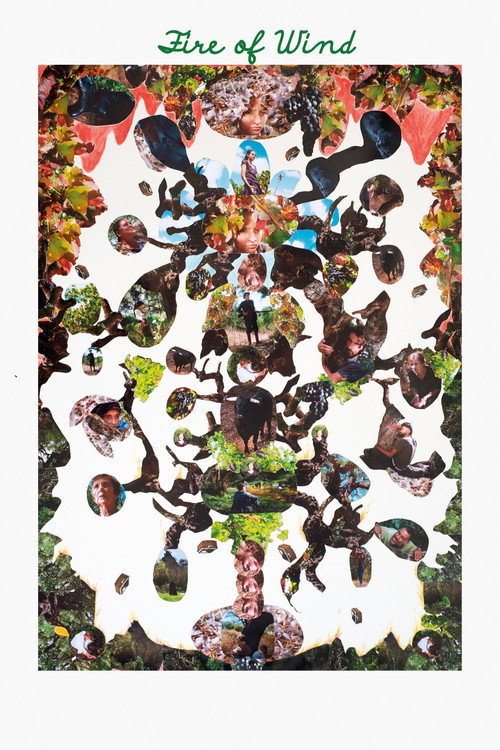
The vine bore fruit, and it's harvest time. Soraia, a young girl, cuts herself. Blood mixes with wine. A black bull is on the loose. Up in the oak trees, time swells, and a community takes shelter. They share bread and wine, memories and dreams, the history of a landscape. We enter a long night, where nature also speaks. The fiery wind that brings the heatwaves, it's burning.
Fire of Wind

Laura Rossellini, a widow from Rome, vacations on the Algarve coast one hot summer. One day while sunbathing, she finds a wounded man named Robert drifting in the surf on a rubber raft. She takes him home, and, after he is revived, learns his story. As they talk, their mutual attraction grows, until a group of armed men suddenly arrive looking for Robert.
Hovering Over the Water

It is the end of summer and Isabel is a relationship with Diogo. She don't quite know what she wants from her life going forward as her father gets sick.
A Girl in Summer

After the Portuguese government demolishes his slum and relocates him to a housing project on the outskirts of Lisbon, 75-year-old Cape Verde immigrant Ventura wanders between his new and old homes, reconnecting with people from his past.
Colossal Youth

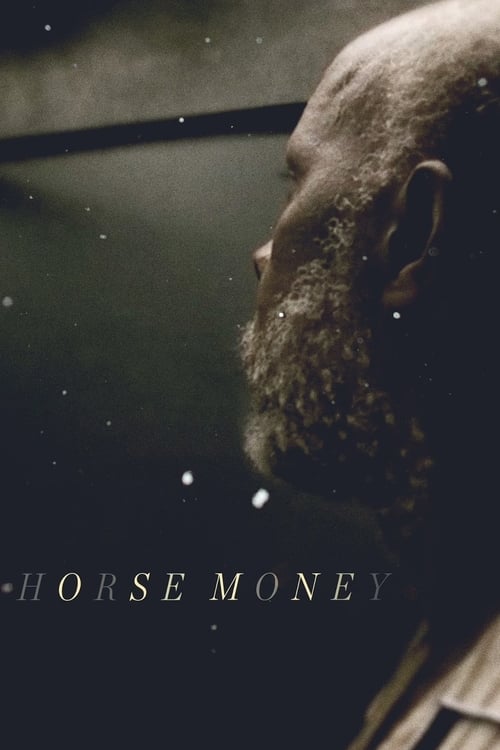
While the young captains lead the revolution in the streets, the people of Fontainhas search for Ventura, lost in the woods.
Horse Money

O Nosso Homem (Our Man) is a short variation in the line of the trilogy Pedro Costa has devoted to the habitants of the Fontainhas quarter, which has been destroyed in the meantime. It can be considered as a sort of appendix to the third part, Juventude en Marcha (Colossal Youth), in which the hero, Ventura, reappears as one of the four characters of this dialogue of hopelessness.
Our Man

No description available.
História do Cinema Português

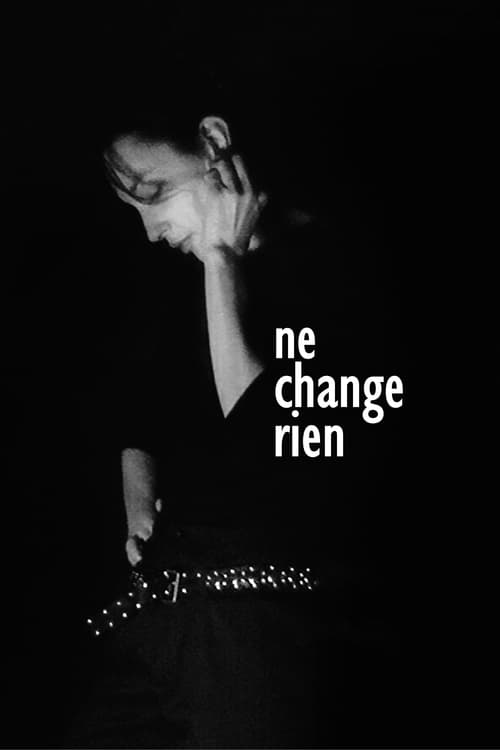
One of the most important figures in contemporary cinema, Pedro Costa's celebrated music documentary is a mesmerizing portrait of French actress-turned-singer Jeanne Balibar, a transfixing, cigarette-smoking chanteuse with an intense devotion to her craft. Photographed in shimmering black-and-white and featuring a soundtrack of jazz-inflected pop songs, the film is a luminous exploration of the creative process.
Change Nothing

The film tells a story of Mariana, a nurse who leaves Lisbon to accompany an immigrant worker in a comatose sleep on his trip home to Cape Verde. The devoted Portuguese nurse took a journey only to find herself lost in abstract drama.
Casa de Lava

Six directors, six independent films, six visions on the state of the world. Each carrying a unique and personal interpretation of a specific experience, their crossover creates new space for a dynamic and radical inquisitive reflection.
The State of the World

A short film showing a rehearsal and live performance by Jeanne Balibar. Costa would go on to make a feature-length documentary with the same title and subject matter in 2009.
Change Nothing

Summer of 1964. The professor Carlos and the couple Dário and Alda spend time together in the beach during vacations. Away from the colonial war, everything seems lost in time.
Agosto

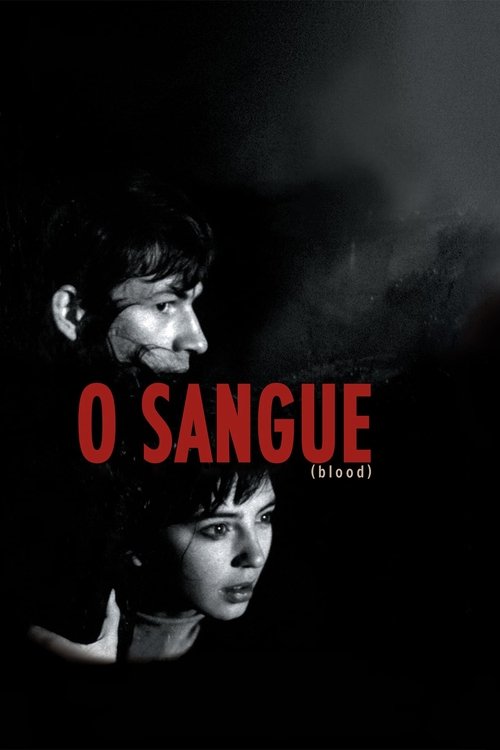
Nino, tough but sickly, and his older brother Vicente live in the country with their father. After their father disappears ― we’re never sure why ― murder is suggested. Vicente brings his girlfriend to the house, and a different kind of family is established as the three youngsters grow fiercely protective of each other. But their uncle grows suspicious about the fate of the missing father and forcibly kidnaps Nino, taking him away to the city and leaving Vicente to locate him there.
Blood

After long years spent in exile in Paris, Lyubov, a strange and elusive woman, returns to her ancestral estate, about to be sold to pay off the family’s debts. As the centre around which the play revolves, forever oscillating between tragedy and comedy, this maternal figure, this mater dolorosa, played by Isabelle Huppert, returns to a family unsettled by the future of the estate, and more largely, by that of this world she left behind. Modern society, with its social changes, is right around the corner, noisily announcing its arrival.