Camera
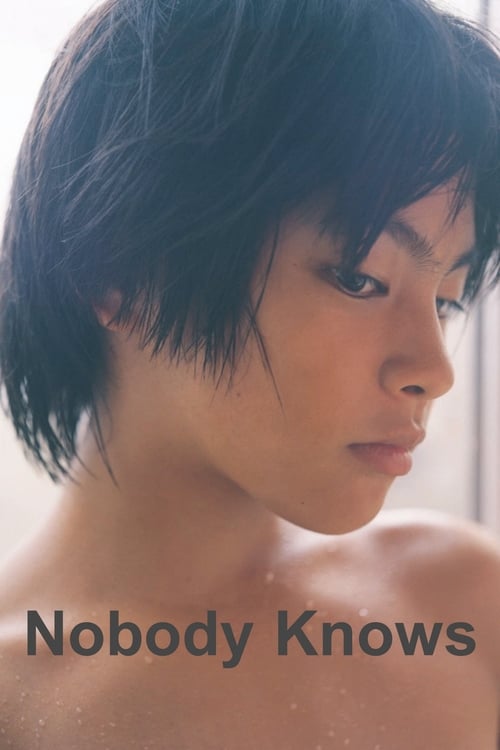
In a small Tokyo apartment, twelve-year-old Akira must care for his younger siblings after their mother leaves them and shows no sign of returning.
Benjamin visits Tokyo to see Miko. At her place, he finds a photo that caught his attention. It was taken at the winery 40 years ago. There are Benjamin, his deceased wife, and Miko's parents in it. Miko starts to tell a story behind it.
A family gathers together for a commemorative ritual whose nature only gradually becomes clear.
Ryota is an unpopular writer although he won a literary award 15 years ago. Now, Ryota works as a private detective. He is divorced from his ex-wife Kyoko and he has an 11-year-old son Shingo. His mother Yoshiko lives alone at her apartment. One day, Ryota, his ex-wife Kyoko, and son Shingo gather at Yoshiko's apartment. A typhoon passes and the family must stay there all night long.
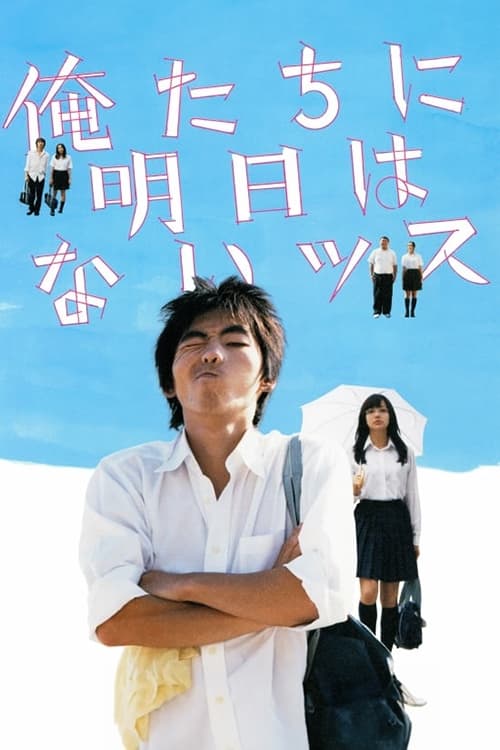
17 year-old Hiruma is desperate to get laid and takes out his sexual urges on Anpai, a fat boy who has "boobs." His classmate Tomono, a sickly loner, is in a serious relationship with their married teacher.
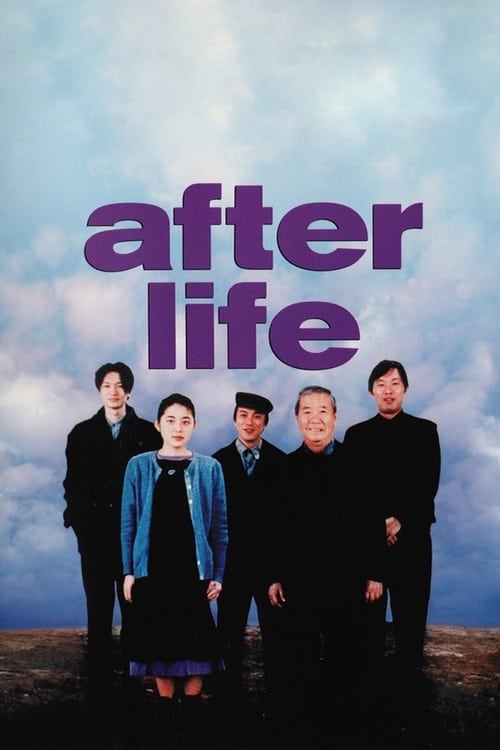
On a cold Monday morning, a group of counselors clock in at an old-fashioned social services office. Their task is to interview the recently deceased, record their personal details, then, over the course of the week, assist them in choosing a single memory to keep for eternity.
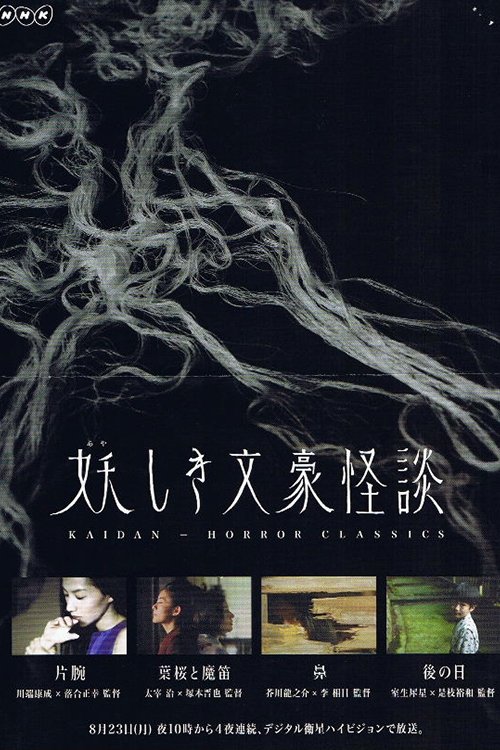
Four renowned Japanese directors each adapt a supernatural short story by Japanese literary masters for the KAIDAN HORROR CLASSICS omnibus series. In his adaptation of Yasunari Kawabata's THE ARM, Masayuki Ochiai reveals the inner world of fetishists in an eerily unsettling tale of a man who convinces a woman to let him borrow her arm for a night. Meanwhile, Shinya Tsukamoto explores death and unrequited love in Osamu Dazai's THE WHISTLER, about a woman who spies on her dying sister's secret love life after her own romance is dashed by her father. After VILLAIN, Lee Sang-Il looks at social outcasts once again in Ryunosuke Akutagawa's THE NOSE. The story follows a priest with a hideous nose who kills a young local boy in a moment of blinding anger. Meanwhile, Hirokazu Kore-eda creates a gentler ghost tale with Saisei Muro's THE DAYS AFTER, about a married couple who thinks the young boy who visits their house daily may be the ghost of their dead infant son.
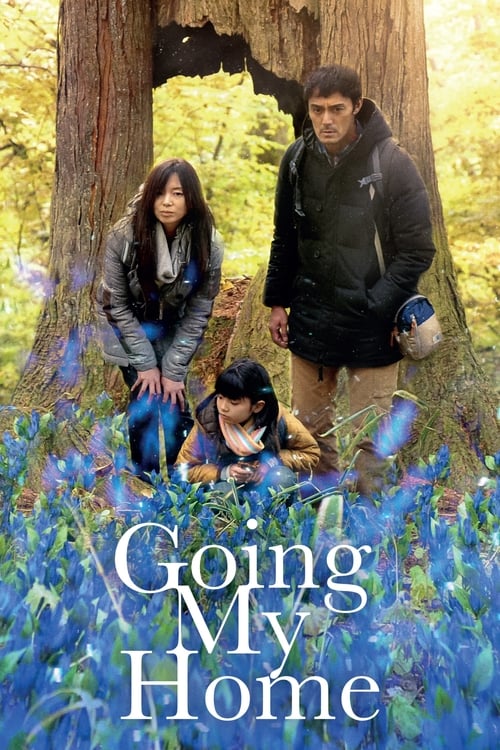
Ryota, a timid salaryman who has difficulties fitting in at home and work has his average life changed after his estranged father falls ill. Along with his wife Sae and their only child Moe, he travels to his father's country town, where he begins to uncover his father's mysterious past spent searching for a mythical creature.
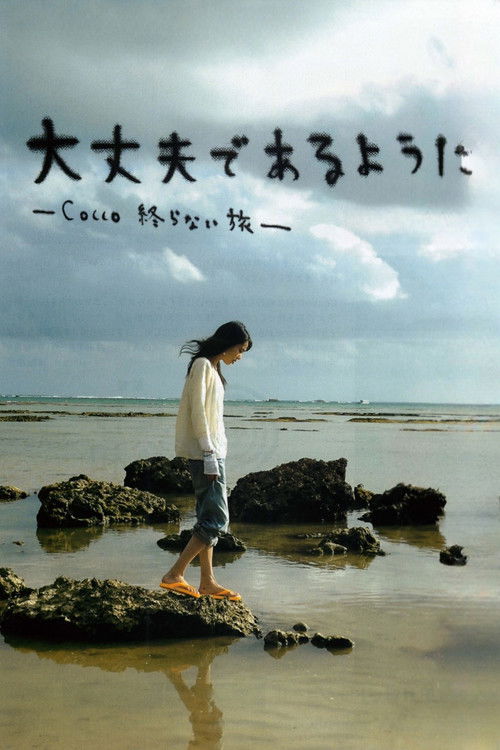
A documentary about the J-pop / folk rock singer Cocco.
Two children, each abandoned by their families, come together in the wake of the Sarin gas attack in Tokyo. Based on the true events of the deadly gas attacks perpetrated by members of the Aum Shinrikyo cult on the Tokyo subway system.
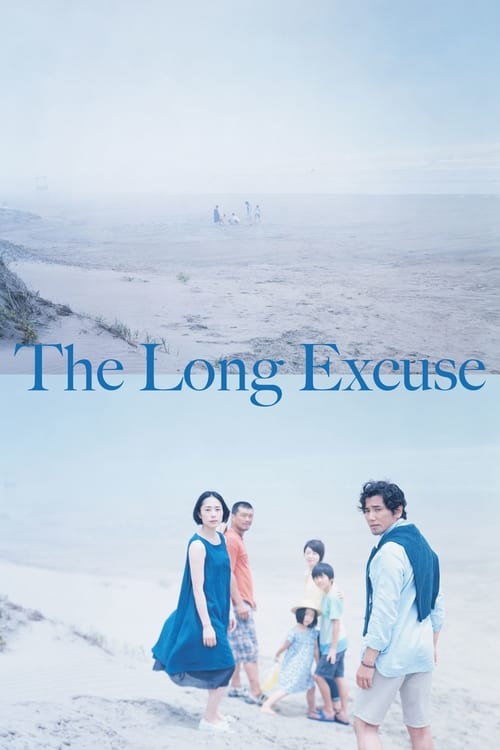
A recently widowed writer whose wife died in a bus crash comes to terms with his grief—or lack of it—in caring for the children of a working man who also lost his wife in the same accident.
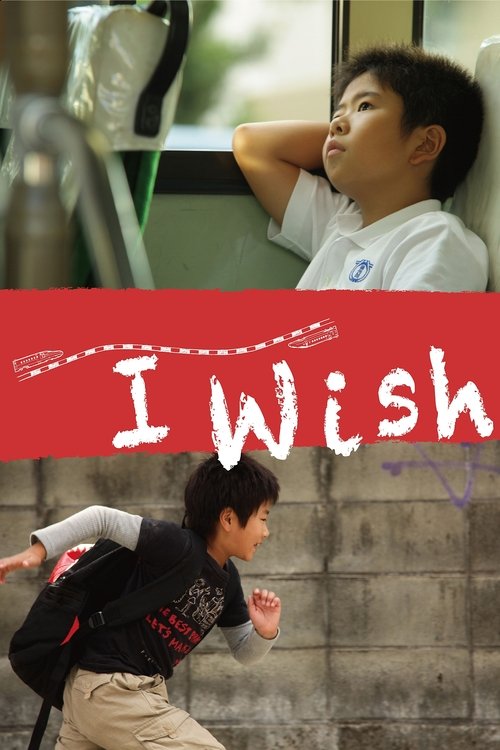
Twelve-year-old Koichi, who has been separated from his brother Ryunosuke due to his parents' divorce, hears a rumor that the new bullet trains will precipitate a wish-granting miracle when they pass each other at top speed.
On the Japanese island of Amami, despite lacking parental guidance, Kaito and his girlfriend Kyoko try to find their place in the world. While Kaito suffers from the absence of his father, who moved to Tokyo after his birth, Kyoko must come to grips with her mother’s terminal illness.
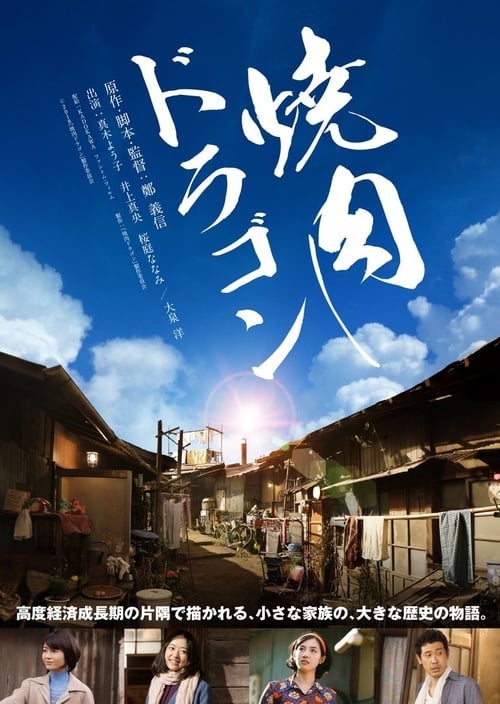
Set in the 1970's in the Kansai region of Japan.. Yong-Gil is Korean, but he moved to Japan and settled down. He runs a small restaurant named Yakiniku Dragon. He is married and has three daughters: oldest daughter Jung-Hwa, middle daughter Yi-Hwa and youngest daughter Mi-Hwa. Oldest daughter Jung-Hwa is dating Tetsuo, but they break up. Middle daughter Yi-Hwa loves Tetsuo and marries him, but Tetsuo still loves her older sister and they divorce. Youngest daughter Mi-Hwa wants to become a singer, but she is in love with a married man.
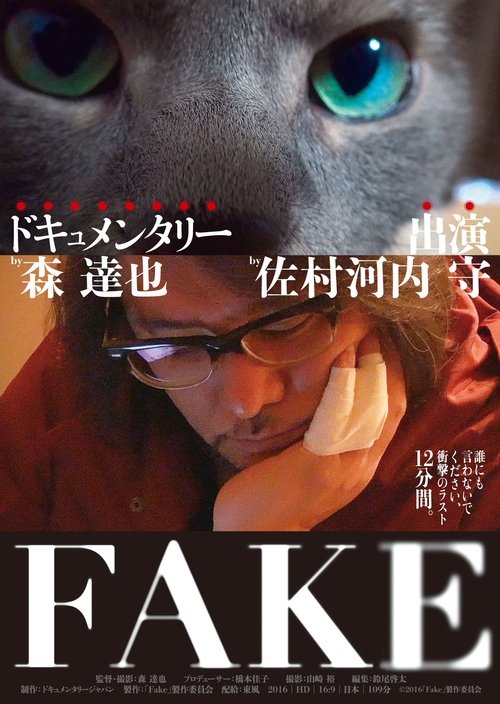
Born to atomic bomb survivors in Hiroshima, Mamoru Samuragochi, a self-taught classical composer with a degenerative condition causing deafness, was celebrated as a "Japanese Beethoven" for the digital age. However, just prior to the 2014 Winter Olympics, where Samuragochi's "Sonatina for Violin" was to accompany figure skater Daisuke Takahashi, part-time university lecturer Takashi Niigaki revealed that he had served as the composer's ghostwriter for 18 years, that Samuragochi couldn't notate music and, in fact, could hear perfectly. As Samuragochi's recordings were pulled and performances cancelled, Niigaki enjoyed success on TV talk shows. Filmmaker Tatsuya Mori finds Samuragochi in his small Yokohama apartment with his wife and cat, ready to tell his side of the story. A mesmerizing character study skewering media duplicity and constructions of ability/disability, in which Samuragochi's career has collapsed, taking fact and fiction with it.
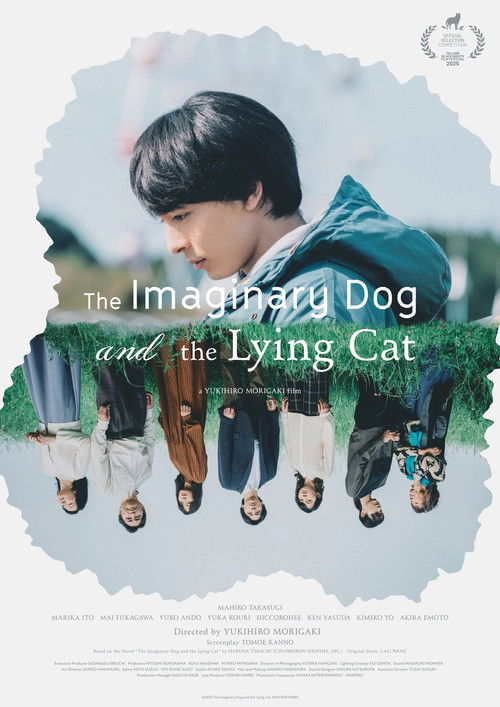
It is the year 1988. Yamabuki is an eight-year-old little boy growing up in a traditional family where every family member has problems and secrets they try to hide from each other. The father runs a failing construction company and has an intimate relationship with another woman. The mother is struggling with severe depression, as she cannot cope with the death of her youngest child. The grandfather, who used to be a construction engineer, hopes to start building an amusement park, but to no avail. The grandmother runs a small store where she sells items of forged origin. Yamabuki's big sister Beni is fed up with the lies of her predecessors and is looking for a way to run away from home. In the midst of all this chaos, Yamabuki has started to find solace in patting an imaginary dog.
In a poor district of Edo lives a young samurai named Soza. He has been sent by his clan to avenge the death of his father. He isn't an accomplished swordsman however, and he prefers sharing the life of the residents, teaching the kids how to write etc. When he finally finds the man he is looking for, he will have to decide whether he follows the way of the samurai or chooses peace and reconciliation.
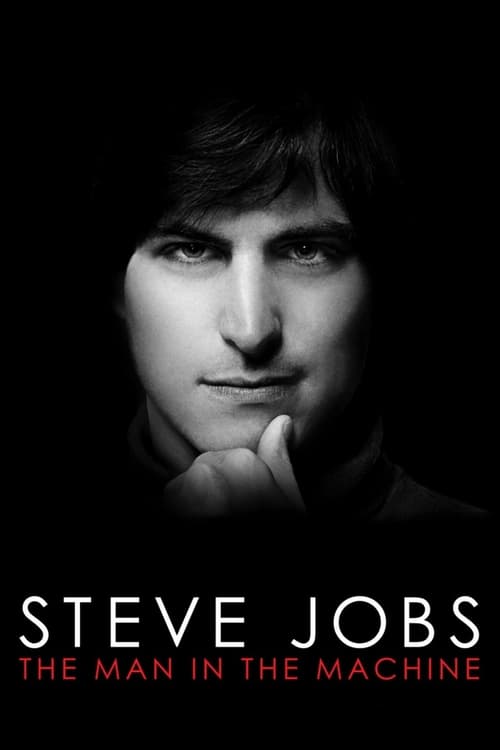
When Steve Jobs died the world wept. But what accounted for the grief of millions of people who didn’t know him? This evocative film navigates Jobs' path from a small house in the suburbs, to zen temples in Japan, to the CEO's office of the world's richest company, exploring how Jobs’ life and work shaped our relationship with the computer. The Man in the Machine is a provocative and sometimes startling re-evaluation of the legacy of an icon.
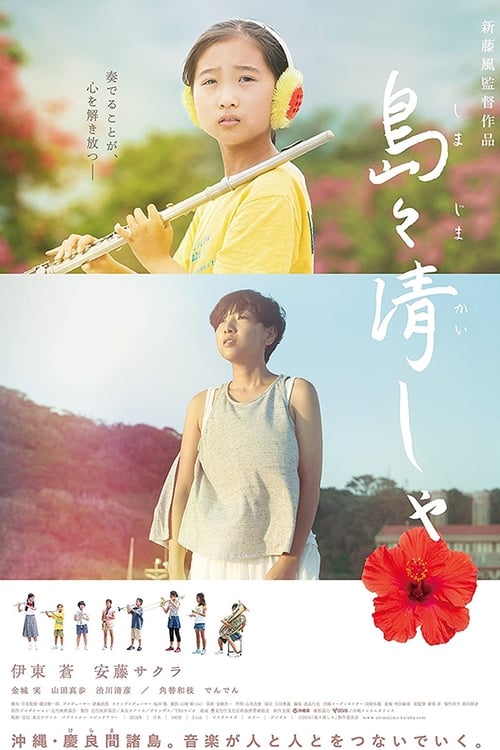
Umi’s hearing is so sensitive that even notes played slightly out-of-tune give her a headache. Violinist Yuko arrives from Tokyo to play a concert on Umi’s small island near Okinawa, and gradually befriends the girl. Both struggle with friendships and family relationships, but are brought together by music.
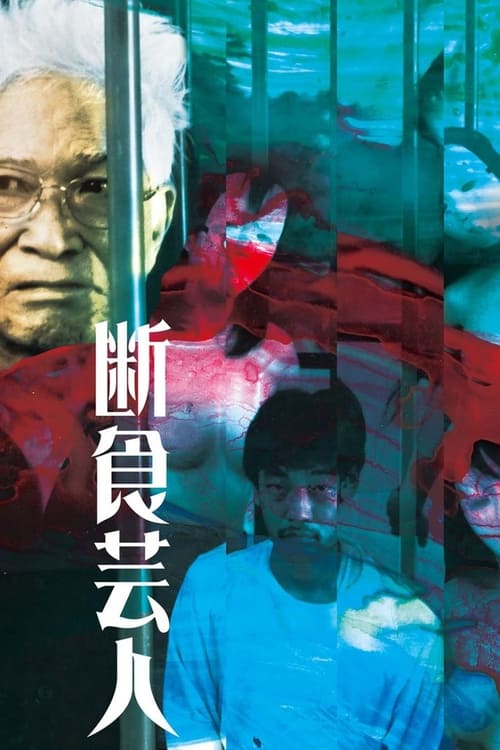
A wordless man stages an unexplained hunger strike and the people surrounding him exploit his silence to further their own cause...