Acting
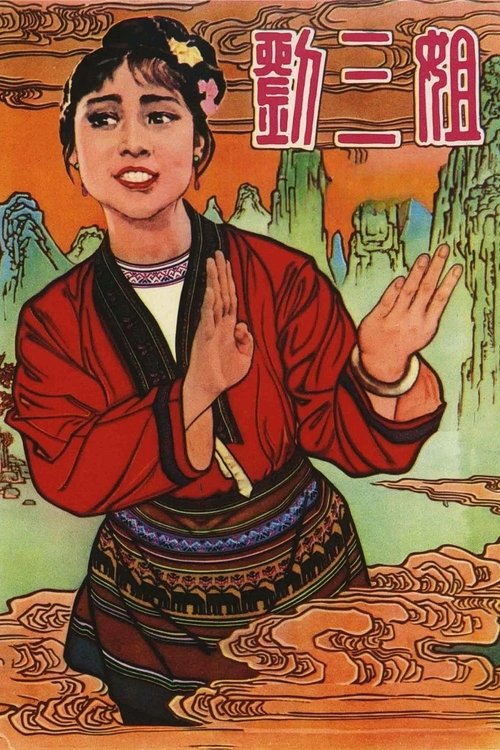
Liu Sanjie is a story that originates from the Zhuang minority people; the largest of the minority groups in China. It’s based on the legend of a woman called Liu Sanjie (literally meaning “third sister of Liu family”). Across generations, the story has become an oral tradition amongst these people and similar characters have even been found to exist in other minority cultures. According to legend, Liu Sanjie had the gift of a beautiful singing voice from a very early age. So beautiful was her voice, she could quell anger and raise the spirits of the people around her. The story became famous around China when the movie Liu Sanjie was released in 1960 – a rare musical production in Chinese cinema.
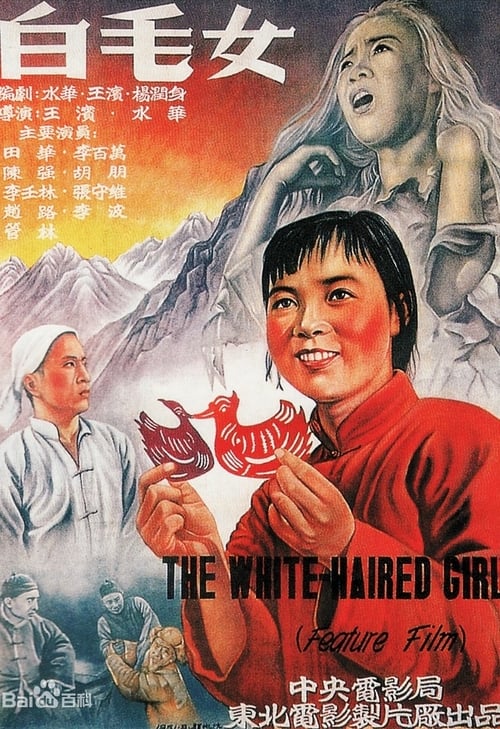
Yang Bailao, a tenant farmer, lives with his daughter Xi'er. The despotic landlord, Huang Shiren, attempts to forcibly take Xi'er for himself. On the eve of the Chinese Spring Festival, Huang forces Yang to sell his daughter as repayment of the debt Yang owes him.
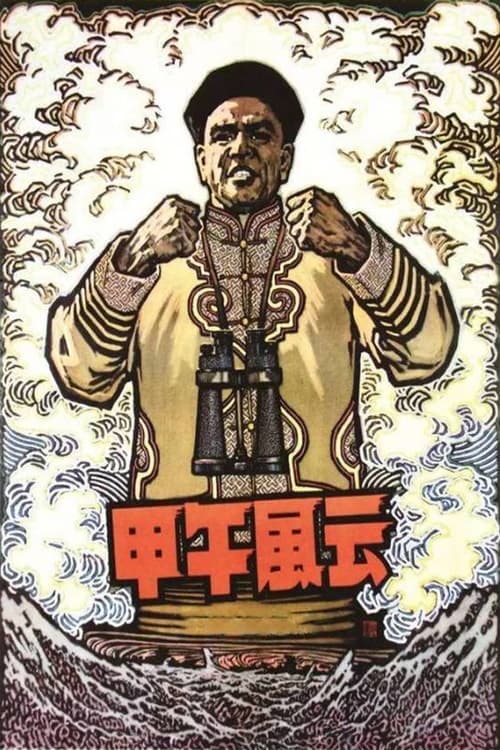
In 1894 the Japanese Imperial Navy provokes the Chinese navy to test defenses. Some Chinese want to make concessions while others want to fight. When Japan invades, some naval officers put up a heroic resistance.
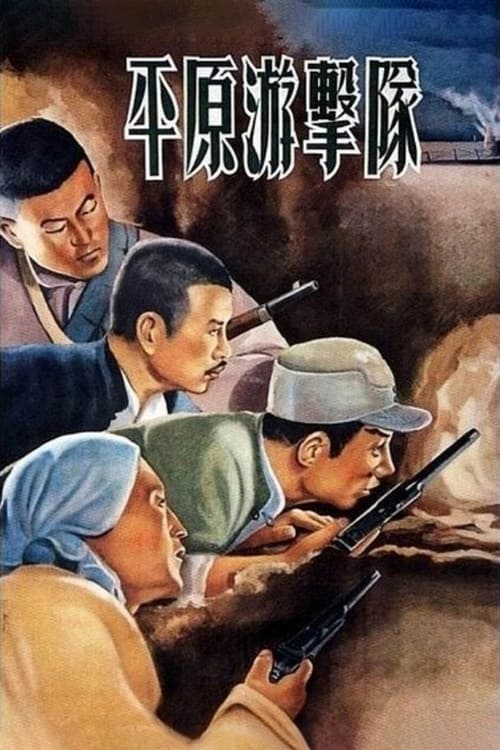
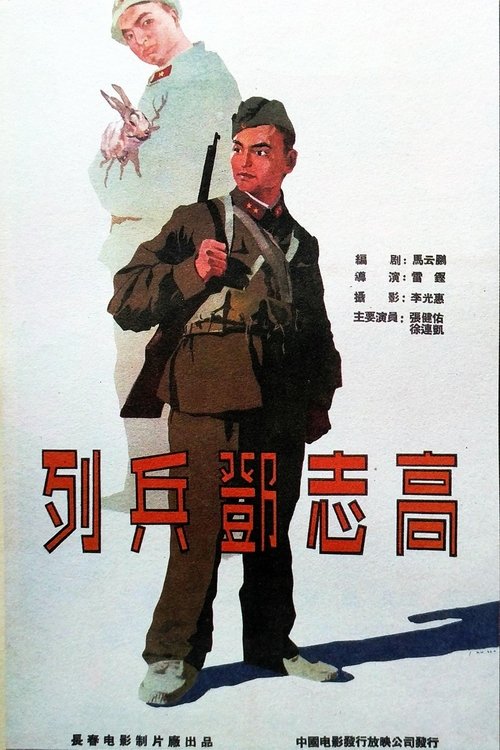
A guerrilla group led by Li Xiangyang are ambushed by the Japanese invasion army during the War of Resistance.
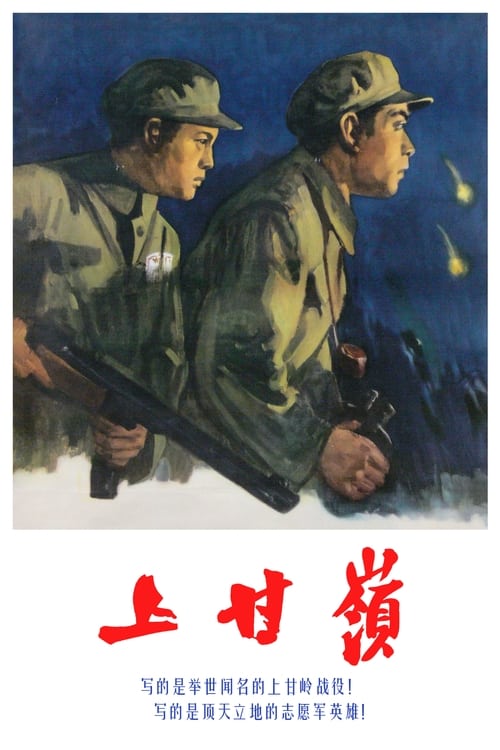
The film follows a group of Chinese People's Volunteer Army soldiers who are holding Triangle Hill for several days against US forces. Short of both food and water, they hold their ground until the relief troops arrive. The movie portray the battle as a Chinese victory over an American invasion, and the People's Volunteer Army soldiers were shown as Chinese war heroes."
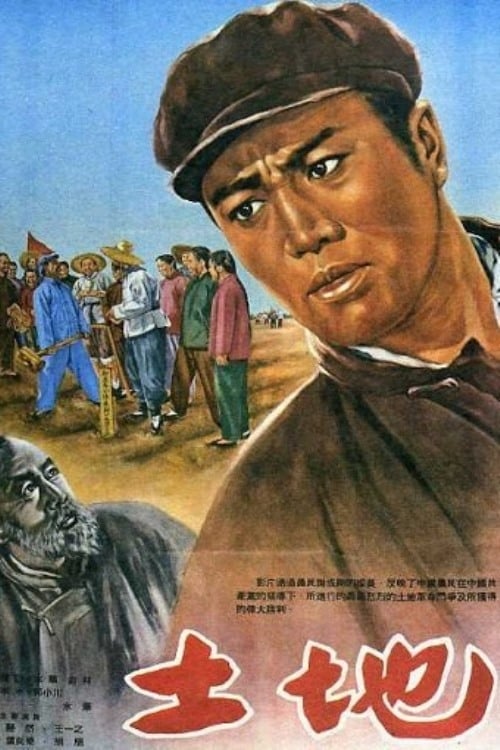
A small Chinese village. For centuries, here, as throughout the country, the working peasantry lived with the dream of owning land. They rose up against the landlords many times, but never achieved victory. And then the dream came true... Dramatic episodes from the life of this village show us how land reform was carried out.
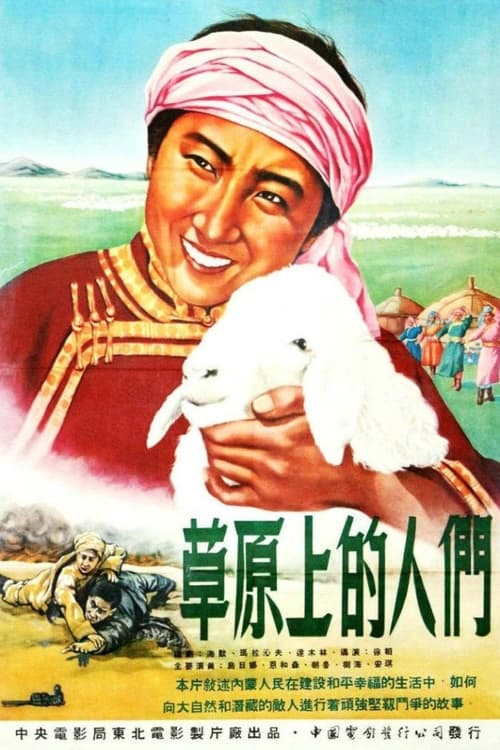
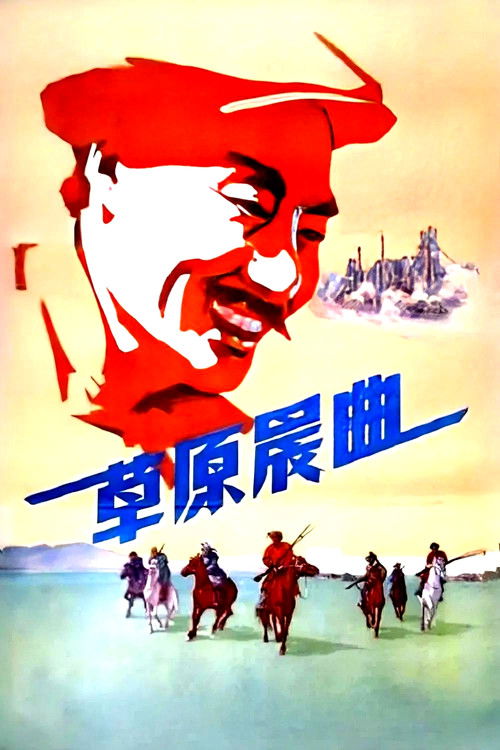
The People on the Grassland is one of the earliest “minority nationality films” produced in the PRC. It features Mongolian herders who serve the people in the struggle against the forces of the KMT. The film was released in China in 1953 and became particularly well-known for its songs and theme-music.
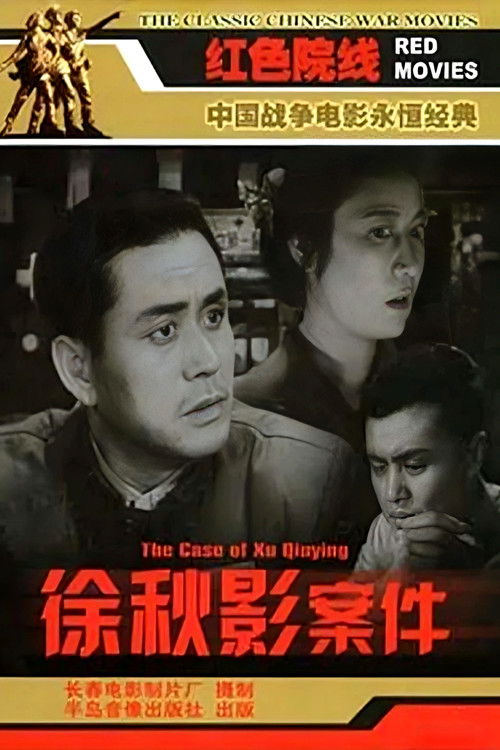
Detectives investigate the death of a clerk, murdered before his wedding
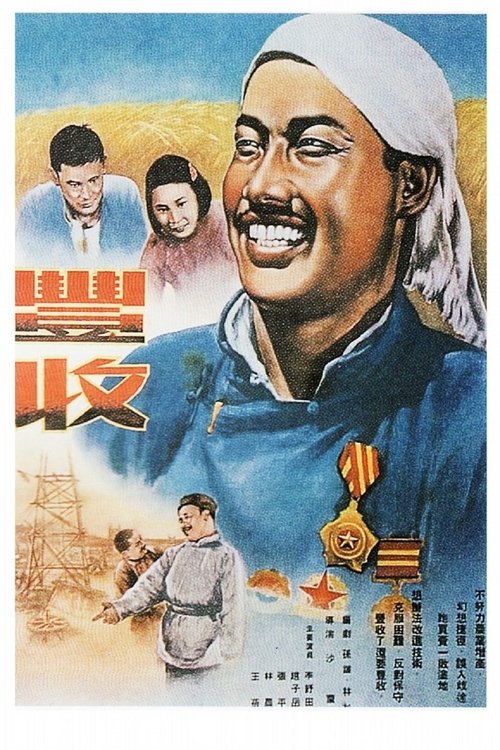
No description available.
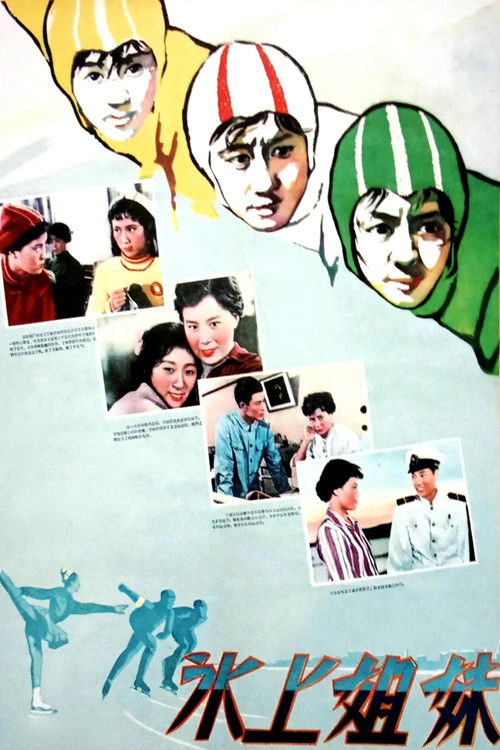
Three young female speed skating athletes help and compete with each other, and all get outstanding achievements.
A restaurant in Suzhou learns how to incite employees to provide best service to customers.
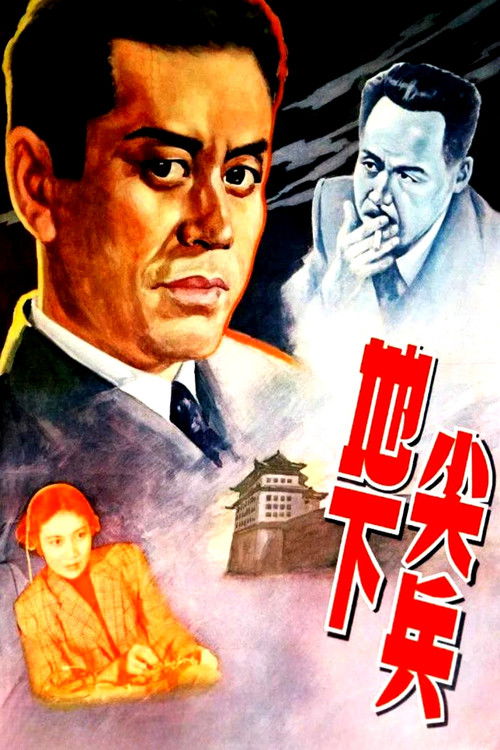
Underground CPC outwit enemies and steal military information in Beiping city.
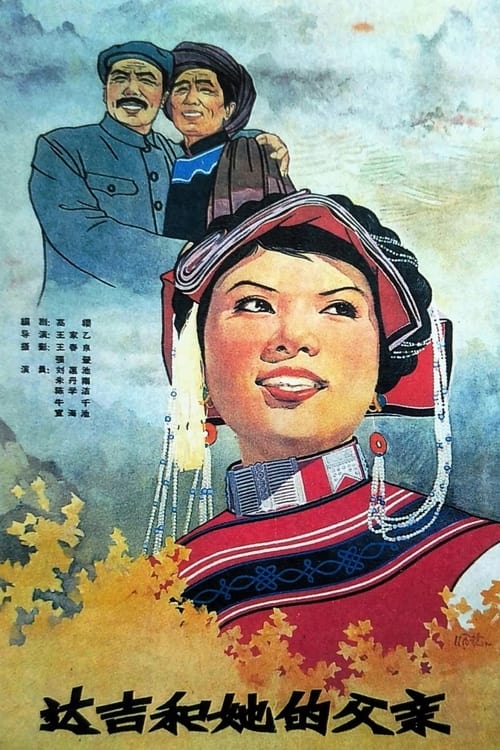
About the new morality in rural China. The film centers on the fate of a little girl named Dazi, who lost her father and only met him again 13 years later.
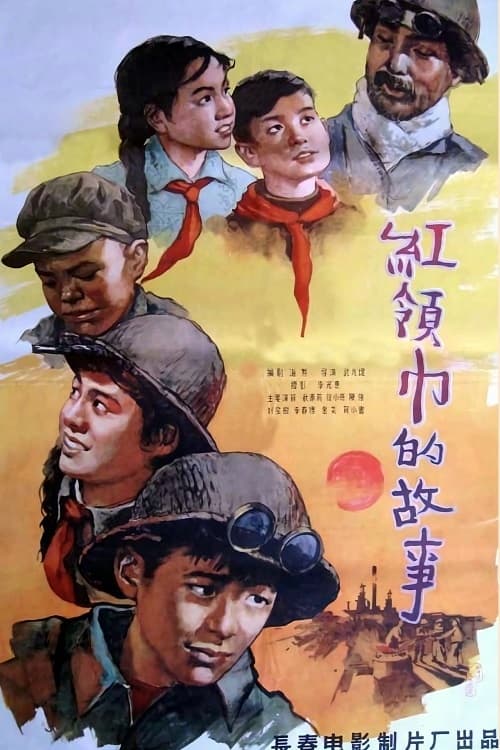
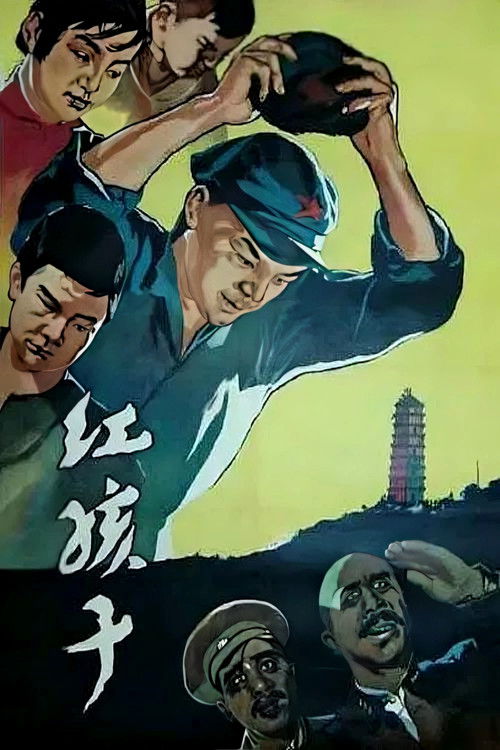
The story of village children in the 1930s who do their part to help overthrow the White forces in semi-feudal China and bring the Reds to power.
After school, Xinhua Primary School was quiet until Principal Lin Zheng heard arguing between fifth-graders Hua Xiaochuan and Fang Mingzhu. Fang was supervising Hua, who was late, as he did chores. Hua’s friend Zhang Chen wanted to help, but Fang refused, causing an argument. Principal Lin believed labour as punishment was ineffective and should be replaced with work-study programs, as instructed by the municipal party committee. He assigned Hong Dawei to lead the program, but Teacher Jiang opposed it, emphasising classroom education. Despite initial resistance, students participated in tire-moving labour, training teachers, parents, and students. Three students took sick leave, fueling Teacher Jiang’s objections. Principal Lin and the academic director found some parents were overly indulgent. Secretary Liu commended their efforts and encouraged them to continue.