Trịnh Công Sơn
Sound
Biography
Trịnh Công Sơn (February 28, 1939 – April 1, 2001) was a famous Vietnamese, musician, songwriter, painter and poet. He is widely considered to be Vietnam's best songwriter. His music explores themes of love, loss, and anti-war sentiments during the Vietnam War. Born in Buôn Ma Thuột, Đắk Lắk Province, as a child he lived in Thừa Thiên–Huế Province. There he attended the Lycée Français and the Providence school. Later in his youth, Trịnh went to Saigon and studied western philosophy at the Lycée Jean-Jacques Rousseau, from which he graduated with a baccalaureate degree. In 1961, he studied psychology and education in a school for teachers in Qui Nhơn, in an attempt to avoid being drafted into the Republic of Vietnam Military Forces. After graduation, he taught at an elementary school in Bảo Lộc, Lâm Đồng. Trịnh Công Sơn wrote over 500 songs during the 1960s and 1970s, He became one of South Vietnam's notable singer-songwriters following his first hit, "Ướt mi" (Tearing Lashes), released in 1958. He was frequently under pressure from the government, which was displeased with the pacifist's sentimental lyrics in such songs as "Ngủ đi con" (Lullaby, about a mother grieving for her soldier son). After 1975, Trịnh was then sent by the new government for "retraining" in a labour camp, after his family had fled to Canada, although there remains dispute over what he did during this period in his life. Trịnh was eventually officially honored for his legacy. His often melancholic songs about love and postwar reconciliation gain new acceptance and popularity in later years. Many of his songs have been re-licensed to Vietnamese music companies such as Thúy Nga and Lang Van, and sung by other artists. Two singers most often associated with Trịnh Công Sơn are Khánh Ly and Hồng Nhung. Khánh Ly helped popularize Trịnh's music in the early years. They often performed together on South Vietnam University campuses. Later on in his life, singer Hồng Nhung re-popularized his music. Beyond war and the fate of humankind, love is the single biggest recurring theme in Trinh's body of works. Most of them are sorrowful, conveying a sense of despondence and solitude, as in "Sương đêm", "Ướt mi". There are songs that are either about loss, as in "Diểm xưa", "Biển nhớ"; or nostalgia, as in "Tình xa", "Tình sầu", "Tình nhớ", "Em còn nhớ hay em đã quên", "Hoa vàng mấy độ". Other songs carry philosophical messages from a man to his lover: "Cỏ xót xa đưa", "Gọi tên bốn mùa", "Mưa hồng". Trịnh's melody is sly, simple and suitable for rendition in Slow, Blues or Boston. His lyrics are overwhelmingly poetic, candid and yet deeply poignant, oftentimes hinting at elements of symbolism and surrealism. Trịnh Công Sơn died in Ho Chi Minh City of diabetes on April 1, 2001. Thousands of people attended the funeral. He was buried at Quang Binh Pagoda Cemetery (Binh Chieu Ward, Thu Duc City). Since then, fans have treated this day as an annual memorial day. In 2001, Hoa Binh Theater and Phuong Nam Film Studio performed a music festival to commemorate the 100th-day anniversary of his death, titled "Like a Farewell" (named after one of his songs, "Như một lời chia tay"). After that, there were live shows in his memory such as "Mythical Night" (Đêm thần thoại, 2005) and "Lullaby of Falling Tears" (Rơi lệ ru người, 2007).
Known For

In Dong Thap Muoi during the days of the Vietnam War, Ba Do, Sau Xoa and their little child live in a small shack in the middle of an abandoned wetland zone. They are entrusted with the mission of maintaining Viet Minh's lines of communication in the area. Daily life goes on as the small family looks out for death from above.
Wild Field

Binh is a South Vietnamese soldier whose wife Nga turns to a life of prostitution after Binh is classified as missing. When Binh does return, he finds it impossible to forgive the repentant Nga. The couple's doomed future continues, as Binh joins the Vietnamese Special Forces and a friend struggles to reunite the two.
Karma

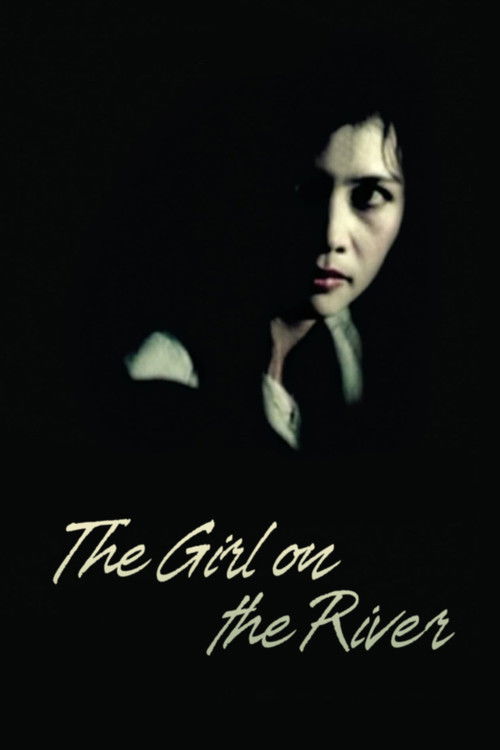
A reporter interviews a former prostitute from South Vietnam about her sheltering of an injured Vietcong leader during the war.
The Girl on the River

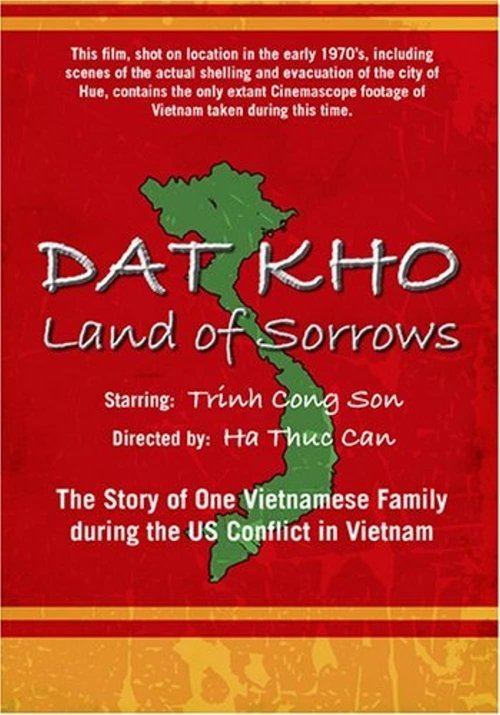
This foreign, English-subtitled film dramatizes the effect of the Vietnam War on a single South Vietnamese family, the inner conflict of decisions by each member of the family whether to remain in Vietnam or leave with the imminent advance and fall of Hue and eventual fall of Vietnam. Dat Kho, who's cast includes the beloved Vietnamese inconic anti-war songwriter/poet/artist Trinh Cong Son (1939-2001) who posthumously won the World Peace Music Award in 2004, is a story of the love of family, love of homeland, love of the culture and language of Vietnam and the ethereal love of the ingenue daughter for her fiance, foiled by the antagonistic forces of the ever-present war. A thought-provoking film.
Land of Sorrows

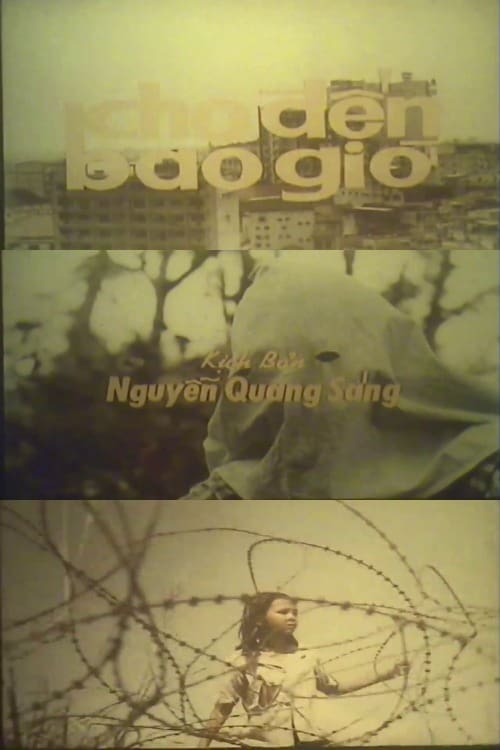
One of the three collaborated movies by Trinh Cong Son (songwriter), Hong Sen (director), and Nguyen Quang Sang (novelist). The other two are "Mùa Gió Chướng" and "Cánh Đồng Hoang".
Flooding Season

The bombing of several regions in Vietnam, Laos, and Cambodia during the Vietnam War (1955 to 1975) by the United States Armed Forces—what is considered the largest aerial bombardment in human history—left hundreds of thousands of unexploded ordnances hidden underground, that still pose a tremendous threat to local inhabitants today. In this film, Tuan Andrew Nguyen juxtaposes archival footage from the US army with recently recorded images of an unexploded ordnance (UXO) deactivation in the Vietnamese coastal province of Quảng Trị. The province is one of the main UXO hotspots in the Mekong region, with 8,540 casualties and 3,431 deaths recorded since the end of the Vietnam War. More widely, it is estimated that UXO explosions have caused 40,000 deaths in Vietnam; 29,000 in Laos, of which 40% are believed to be children; and more than 64,000 in Cambodia since the end of the war.
The Sounds of Cannons Familiar Like Sad Refrains

No description available.
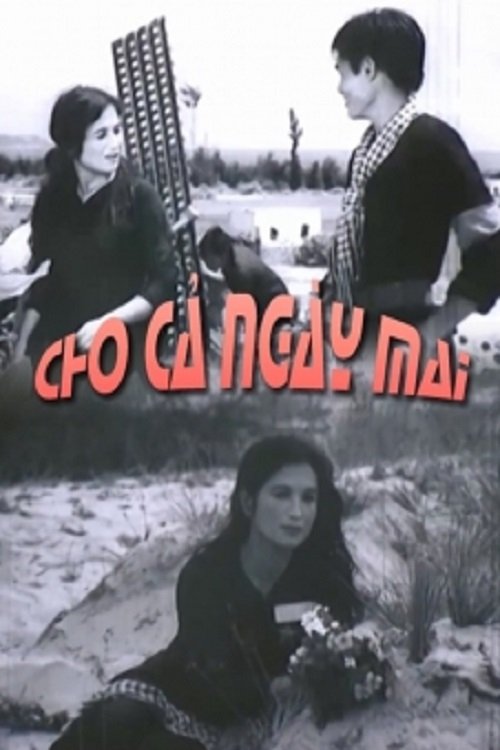
For Tomorrow

Kiều Trinh, a French-Vietnamese journalist, returns to Vietnam with her husband and daughter to visit his relatives in a seaside town. Here, she meets her husband's uncle, an idiosyncratic neurosurgeon. As the days go by, Kiều Trinh discovers the new mysterious in-law is fascinated with her, and has ulterior plans for her family.
Swept Away

At the close of the Sino-Vietnamese border war, a journalist travels to Lạng Sơn in northern Vietnam—the hometown of his former girlfriend—to report on the situation there.
The Town Within Reach

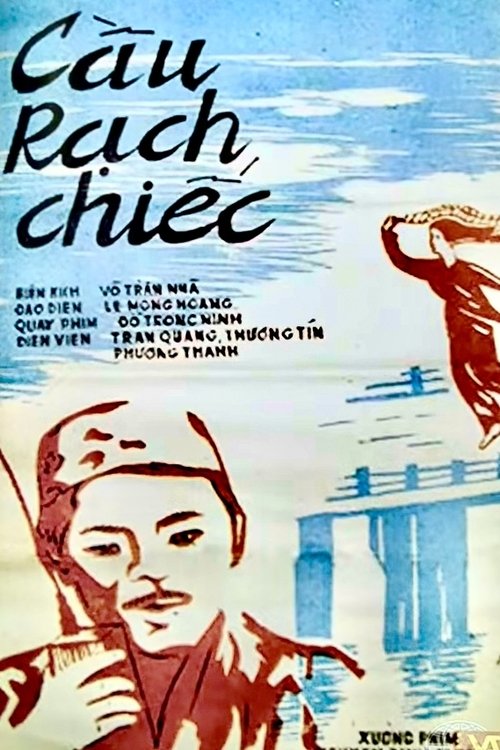
A Retelling of the Battle of Rạch Chiếc in April 1945
Rạch Chiếc Bridge

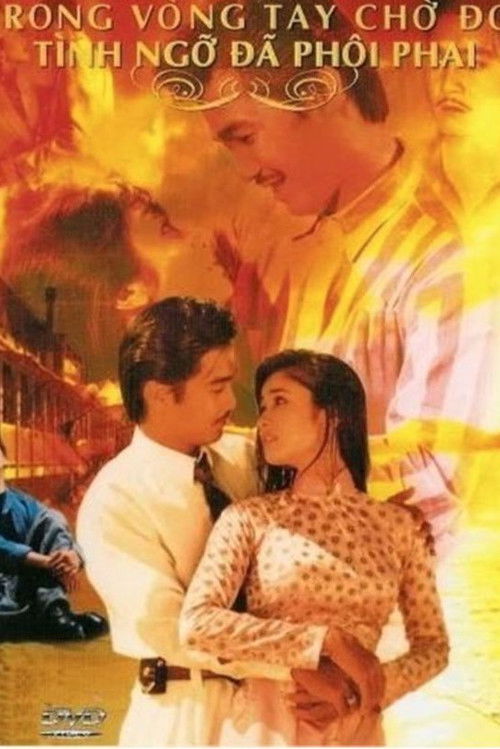
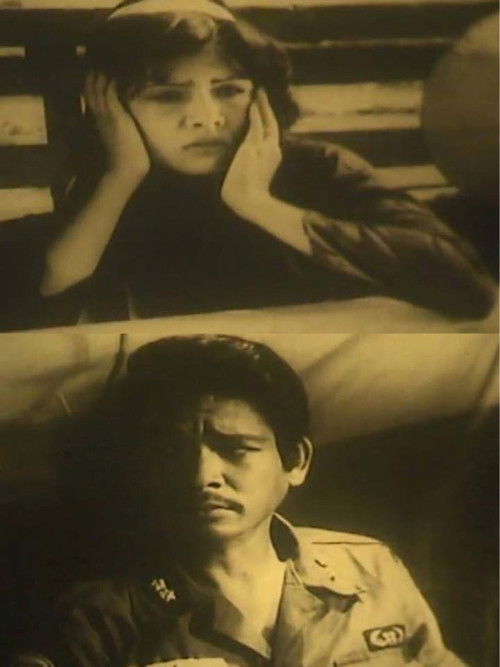
At the behest of her ailing father, a woman reluctantly tries to forget the lover she has been awaiting for years.
It Seems Our Love Has Faded

A poetic glimpse of life in Vietnam War
Until When?

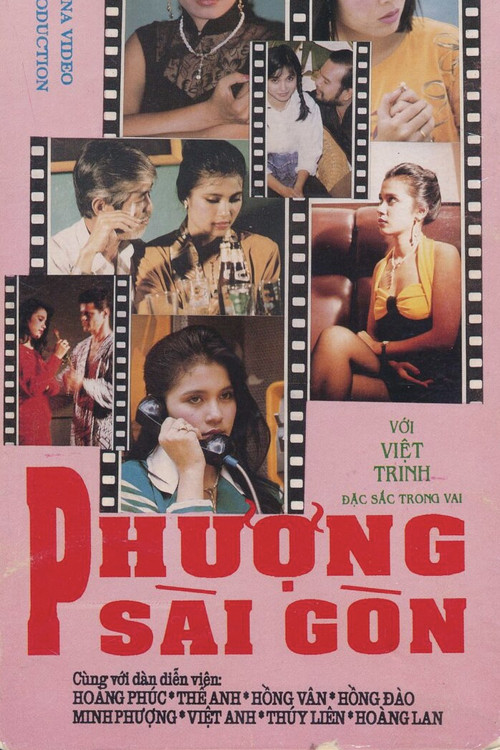
Pushed into prostitution by her nefarious aunt, Phượng must navigate the politics of Saigon high-end brothels as its most sought-after call girl while fighting to remain with the love of her life.
Phượng of Saigon

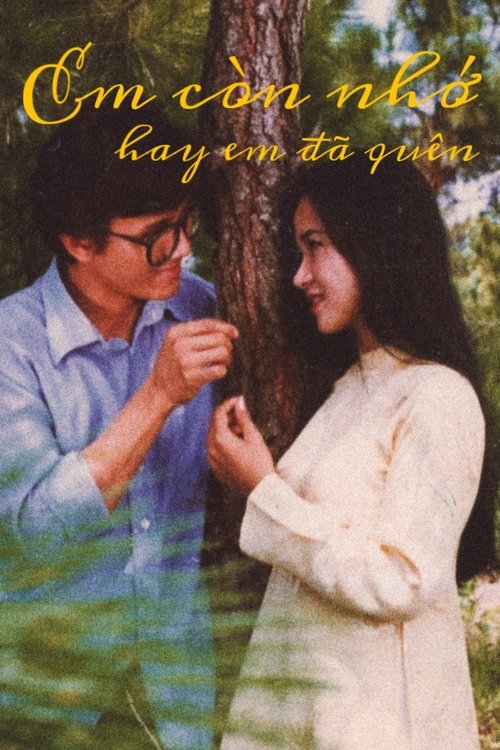
A South Vietnamese soldier deserts the army and comes back to find his girlfriend, only to find out she has moved to Saigon. Dejected, he leaves to seek hiding in Da Lat, where he befriends an amateur singer with a special voice.
Do You Still Remember, or Have You Forgotten ?

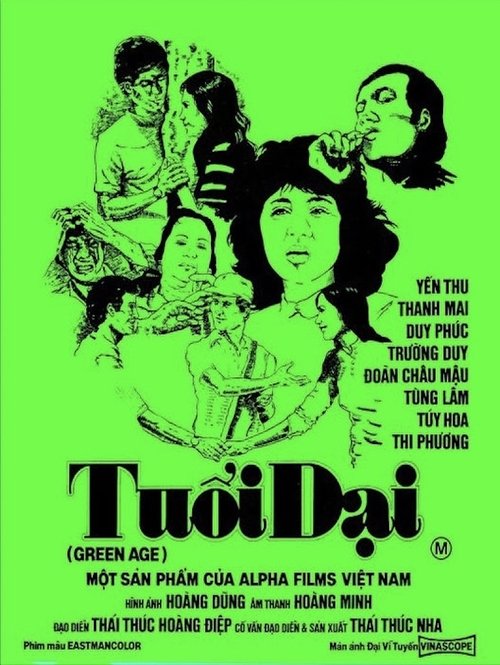
The main storyline revolves around the love triangle Dzung - Linh - Ngoc, accompanied by friendship relationships among Saigon youth in the last years of the war.
Green Age

A law student and a navy officer fosters a beautiful love, but soon get separated by war.
Love Storm

No description available.
Sound of the Waves

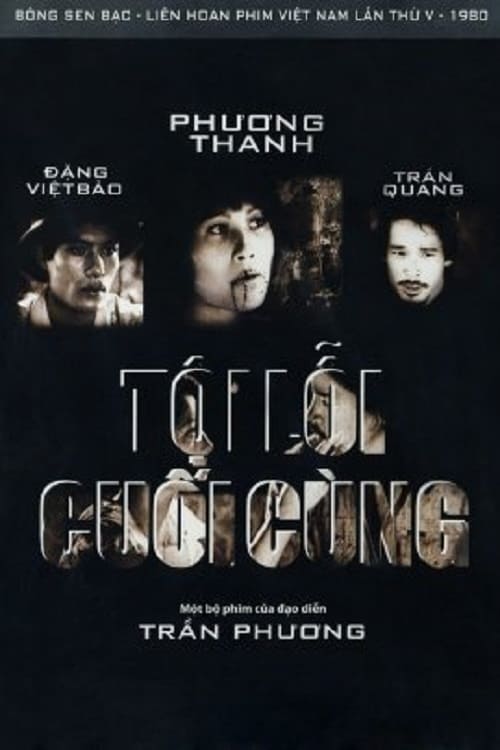
An ex-gangster is determined to make a fresh start after getting out of prison, but soon finds herself too entrenched in a circle of violence to leave behind her ruthless past.