Karel Šašek
Acting
Known For

The generally respected director of a small-town savings bank, Hlavsa, commits embezzlement because of his wasteful and spoiled wife, and when the situation cannot be saved, he shoots himself. His mother, a simple village woman, takes in her widowed daughter-in-law and teenage grandson on the condition that they both help her to compensate for all the damage. For the city lady, the hard village work is suffering. The same goes for young Bořík, a gifted pianist who finds it difficult to give up his dreams of an artistic career...
Barbora Hlavsová
The Czech revival movement is divided at the end of the first half of the 19th century. While the older generation, such as František Palacký, urges restraint, students lean towards radical positions. A report on the revolutionary events in Paris prompts Czech Prague residents to write down the demands of the Czech nation for self-determination and the proclamation of a constitution. Tensions peak during the All-Slavic Congress in Prague's Žofín. Vienna rejects the Czech demands and the congress is brutally dispersed by the Austrian police. Prague begins to build barricades...
Year of the Revolution 1848
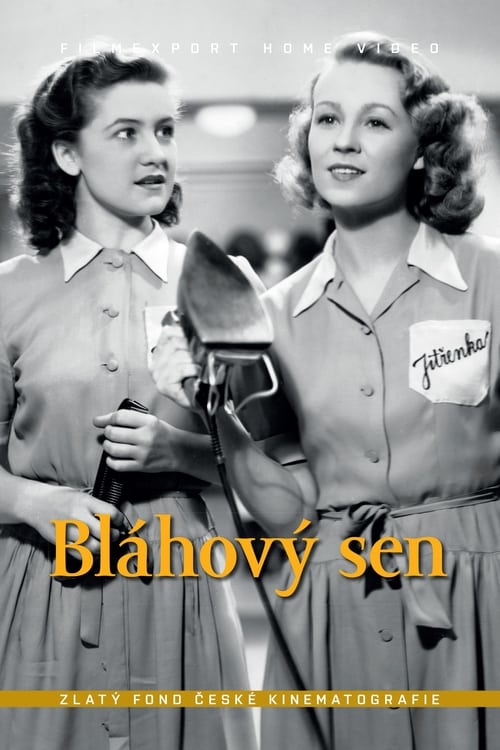
Hairdresser Žofka Stárková desires fame perhaps more than other girls. The petty plans of her fiancé František do not satisfy her wild imagination. Žofka suddenly gains popularity when, while on her way to get an autograph, she discovers the dead body of the famous tenor Helbich and is arrested on suspicion of murder. Helbich actually committed suicide because he lost his voice. After being released from prison, Žofka receives an offer for the lead role in a forthcoming film. The dubious fame confuses her. She leaves her parents' modest apartment and quits her hairdressing business. Unfortunately, it soon becomes clear that she has no talent for acting, and the desperate director has the film edited in such a way that Žofka practically disappears from it...
Bláhový sen
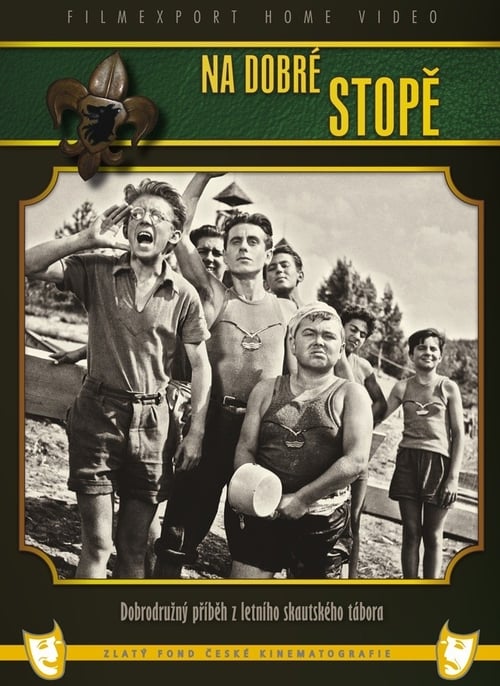
An adventure story for young people set in a summer camp for boaters in Juná. Eda, marked by a tragic experience of occupation, has difficulty getting along with the other boys. He only gains their trust and friendship when he helps to uncover German saboteurs.
Na dobré stopě
No description available.
Prosím, pane profesore!
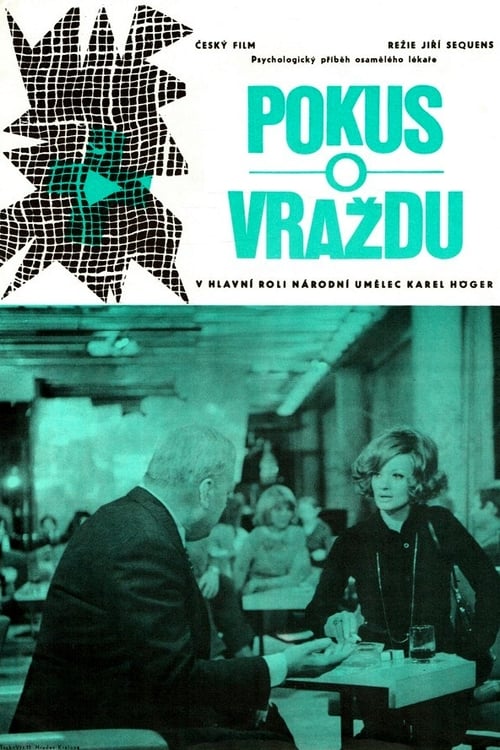
The main character of the story is Professor Trojan, the head of a Prague clinic, who is not experiencing the happiest of times. His cat has been poisoned with cyanide, he has a falling out with his son Petr, who has moved to Brno to be with his wife, the promising singer Eva, and only seeks out his father when he needs money, and as if that weren't enough, someone shoots him in the evening. Trojan initially considers it a mistake or a prank and does not share the fears of those around him. But then cyanide is discovered and one of the patients takes it from the assistant Dvoracek, who borrowed it for an unauthorized experiment. Trojan pairs the cyanide with a gunshot and slowly begins to suspect that someone is trying to kill him. At first he suspects Dvorak, who might become the foreman after his death, but later, as he falls deeper and deeper into a psychosis of fear and apprehension, he begins to suspect everyone around him...
Pokus o vraždu
An ambitious and selfish lawyer confesses to the murder of his first wife. Some of the scenes were filmed in the last weeks of the war.
The Avalanche
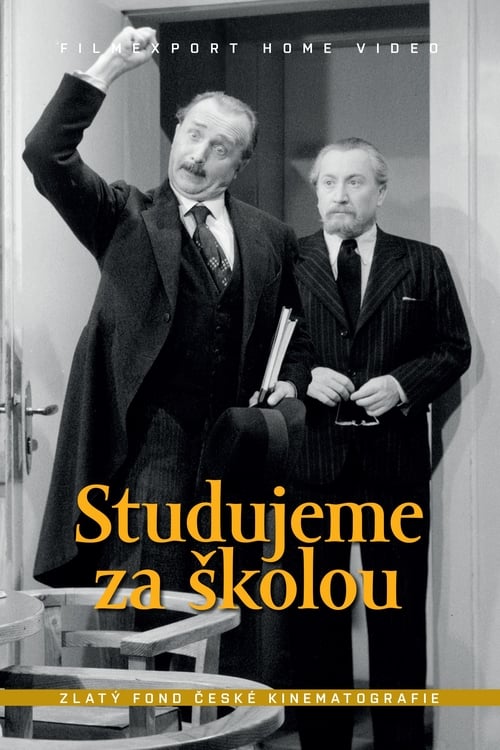
The heroes of the Czech film comedy are the students of the Business Academy, who sleep in the school desks under the avalanche of a large amount of study material, without which they say they will not be able to do without in their future profession. One of the least popular teachers is the strict and unyielding Professor Wolf, proud of his textbook. Nevertheless, student life is relatively calm, but only until the holidays come and the students go directly to the field for their holiday practice. The film follows how unhappy the first encounter with business reality turned out for three of them, for Karel Zeman, Ivan Javorský and Vašek Pelíšek...
We Study After School
A teacher is handing out examination results to his students in an industrial school and he points out to them that work is the most important thing in a person's life. Karel is pleased with his results but Vláďa's are bad. During the holidays Karel goes off to a factory to get work experience. Vláďa prefers to laze about and read poetry. In the end, however, he decides to follow Karel's example. At first the work doesn't agree with him, but after a few days, he gets used to it and finally he is glad to be able to work in the factory. One day he is injured at work and in hospital he has time to think about his future. He tells Karel, who visits him in hospital, that he has decided not to carry on with studies which don't interest him. He feels he will be more useful if he stays on at the factory.
Boys in Blue
No description available.
Tři sestry
No description available.