Cao Duo
Acting
Known For
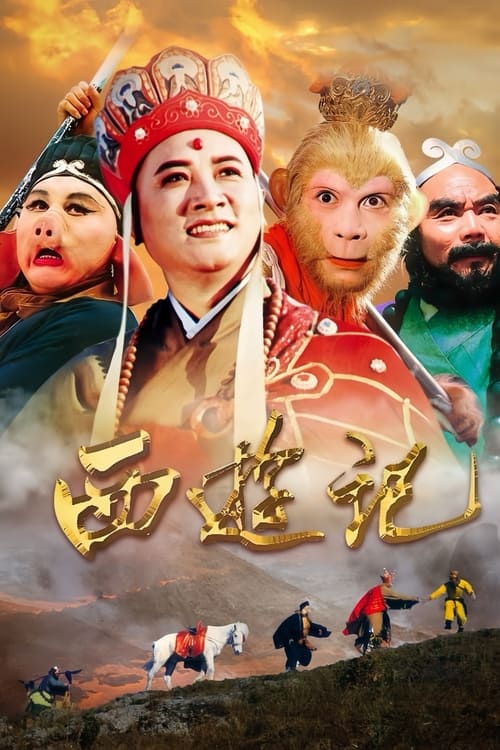
Journey to the West is a Chinese television series adapted from the classical novel of the same title. The series was first broadcast on CCTV in China on 1 October 1986. The series became an instant classic in China and is still being praised as the best and most authentic interpretation of the novel. Unadapted portions of the original story were later covered in the second season, which was released in 1999.
Journey to the West
No description available.
Strange Tales from a Chinese Studio
No description available.
The Legend Of The Treasure Basin
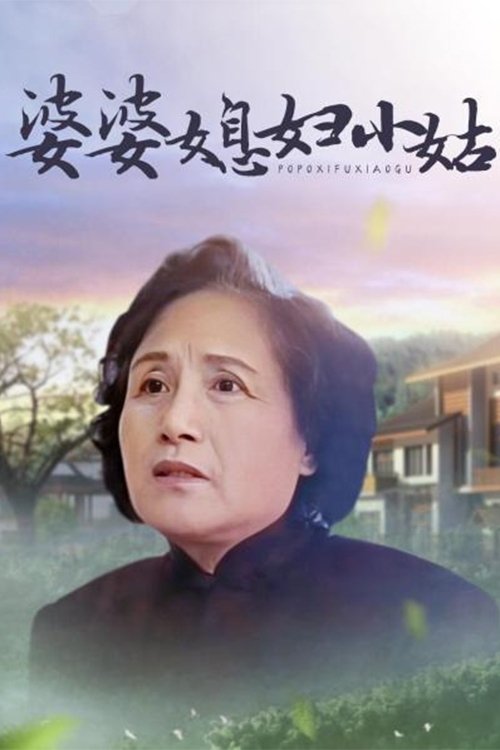
No description available.
婆婆媳妇小姑
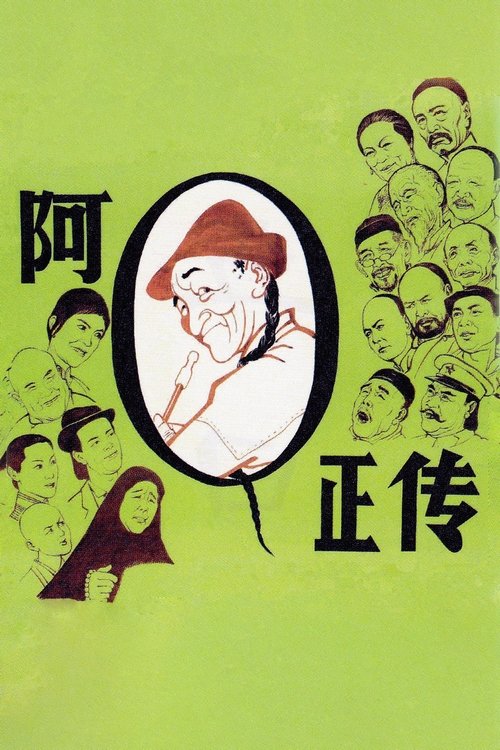
Based on the 1921 novella of the same name by one of China's most well-known modern writers, Lu Xun (Lu Hsun), the True Story of Ah Q is set during the 1911 revolution. Ah Q is a lowly peasant who wants to rise above his class, or at least get out of his grinding poverty. At first he thinks the way to do it is by marrying into a better station in life; later, he joins the revolution as he feels that is the only way he and others like him can transcend poverty. In this film version of Lu Xun's story, the character of Ah Q might benefit from a more rounded humanity to make him appealing to those not familiar with the harsh environment in China before the 1911 revolution.
The True Story of Ah Q
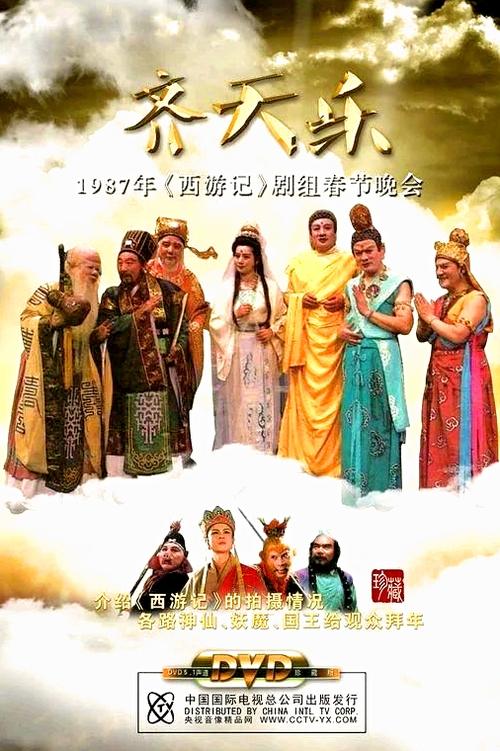
No description available.
西游记齐天乐春节晚会
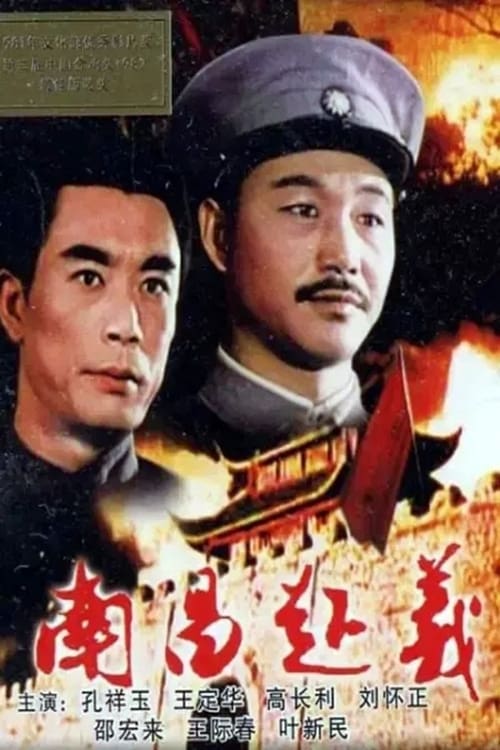
No description available.
Nanchang Uprising
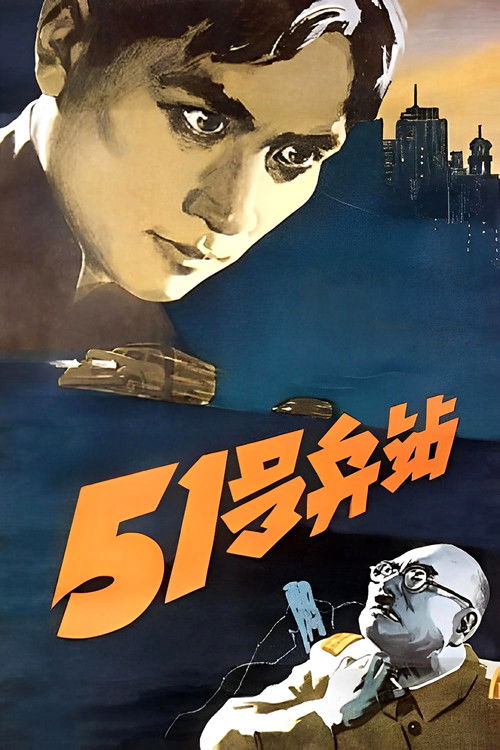
No description available.
51 Depot
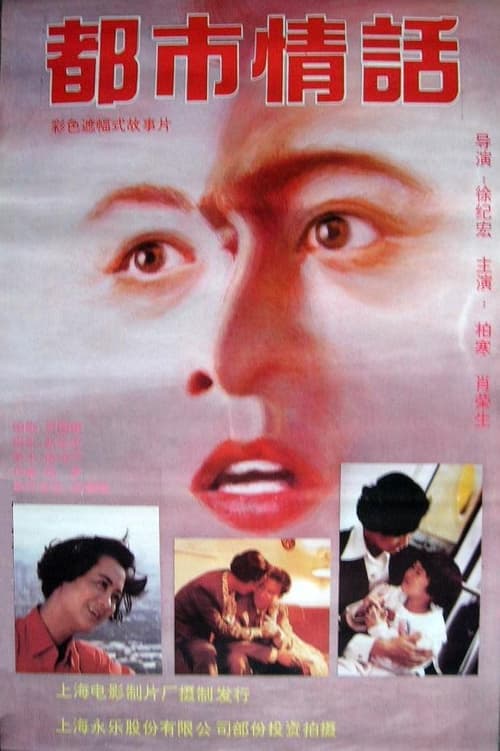
The vigorous director of the Oriental Silk Factory is invited by her former husband to resign and take a position in Japan.
Romance in Metropolitan Shanghai
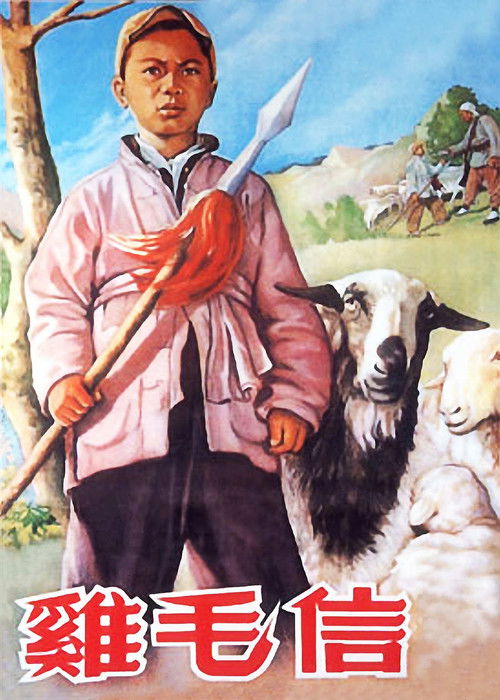
Twelve-year-old Hai Wa sends a secret letter containing Japanese military information to the Eight Route Army during the anti-Japanese war.
The Letter with Feathers
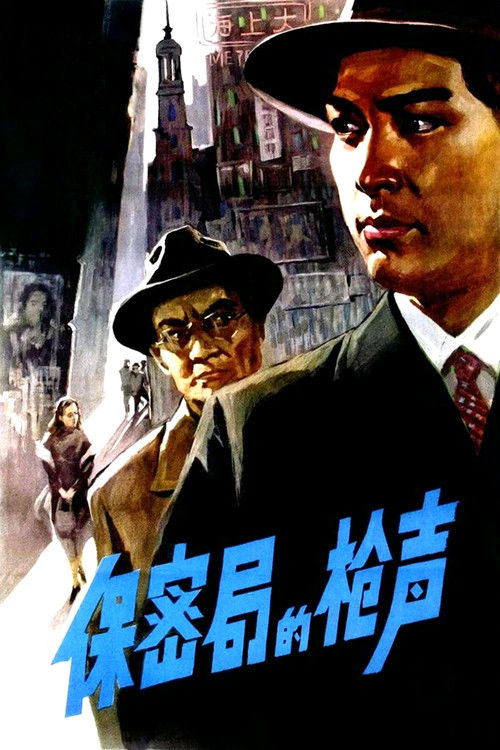
An agent infiltrating the Nationalist Party in wartime Shanghai finds himself under threat.
The Gunshots of Secrecy Bureau
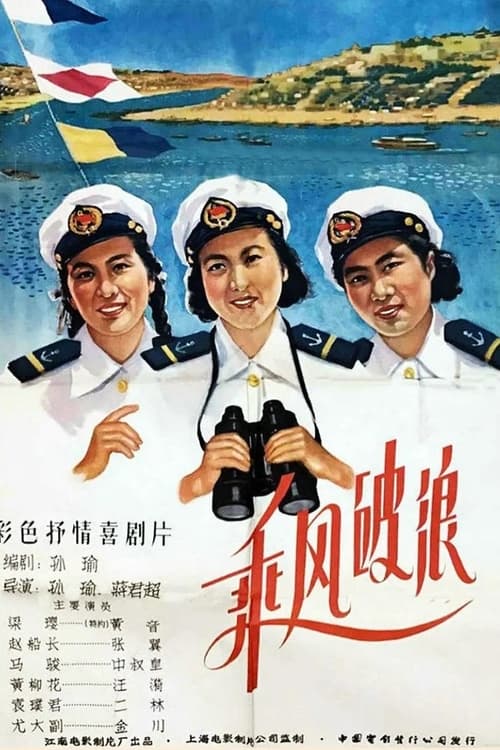
After graduating from maritime college, a group of girls arrive to undergo practical training on a ship and, as future navigators, are greeted in different ways.
Ride the Wind and Break the Waves
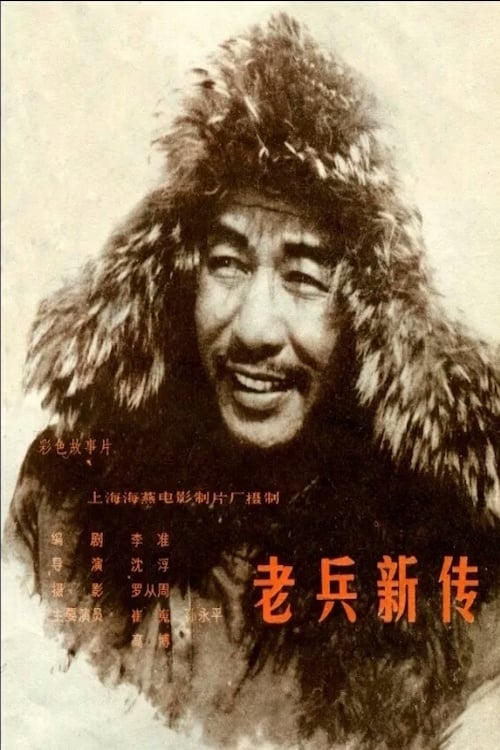
A soldier finds his new role in the transition from war time to the construction era.
New Story of an Old Soldier
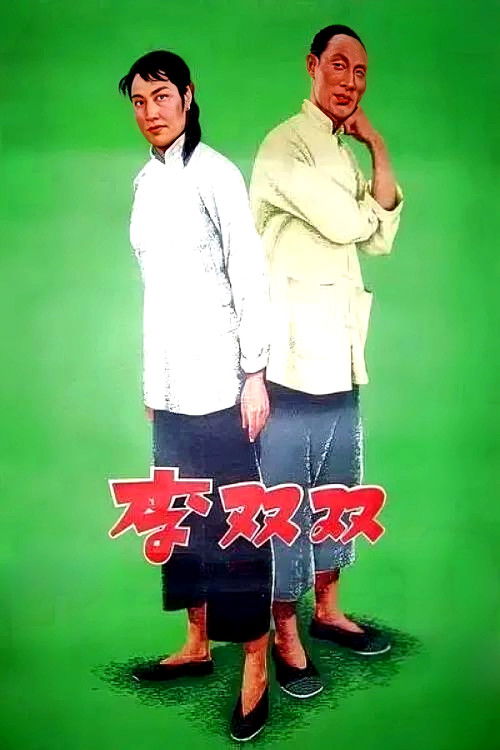
In this delightful comedy, a cheerful farmer's wife (post-Revolution superstar Zhang Ruifang) in a village commune puts her marriage in jeopardy when she takes her cadre spirit a little too far.
Li Shuangshuang
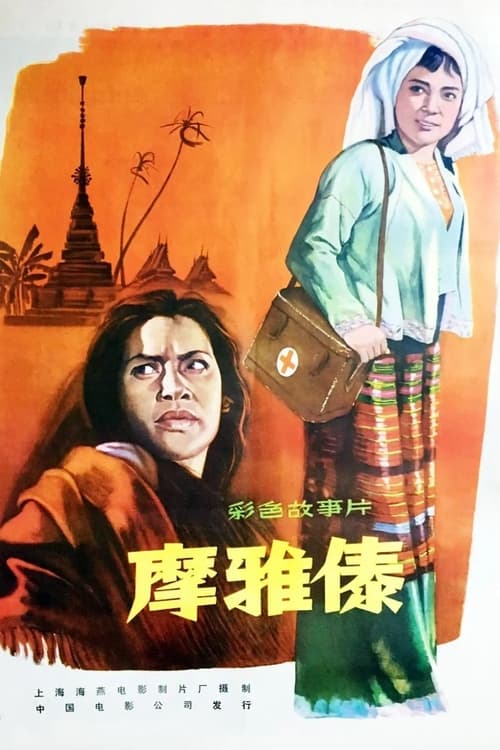
In the center of the story is the story of a young girl from the Dai nation, who, despite gossip and accusations of witchcraft, becomes a successful doctor and finds happiness in her personal life.
The Witch Who Becomes a Doctor

In the late 1950s, during China’s Great Leap Forward, Shanghai housewives participated, supported by Dai Mama from the neighbourhood committee. Liu Mama opposed her daughter-in-law Wang Caifeng’s involvement, wanting her to stay home, but her son Liu Genfa supported Caifeng. Zheng Baoqing also opposed his wife Cai Guizhen joining the production group, but Cai ignored him, organised her household, and led the sewing group. Dai Mama helped persuade Zheng Baoqing to change his mind. Lu Afeng joined the sewing group out of fear they would borrow her machine but felt ashamed when they made coats for the children’s welfare home.
Spring is Splendid Color
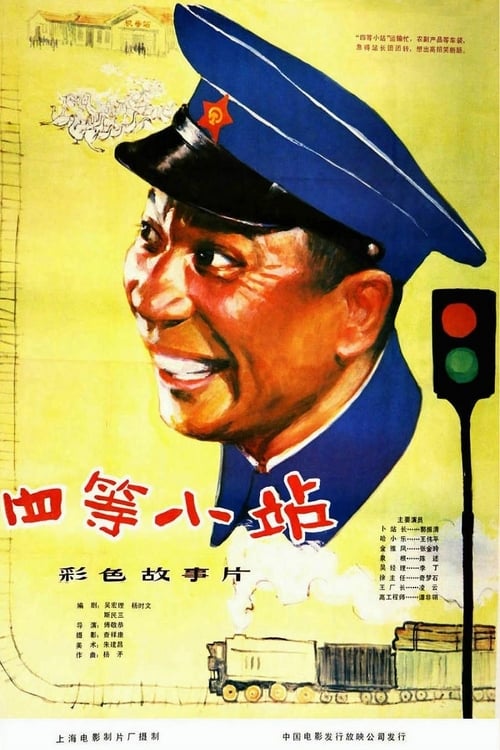
No description available.
The Grade-Fourth Railway Station
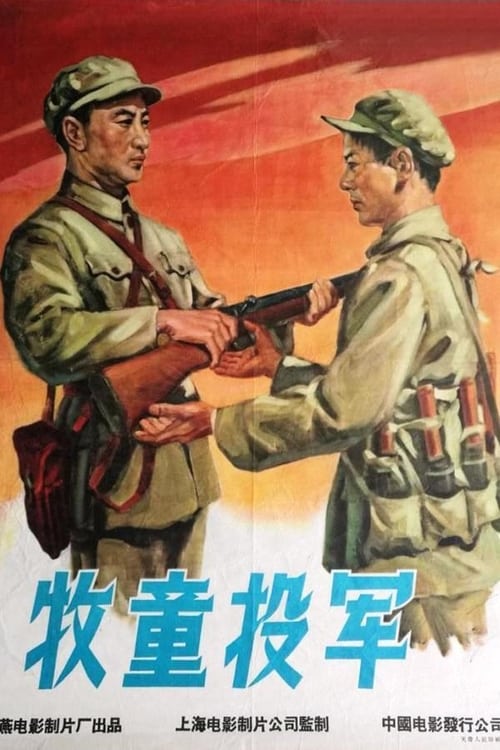
The story of fifteen-year-old shepherd Gu Xiao, who ran away from his landlord to the mountains. There he met scouts from the People's Liberation Army and helped them find the right path. The shepherd then took part in an important combat operation. For his courage and resourcefulness, Gu Xiao was enlisted into the ranks of the soldiers at the request of the company.
Cowboy Joining the Army
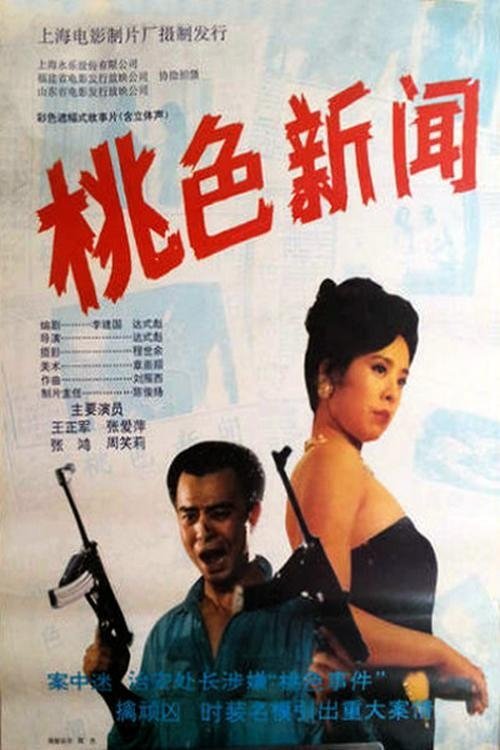
No description available.
桃色新闻
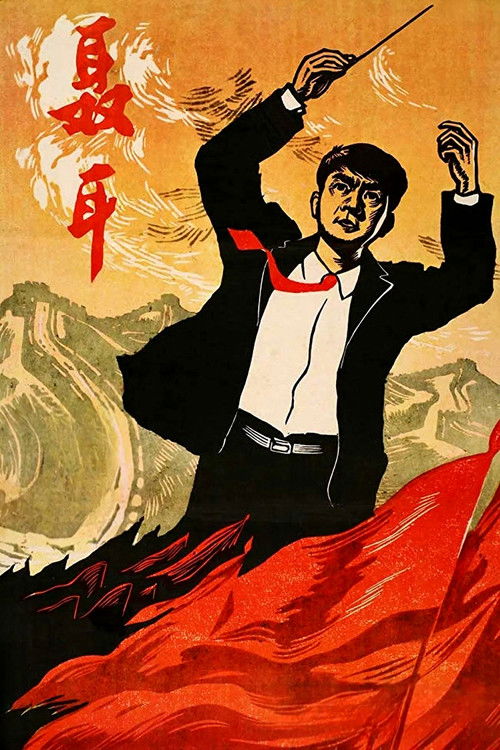
Shot in gorgeous color, this fascinating communist flipside to fifties Hollywood music biopics chronicles the life and tragic early death of Nie Er, the composer of the PRC’s national anthem.