Directing
No description available.
From 1945 to 1989, after the capitulation of Nazi Germany, two rival ideologies, communism and capitalism, faced each other in a merciless battle. On one side of the Iron Curtain and on the other, throughout the Cold War, the USSR and the United States sought to shape children’s imaginations through their magazines and films. Never in the history of mankind have so many comic books been published and so many cartoons produced for young people. In November 1989, communism collapsed with the Berlin Wall; capitalism was left to decide the future of the world. What if this victory had been prepared for a long time, and our thinking conditioned, from our early childhood, to ensure this absolute triumph?
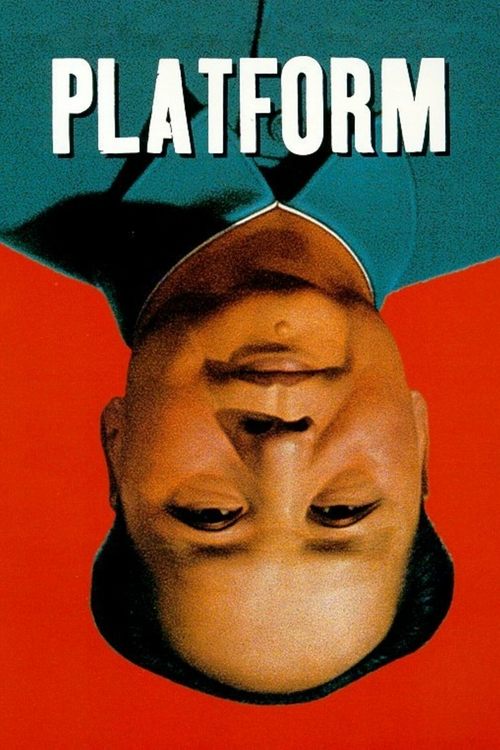
Two young men went on a ride with their old friend in his truck across the whole Mauritius, the sole purpose of it being finding and getting two girls to entertain them that very night back home.
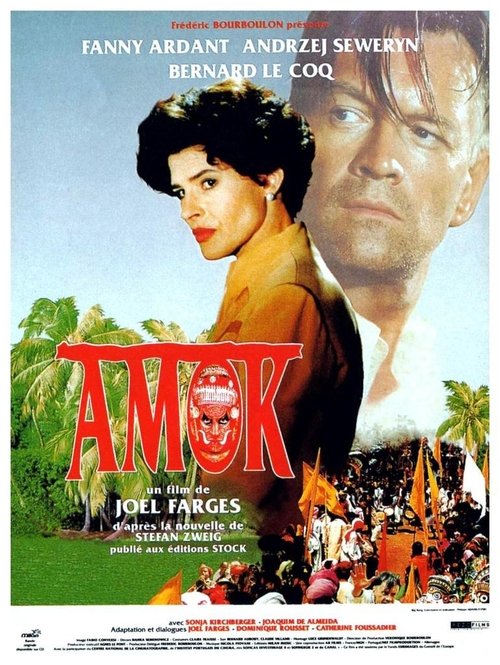
Whenever people are released from their society's constraints, there is the possibility that they will behave badly, at least according to the rules of the society they have left behind. This seems to have been particularly the case for Europeans living in colonial establishments in Africa and Asia. In this drama, based on a story by Stefan Zweig, Dr. Steiner (Andrzej Seweryn) was caught with his fingers in the till at a German hospital. Rather than prosecute him, they gave him the option of emigrating elsewhere. He chose to serve at a clinic in a remote part of Portuguese Goa. He has been on his best behavior for years, but when the beautiful wife (Fanny Ardant) of a diplomat comes to him asking for an abortion, he is tempted to ask for sexual favors in return, and his life swiftly goes out of control.
China’s rapid changes from the late 1970s to the early 1990s, as seen through the lives of four performers in a theater troupe.
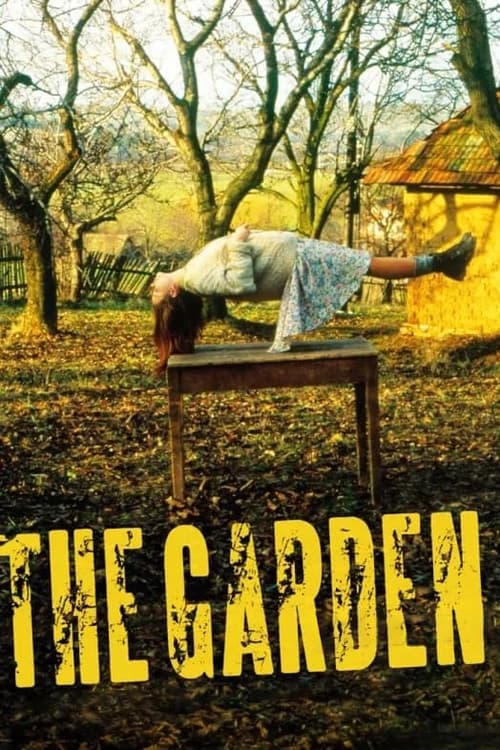
Jakub's life arrived at a dead-end. He leaves his job, and gets into conflict with his father. The trouble just grows by his relation with a married woman. Breaking out, Jakub realizes the pleasures of the countryside in the old garden of his grandfather. He finds true love with an angel, and encounters various exciting moments of his new free life. Strange visitors arrive, and he wont get back to town anymore.
Marat works as a personal driver in Almaty, capital of Kazakhstan. When he hits a Mercedes, the nightmare begins. The loan he accepts to pay for the damages puts him at the mercy of a Mafia boss.
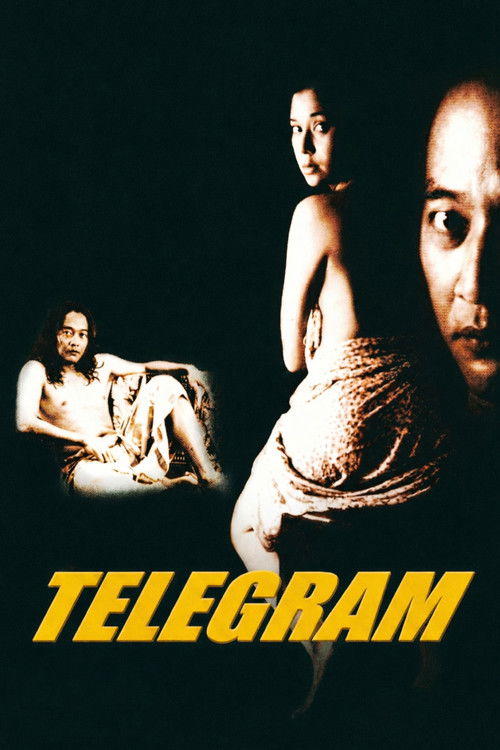
In Jakarta, a young journalist struggling to escape from the confines of familiar obligations, receives a telegram informing him that his mother is dying.
A filmmaker, Kobessov, awakens from an anxiety nightmare: during the preview of his newest film, the projectionist mixes up the reels and begins to show a bad karate film by accident. Although Kobessov objects to the mix-up, the public is ecstatic and refuses to allow the projectionist to interrupt the screening to show Kobessov's film.
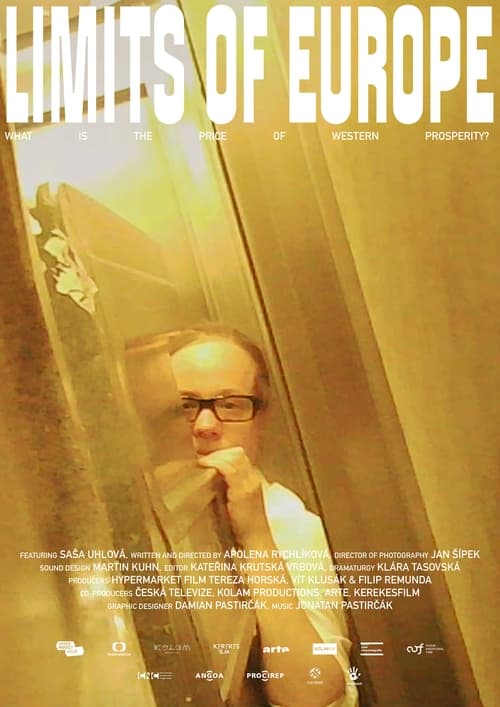
A prominent Czech journalist Saša Uhlová leaves her family and joins “cheap labour force” in Western Europe. Undercover, she works at an asparagus farm in Germany, tries her hand as a maid at a hotel in Ireland and takes care of the elderly in France. She experiences first-hand the struggles of Eastern European low-wage workers whose sacrifice and hard work allow for the Western society’s comfort. What is the real price that Europe pays for exploiting its own citizens? How do the lives of economic migrants, who have been forced to leave their children and elderly parents, look like? And why are privileged Europeans looking the other way?
In 1889, mounted on a small gray horse named Serko, Dimitri leaves his garrison on the Asian borders of the Russian Empire on the banks of the Amur River. After extraordinary adventures, they both arrive in St. Petersburg, at the court of the Tsar. Having covered more than 9000 kilometers in less than 200 days, this young rider has achieved the most fantastic equestrian feat of all time.
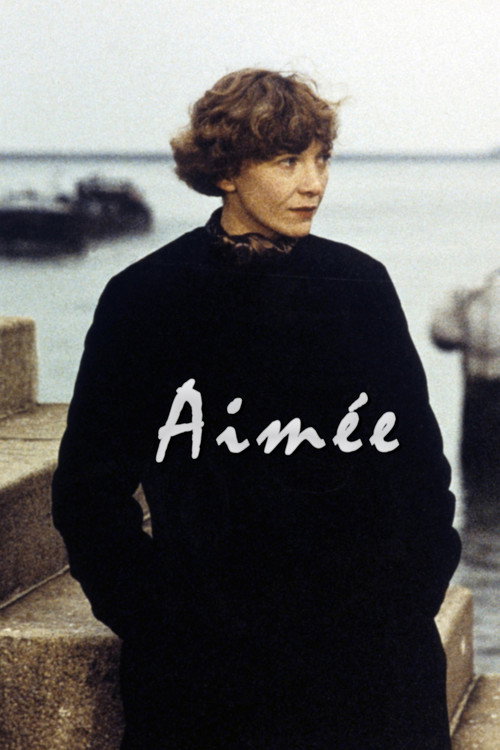
A young woman, fleeing the bloody 1934 events in Shanghai, is sheltered in France by two friends of her late father, the psychiatrist Freyer and cardiologist Ménard. While the first turns her into a subject of study, the second feels compassion for her
A pioneer of cinema and inventor of the first moving images, Émile Reynaud achieved dazzling success before the advent of the cinematograph, but was sadly forgotten thereafter. Yet his pantomimes still fill us with wonder today.
A four-story omnibus depicting different Czech slices-of-life from the titular city.
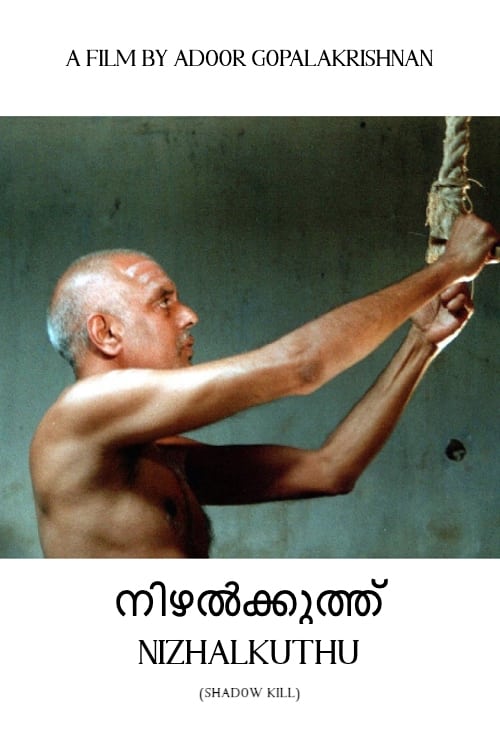
A hangman questions the moral implications of his job after learning that he executed an innocent man.
Julien and Emma are brother and sister, living in rural France with their father, who writes children's books. Julien is a gifted pianist but the loss of his mother has sucked the joie de vivre out of him; his best friend Alice knows it although their platonic relationship is more about him supporting her in bad relationship choices than anything else. When he sees a beautiful woman called Olga in a bookstore, Julien is smitten and sets about to set up someway of impressing her and winning her affection.
An unrepentant prodigal son straight out of a Russian jail returns to his hometown, Asht, to help his mother die with dignity. But his debts in his hometown are many and long overdue, the townspeople are tough as nails, and he soon gets more than he expected from the quiet village. In this dark comedy, his third feature, writer-director Jamshed Usmonov cast the population of Asht as its own persuasive self and his own mother and brother as the fractured yet formidable domestic couple.
A crime is committed in Paris, and the police are clueless. They call in Simon, a sorcerer with supernatural powers. whilst in Paris, Simon falls in love with Jeanne, although they do not speak each other's language. When Jeanne leaves for a couple of days, Peter, another visionary, calls Simon for a duel: They both have to spend three days buried alive. Will Simon ever meet his love again?