Imruh Bakari
Directing
Known For

Made in the wake of the Brixton uprisings, Street Warriors explores the tensions that exist between community building and the increasing professionalisation of a south London street hockey team.
Street Warriors
Guyanese painter Aubrey Williams (1926-1990) returns to his homeland on a “journey to the source of his inspiration” in this vivid Arts Council documentary, filmed towards the end of his life. The title comes from the indigenous Arawak word ‘timehri’ - the mark of the hand of man - which Williams equates to art itself. Timehri was also then the name of the international airport at Georgetown, Guyana's capital, where Williams stops off to restore an earlier mural. The film offers a rare insight into life beyond Georgetown, what Williams calls “the real Guyana.” Before moving to England in 1952 he had been sent to work on a sugar plantation in the jungle; this is his first chance to revisit the region and the Warao Indians - formative influences on his work - in four decades. Challenging the ill-treatment of indigenous Guyanese, Williams explored the potential of art to change attitudes. By venturing beyond his British studio, this film puts his work into vibrant context.
Mark of the Hand
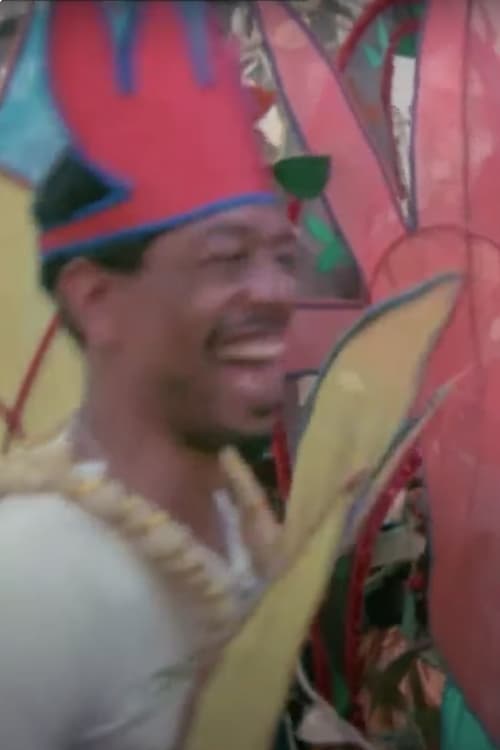
Featuring footage spanning from 1901 to 1985, this little-seen footage has been found from all across the UK. This programme allows an exploration into stories of migration, community and also the struggle against inequality, while also providing the opportunity to celebrate black British culture and life on screen. Films in the programme include: Miners Leaving Pendlebury Colliery (1901), Hull Fair (1902), For the Wounded (1915), From Trinidad to Serve the Empire (1916), Hello! West Indies (1943), Mining Review 2nd Year No. 11 (1949), To the Four Corners (1957), Black Special Constable (1964), Black Police Officers (1966), Cold Railway Workers (1964), Nigerian Wedding in Cornwall (1964), Coloured School Leavers (1965), London Line No. 373 (1971), African Student Families (1975), Liverpool 8 (1972), Blood Ah Go Run (1982), The Jah People (1981) and Grove Carnival (1981)
Britain on Film: Black Britain
An affectionate portrait of exiled South African musicians in London, featuring Louis Moholo, Pinise Saul and Hugh Masekela.
Blue Notes and Exiled Voices
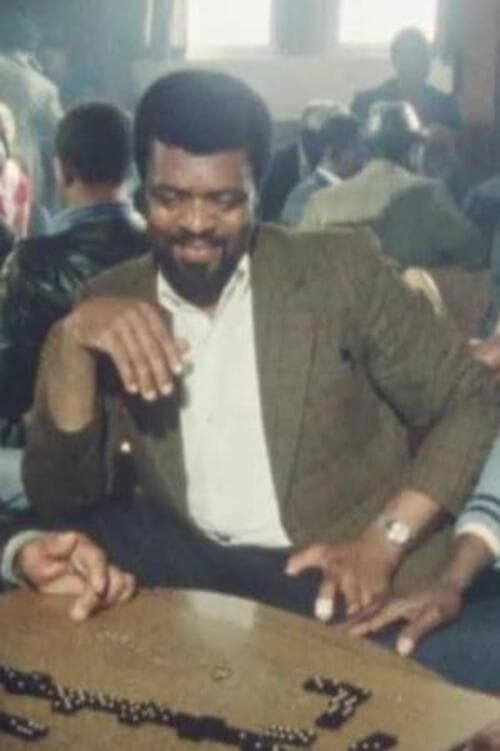
Radical resistance in the postwar British Caribbean community, from the 1948 Nationality Act to the 1958 Brixton riots.
Riots and Rumours of Riots
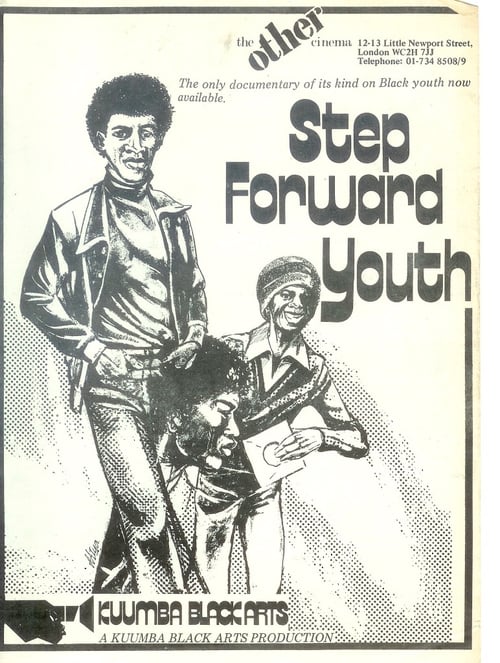
Rare archive footage of British born young people in the mid 70s, discussing issues of school, police, parents and what it is like to be black in a white world.
Step Forward Youth
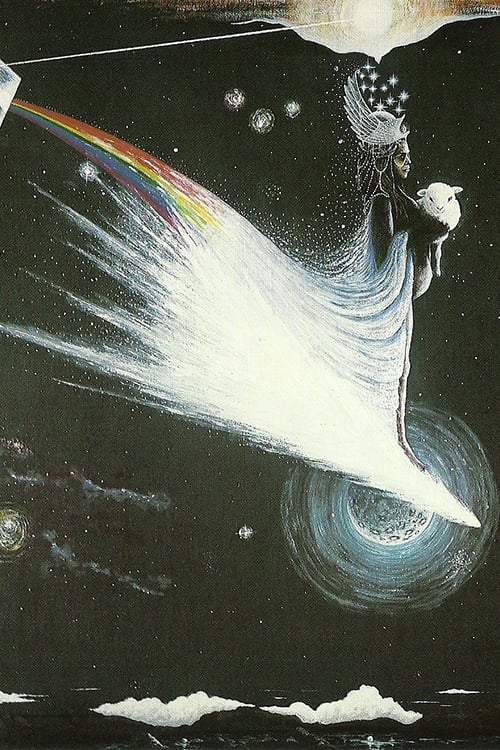
A ground-breaking documentary, Omega Rising Women of Rastafari was the first film to explore and challenge myths and stereotypes about the Rastafarian movement; and give voice to women of Rastafari, who speak for themselves about their relationship to the movement and its development. A self-taught camerawoman who began her career documenting community issues in Tottenham, D. Elmina Davis was a Rastafarian herself and had travelled extensively in Africa and the Caribbean. Poetry, mythology, archive footage, interviews, music and dance are skilfully folded into her film’s narrative, revealing the journey to higher consciousness for Jamaican and British Rastafarian women. Interviewees include Judy Mowatt, reggae solo artist and a member of Bob Marley’s backing trio, The I Three.
Omega Rising Women of Rastafari
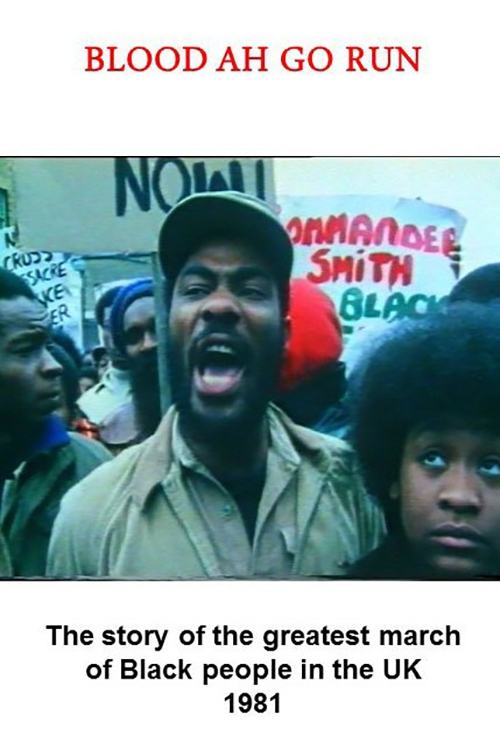
Short 'newsfilm' looking back at the events of 1981, beginning with the killing of 13 young blacks in New Cross, London. The film goes on to show the anger this aroused among black people, and their march in demonstration - `The Black People's Day of Action'. Also covers the Brixton riots.
Blood Ah Go Run
Made in the wake of the Brixton uprisings, Street Warriors explores the tensions that exist between community building and the increasing professionalisation of a south London street hockey team.