Joaquim Pedro de Andrade
Directing
Biography
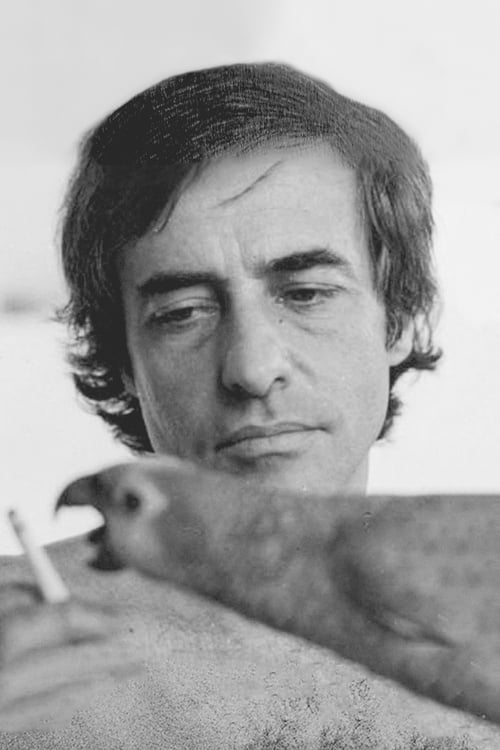
Joaquim Pedro de Andrade (Rio de Janeiro, May 25, 1932 – September 10, 1988) was a Brazilian filmmaker. He was a member of the Cinema Novo movement. Andrade is best known for his 1969 film Macunaíma, based loosely on the novel of the same title by Mário de Andrade. His 1962 documentary film Garrincha: Hero of the Jungle was entered into the 13th Berlin International Film Festival.
Known For

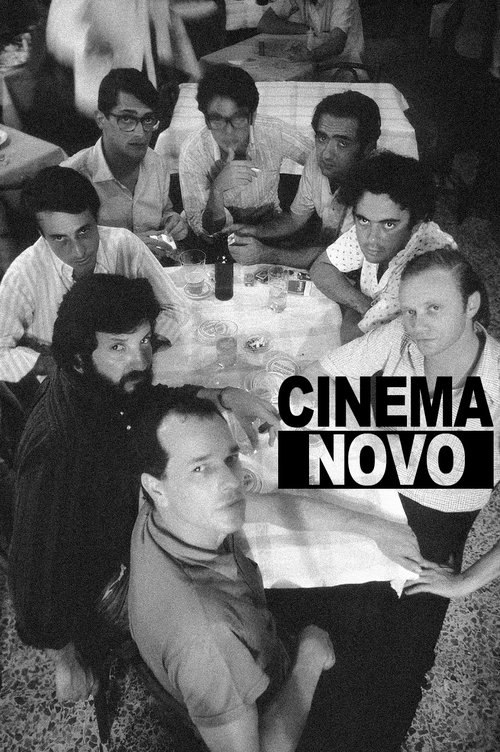
A deep investigation, in the way of a poetic essay, on one of the main Latin American movements in cinema, analyzed via the thoughts of its main authors, who invented, in the early 1960s, a new way of making movies in Brazil, with a political attitude, always near to people's problems, that combined art and revolution.
Cinema Novo

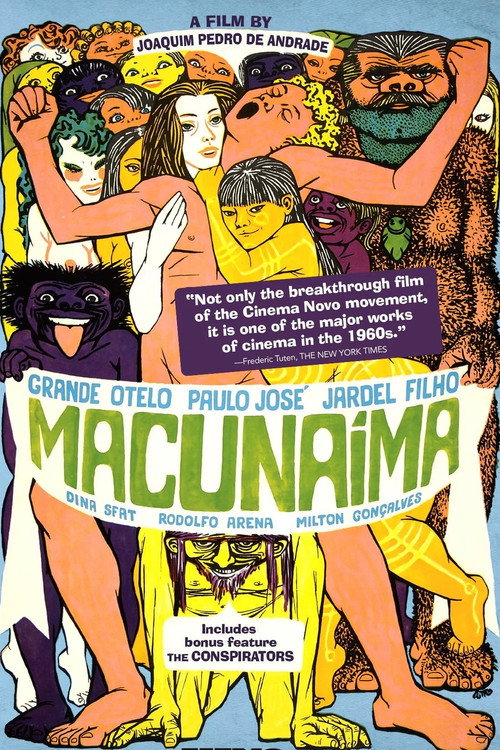
Born a fully grown black man in a village in the Brazilian jungle, Macunaíma later magically transforms into a white man before making an adventure-filled trip to the city of São Paulo. Once there, he becomes something of a dandy, falling in love with Ci, a revolutionary who dies in an accidental bombing. After robbing a ruthless industrialist, Macunaima returns to his village where he finds his newly acquired knowledge and possessions of little use.
Macunaima

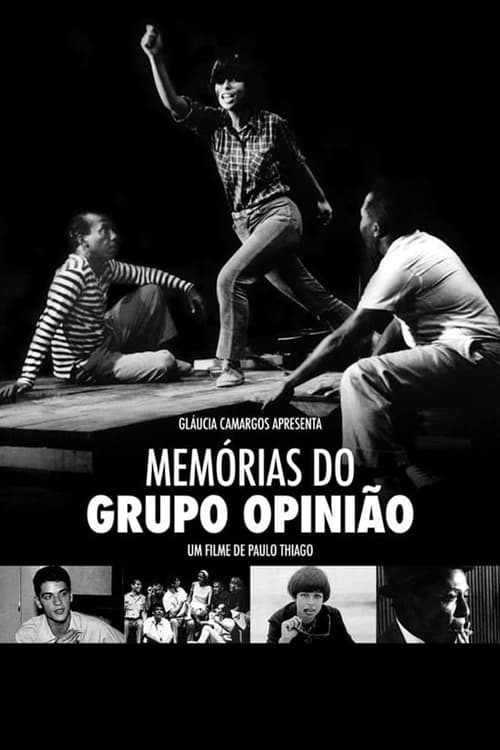
Follows the story of Opinião, a theatre group created in 1964 during the early Brazilian dictatorship period to oppose the government through artistic performances. Considered the first left-wing response to the dictatorship, the group gathered now famous Brazilian artists such as Nara Leão, Maria Bethânia, João do Vale and Millôr Fernandes.
Memórias do Grupo Opinião

Fantasy comedy about Brazilian writer Oswald de Andrade, one of the most important icons of Modernism in Brazil. In the film, Oswald is played by two actors: Ítala Nandi, as his feminine anima, and Flávio Galvão, as the masculine half.
The Brazilwood Man

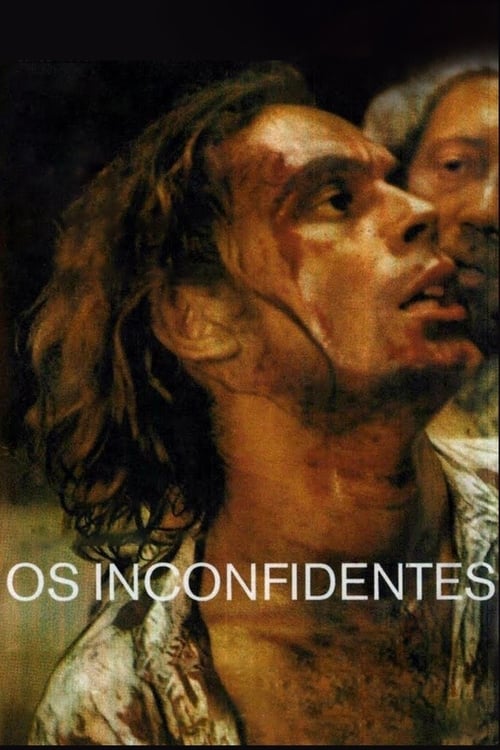
The real story of the failed attempt of an independence coup by a group of intellectuals and rich men during Brazil's colonial days, from its beginning to the execution of Tiradentes.
The Conspirators

Originally produced for German TV, Improvised and Purposeful is a firsthand look at the "Cinema Novo" movement (otherwise known as the 'Brazilian New Wave'). Director Joaquim Pedro de Andrade focuses on six Cinema Novo filmmakers working in Rio in 1967.
Improvised and Purposeful: Cinema Novo

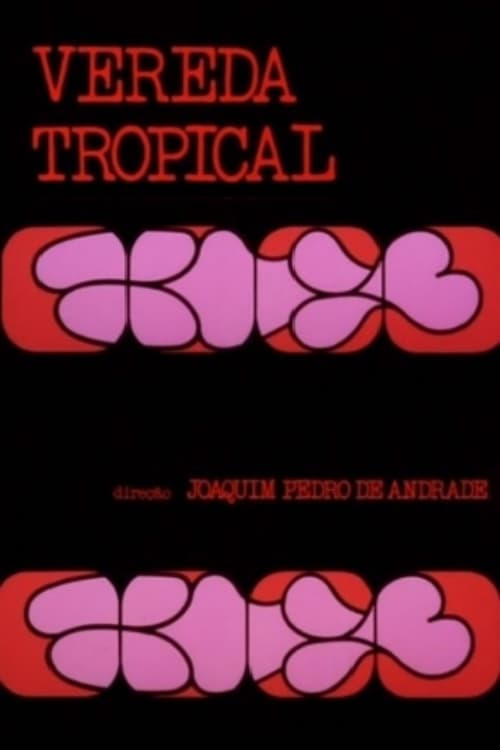
In the island of Paquetá, professor investigates the genital vocation of vegetables and fruits, maintaining sexual relations with a watermelon. In his experiences, he counts on the interlocution of an attentive student.
Tropical Paths

In 1967, de Andrade was invited by the Italian company Olivetti to produce a documentary on the new Brazilian capital city of Brasília. Constructed during the latter half of the 1950s and founded in 1960, the city was part of an effort to populate Brazil’s vast interior region and was to be the embodiment of democratic urban planning, free from the class divisions and inequalities that characterize so many metropolises. Unsurprisingly, Brasília, Contradições de uma Cidade Nova (Brasília, Contradictions of a New City, 1968) revealed Brasília to be utopic only for the wealthy, replicating the same social problems present in every Brazilian city. (Senses of Cinema)
Brasilia, Contradictions of a New City
No description available.
Castelar e Nelson Dantas no País dos Generais

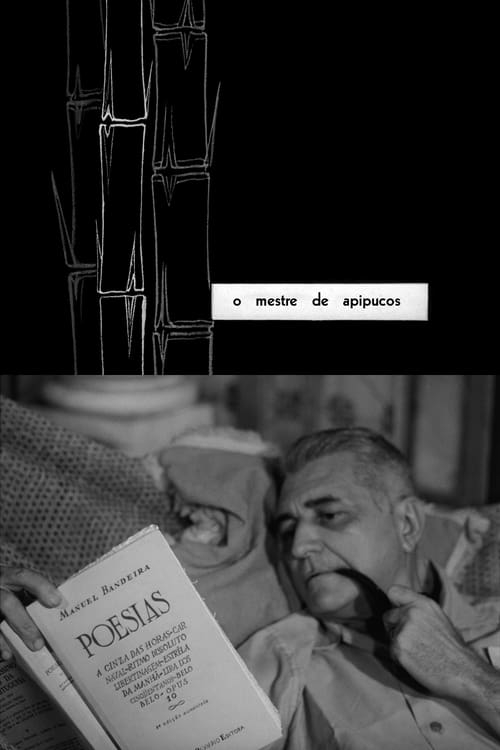
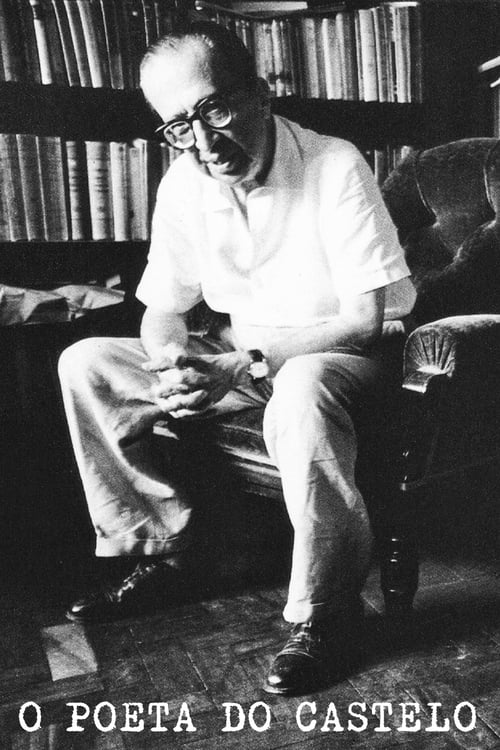
Documentary about influential Brazilian sociologist Gilberto Freyre, made in his country house in Apipucos, Pernambuco (Northeast Brazil).
The Master of Apipucos

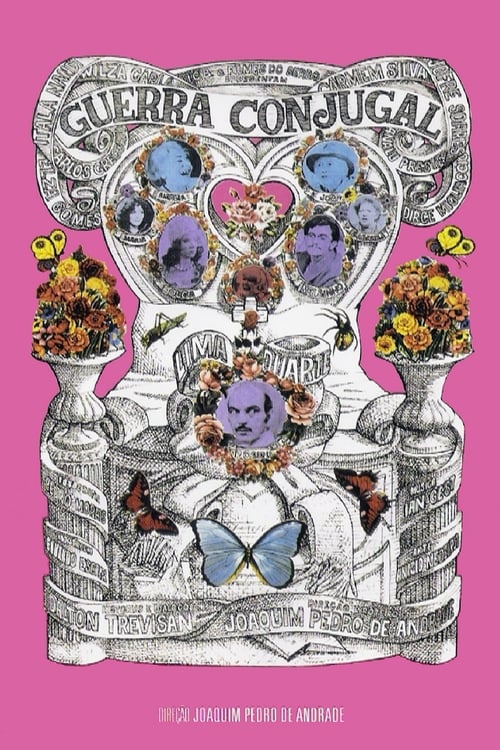
Many stories revolving around a poor couple who, in spite of hating each other, still live together under the same roof.
Conjugal Warfare

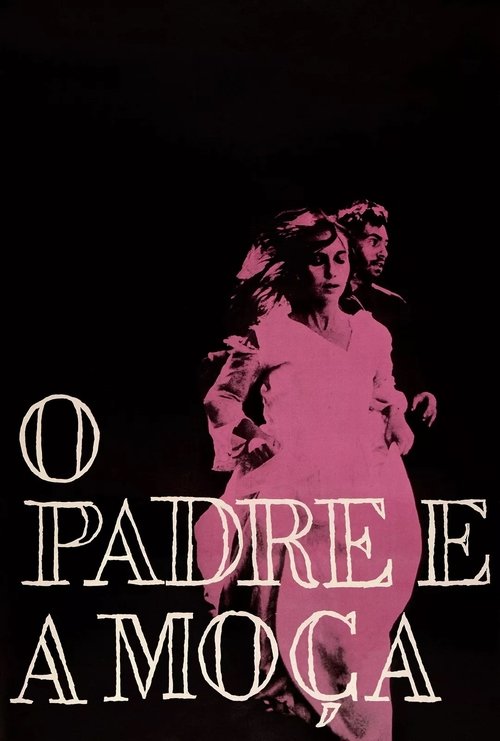
In a small town in Minas Gerais, the arrival of a young priest causes a commotion in the conservative atmosphere of the place, aggravated by the sudden attraction this priest feels for a beautiful girl. This forbidden love affair soon turns into an unbridled passion.
The Priest and the Girl

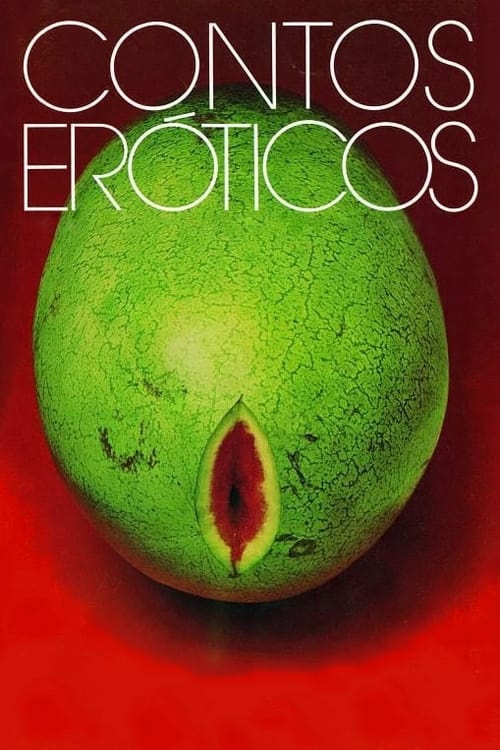
Comedy in 4 segments. In "Arroz e Feijão" (Rice and Beans), owner of a boarding-house seduces her young countryboy tenant. In "As Três Virgens" (The Three Virgins) three spinsters are influenced by the behaviour of their teenager niece, whom they are lodging. In "O Arremate" (The Purchase) a colonist turns his virgin daughter in to a landowner, to have his debts forgiven. And, finally, in "Vereda Tropical" (Tropical Trail), a man becomes sexually obsessed by a watermelon, to the point of having sexual intercourse with it. The stories are based on prize-winner short stories, from a Playboy contest.
Erotic Stories

A few weeks before Carnival, slum boys organize huntings for stray cats, whose leather can be used in Samba percussion instruments, like the Tamborim, a small drum.
Cat Skin

No description available.
Tem Coca-Cola no Vatapá

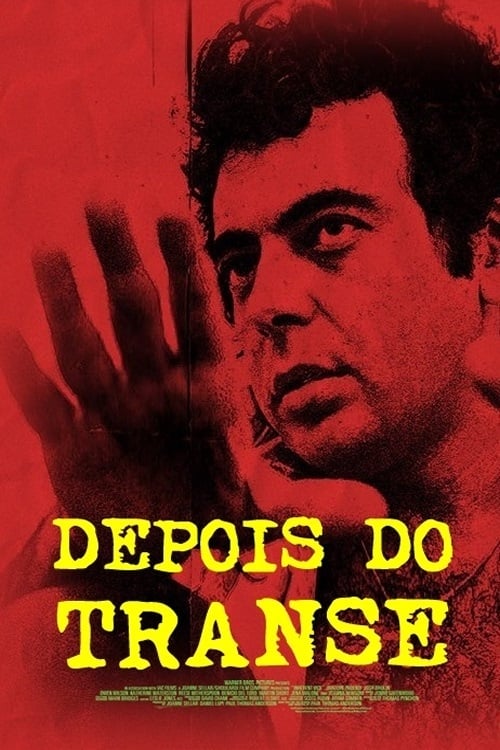
The documentary "Depois do Transe" covers the entire process of creating the masterpiece "Entranced Earth", which was released and awarded at the Cannes Film Festival in 1967. "Entranced Earth" charmed the world and won great admirers such as filmmaker Martin Scorsese and the writer Marguerite Duras, who at the time considered a "fabulous filmic opera."
Depois do Transe

No description available.
Mídia, mentiras e democracia: zona de fronteira

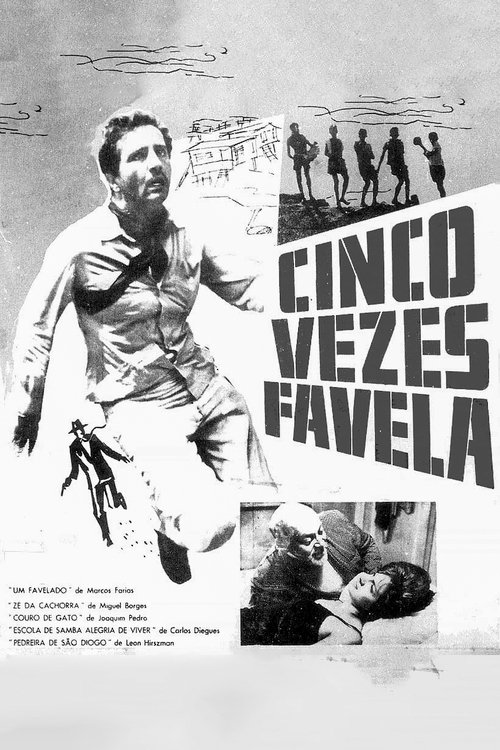
Five segments about the hardships faced by people living in slums on hills in Rio de Janeiro.
Five Times Favela

No description available.
Semana de Arte Moderna

No description available.