Production
A love triangle between Dan Sommerdahl, his wife Marianne Sommerdahl and their best friend Flemming Torp occurs as they try to solves killings in Helsingør.
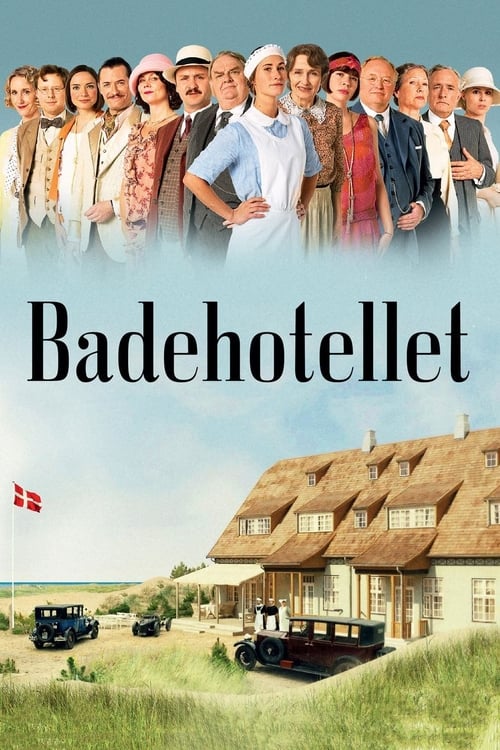
At Andersen’s Seaside Hotel by the North Sea dunes, meet three young people as they try to emancipate themselves from the plans other people have made on their behalf.
Newly divorced journalist returns to her hometown to restart her life and work through her past.
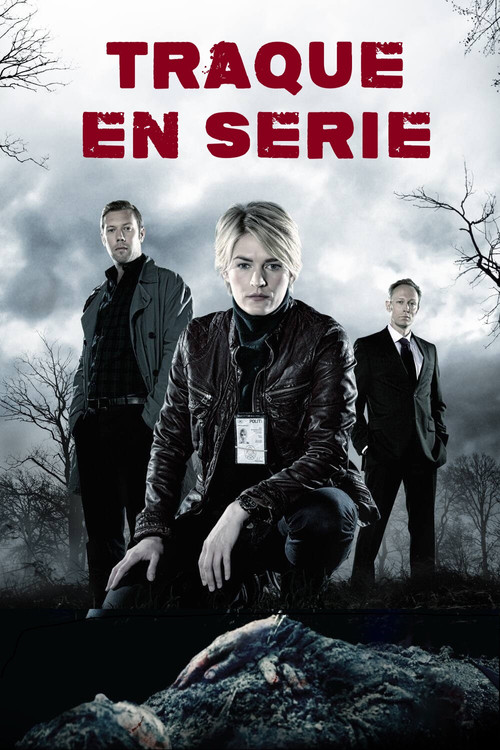
Based on an original idea by best-selling Danish novelist Elsebeth Egholm, the series follows the inquiries of a special unit at Copenhagen's police force, consisting of detective inspector Katrina Ries Jensen and forensic psychiatrist Thomas Schaeffer. The pair specialise in serial killers that do not fit within traditional behavioural patterns.
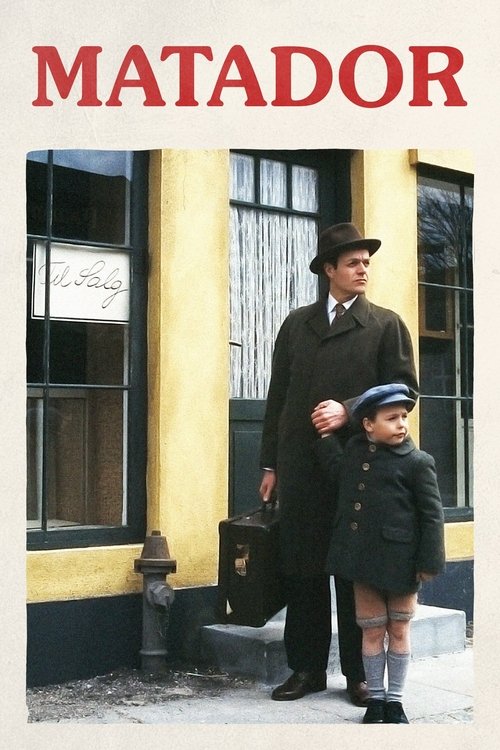
Matador is a Danish TV series produced and shown between 1978 and 1982. It is set in the fictional Danish town of Korsbæk between 1929 and 1947. It follows the lives of a range of characters from across the social spectrum, focusing specifically on the rivalry between the families of two businessmen: The banker Hans Christian Varnæs, an established local worthy, and social climber Mads Skjern, who arrives in town as the series opens. The name Matador was taken from the localised edition of the boardgame Monopoly, also the series' tentative English title. In addition, in contemporary Danish a "matador" is often used to describe a business tycoon, in the series referring to the character of Mads Skjern and his craftiness as a self-made entrepreneur. Directed by famed Danish film maker Erik Balling, Matador was the idea of author Lise Nørgaard who wrote the bulk of the episodes alongside Karen Smith, Jens Louis Petersen and Paul Hammerich. The series is one of the most well-known and popular examples of Danish television and represents the peak of longtime development of Danish TV drama by the public service channel Danmarks Radio. The series has become part of the modern self-understanding of Danes, partly because of its successful mix of melodrama and a distinct warm Danish humour in the depiction of characters, which were portrayed by a wide range of the most popular Danish actors at the time; but also not least because of its accurate portrayal of a turbulent Denmark from around the start of the Great Depression and through Nazi Germany's occupation of Denmark in World War II.
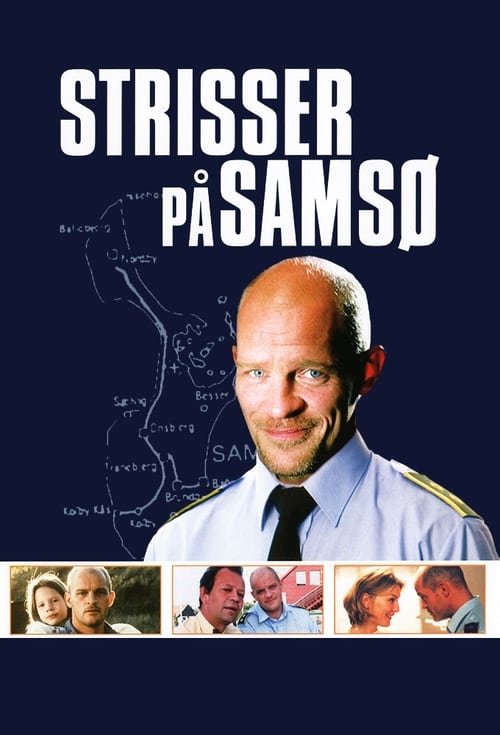
Strisser på Samsø is a Danish television series in 12 episodes, written and directed by Eddie Thomas Petersen. Produced by Per Holst Filmproduktion, it was first broadcast on TV2 in 1997-1998. The story tells how Christian Torp, a police officer who has lost his wife in an unsuccessful robbery, brings his daughter Sille to the Danish island of Samsø looking for peace and quiet. They have difficulty in integrating into a society full of problems where everyone knows everything about everybody, but they find a friend in Ulla, a secretary. Among others, it stars Lars Bom, Amalie Dollerup and Jesper Milsted. The series was entitled "Island Cop" when broadcast in subtitled form on Ireland's TG4 channel.
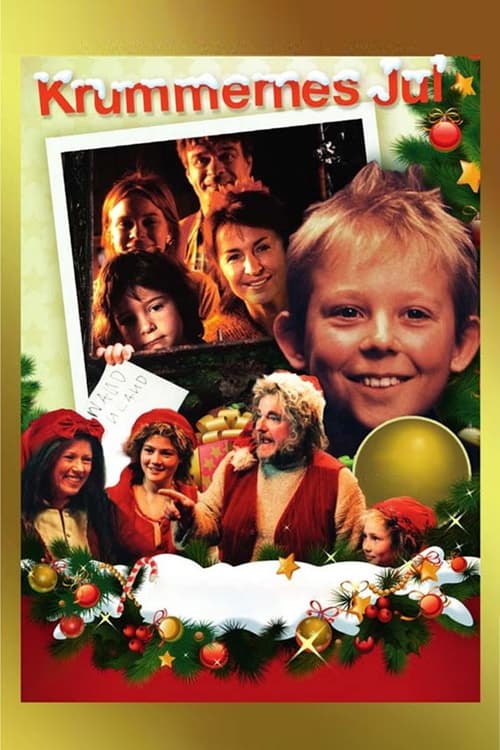
Krummernes Christmas is a Danish TV Christmas calendar that was first broadcast on TV 2 in 1996 and re-broadcast on the same channel in 2001. The Christmas calendar is based on the books on Krummerne
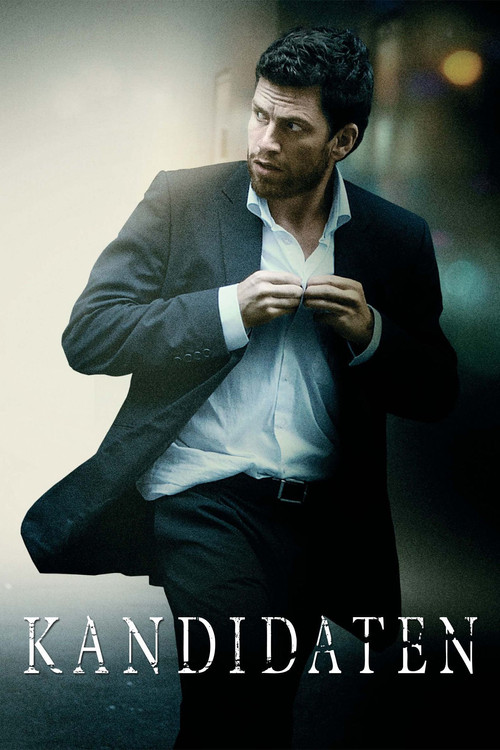
Jonas Bechmann, a defense attorney, is a man of the system. Until the day he himself is accused of murder. Taking matters into his own hands, he throws himself into the hunt for a group of blackmailers who threaten to expose him as the killer. But nothing is what it appears to be, and the blackmail links back to his father's death under mysterious circumstances a year and a half earlier.
The psychological thriller "Murk" tells the story of Jacob, who is investigating into the circumstances surrounding his sister's death on her wedding night.
When Anders Bo begins his new job as a car salesman, he is given the special task of infiltrating the small competing car shop, Holger's Auto during their annual Christmas party and steal their customer file. As Anders Bo romps through the commotion and antics of the celebration, he realizes that his assignment in fact relates to an old family feud and that the odd and funny characters working there might have more to offer than meets the eye - especially Amalie, the beautiful daughter of the owner, Holger. In the middle of Christmas pudding and Christmas cheer Anders Bo suddenly learns to listen to his heart.
Hans is the name of the film's driving force and central character, an arrogant and fascinating firebrand who meddles in other people's lives with great energy. His son Jesper can only escape him by getting drunk. This is not a smart move when you are a firefighter at the station where your gruff father is the boss. Jesper is kicked out of his job and his home. Shortly afterwards, the only person who loves Hans patiently and unconditionally dies: his mother, whom he calls the Angel. Hans is guilty, he falls apart, tries to kill himself, but ends up blind – and alone.
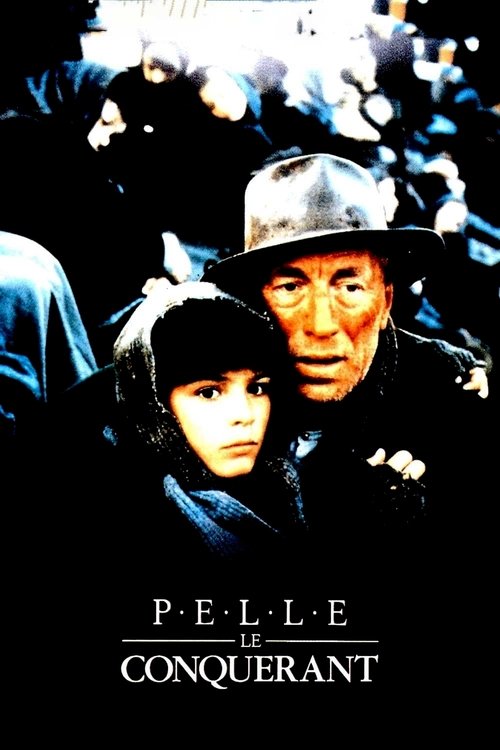
In the late 19th century, two Swedish emigrants, Lasse Karlsson and his son Pelle, arrive on the Danish island of Bornholm hoping to find work on a farm and save enough money to travel to the United States of America.
Arvid is an ordinary bank clerk who lives a rather unassuming life with his dear girlfriend. But his life is turned completely upside down when he bravely manages to avert a robbery against the bank where he works.
Ordinary Jan has no easy life. He is by far the most unpopular employee at work. At home it's even worse. His marriage with the not so ordinary Bente is on the verge of a breakdown. Jan's boss finally sends him into group therapy where an unlikely friendship emerges between Jan and the two mechanics Rudy and Alf.
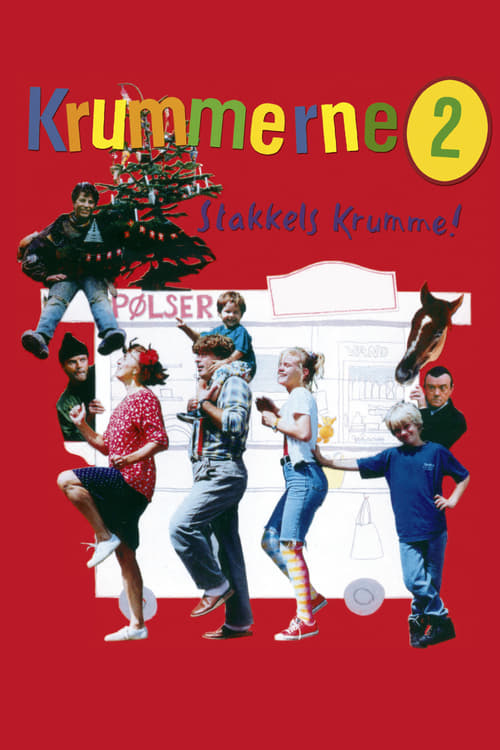
Erik Lund is a professor in child psychology. When his sister and her husband go on vacation, he is left in charge of their five children. He really feels up to it, since he is now going to be able to try out his skills in child psychology. However, reality is something else than theory and children do not always do as they are supposed to, according to his book on child psychology. The children soon fool him into doing as they please when it comes to food and pleasures. However, soon they start to realise that if they can make him serve them hot dogs and hamburgers and let them watch TV as much as they like, they can also make him help them restore their old house, so that they won't have to move, as their parents want to. And, as their uncle is nice enough to help them, they also decide to try and get him a wife.
The whole family is going on a skiing holiday in Norway when Dad breaks his leg. So Uncle Erik takes the five oldest children. On the ferry, Amalie meets ski instructor Dan, and Uncle Erik gets very seasick. It turns out that Dad has rented a very small, leaky cabin, but Jan and Michael sort it out so they can move into a large suite. It turns out that it has been rented to Mrs. Flinth and her friends, and she causes a lot of trouble. The family is thrown out, but once again Jan and Michael fix the situation. They claim that Erik Lund is a famous singer. Erik is busy looking after Amalie, but when she discovers Dan's flirting with another girl, she gets the boys to help her. Meanwhile, Erik also finds time to go ice skating with Mrs. Flint.
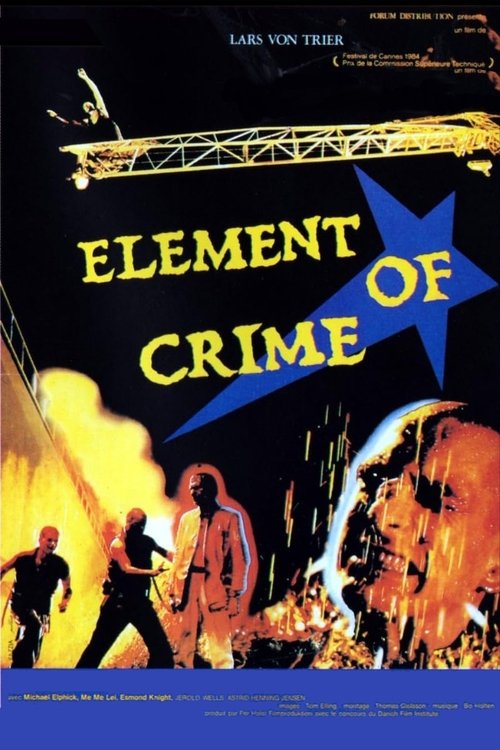
Fisher, an ex-detective, decides to take one final case when a mysterious serial killer claims the lives of several young girls. Fisher, unable to find the culprit, turns to Osbourne, a writer who was once respected for his contributions to the field of criminology. Fisher begins to use Osbourne's technique, which involves empathizing with serial killers; however, as the detective becomes increasingly engrossed in this method, things take a disturbing turn.
When Maria's father sends her a valuable icon that he stole, she must decide whether to collect the reward or protect her father.
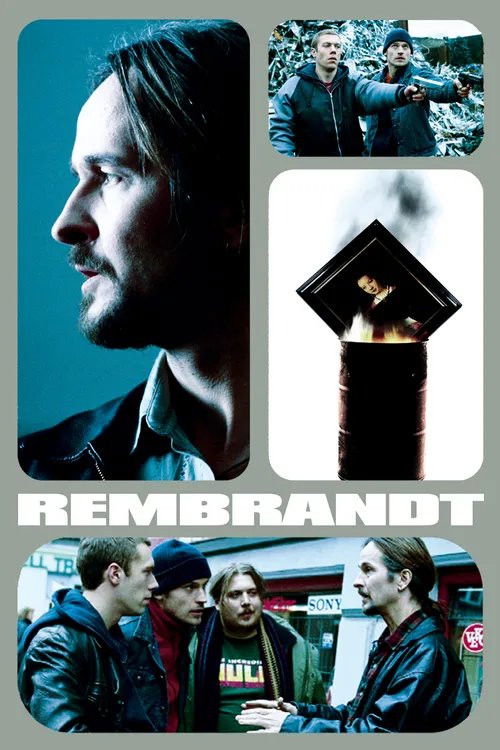
Two bumbling scrap metal thieves - father and son - steal the wrong painting during a museum heist. The painting turns out to be the only original Rembrandt painting in Denmark, and all hell breaks loose. What do you do when you've got Interpol, the Danish police and the entire Danish underworld on your heels? And who was this Rembrandt guy anyway?
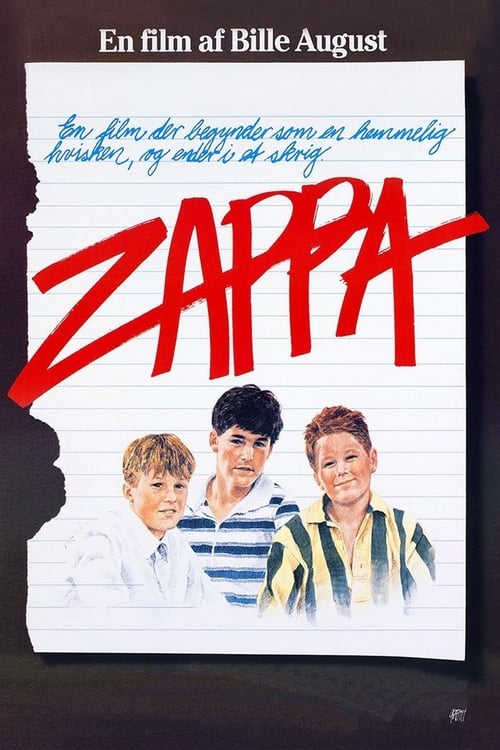
Denmark, 1961. Bjørn, a middle-class boy in his early teens, wants to be accepted by Steen, a bullying peer of his with wealthy but freezingly cold parents. Bjørn's other good friend is Mulle, a cheerful and more childish working-class boy. All three seem friends at first, but gradually Steen starts pushing Mulle away while pulling the impressionable Bjørn with him towards more and more violence.