
David Hammons
Directing
Biography
One of the most influential artists living and working in the United States, David Hammons makes art across mediums using strategies of refusal, humor, and provocation. Often centering his own experience as a Black American, over the past five decades, Hammons has addressed issues of race, class, art history, the legacy of slavery, and the experience of being an outsider. Born in 1943 in Springfield, Illinois, Hammons moved to Los Angeles in 1963 to study art. After stints at Los Angeles City College and the Los Angeles Trade and Technical College, he began taking night classes at Otis Art Institute with realist artist and activist Charles White. After relocating to New York in 1974, Hammons started his lifelong practice of making sculptures from the highly charged detritus of urban African American life, including hair gathered from barbershop floors, chicken bones, bottle caps, and empty liquor bottles. From landmark actions like his Bliz-aard Ball Sale (1983), in which Hammons sold snowballs of different sizes on a New York City sidewalk, to his most recent paintings whose surfaces are obscured by tarpaulins, burlap, or old furniture, such as Untitled, his work has contributed to an ongoing discussion about the role of the artist and the value of art in a world beyond the pampered precincts of the museum or gallery.
Known For
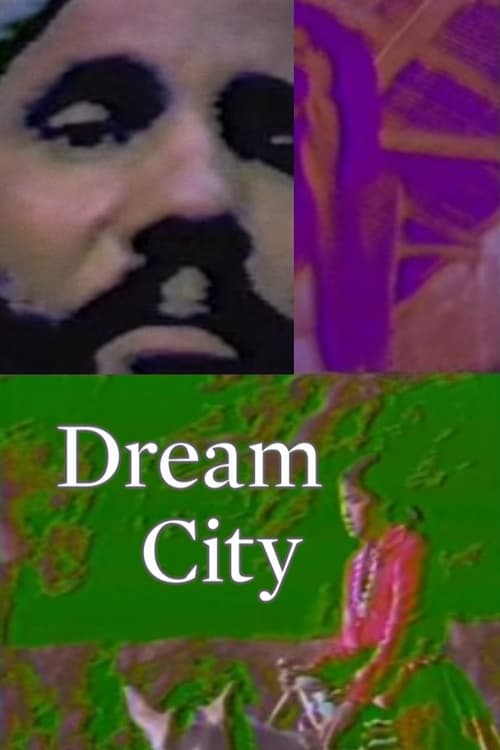
Ulysses Jenkins composed "Dream City" from documentation of a twenty-four-hour performance he organized in collaboration with David Hammons, Maren Hassinger, and Senga Nengudi. A discordant, absurdist, and poetic montage, the video weaves together jazz and punk shows, recitations by Jenkins, and shots of the Los Angeles skyline and oil wells to comment on power and nation in the early years of Ronald Reagan's presidency.
Dream City
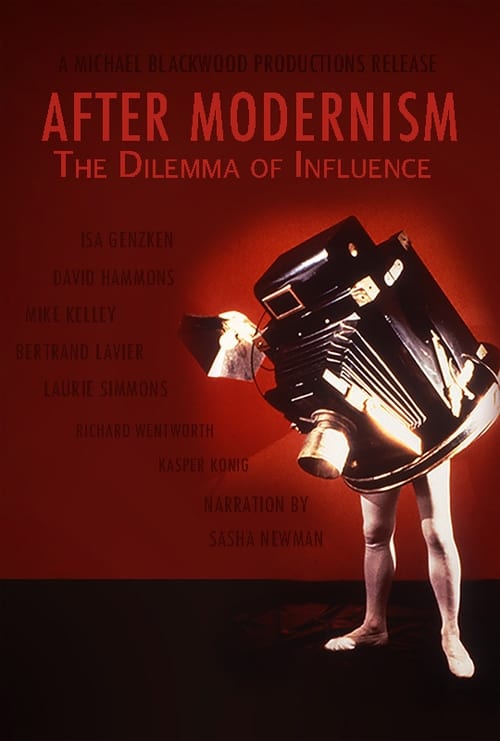
Since the 1960s, other disciplines, cultures, and artists previously excluded from modernism's privileged canons have become absorbed into an ever expanding field of activity and influence. Younger artists are a new breed of cultural scavengers, anything or anyone is fair game for appropriation or reinterpretation. Fascinated by notions of space, time and the human body, artists such as David Hammons, Laurie Simmons and Richard Wentworth have carved their own path through conceptual art.
After Modernism: The Dilemma of Influence

A studio visit by David Hammons to John Outterbridge's studio. Recorded by Ulysses Jenkins as Hammons proclaims an arts affliction.
In The Midnight Hour

In 2001, David Hammons filmed Ted Joans unfolding the long artwork across the floor of the New York apartment of Robin D. G. Kelley and Diedra Harris-Kelley. Together with the artist Laura Corsiglia, they discuss each drawing and the creative and personal histories of the seemingly endless contributors. The camera follows the piece from fold to fold, emphasizing its physicality, the active process required to engage with it, the impossibility of viewing it in its entirety all at once. The artwork collapses into fragments but links its international participants, folding, unfolding, obscuring, revealing, connecting across great distances. In the end David Hammons adds his own drawing, continuing the long-distance transmission.
Ted Joans: Exquisite Corpse

A video of David Hammons making his basketball drawings
A Look at David Hammons

This is a documentary of David Hammons prior to his leaving the Los Angeles arts community. This video covers the artist's creative strategies at that time. It served as both an interview and video performance by David Hammons.
King David
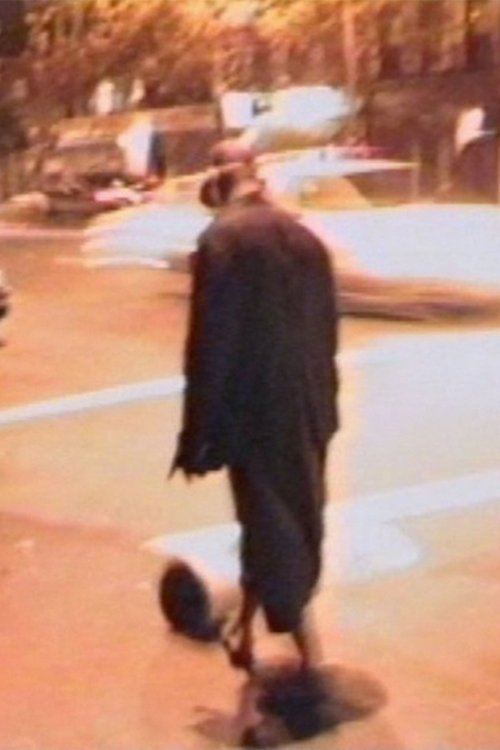
Phat Free begins with several minutes of darkness overlaid with an unidentifiable loud, metallic sound. As the video image is revealed, a man—Hammons himself—appears dressed in a long coat, felt hat, and sneakers, kicking a metal bucket down a deserted city sidewalk late at night. The work was shot in 1995 to document Hammons’s late-night performance and edited into an independent video work four years later. At first seemingly violent, the noise evolves into an almost musical rhythm that is synchronized with the protagonist’s methodical movements. The title elaborates this musical allusion, conjuring both the streetwise lyricism of rap and hip-hop and the improvisational nature of jazz.